



The fallout from Suicide Squad: Kill the Justice League may have just claimed another major casualty. Warner Bros. Games president David Haddad is stepping down after a catastrophic year for the division, marred by the $200 million failure of Rocksteady’s live-service DC Arkham-verse game.
A key factor in this debacle? The divisive involvement of Sweet Baby Inc. (SBI), the narrative design firm co-founded and run by Kim Belair. The firm’s embrace of identity politics and disruptive creative direction has left a trail of failures across the gaming industry.
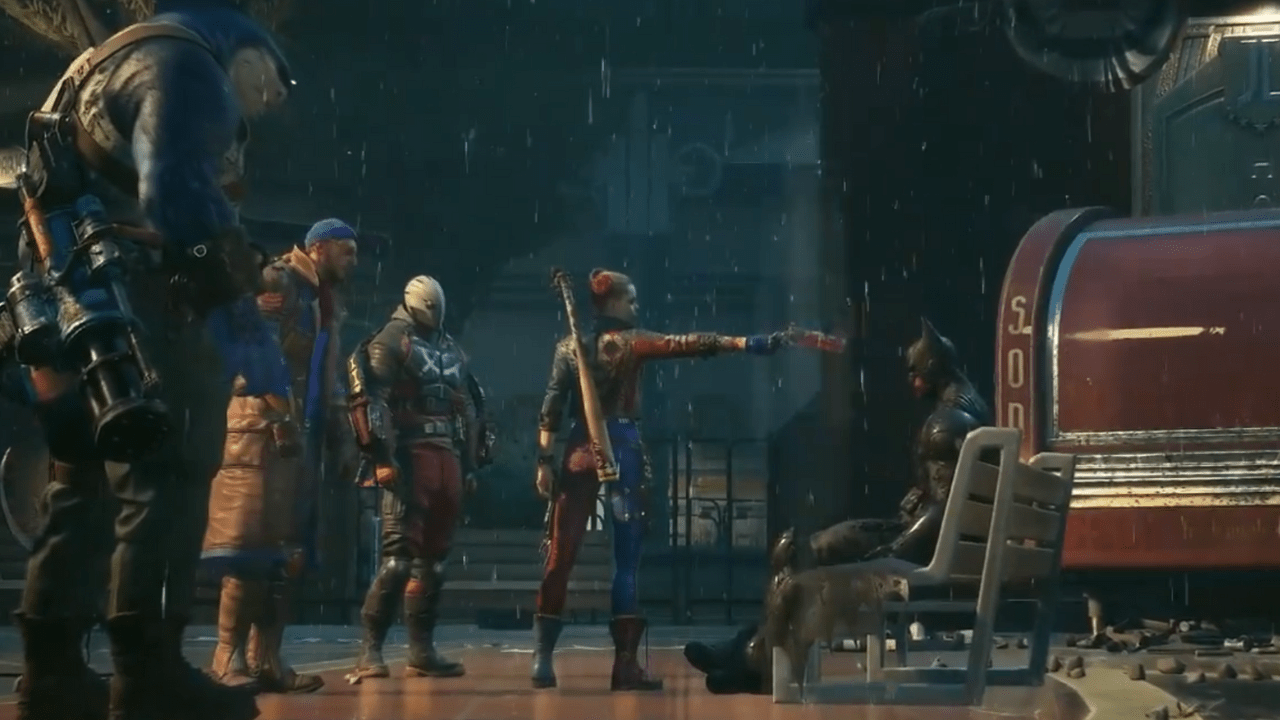
Harley Quinn about to execute Batman in Suicide Squad: Kill the Justice League (2024), Rocksteady
“David has thoughtfully and purposefully chosen a time when our release schedule is lighter which will help minimize disruption to our ongoing projects and strategic plans and allow this team to smoothly prepare for its next record-breaking title,” Warner Bros. Discovery Global Streaming and Games CEO and president JB Perrette said.
“I am so proud of everything we’ve accomplished together at Warner Bros. Games during my time with the company,” Haddad said following his resignation. “It has been an absolute pleasure working on and building our iconic gaming franchises, and I will continue to be an enthusiastic supporter of this talented team’s future endeavors. I look forward to working on the next chapter of my career and will always be grateful for my time with Warner Bros. Games.“
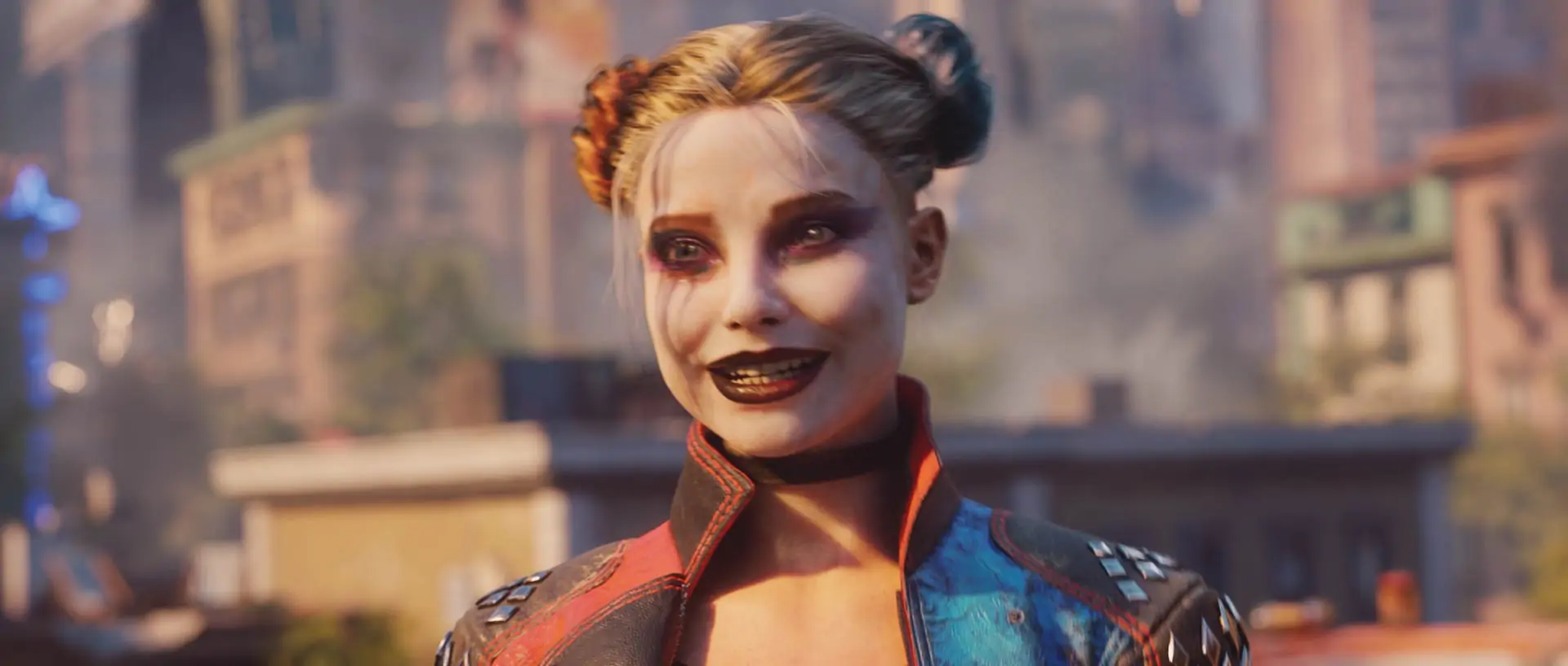
Harley Quinn in Suicide Squad: Kill the Justice League (2024), Rocksteady
While Haddad’s departure is being framed as voluntary, many are quick to point at financial fallout from Kill The Justice League and chalk this up to another Sweet Baby Inc. client suffering heavy losses.
Indeed, the exit of David Haddad is hard to separate from the disaster that was Suicide Squad: Kill the Justice League. This live-service shooter, developed by Rocksteady Studios, faced backlash from fans and critics alike for its uninspired gameplay, forced identity politics, and its ill-conceived narrative that saw beloved heroes like Batman and the Justice League killed off—only to be revealed as clones in a desperate plot twist nearly a year later.
The controversial narrative choices, overseen in part by SBI, alienated players, making the game a lightning rod for criticism.

Suicide Squad: Kill the Justice League Sweet Baby Inc. credits
READ: Kingdom Come: Deliverance 2, Every Controversy Explained in One Explosive Timeline
SBI’s fingerprints were all over the project, from divisive storylines to its tone-deaf approach to the Justice League’s legacy. The firm was even given its own section of the game’s credits.
Their involvement, far from elevating the game, contributed to a product that disrespected fans and undermined Rocksteady’s once-stellar reputation. What could have been a triumphant return for the studio behind the iconic Arkham series instead became a high-profile disaster.

Amanda Waller in Suicide Squad: Kill the Justice League (2024), Rocksteady
Warner Bros. has made clear that the gaming division is not for sale, and the focus will shift to always-on live-service and mobile titles tied to major IPs like Harry Potter, Mortal Kombat, and Game of Thrones. Yet this pivot raises questions about whether the lessons of Kill the Justice League will truly be learned—or if it’s another step toward alienating core gamers in pursuit of short-term trends.
For Warner Bros., Rocksteady, and others who’ve partnered with SBI, the damage is done. While Haddad’s departure is framed as a new chapter, for many fans and industry observers, it feels more like the epilogue to a once-bright legacy now marred by poor decisions and misplaced priorities.
The influence of SBI didn’t end with Suicide Squad. Reflector Entertainment had to restructure its entire business after the failure of Unknown 9: Awakening, a game in which Kim Belair served as story architect. Square Enix also faced financial turmoil, restructuring its U.S. and European divisions after similar SBI-related missteps. Warner Bros. joins a growing list of publishers paying the price for their partnerships with the controversial narrative firm.

Character art for Suicide Squad: Kill The Justice League (2024), Rocksteady
Rocksteady, once a beacon of excellence in superhero gaming, has been decimated. The studio was hit with mass layoffs in late 2024, and its legacy is now tarnished by a project that alienated fans and destroyed goodwill. Even one of Kevin Conroy’s final performances as Batman, which could have been a heartfelt farewell, was overshadowed by poor storytelling and tone-deaf decisions.
This debacle is part of a broader trend. SBI’s involvement has repeatedly resulted in controversy, alienating fanbases and leaving studios and publishers in disarray. All while Belair and her team collect their money and ride off unscathed. According to YouTuber MasterOfTheTDS citing inside sources, SBI hasn’t lost any contracts over its many controversies and the company has as many as 30 games in active development.
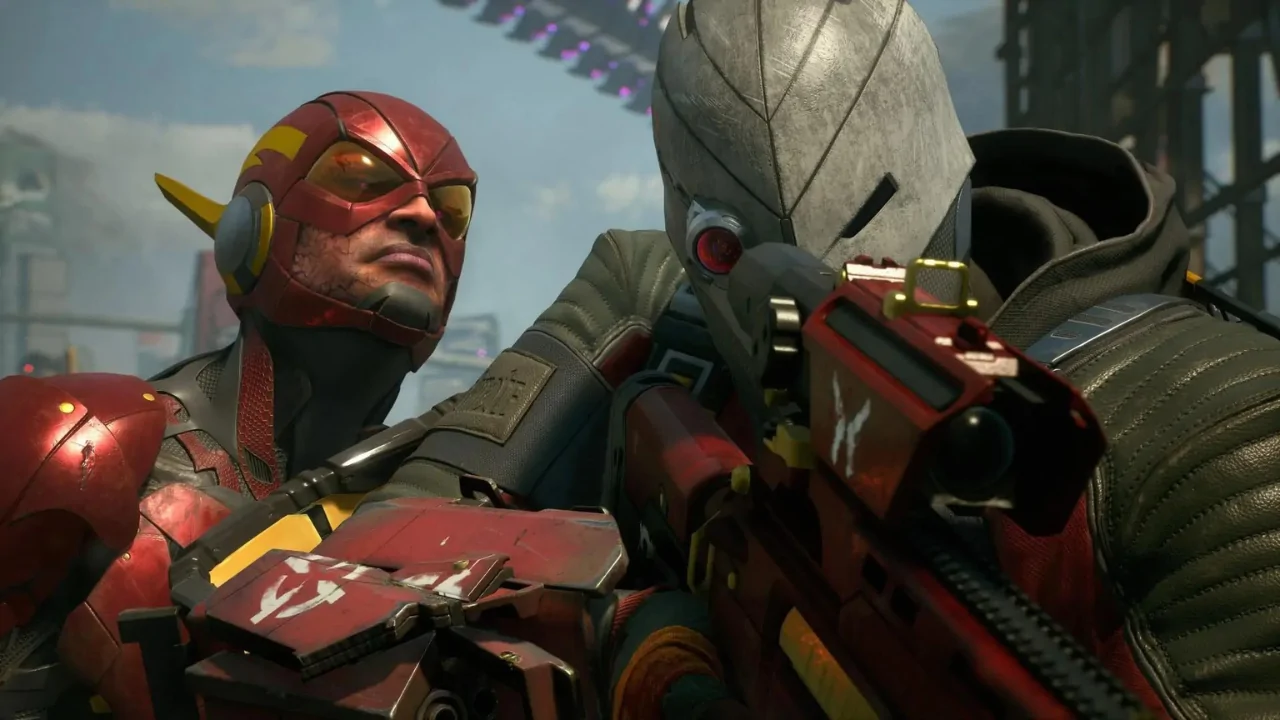
A screenshot from Suicide Squad: Kill the Justice League (2024), Rocksteady
As David Haddad steps down, Warner Bros. is left to pick up the pieces. The question remains: will the company learn from Suicide Squad’s failure, or will it double down on the same decisions that led to this disaster? For fans, the damage done by Sweet Baby Inc.’s divisive influence feels irreversible—and the gaming industry seems stuck in a cycle of repeating the same mistakes.
Do you believe David Haddad voluntarily left WB Games after 12 years? Or is this just another Sweet Baby Victim? Sound off in the comments and let us know!
