


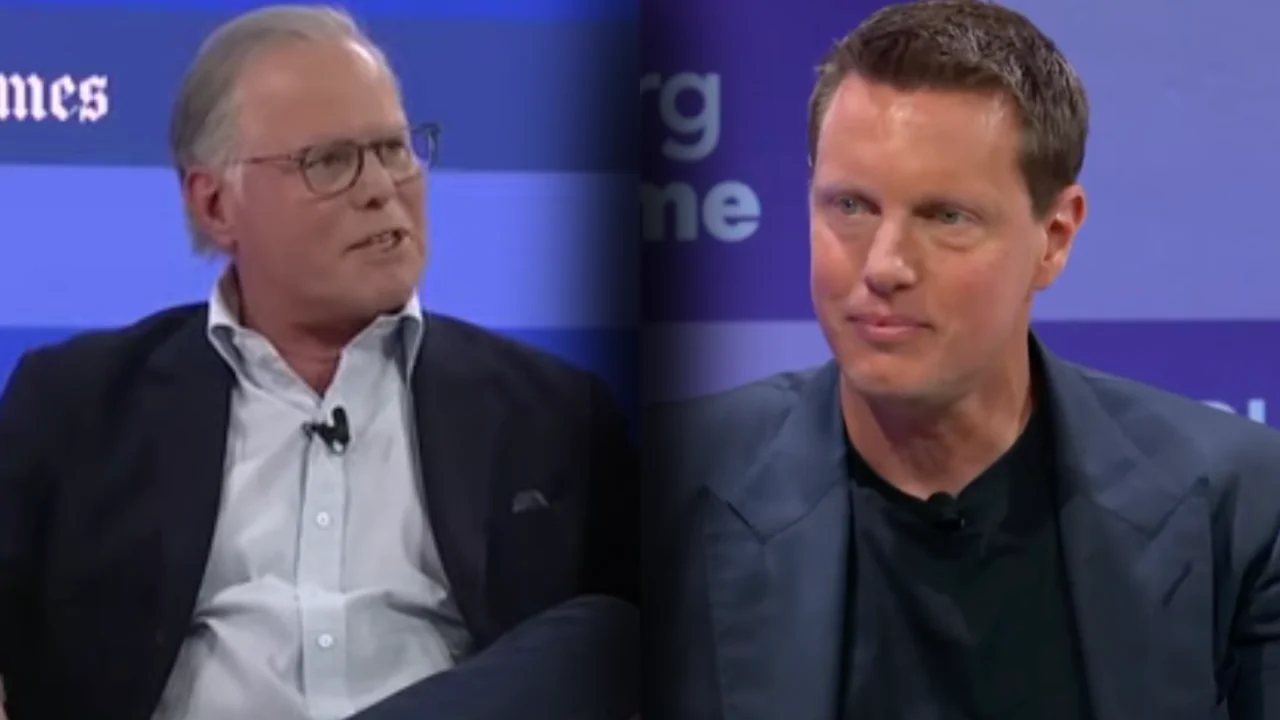
Warner Bros. Discovery has formally escalated its resistance to Paramount Skydance’s takeover effort, urging shareholders to reject the amended $108 billion proposal and making it clear that the board sees the offer as both financially inadequate and structurally risky. As WB Rejects Paramount, the move illustrates just how far apart the two sides remain—and why Warner Bros. believes the bid poses long-term dangers to shareholder value.
The amended proposal, backed by Paramount and Skydance Media, includes a massive personal financial guarantee from Oracle co-founder Larry Ellison. Despite that added backstop, Warner Bros. Discovery’s board concluded that the offer still fails to deliver sufficient value or certainty, particularly when compared to the company’s existing deal with Netflix to sell its studio and streaming assets.
Warner Bros. Discovery Calls the Bid “Inadequate”
In a notice to investors, Warner Bros. Discovery’s board stated that Paramount’s revised offer does not materially improve on its earlier proposal. While the headline valuation remains at $108 billion, the board emphasized that the transaction depends heavily on an extraordinary level of debt financing and doesn’t provide the same clarity or reliability as the Netflix agreement already in place.
A graphic showing the Netflix and Warner Bros. Logos – Netflix
The board also rejected Paramount’s framing of the offer as a superior alternative, arguing that it is neither better than nor comparable to the Netflix deal. From Warner Bros. Discovery’s perspective, the Netflix transaction offers clearer execution, fewer restrictions, and far less exposure to legal and financial uncertainty.
Debt Concerns Loom Large
One of the most significant issues highlighted by Warner Bros. Discovery is the scale of debt required to complete the Paramount transaction. According to the board’s analysis, Paramount—whose market capitalization is a fraction of Warner Bros. Discovery’s—would need to raise tens of billions of dollars in both equity and debt to finance the acquisition.
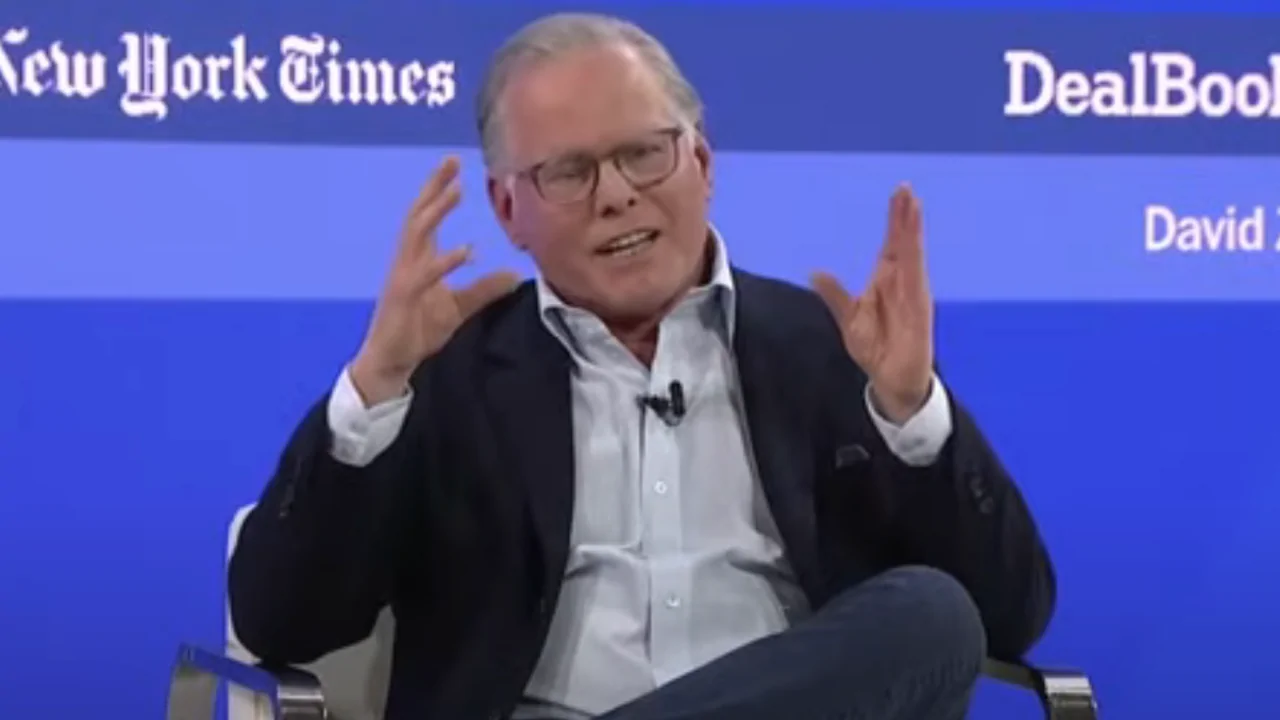
WBD CEO David Zaslav Speaks at a New York Times event – YouTube, New York Times Events
The company warned shareholders that the deal could become the largest leveraged buyout in history, a structure that could saddle the combined company with enormous financial pressure at a time when the media industry is already navigating declining linear television revenues and an increasingly competitive streaming landscape.
Even with Larry Ellison’s multibillion-dollar guarantee, Warner Bros. Discovery expressed concern that the financial engineering behind the deal introduces unacceptable risk for shareholders.
Litigation and Operational Restrictions
Beyond financing concerns, Warner Bros. Discovery also pointed to the legal posture surrounding Paramount’s bid. The company described Paramount Skydance as a potentially litigious counterparty, raising doubts about whether the transaction could be completed smoothly or at all.
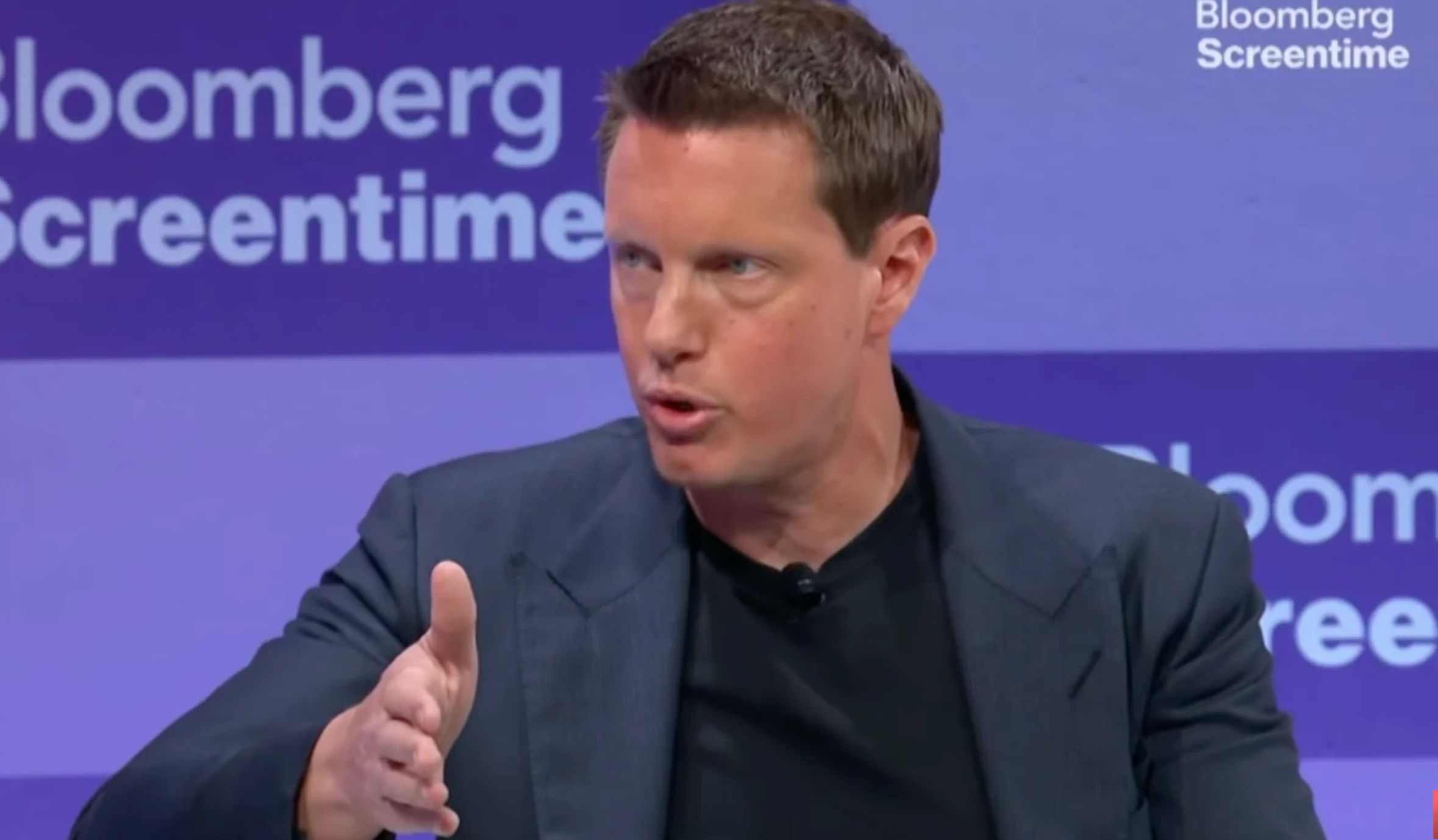
David Ellison in an interview with Bloomberg – YouTube, Bloomberg Podcasts
READ: Barry Keoghan Expected to Return as Joker in ‘The Batman: Part II’
Reports cited by Warner Bros. Discovery suggest that Paramount has explored aggressive legal strategies if the board continues to reject the offer. That prospect alone, the company argues, injects further uncertainty into the proposal and could drag shareholders into a prolonged and costly legal battle.
Additionally, Warner Bros. Discovery warned that the Paramount deal would impose significant operational restrictions. Chief among them is a provision that could block the company’s plans to spin off its cable television assets into a separate entity. If the deal ultimately failed, shareholders could be left with a company constrained from pursuing key strategic initiatives for up to 18 months.
Netflix Deal Still Viewed as Superior
As WB Rejects Paramount, the board continues to emphasize that its previously announced agreement with Netflix remains the superior path forward. That deal involves Netflix acquiring Warner Bros. Discovery’s studio and streaming divisions while allowing the company’s cable assets—such as CNN—to be separated and repositioned independently.
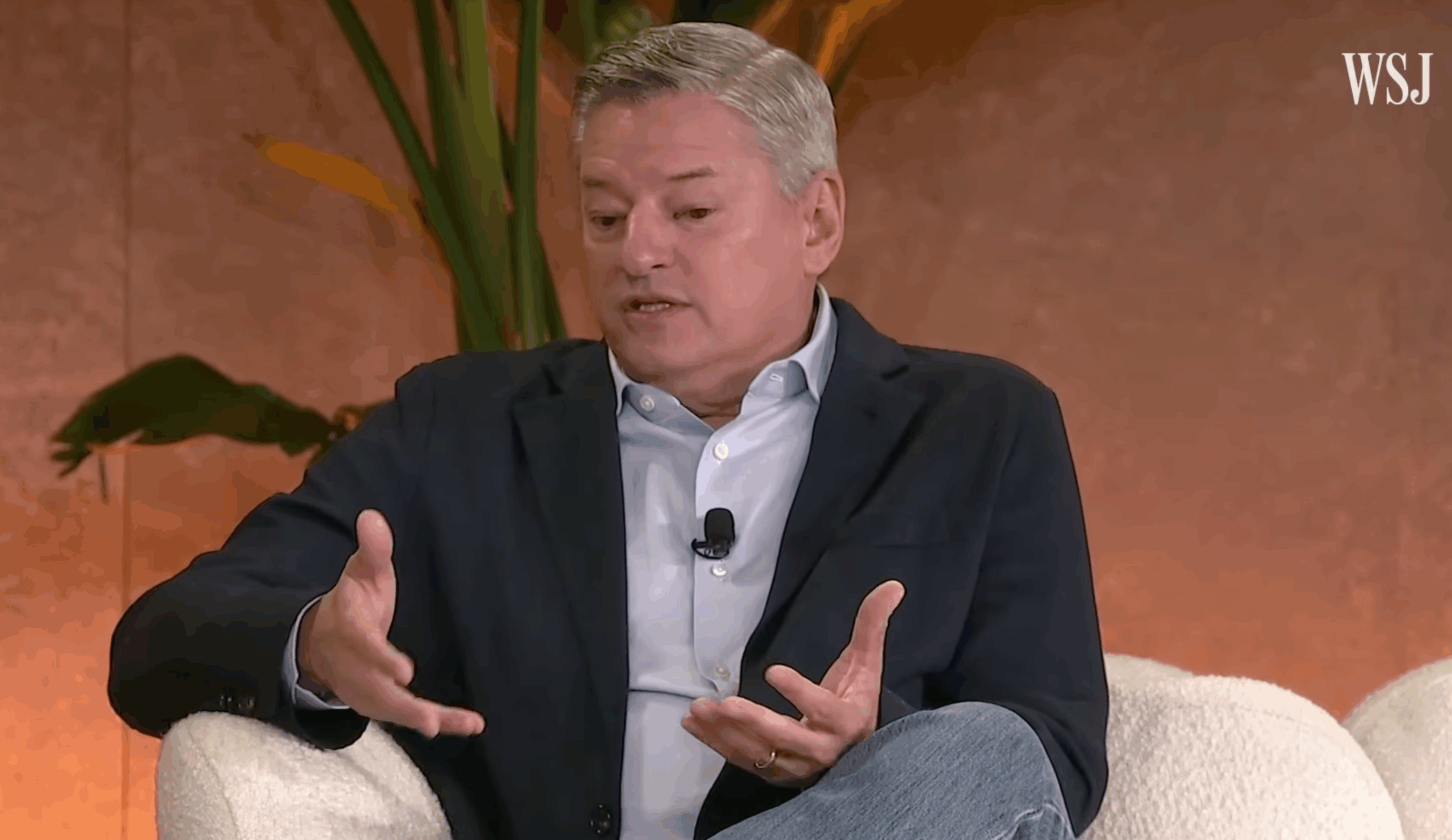
Netflix Co-CEO Ted Sarandos – YouTube, WSJ News
From the board’s standpoint, the Netflix deal offers greater certainty, cleaner execution, and fewer long-term complications than Paramount’s hostile takeover attempt.
Industry and Antitrust Scrutiny
The Paramount bid is also facing broader industry scrutiny. Cinema United, a trade organization representing movie theaters, has raised concerns about both the Netflix and Paramount proposals, warning that either deal could dramatically reshape the theatrical and distribution landscape.

U.S. President Donald Trump sits for an interview with ABC News – YouTube, ABC News
In the case of Paramount’s offer, the group has suggested that the transaction could consolidate a substantial portion of the domestic box office under a single studio, potentially triggering antitrust scrutiny and further delays.
What Happens Next?
With Warner Bros. Discovery publicly urging shareholders to vote down the amended proposal, Paramount’s hostile takeover effort faces a steep uphill battle. Shareholders will ultimately decide whether to side with the board’s recommendation or push forward with Paramount’s bid despite the risks outlined.
For now, the message from Warner Bros. Discovery is unambiguous: WB Rejected Paramount, and the board believes shareholders should do the same.
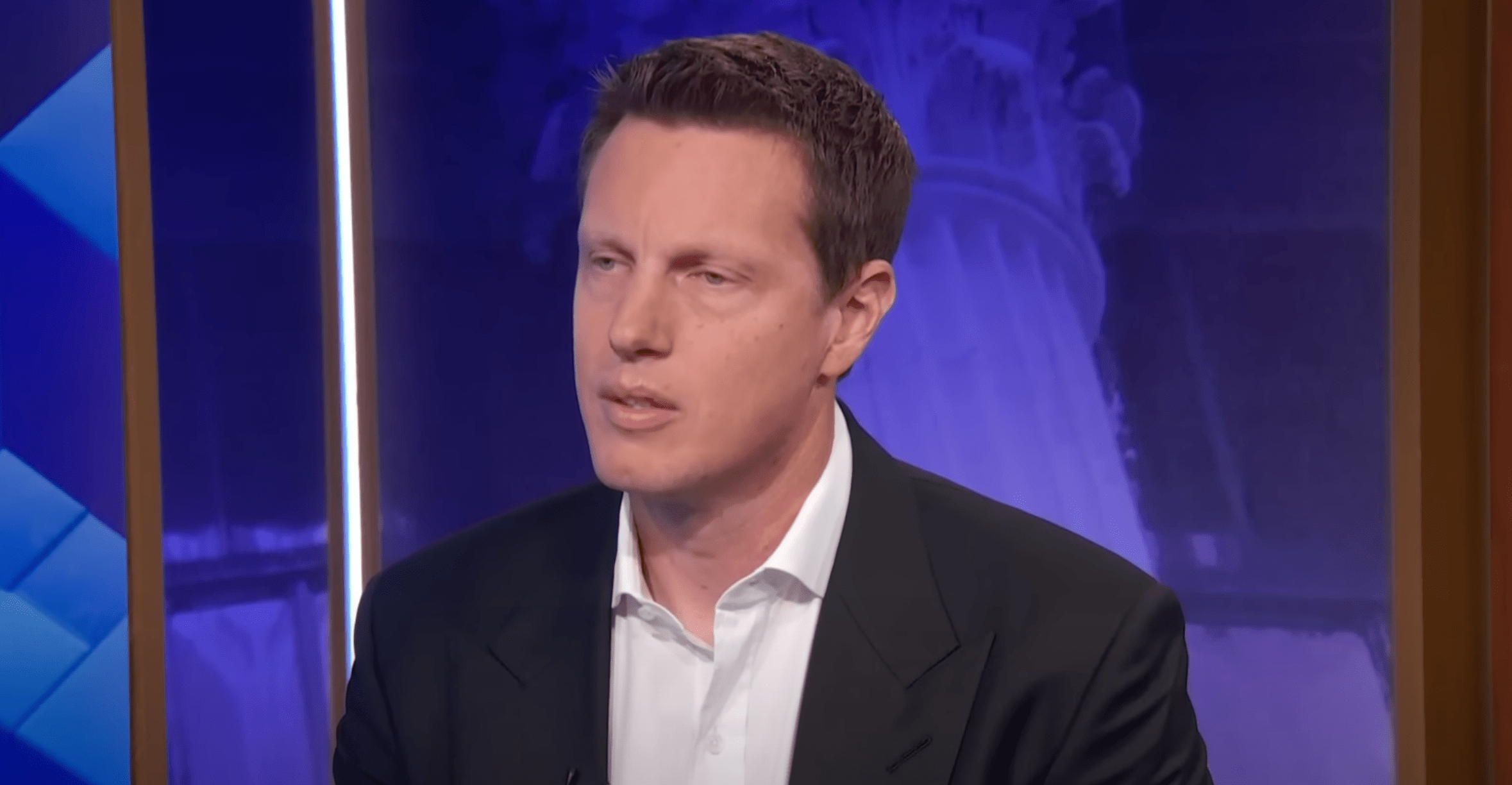
Paramount Skydance CEO David Ellison being interviewed – YouTube, CNBC Television
As the media consolidation fight intensifies, this standoff is shaping up to be one of the most consequential—and contentious—corporate battles in the entertainment industry in years.
As WB rejects paramount, do you think the shareholders will follow suit? Sound off in the comments and let us know!
UP NEXT: Disney Secures Streaming Rights to Back to The Future Trilogy
