


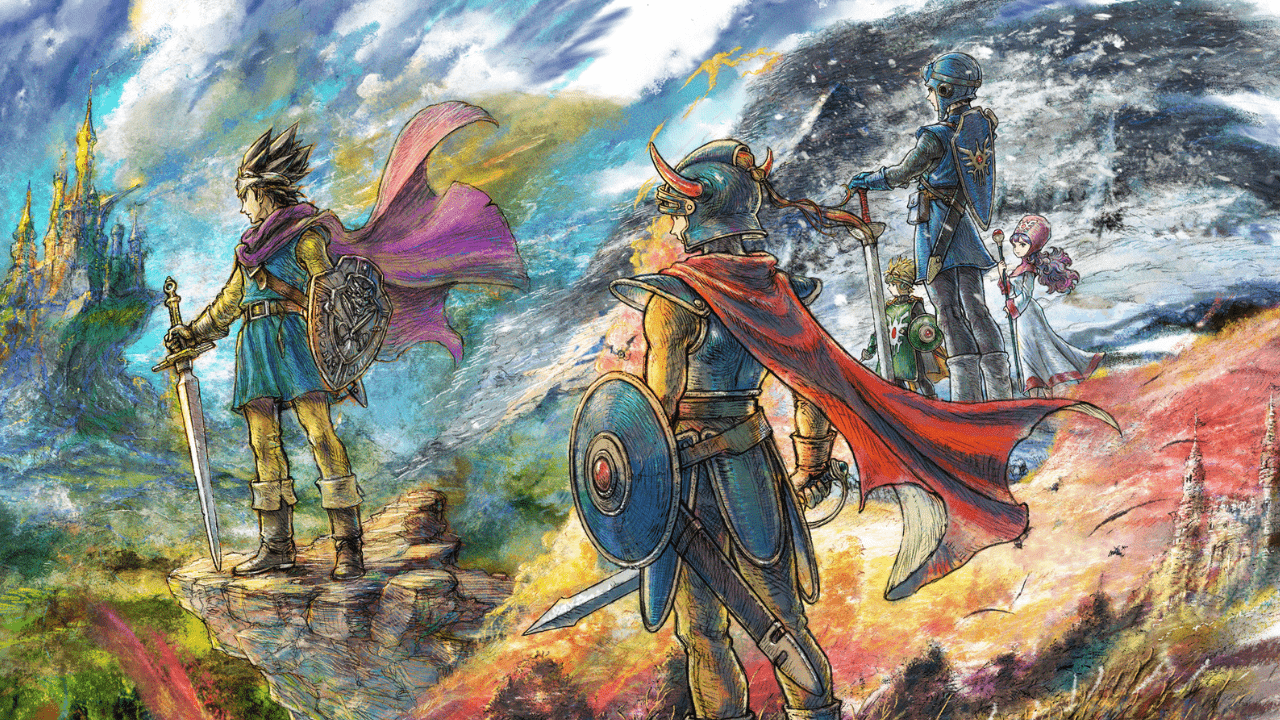
A preview for Square Enix’s Dragon Quest III HD-2D Remake in Weekly Shonen Jump confirms the removal of male and female from the game’s character select.

A screenshot from Dragon Quest III HD-2D Remake, (2024), Square Enix
X user Scratch Point shared the preview and commented, “This preview in the latest issue of Japanese magazine Weekly Shonen Jump confirms Dragon Quest III HD-2D is using Type A & Type B in place of male & female.”
This preview in the latest issue of Japanese magazine Weekly Shonen Jump confirms Dragon Quest III HD-2D is using Type A & Type B in place of male & female. pic.twitter.com/9UHilfFW2w
— Scratch Point (@Scratch_Point_Z) July 9, 2024
This confirmation comes in the wake of a report from Ryokutya2089 who claimed that the game has “no distinction between male and female heroes.”
Ryokutya noted the characters are labeled A and B with the A version appearing like a male hero while the B version is a female hero. Ryokutya even notes that the A version is voiced by male actor Hiyama Nobuyuki while the B version is voiced by Minaguchi Yuko.”
On top of the main character having their sex removed from the character select, Ryokutya also reported that “jobs will also no longer be distinguished by gender in name.”

A screenshot from Dragon Quest III HD-2D Remake, (2024), Square Enix
It’s likely the relabeling of male and female heroes to A and B comes at the request of Square Enix’s ethics department. The ethics department was brought to public attention back in 2019 for the reason why Tifa’s chest was “tightened” in Final Fantasy VII Remake.
The game’s director Tetsuya Nomura discussed the department telling Weekly Famitsu, “We wanted Tifa to have abs, so she now has more of an athletic body type. The ethics department at Square Enix also said we had to tighten her chest so it doesn’t look unnatural during all the intense fighting. Because of that we added black thigh highs and tank top.”
A Square Enix representative would explain the purpose of the Ethics Department to Polygon following Nomura’s comments, “In the Square Enix Japan studios, the Ethics Department is actually a group within the company that evaluates game content to make sure it is aligned with the anticipated age ratings standards across the globe (CERO, ESRB, PEGI, etc). In this case, we want a new generation of gamers to experience Final Fantasy VII Remake and are working very closely with the company’s internal experts to make sure all of the game’s content is appropriate.”
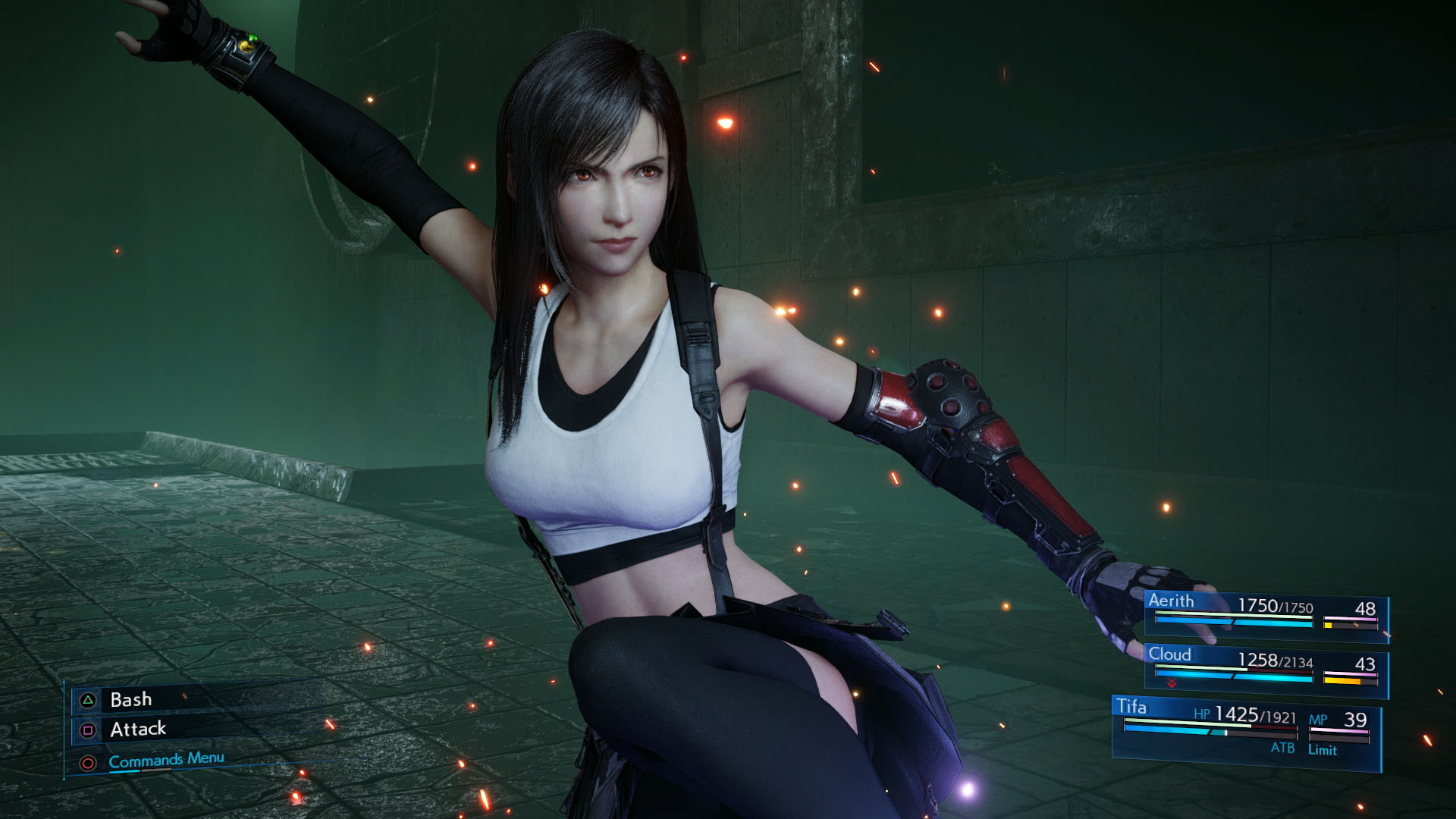
Tifa in Final Fantasy VII Remake (2022), Square Enix
An interview with Square Enix employee Mari Tanabe provided more details on the Ethics Department. As translated via DeepL, Tanabe shared, “After working as a game designer in the development of online games, I am now a member of the Quality Control Department’s Ethics Team, where I check all games developed by our company for expressions from an ethical perspective. Specifically, I check all game expressions, including scenarios, illustrations, designs, and effects, to ensure that they do not contain expressions that are discriminatory, prejudicial, or offensive, and that they are in compliance with ratings.”
She added, “In addition to the large number of games we are involved with, the length of time we are involved with each game is also a unique feature of our work. We are involved in the game from the planning stage and continuously check the game many times as the development progresses, which gives us a great sense of accomplishment when the game is successfully launched.”
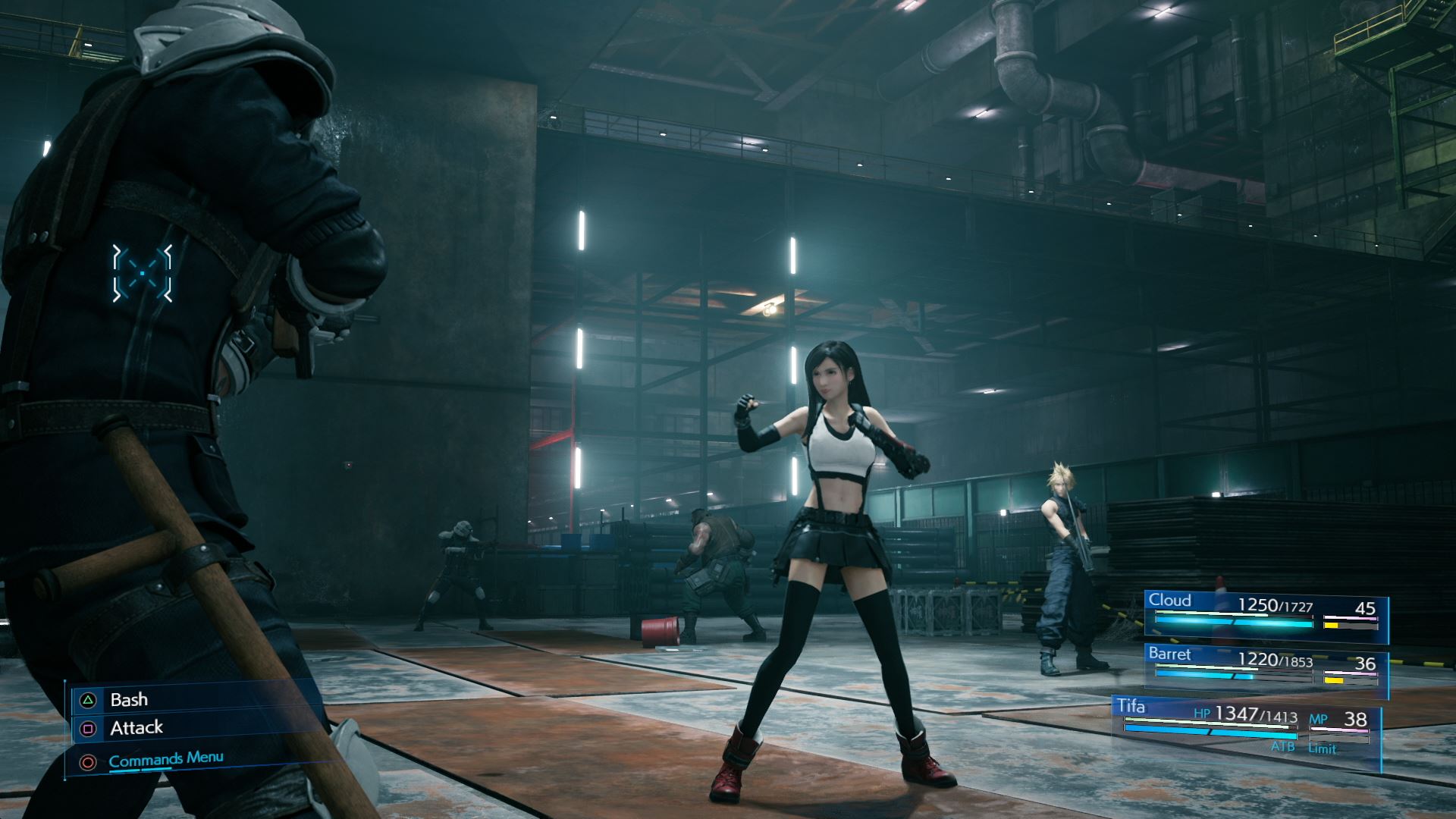
Tifa in Final Fantasy VII Remake (2022), Square Enix
Furthermore, she shared, “The Ethics Team’s job is to make corrections to what the developers have seriously created. Therefore, you are expected to take responsibility for your decisions. The difficulty in checking expressions in entertainment is that it is not enough to serve only to make a ‘Mal or Batu’ decision. For example, if a certain expression is not acceptable, you need to be able to come up with an alternative expression that would be acceptable.
“What I try to keep in mind in this job is that my work is not ‘memorable’ to the user, in a positive sense,” she continued. “For example, if there is a typo in the scenario of an emotional scene in the game, or if there is an expression that makes the user feel uncomfortable, it will spoil the experience of the game. The fact that my work went unnoticed by users after the game’s release also means that I did my job correctly. Although I work behind the scenes, when a game I was involved in is released and is highly acclaimed, I feel as if my work is being praised, which makes me happy.”
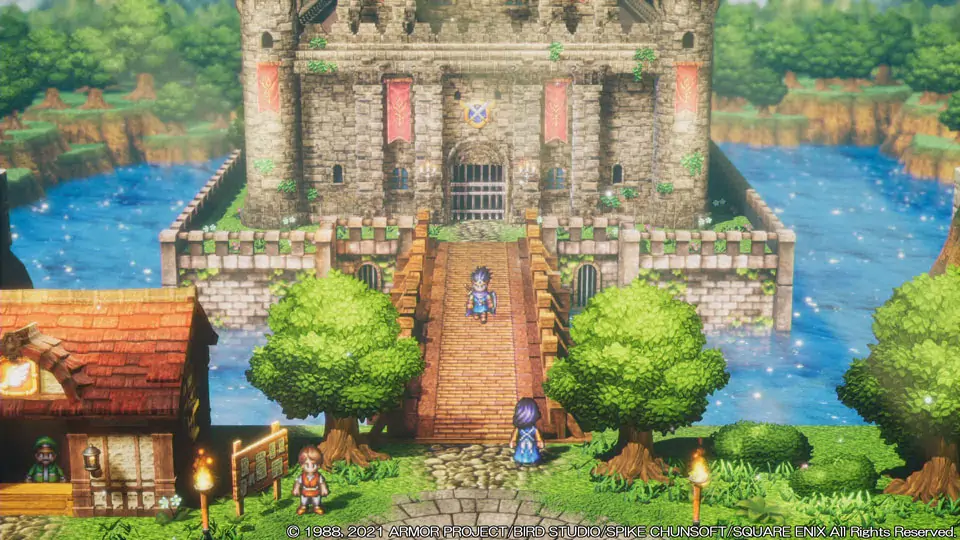
A screenshot from Dragon Quest III HD-2D Remake, (2024), Square Enix
READ: Sweet Baby Inc. CEO And Co-Founder Kim Belair Compares White Male Gamers To Picky Babies
It’s also possible that this change might have something to do with the fact that consultancy Sweet Baby Inc. lists Square Enix as one of their clients. Sweet Baby Inc. CEO Kim Belair made it abundantly clear that her company’s goal was to inject divisive themes into video games.
During a 2019 presentation at the Game Developers Conference she said, “None of what we’re doing is about ticking boxes or about a veneer of wokeness. We actually have to care about making this stuff.”
What do you make of this confirmation that the game has removed male and female character options and instead just lists them as A and B?
NEXT: Square Enix Shareholder Questions Company About Sweet Baby Inc.’s Involvement
