


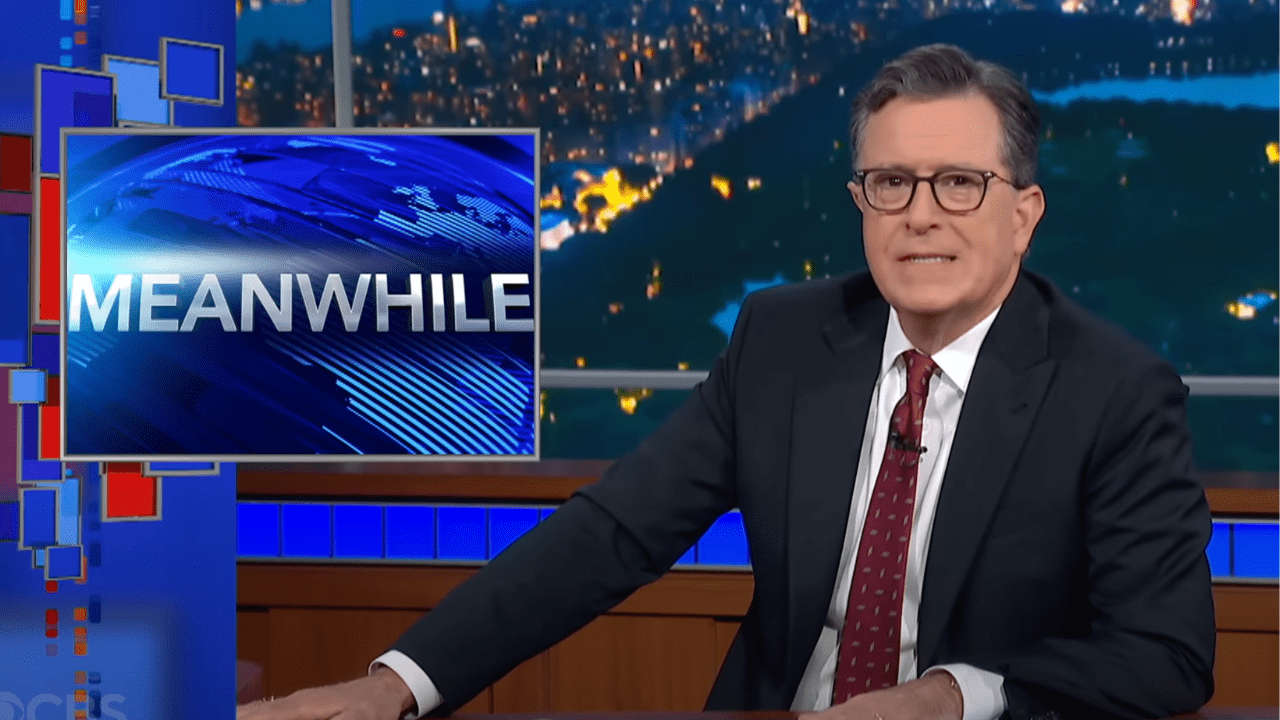
The Writers Guild of America (WGA) has demanded investigations into CBS over its decision to cancel The Late Show with Stephen Colbert in 2026. The union is baselessly alleging political foul play tied to President Donald Trump, but mounting evidence points to a far simpler explanation.
The show was a financial black hole, bleeding millions annually in an era where late-night TV is increasingly irrelevant.
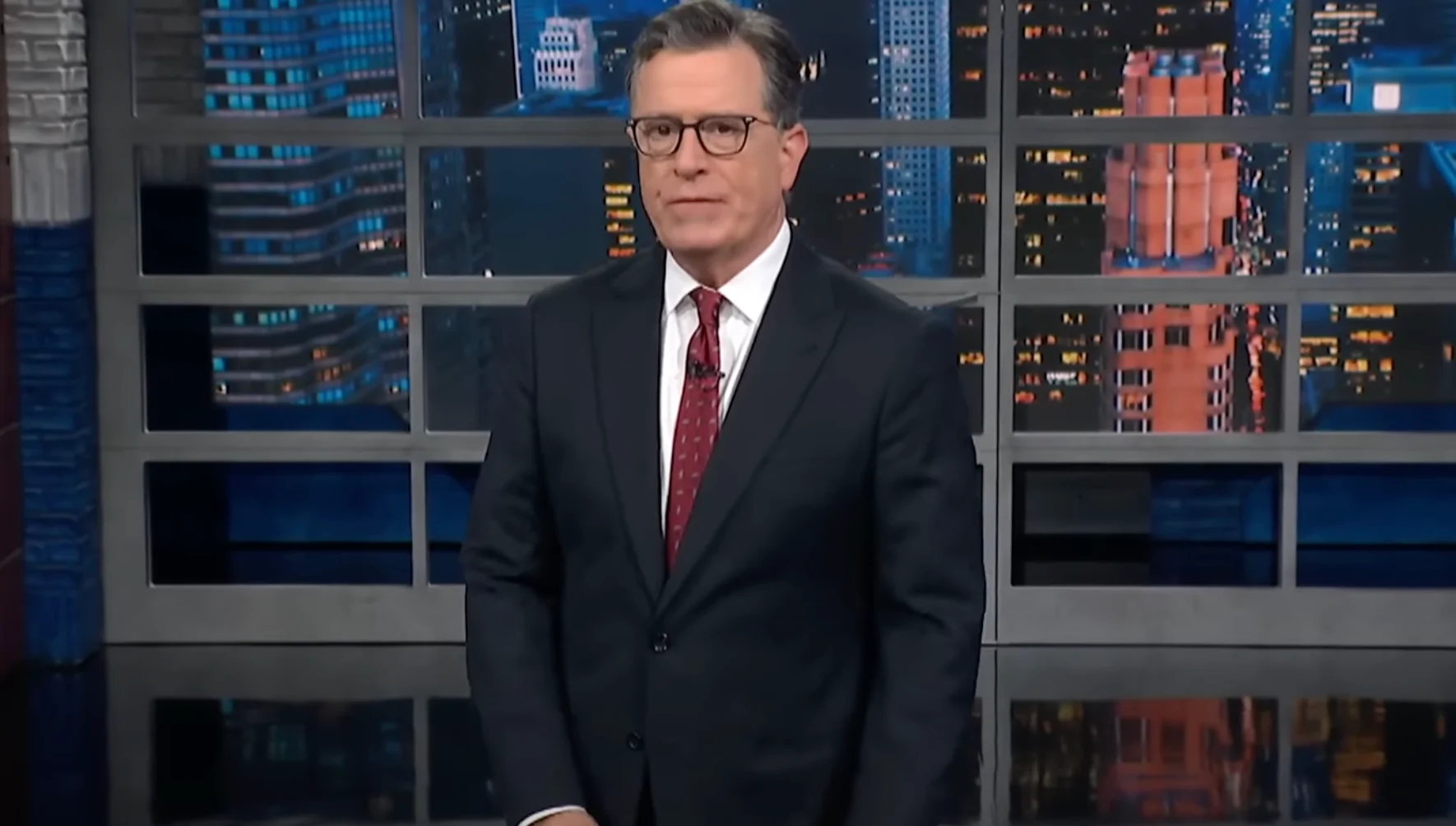
Stephen Colbert on The Late Show With Stephen Colbert – YouTube, The Late Show With Stephen Colbert
CBS announced the cancellation on July 17, 2025, just days after Colbert mocked his own network’s parent company, Paramount Global, for settling a $16 million defamation lawsuit with Trump over a 60 Minutes interview. Trump claims the true value of the settlement is closer to $35 million.
Paramount insisted the decision was “purely a financial decision against a challenging backdrop in late night,” unrelated to the show’s content or performance. Yet the WGA, in a joint statement from its East and West branches, cried foul, claiming the timing suggested “a corporation terminating a show in bad faith due to explicit or implicit political pressure.”
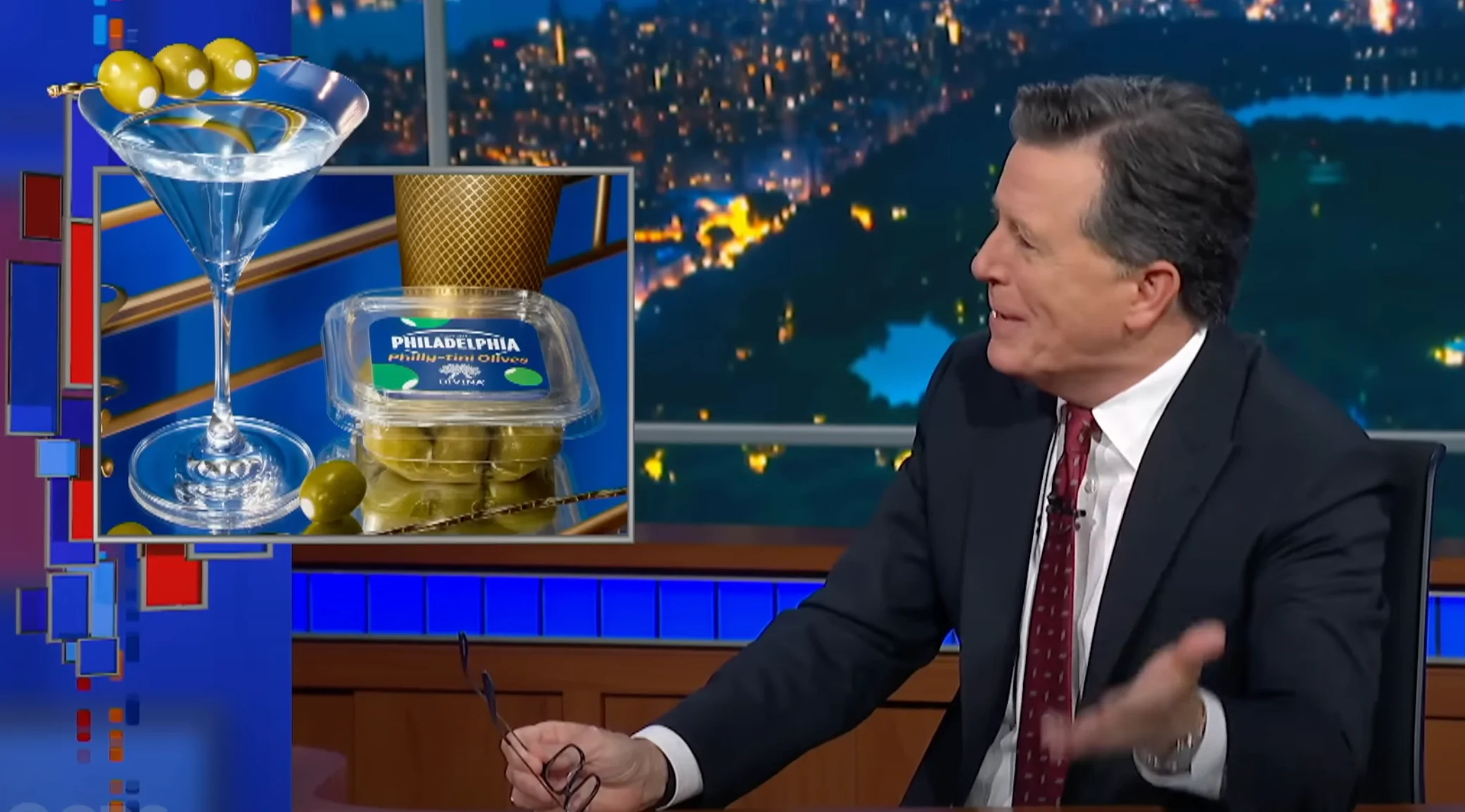
Stephen Colbert on The Late Show With Stephen Colbert – YouTube, The Late Show With Stephen Colbert
They went as far as urging New York Attorney General Letitia James and California officials to probe for potential bribery, framing the cancellation as a sacrifice of “free speech to curry favor with the Trump Administration” amid Paramount’s proposed merger with Skydance.
The WGA’s statement highlights Colbert’s July 15th monologue where he called the Trump settlement a “big fat bribe,” implying retaliation. But industry insiders paint a different picture.
According to Puck journalist Matthew Belloni, The Late Show cost over $100 million per year to produce and routinely lost CBS around $40 million annually—a staggering deficit in a shrinking ad market dominated by streaming and social media. Belloni’s reporting, echoed across outlets, shows that late-night shows are no longer the cash cows they once were, with declining viewership and ad revenue making them unsustainable luxuries.
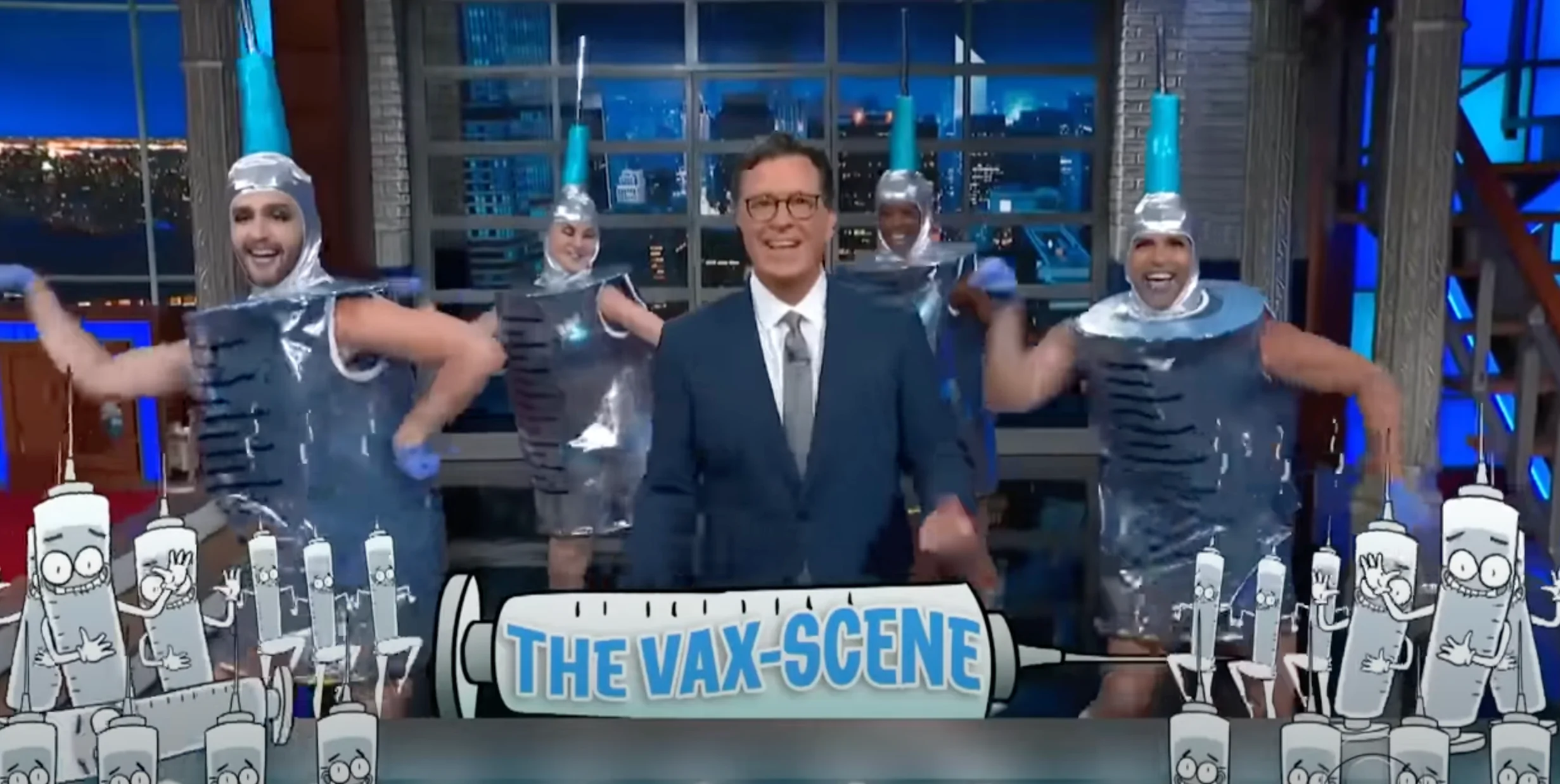
Stephen Colbert dances around with human needles – YouTube, The Late Show With Stephen Colbert
Critics of the WGA’s stance argue it’s a desperate attempt to politicize a business decision, ignoring the broader collapse of traditional late-night TV. As one report noted, even if politics played a role, the financials alone justify the axe.
“The timing and optics are terrible, but Stephen Colbert’s show costs more than $100M a year to produce and is losing more than $40M a year,” Belloni said on Bluesky. Conservative commentators have seized on this, with President Trump himself celebrating the news, reportedly stating he “loves that Colbert got fired,” viewing it as a win against years of relentless mockery from the host.
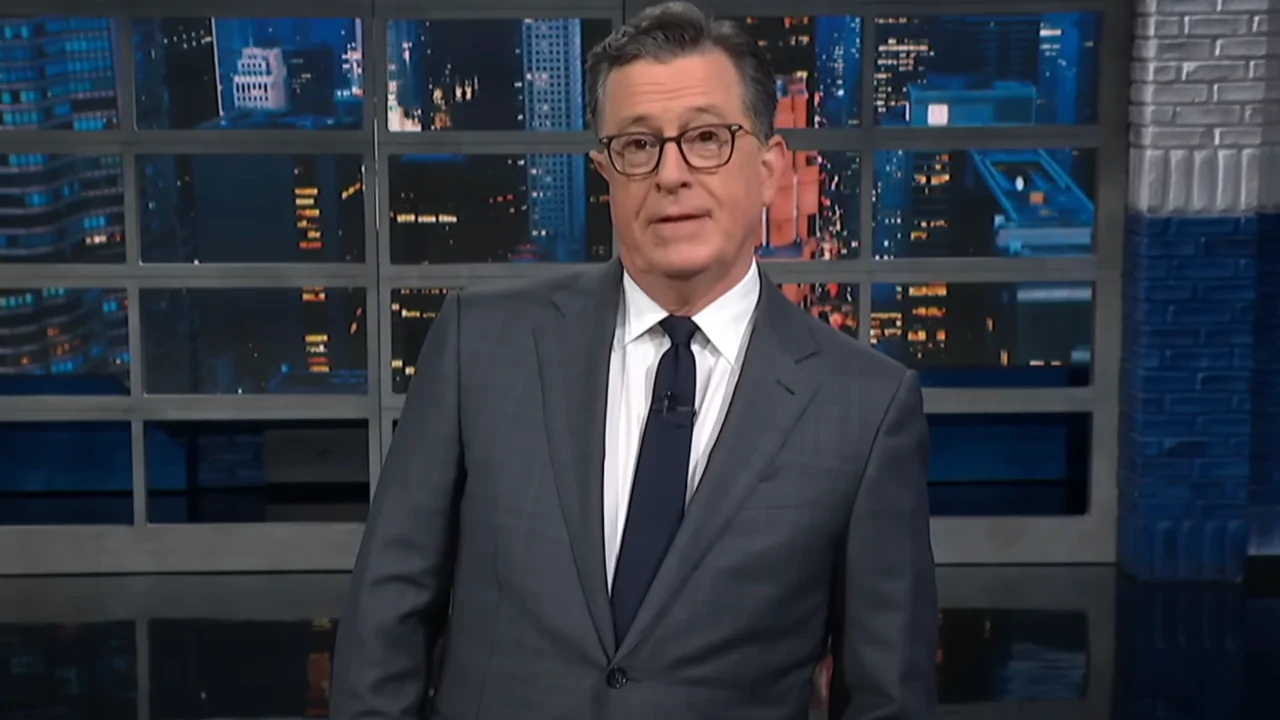
Stephen Colbert Delivers a Monologue on The Late Show – YouTube, The Late Show With Stephen Colbert
The union’s call for investigations—invoking “relentless attacks on a free press by President Trump”—comes amid broader Republican efforts to defund public broadcasting like PBS and NPR, which the WGA ties into its case.
But this overlooks Paramount’s explicit denial and the show’s own staffers’ skepticism, some of whom anonymously admitted the financial strain was well-known internally. CBS co-CEO George Cheeks emphasized that Colbert is “irreplaceable,” and the network plans to retire the franchise rather than recast, a clear signal that the format is seen as outdated by the network.
Skeptics point out the hypocrisy. Hollywood unions like the WGA have long championed creative freedom, yet here they’re championing a supposed scandal to protect a high-profile gig that’s hemorrhaging money. As media analyst Megyn Kelly put it, the show’s anti-Trump bent may have alienated viewers, contributing to its financial woes, but ultimately, “it’s a failure” in the ratings game.

Megyn Kelly on YouTube – YouTube, Megyn Kelly
Other late-night hosts, like Jimmy Kimmel, have voiced outrage, but their shows face similar pressures in a fragmented entertainment landscape.
In the end, the WGA’s push for probes may backfire, highlighting union overreach rather than corporate malfeasance.
As late-night TV grapples with irrelevance—evidenced by falling audiences and rising costs—blaming Trump feels like a convenient deflection from hard economic truths. Paramount’s merger hangs in the balance, but canceling a money-loser like The Late Show is just smart business, not a political hit job.
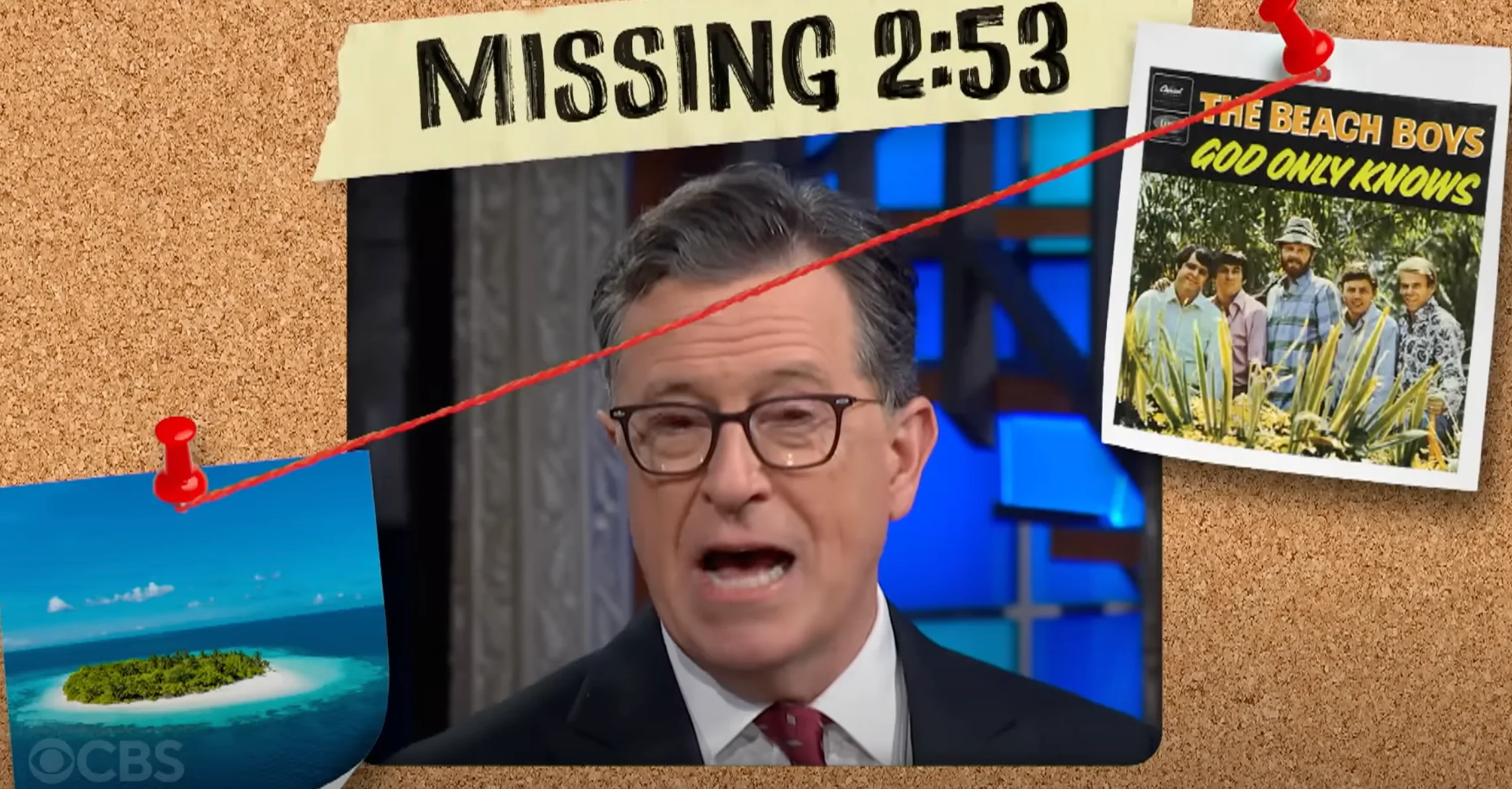
Stephen Colbert on The Late Show With Stephen Colbert – YouTube, The Late Show With Stephen Colbert
If anything, this saga exposes Hollywood’s bubble, where financial accountability takes a backseat to ideological grandstanding.
How do you feel about the WGA calling for investigations into CBS over the Colbert cancellation? Sound off in the comments and let us know!
UP NEXT: Ryan Coogler’s ‘Sinners’ Inherited the Scrapped ‘Blade’ Reboot’s Wardrobe
