


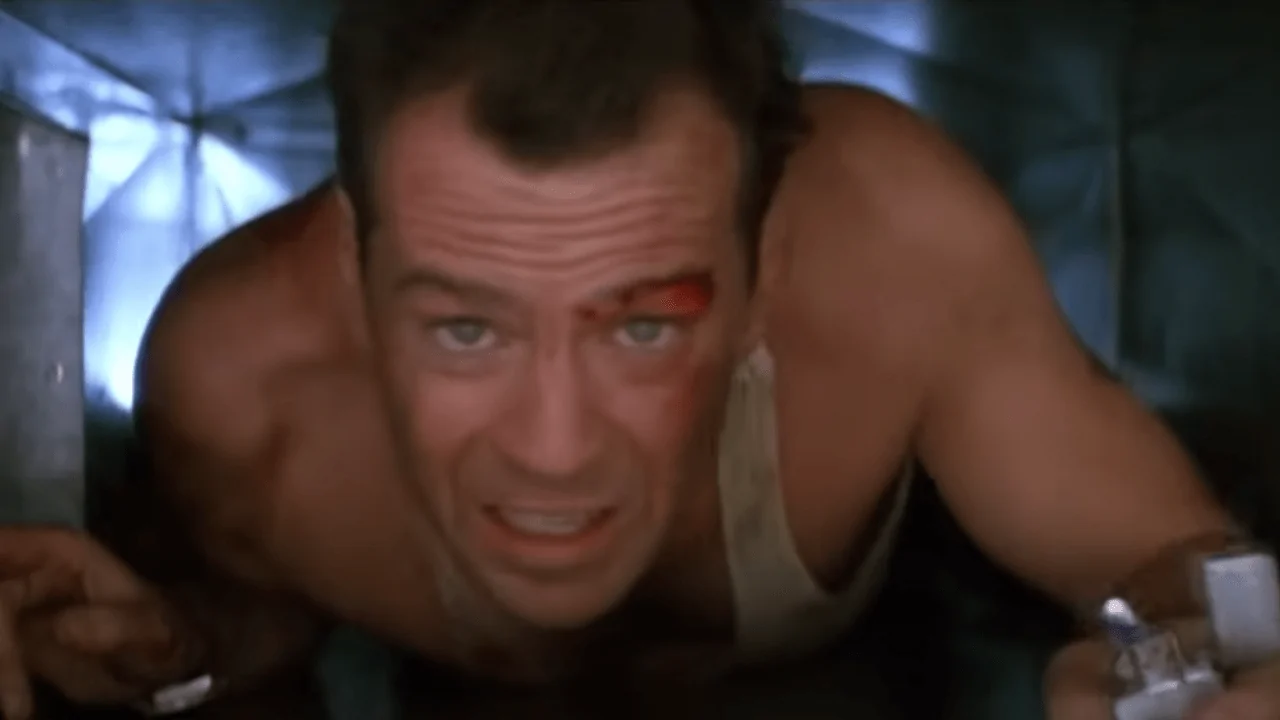
For decades, a perennial holiday debate has echoed through internet forums, office parties, and family gatherings: Is Die Hard a Christmas movie? Despite the ritualistic enthusiasm with which some defend its “holiday classic” status, the evidence tells a different story.
(This might be the most controversial editorial I’ve ever written in 20 years as a professional journalist…)
At its core — thematically, narratively, and culturally — Die Hard is not a Christmas movie.
To be clear: this isn’t me trying to tell you that you’re wrong if you enjoy this movie at Christmas. Your traditions are yours, and they’re 100% valid. It’s simply my opinion that Die Hard is not a Christmas movie.
Let’s break down why.
1. A Christmas Setting ≠ a Christmas Movie
Yes, Die Hard takes place on Christmas Eve. There are Christmas trees. John McClane wears a Santa hat at one point. Holiday music briefly plays in the background.
But a Christmas backdrop does not transform a film into a Christmas story.
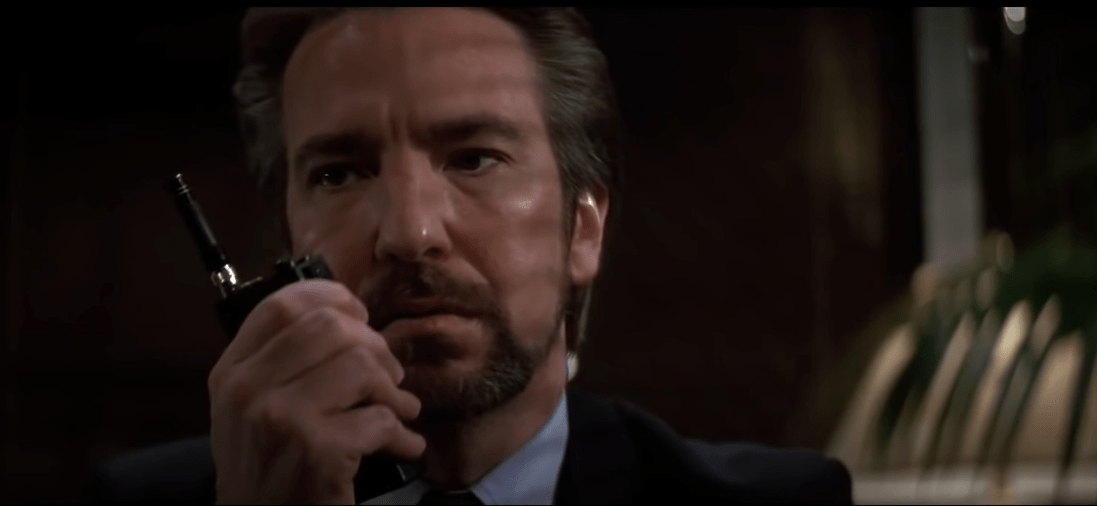
Alan Rickman as Hans Gruber in Die Hard (1988), 20th Century Fox
A movie set during Christmas isn’t automatically about Christmas. Boogie Nights takes place around the holidays — but no one claims it’s a Christmas movie. Likewise, Iron Man 3 occurs over Christmas break, but its themes are not rooted in the holiday.
The question isn’t When does it happen?
The question is What is it about?
2. The Narrative Isn’t About Christmas
A Christmas movie — by definition — explores themes central to the holiday:
- Family reunion (Yes, there’s some of that here but not nearly enough)
- Generosity
- Goodwill and redemption
- Holiday spirit overcoming adversity
Die Hard is an action thriller about a cop trying to save hostages from villains.
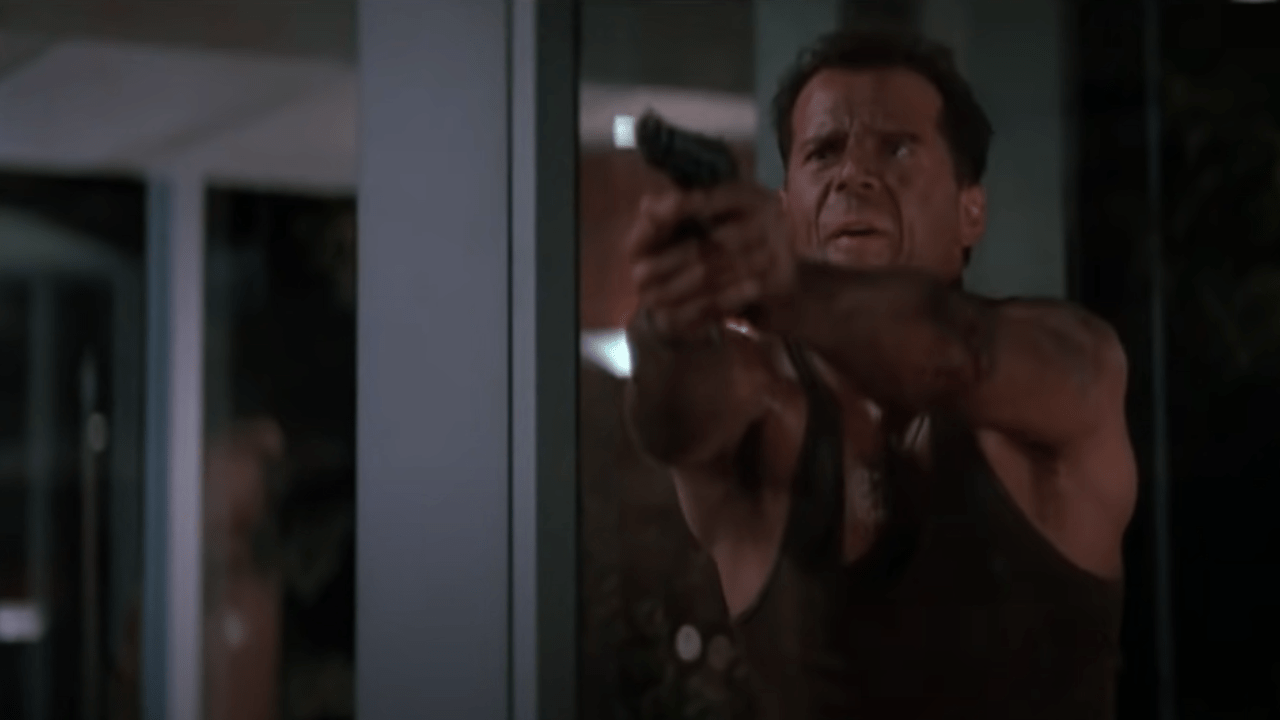
Bruce Willis as John McClane in Die Hard (1988), 20th Century Fox
Christmas in Die Hard is incidental, not essential.
If you remove the Christmas elements, the core story remains unchanged:
- Villains take over a building.
- McClane fights them.
- McClane saves his wife.
This is a generic action plot. The holiday has no thematic influence on the protagonist’s journey.
3. Thematic Dissonance
Christmas movies typically affirm human connection and emotional warmth.
Compare:
- It’s a Wonderful Life — rediscovery of value, community, and love.
- Home Alone — a child learning to appreciate family through comedic peril.
- A Christmas Carol — redemption and transformative compassion.
Die Hard offers none of these. Instead, it delivers explosions, gunfights, and wisecracks. Its emotional arc isn’t about Christmas spirit — it’s about McClane reconciling with his wife because they always were a couple in trouble, not because Christmas magically fixed everything.
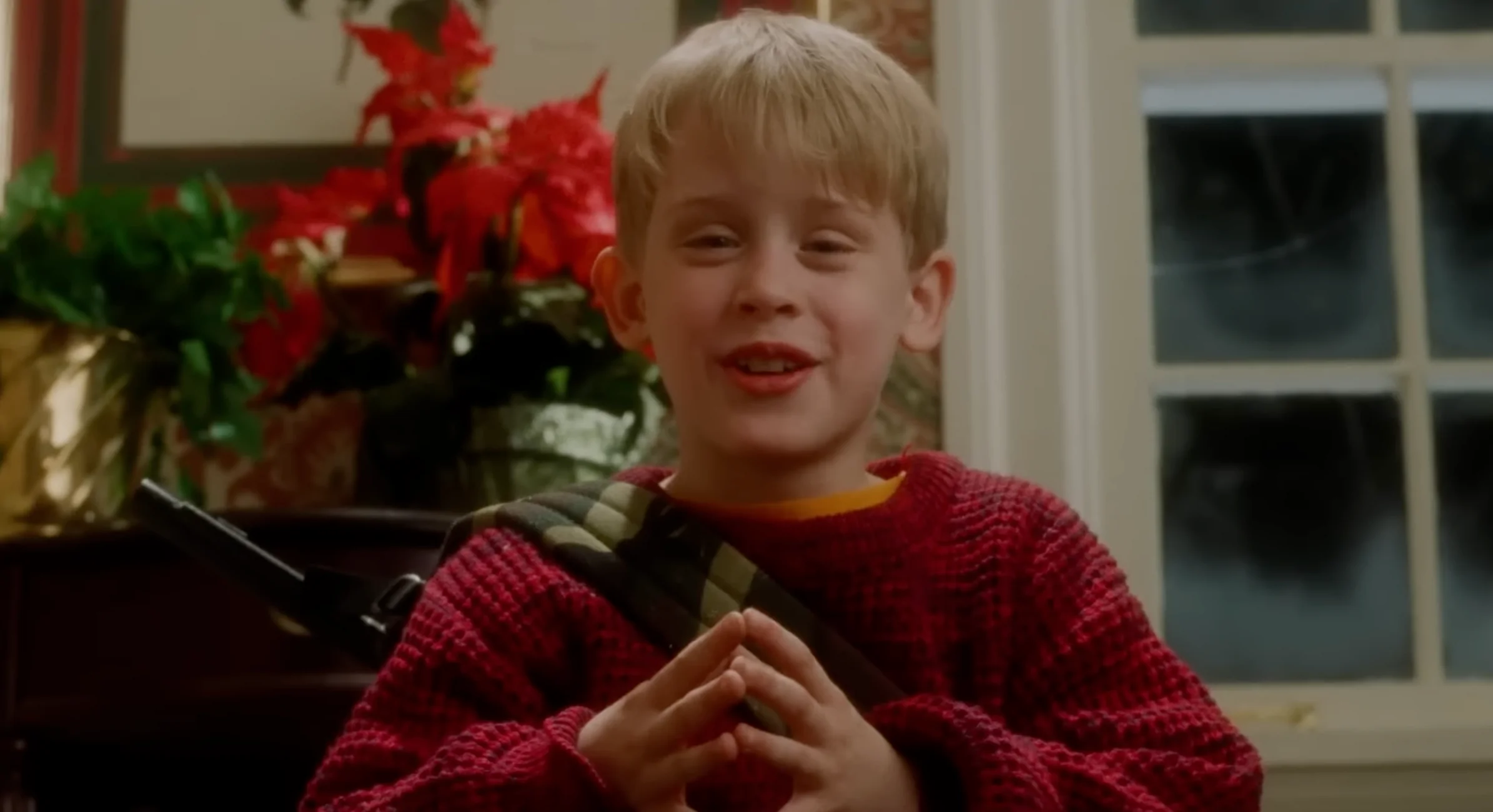
Kevin asks Harry and Marv if they’re “Thirsty for more” in Home Alone – Disney+
The holiday does not inspire transformation — it merely provides timing.
4. Audience Usage vs. Narrative Intention
Fans point to traditions — watching Die Hard every December — as proof it’s a Christmas movie.
But audience ritual does not redefine artistic intent or genre.
People watch Jaws every summer — that doesn’t make it a “summer movie” in genre; horror films are watched around Halloween but they’re not slavishly rooted between September and October.
Genre is grounded in narrative purpose, not seasonal tradition.
The film’s creators never marketed it as a Christmas movie (it didn’t even release at Christmas!). It was pitched and produced as an action film.
5. Genre Trumps Setting
Genre is determined by thematic focus and emotional core, not calendar placement.
Die Hard is:
- An action thriller
- A hostage-rescue narrative
- A buddy-and-bad-guys shoot-’em-up
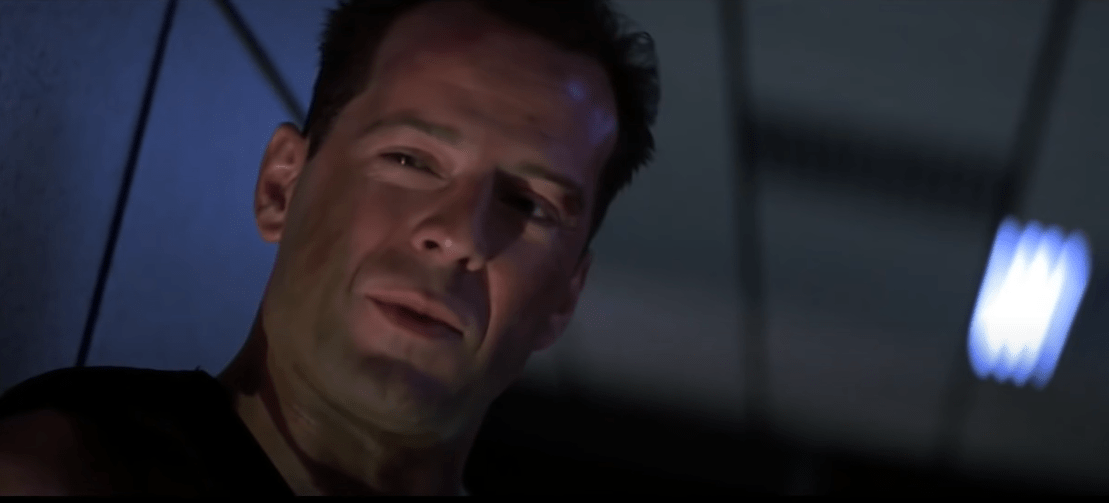
Bruce Willis as John McClane in Die Hard (1988), 20th Century Fox
It is not:
- a holiday tale
- a film about the spirit of giving
- a movie where Christmas changes the characters in meaningful ways
6. Holiday Elements Are Cosmetic
Let’s list what Die Hard borrows from Christmas:
- One Christmas party.
- A tree and decorations.
- A “ho ho ho” note.
- A seasonal pop song or two.
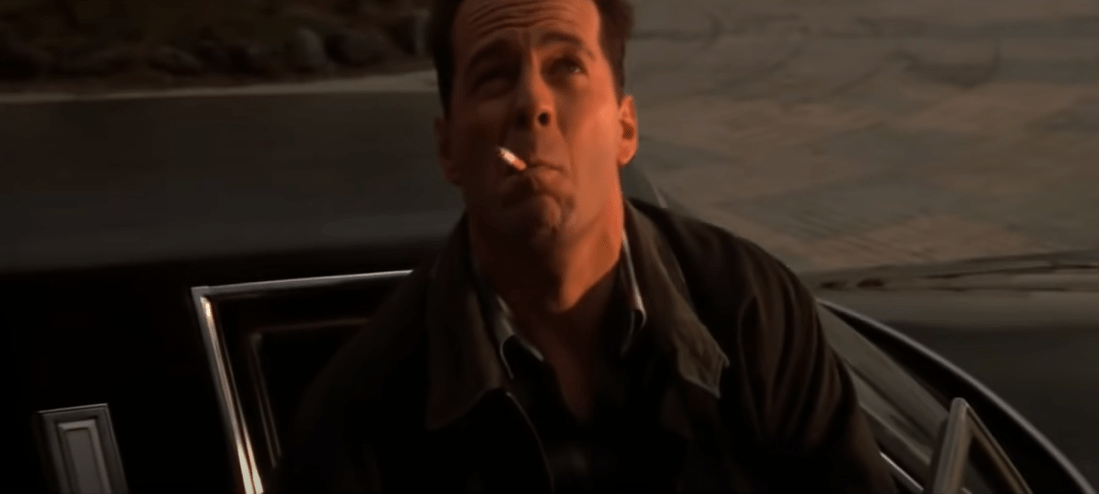
Bruce Willis as John McClane in Die Hard (1988), 20th Century Fox
Compare that with the defining features of Christmas movies: central plot driven by Christmas meaning — not incidental décor.
The holiday is a decorative layer, not the structural beam.
Conclusion
Die Hard is a beloved action film that happens to take place during Christmas. That does not make it a Christmas movie in any meaningful, definitional, or thematic sense.
It’s like saying Home Alone 2 is a Christmas movie because it begins with holiday spirit — and then delivers a plot hollowed out by mall mayhem and paint cans to the head.
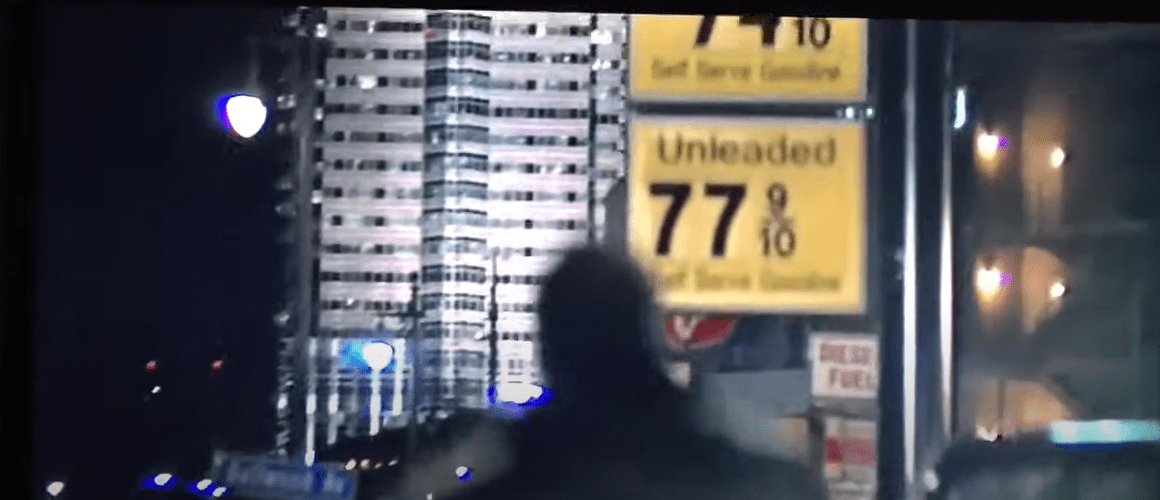
Reginald VelJohnson as Sgt. Al Powell takes in the view of Nakatomi Plaza in Die Hard (1988), 20th Century Fox
Setting ≠ Theme. Christmas ≠ Genre.
Die Hard is a great action movie, and that’s worth celebrating — but it’s not a Christmas movie. That also doesn’t mean you can’t enjoy it at Christmas or make it a part of your family’s Christmas traditions.
So if you’re one of those people who can’t deck the halls until Hans Gruber falls off Nakatomi Plaza, then Yippie Ki-Yay and Merry Christmas to you and yours!
UP NEXT: Steve Rogers Returns in First Avengers: Doomsday Trailer — But Does Anyone Care at This Point?
