



For much of the past two years, Hollywood has shown signs of retreating from the identity-focused initiatives that dominated much of the entertainment industry during the early 2020s. Corporate diversity programs have been restructured, studios have become more cautious about political messaging, and the number of films featuring Pride-centric characters has declined.
President Donald Trump’s reelection in 2024 accelerated this cultural shift, creating an environment in which companies like Disney began reconsidering policies they had previously embraced.
But following the Democratic Party’s sweeping victories in the 2026 midterm elections, a significant question now hangs over Hollywood: Will so-called “woke” identity politics make a comeback to entertainment in 2027?
The answer could affect everything from corporate diversity programs to the characters, stories, and established franchises that reach movie theaters and streaming services.
However, entertainment executives considering a return to their previous approach should remember one important fact.
The consumers who rejected those projects haven’t disappeared simply because Democrats won an election.
Democrats’ Midterm Victories Change the Political Landscape
The November 3 midterm elections delivered a major setback for President Trump and Republicans, with Democrats winning control of both chambers of Congress.
Democrats captured congressional seats in traditionally Republican territory, including victories in states such as Texas, Kansas, and South Carolina.
The results represent a substantial political reversal following Trump’s return to the White House. However, the reasons behind the Democratic victories are important when considering their potential cultural implications.

President Trump deliver the 2026 State of the Union Address – Fox News, YouTube
Economic dissatisfaction, rising living costs, concerns about the administration’s policies, and supposed frustration with the direction of the country were among the major issues influencing voters.
Those concerns aren’t necessarily connected to whether Americans want more identity-focused entertainment.
Nevertheless, Hollywood executives operate in an environment heavily influenced by politics, activist organizations, shareholders, and corporate expectations.
The question is whether Democratic control of Congress will encourage entertainment companies to reconsider the cultural and creative changes that followed Trump’s reelection.
Hollywood’s Retreat From Identity Politics Was Already Underway
Trump’s return to office in January 2025 coincided with a broader retreat from DEI initiatives across corporate America.
Major corporations began restructuring diversity programs, reconsidering demographic objectives, and reducing their public emphasis on identity-based policies.
Disney became one of the most prominent examples.
In February 2025, Axios reported that Disney was modifying its diversity initiatives, including replacing a diversity-related executive compensation factor with a broader Talent Strategy category.
The company also discontinued its Reimagine Tomorrow initiative and adjusted the presentation of content advisories accompanying certain older films on Disney+.
Jimmy Kimmel: “After all of the talk about Nicki Minaj’s ass, John Husted’s ass. The only ass on Trump’s mind tonight is the one that got handed to him.” https://t.co/e3gzF6oDdI
— LateNighter (@latenightercom) November 4, 2026
These changes were significant, particularly considering Disney’s previous involvement in cultural controversies and its highly publicized political dispute with Florida Governor Ron DeSantis.
However, the broader transformation extended beyond corporate employment policies.
Hollywood was also facing growing questions about how identity-focused priorities had influenced creative development.
Critics argued that studios had increasingly emphasized demographic representation, contemporary political messaging, and the reinterpretation of established characters instead of concentrating on compelling stories.
Those concerns became especially pronounced within major franchises such as Star Wars, Marvel, and Disney’s live-action adaptations.
Whether every criticism was justified is another matter. Poor writing, inflated production budgets, franchise fatigue, and ineffective marketing have all contributed to Hollywood’s commercial difficulties.
But the growing controversy surrounding identity-focused entertainment became a business issue that studios could no longer easily dismiss.
Pride Representation Has Been Declining in Hollywood Films
One of the clearest measurable changes involves the presence of LGBTQ characters in major theatrical releases.
According to GLAAD’s 2026 Studio Responsibility Index, as reported by, LGBTQ representation in films released by major distributors declined for the third consecutive year.
Of the 225 films examined from 2025, just 46 featured LGBTQ characters, representing approximately 20.4% of releases.
That was down from 28.5% in 2023.
The report also found that none of the films examined featured transgender characters.
These figures suggest a measurable retreat from the emphasis on LGBTQ representation that characterized parts of Hollywood’s earlier creative strategy.
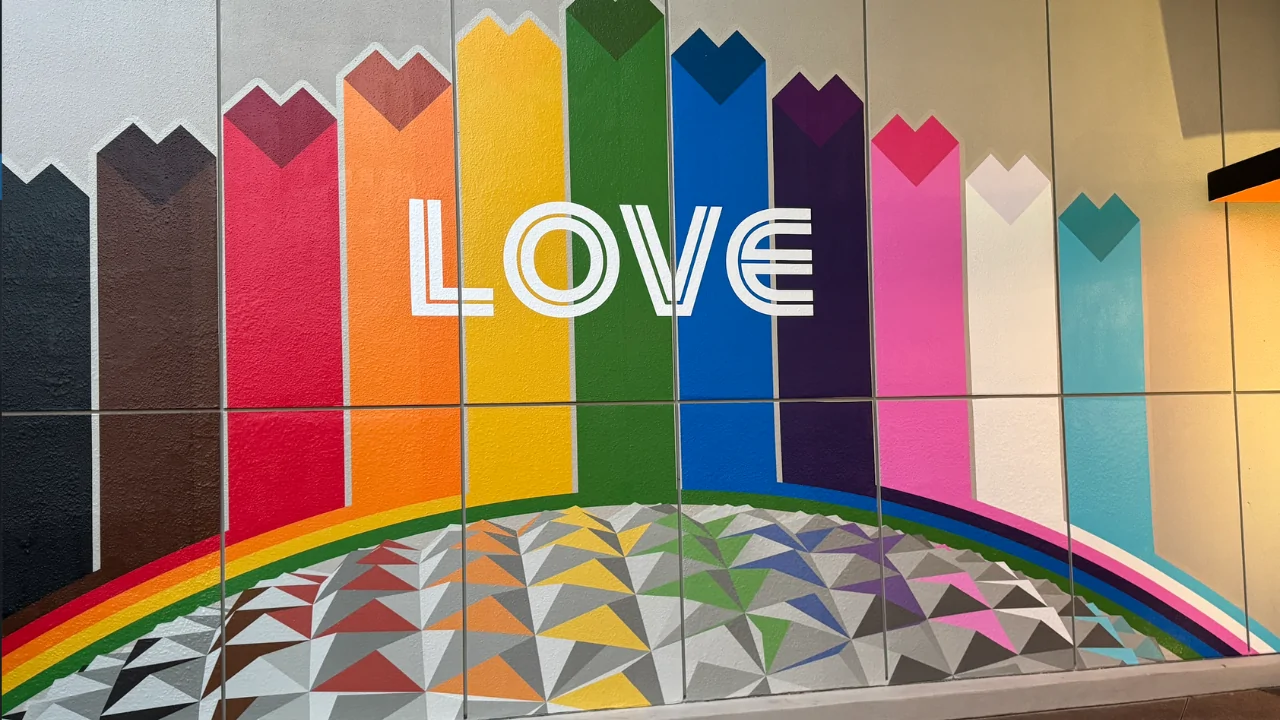
The PRIDE mural in EPCOT – Photo Credit: That Park Place
Television presents a more complicated picture.
GLAAD’s November 2025 television report counted 489 LGBTQ regular and recurring characters during the 2024–2025 television season, an increase of 4% from the previous year.
However, the organization also found that 201 of those characters, representing 41% of the total, were not expected to return because of cancellations, series endings, limited-series formats, or character departures.
Representation on traditional broadcast and cable television declined, even as streaming services recorded increases.
The findings don’t establish that Trump’s presidency directly caused these changes. Hollywood’s broader production contraction, television cancellations, and financial pressures are also relevant.
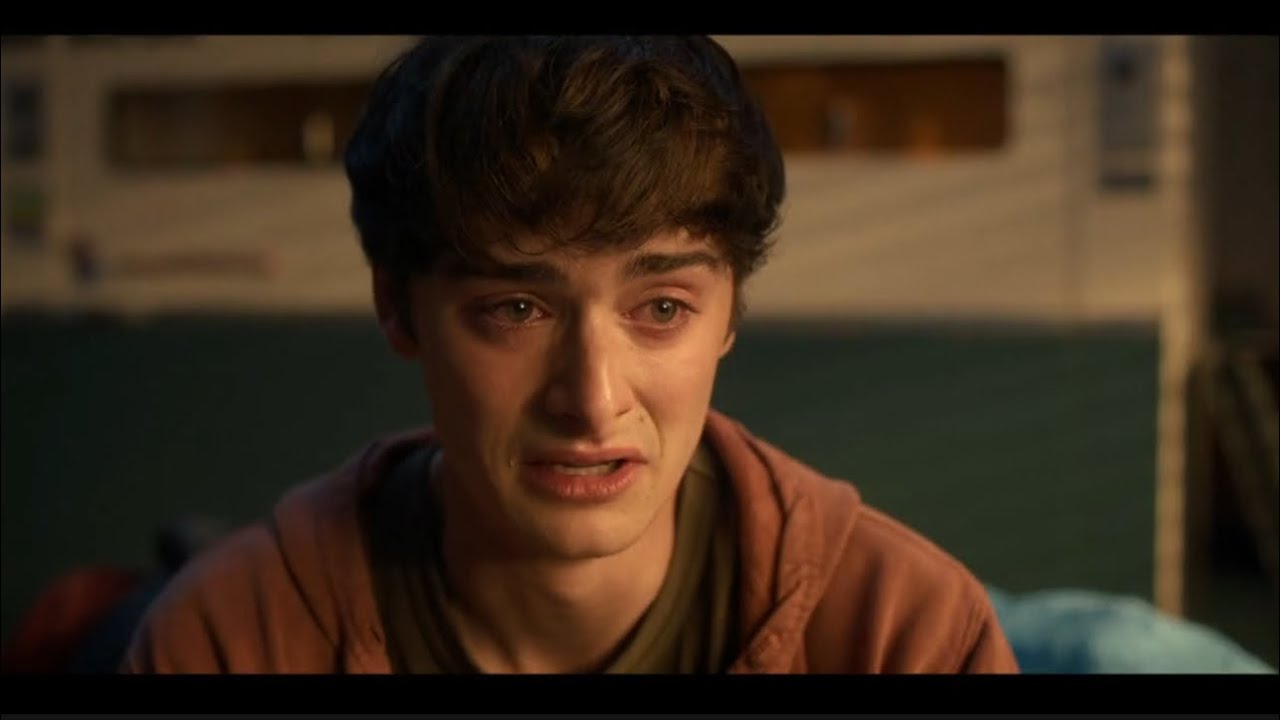
Noah Schnapp as Will Beyers in Stranger Things 5 – Netflix
Nevertheless, they demonstrate that the industry’s approach to representation has been changing.
For advocates of greater LGBTQ representation, those developments raise concerns about disappearing opportunities. But for critics of identity-focused entertainment, the numbers raise a different question: Are studios moving away from demographic objectives as a central consideration in creative development?
And could that trend reverse if Hollywood interprets the Democratic victories as evidence that the cultural environment is changing again?
Could 2027 Bring Back Identity-Focused Storytelling?
The possibility extends far beyond the number of Pride characters appearing on screen.
For years, critics of Hollywood’s creative direction have objected to established characters being substantially rewritten, familiar franchises being reinterpreted through contemporary political themes, and promotional campaigns emphasizing representation as a selling point.
The debate has affected some of the entertainment industry’s most recognizable properties.
Disney’s Snow White remake became a particularly contentious example, with criticism surrounding changes to the original film’s characters and presentation.
Meanwhile, Lucasfilm’s Star Wars series The Acolyte generated intense debate over its creative direction, characters, and perceived emphasis on identity politics before being canceled after one season.
Both became flashpoints in a larger dispute over whether studios were prioritizing the expectations of existing audiences.
That debate is unlikely to disappear in 2027.

(L-R): Osha Aniseya (Amandla Stenberg) and the Stranger in Lucasfilm’s THE ACOLYTE, season one, exclusively on Disney+. ©.
If executives interpret Democratic victories as a sign that progressive cultural initiatives are becoming politically safer, some may become more willing to embrace identity-focused storytelling and marketing.
Others may continue prioritizing broader audience appeal, particularly after years of financial pressure.
There’s currently no verified evidence that the midterm results have caused Disney, Marvel Studios, or Lucasfilm to change their creative development policies. And because major productions often take years to develop, projects arriving in 2027 will largely reflect decisions made before this election.
Nevertheless, the decisions executives make over the coming months could influence the direction of entertainment well beyond next year.
The Audiences Who Rejected These Projects Haven’t Gone Anywhere
Perhaps the most important consideration for Hollywood is one that has little to do with Washington.
The people who stopped purchasing tickets, abandoned franchises, or canceled streaming subscriptions because they disliked the direction of certain entertainment properties are still potential customers.
Their concerns haven’t necessarily changed.
And the Democratic victories provide no evidence that those consumers have suddenly developed an appetite for the same creative approaches they previously rejected.
Consider the commercial disappointments associated with The Marvels, Strange World, and Snow White.

Teyonah Parris as Captain Monica Rambeau in Marvel Studios’ THE MARVELS. Photo courtesy of Marvel Studios. © 2023 MARVEL.
These projects became part of a larger debate over Disney’s relationship with its audience. If executives return to creative strategies that previously generated consumer resistance without addressing the underlying objections, they risk encountering similar difficulties.
Consumers ultimately determine which entertainment succeeds through their purchasing decisions. A Democratic victory in Texas doesn’t mean someone who disliked Snow White will suddenly embrace Disney’s next live-action remake. Republican losses in congressional races don’t mean disappointed Star Wars fans will automatically return to Disney+. And a new Democratic majority in Congress can’t compel families to purchase movie tickets for entertainment that doesn’t interest them.
Political momentum isn’t the same thing as consumer demand.
That principle should be especially important for Disney, whose most valuable properties depend on audiences maintaining emotional connections with characters and stories across generations.
Disney’s Biggest Challenge Hasn’t Changed
Former Disney CEO Bob Iger previously acknowledged the importance of prioritizing entertainment over political messaging, emphasizing during a 2023 shareholder meeting that the company’s primary responsibility was to entertain audiences rather than advance an agenda (though his actions often ran counter to that statement).
That philosophy shouldn’t depend on which political party controls Congress.
Disney’s corporate diversity programs and its creative development strategies are separate matters, but both have contributed to the company’s involvement in America’s broader cultural debates.
If the company’s recent changes were primarily responses to political pressure, the new congressional balance could eventually encourage executives like Disney president Dana Walden and new CEO Josh D’Amaro to reconsider them.
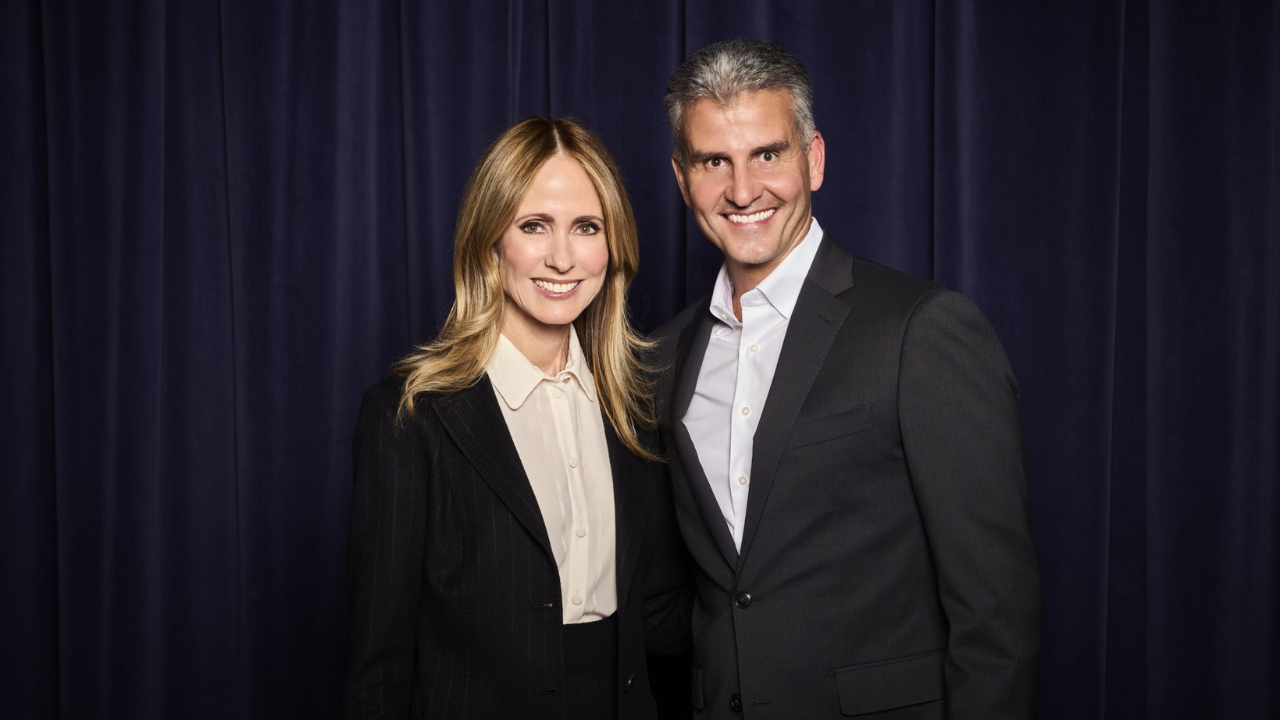
Dana Walden and Josh D’Amaro – Disney
If those changes instead reflected genuine recognition that portions of Disney’s audience had become dissatisfied with its entertainment, returning to the previous approach without addressing those concerns would carry commercial risks.
The same principle applies throughout Hollywood.
Audiences aren’t required to embrace character rewrites, identity-focused marketing, or stories they find unappealing simply because those decisions align with a particular political movement.
Likewise, representation alone doesn’t determine whether a story is good or bad.
The responsibility of entertainment companies is to produce work that people actually want to watch.
Hollywood Shouldn’t Mistake an Election for a Cultural Mandate
The 2026 midterms have dramatically changed Washington, and the results could eventually influence the political calculations of America’s largest corporations.
Renewed pressure surrounding DEI initiatives is one possibility. A more favorable environment for identity-focused creative development is another.
But neither outcome is guaranteed.
Democrats won control of Congress largely amid concerns over economic conditions, government policy, and dissatisfaction with the Trump administration.

U.S. President Donald Trump sits for an interview with ABC News – YouTube, ABC News
They didn’t win a national referendum on Marvel, Star Wars, Disney, or Hollywood storytelling.
Entertainment executives who interpret the election as permission to disregard years of consumer criticism could find themselves repeating familiar mistakes.
The industry may be entering another period of political change, but its fundamental business challenge remains the same. It must convince audiences that its entertainment is worth their time and money.
The political landscape may look very different in 2027. But the consumers who rejected Hollywood’s previous creative direction haven’t disappeared, and an election victory won’t automatically bring them back.
Do you think identity politics is coming back to Hollywood? Sound off and let us know!
