


Since becoming Xbox CEO in February 2026, Asha Sharma has overseen sweeping changes, including studio divestments, a brand reset, and a renewed commitment to consoles. She has also advanced next-generation hardware plans, revised Game Pass pricing and features, and launched Xbox Labs.
Now, another leadership shakeup adds uncertainty to the company’s overhaul.
On Friday, The Verge reported that Xbox chief operating officer Helen Chiang had left Microsoft after just three months in the position, ending a 21-year career at the company.
Chiang became the division’s first COO in July, with responsibility spanning games, hardware, platform, and services. Her departure removes an executive appointed to help coordinate a restructuring involving thousands of job cuts and substantial changes to Xbox’s studio portfolio.
Microsoft has not explained the circumstances of her exit, leaving unanswered why a central figure in its turnaround departed so quickly.
Chiang Leaves Microsoft After 21 Years
According to Gematsu, citing The Verge, Sharma announced Chiang’s departure in an internal memo on October 23.
“Helen Chiang is leaving Microsoft today,” Sharma wrote. “I’m grateful for her years of service and wish her well.”
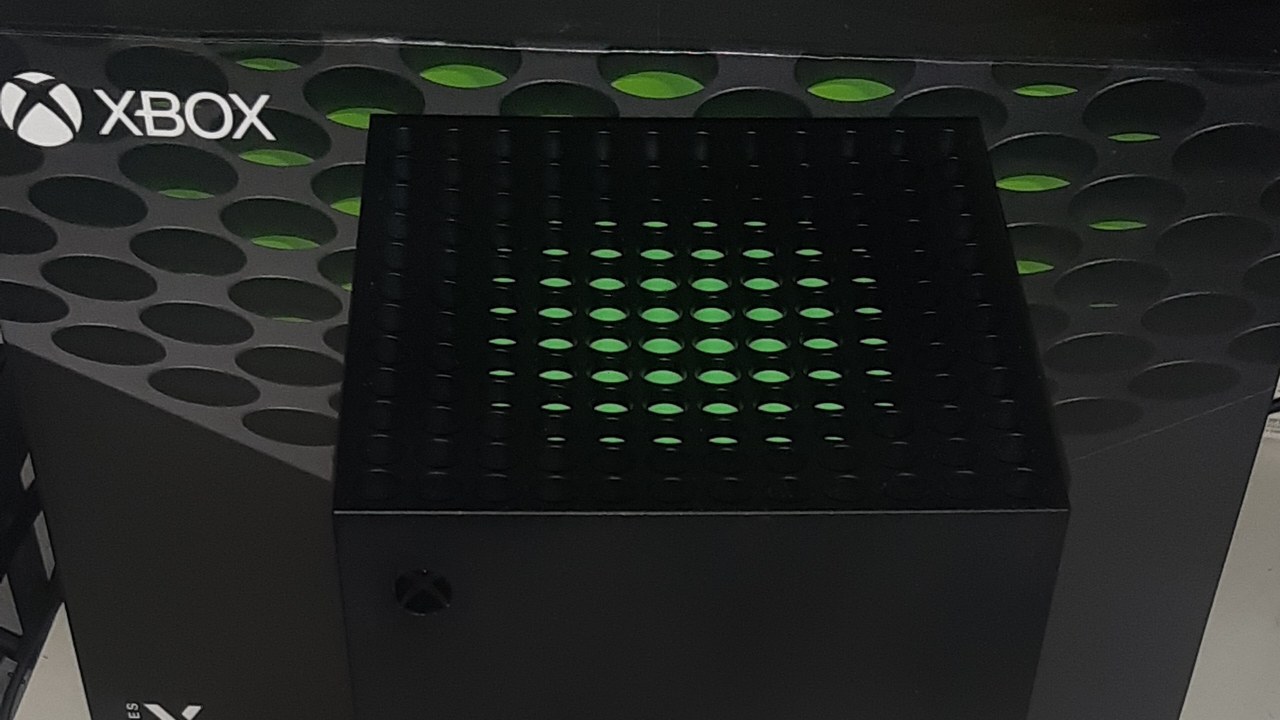
An Xbox Series X console. Credit: Der. Bellemer / Wikimedia Commons (CC BY-SA 4.0)
READ: Tom Cruise Will Receive the 52nd AFI Life Achievement Award
Other Xbox leaders will divide Chiang’s immediate responsibilities while the company finalizes its leadership plans. Microsoft has not announced a permanent replacement.
The Verge, which obtained the memo, reported that Microsoft declined to discuss the circumstances surrounding her departure.
Helen Chiang is leaving Microsoft after 21 years. https://t.co/WjgPAM16Hn
— The Verge (@verge) October 23, 2026
The available information does not establish whether Chiang resigned or was dismissed. Either way, Xbox must now redistribute the duties of a position created only months earlier.
A Long Microsoft Career Ends With a Brief COO Tenure
As GamesRadar+ recounts, Chiang joined Microsoft in 2005 as a product manager working on its Streets & Trips mapping software.
She moved to Xbox in 2007 and joined the Minecraft team as a senior director in 2014. She subsequently became studio head and, in 2020, corporate vice president of the Minecraft franchise.
Her appointment as COO substantially expanded her responsibilities, placing her at the center of efforts to coordinate the broader Xbox business.

The Game Pass logo – Microsoft, XBOX
READ: Islands of Adventure Lockers Swap Ticket Scans for Facial Recognition
Announcing the promotion, Sharma said Chiang would report directly to her and oversee profit-and-loss responsibilities across Xbox’s principal businesses.
“She will bring our businesses together under one operating model, making sure we make clear investment decisions, learn from our successes and failures, and hold ourselves accountable for results,” Sharma wrote at the time.
Three months later, the executive selected to carry out that work is gone.
Departure Comes During Xbox’s Major Restructuring
Chiang’s promotion accompanied the restructuring outlined in Sharma’s July message to employees.
The plan called for approximately 3,200 job cuts through fiscal 2027, changes in studio ownership, and a substantial reduction in management layers.
As detailed in earlier coverage of the announcement, Sharma acknowledged that Xbox’s investments in Game Pass, multiplatform publishing, hardware subsidies, and content had failed to produce the financial performance Microsoft expected.
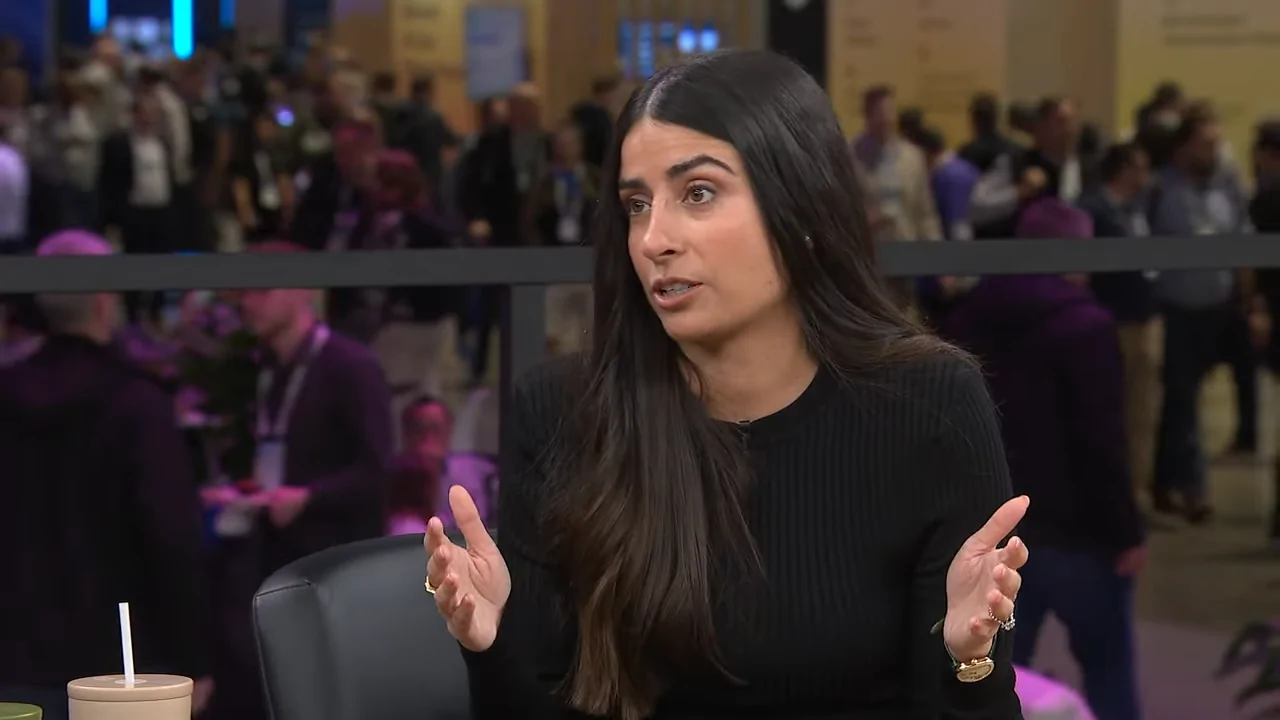
Asha Sharma at Microsoft Ignite 2024 – Microsoft Events, YouTube
READ: Universal Theme Park Revenue Falls 4.4% in Q3 as Profit Drops 17%
Although Game Pass figured into that assessment, her criticism encompassed the broader strategy and its associated costs.
The proposed overhaul also targeted organizational complexity, with plans to flatten management and clarify responsibility for business decisions.
A Key Role Left Unfilled During Xbox’s Turnaround
Chiang’s position was intended to bring Xbox’s businesses under a common operating model and clarify responsibility for financial results. Just three months after creating that role, Microsoft must determine who will carry out those responsibilities permanently.
Her departure does not establish that the turnaround has failed or reveal a disagreement over its direction. However, the brief tenure warrants scrutiny given the importance Sharma placed on the appointment.
Xbox’s leadership promised clearer accountability and better execution. The company has yet to explain why the executive chosen to help deliver those improvements is already gone.
Why do you think Xbox’s COO stepped down after only three months? Sound off and let us know!
