



In the world of television, an unmistakable new media shift shift is underway as YouTube has dominated legacy cable outlets in TV viewership. YouTube has surged ahead of Disney, NBCUniversal, Fox, Warner Bros. Discovery, and Paramount, claiming the title of America’s most-watched TV platform. The numbers are staggering — and for the legacy giants, sobering.
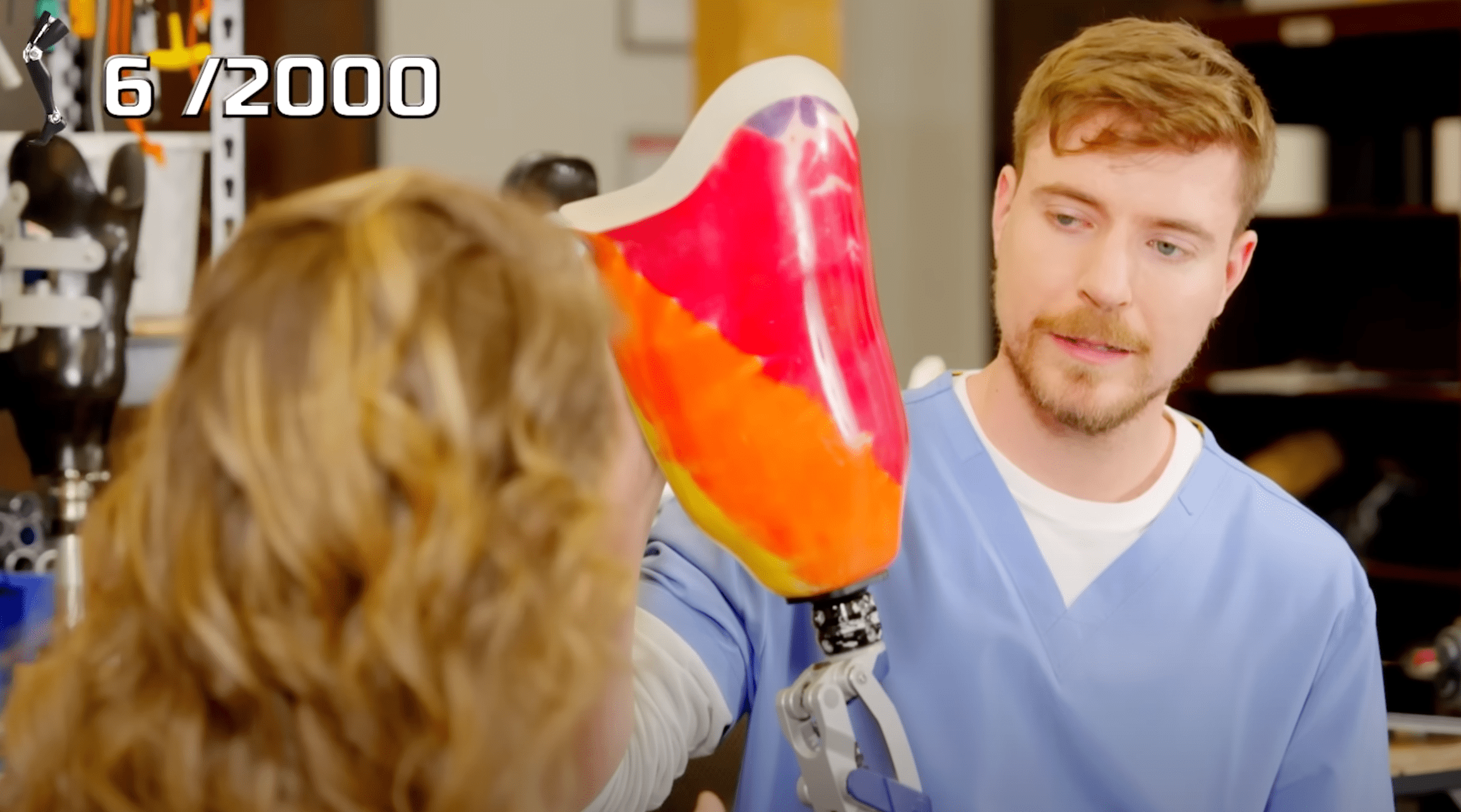
MrBeast in a video from his YouTube channel where he helped 200 people walk again – YouTube, MrBeast
According to Nielsen’s Media Distributor Gauge (reported by Cord Cutters News), YouTube now commands 11.8% of all television usage in the United States, a leap of more than 50% compared to just two years ago. That growth is not confined to kids and teenagers — it stretches across every demographic, from small children to retirees. The conclusion is inescapable: consumers are flocking to YouTube while legacy TV outlets continue to lose ground.
The Broad Appeal of YouTube
It’s easy to dismiss YouTube as a platform for younger audiences, but the data shows otherwise.
- Adults 65 and older now make up 15% of YouTube’s TV audience, with usage in that group nearly doubling year-over-year.
- Kids ages 2–11 account for 17% of the platform’s TV viewership.
- Young adults, long the target of advertisers, remain a major force, with 21% of the audience aged 18–34.
The Disney+ logo in the trailer for The Mysterious Benedict Society – YouTube, Disney+
This spread of viewers demonstrates why YouTube is dominating the TV viewership landscape. From algorithm-driven short-form videos to long-form content and livestreams, the platform has something for everyone. And unlike cable bundles, YouTube is built for a generation that wants content accessible on every device, without a bloated price tag.
Disney, NBCUniversal, and Warner Bros. Struggle to Keep Pace
YouTube’s victory comes at the expense of traditional players who once dominated TV.
- Disney (Disney+, Hulu, ESPN) sits at 10.2% of TV usage, slipping about 1.5 points from last year. For a company spending billions on streaming, the decline shows audiences aren’t biting the way executives hoped.
- NBCUniversal saw a temporary bump during the Paris Olympics, peaking at 13.4% share, but quickly fell back to 8.1%. That demonstrates a harsh truth: one-off events can’t prop up long-term declines.
- Warner Bros. Discovery sits at 6.5%, with The White Lotus drawing eyes on Max but not enough to counteract steep drops in cable news and sports.
- Fox Corporation manages 7.2% thanks to sports like NASCAR and MLB, but its linear network viewership continues to slide.
- Paramount Global holds 7.8% — weighed down by seasonal drops once March Madness and golf’s Masters ended.

Lee Jung-jae in the trailer for Squid Games Season 2 – YouTube, Netflix
Even Netflix, once painted as the disruptor of disruptors, is now playing catch-up. Its 7.9% share is respectable, and hits like Squid Game still dominate the top-10 lists, but YouTube has widened the TV vieership gap.
Streaming Hits Record Highs
The larger picture tells the same story: traditional television is being replaced at lightning speed.
In May 2025, streaming made up 44.8% of total TV usage. By July 2025, that number climbed to 47.3%, officially surpassing broadcast and cable combined. That’s a 71% increase since 2021.

The official logo for HBO Max – Warner Bros. Discovery
Broadcast and cable aren’t just losing ground — they’re losing relevance. Without sports or special event programming, many of these networks are barely treading water. The old model of bundling channels and relying on appointment viewing has collapsed, and no amount of corporate spin can disguise it.
Why YouTube Is Winning the TV Viewership Battle
Several key factors explain YouTube’s dominance in TV viewership:
- Algorithmic engagement: The platform’s recommendation engine keeps viewers hooked.
- Accessibility: YouTube is available everywhere — from smart TVs to phones — and doesn’t require a subscription.
- Content diversity: Whether it’s creators, music videos, podcasts, live sports highlights, or YouTube Originals, there’s no other library as varied.
- Ad-supported model: For viewers, it’s “free.” For advertisers, it’s highly targeted.

Chris Gore via Nerdrotic YouTube
While Disney and Warner Bros. scramble to find ways to offset declining subscribers with ad-supported tiers or bundled packages, YouTube has already mastered the balance between free access and massive ad revenue.
Legacy Media’s Desperate Countermoves
In response to these trends, legacy companies are experimenting with free, ad-supported streaming services — known as FAST channels. Paramount leans on Pluto TV, Fox touts Tubi, and NBCUniversal tries to balance Peacock’s paid subscribers with advertiser-driven revenue.

A clip from the NFL on YouTube – YouTube, NFL
But these moves reek of desperation. They aren’t genuine innovations — they’re attempts to replicate what YouTube has been doing for nearly two decades. Even when NBCUniversal’s Olympics coverage boosted Peacock, the gains evaporated once the flame went out in Paris.
The real problem? None of these companies have managed to capture the daily viewing habits that YouTube commands. Sports events and prestige dramas can spike short-term engagement, but audiences are building long-term routines around YouTube’s endless, personalized content.
The Bottom Line
The writing is on the wall: YouTube is now the dominant TV provider in America. Its 11.8% market share doesn’t just put it ahead of Disney or NBCUniversal — it makes YouTube the first digital-first platform to truly dethrone traditional television titans.
Gary Buechler via Nerdrotic YouTube
Meanwhile, legacy companies are stuck trying to patch holes in a sinking ship, burning through billions in content budgets while losing share month after month. Without a radical rethinking of how they deliver value to viewers, Disney, NBCUniversal, Fox, and Warner Bros. Discovery will continue to cede ground.
The television landscape has shifted — and YouTube didn’t just change the game. It won it.
Are you surprised that YouTube leads major Hollywood studios in TV viewership? Sound off in the comments and let us know!
UP NEXT: Jimmy Kimmel Comments on ‘Defending Democracy’ Against Trump at Emmy’s
