


A new report claims that Microsoft has eliminated an entire diversity, equity, and inclusion (DEI) team with a manager claiming “DEI programs everywhere are no longer business critical or smart as they were in 2020.”
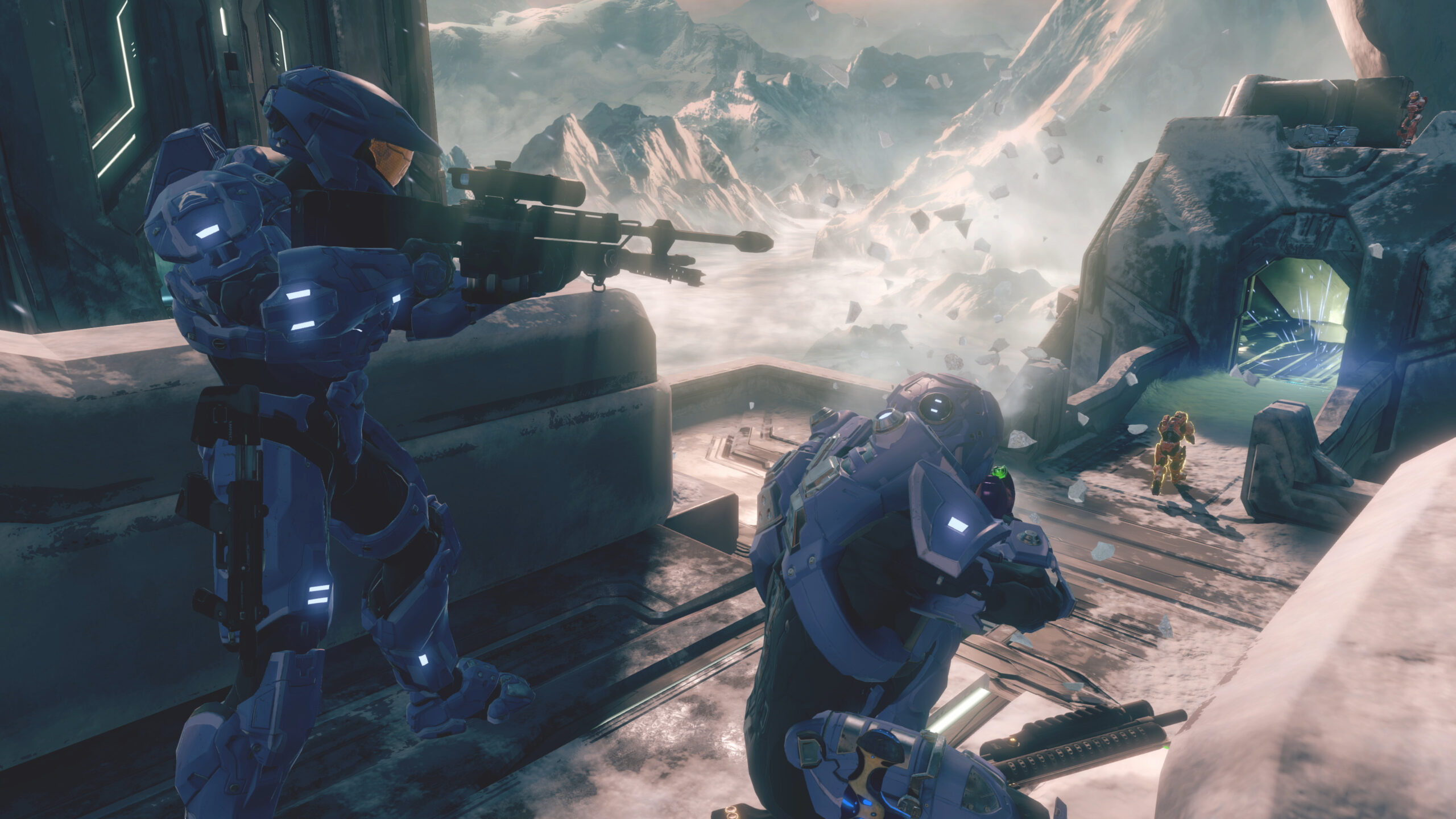
A screenshot from Halo 2: Anniversary (2020), 343 Industries
This new report comes from Business Insider’s Ashley Stewart, who writes, “After Microsoft laid off an internal team focused on diversity, equity, and inclusion, a team leader blasted the company for a lack of investment in these efforts.”
The email from the manager stated in-part, “True systems-change work associated with DEI programs everywhere are no longer business critical or smart as they were in 2020.”
The report also noted the “team was eliminated because of ‘changing business needs’ as of July 1.”
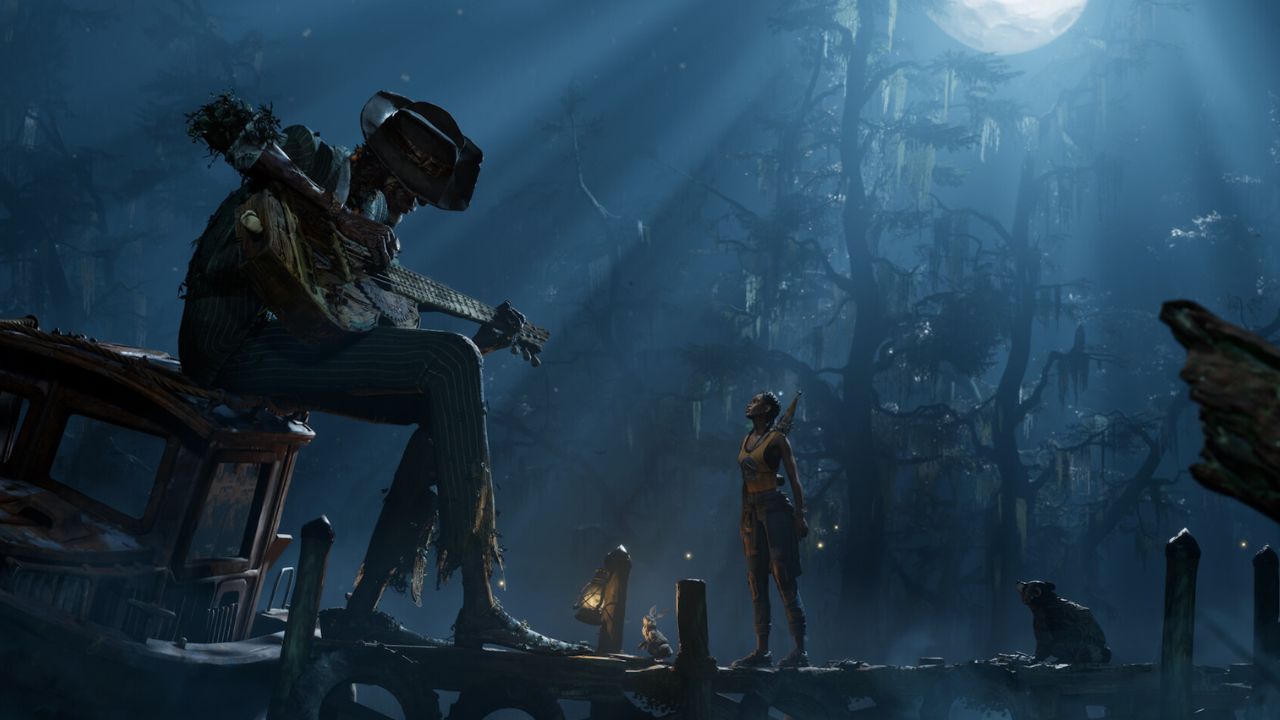
A screenshot from South of Midnight (TBA), Compulsion Games
Despite the team being scrapped Microsoft spokesman Jeff Jones did commit the company to diversity and inclusion moving forward, “Our D&I commitments remain unchanged.”
He added, “Our focus on diversity and inclusion is unwavering and we are holding firm on our expectations, prioritizing accountability, and continuing to focus on this work.”

A screenshot from Redfall (2023), Arkane Austin
This commitment was made evident when the company rolled out its Gaming For Everyone Product Inclusion Framework earlier this year.
Xbox’s Head of Gaming For Everyone & Sustainability Katy Jo Wright explained the purpose of the framework in an interview with Games Industry, “If you don’t intentionally include, you will unintentionally exclude. That is how we are as human beings. There is no shame in that. If you want to include, you have to be intentional about that.”
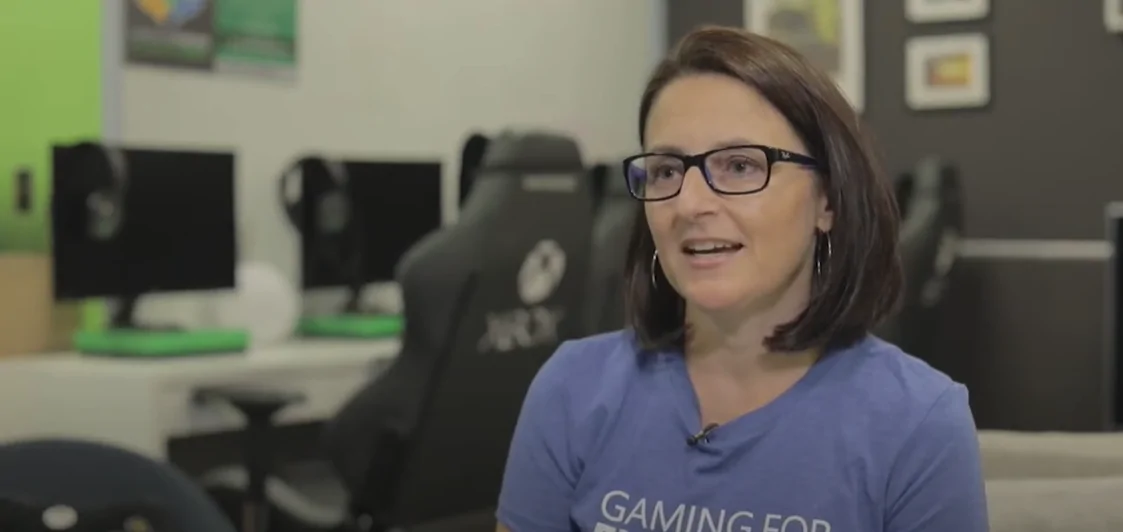
Katy Jo Wright via Girls Make Games YouTube
READ: Microsoft And Xbox Roasted For Making ‘Perfect Dark’s’ Joanna Dark Look Like A Man
The Framework includes 10 Product Inclusion Actions. One of those actions is titled “Help Customers Feel Seen.” Underneath this action, Microsoft lists a number of questions game developers should consider when developing their games.
A set of questions states:
- Are you reinforcing any negative gender stereotypes?
- Are you unnecessarily introducing gender & gender barriers into your code or design?
- Are you creating playable female characters that are equal in skill and ability to their male peers. Are your female characters equipped with clothing and armor that fits their tasks? Do they have exaggerated body proportions?
- When the story allows, do you show male characters who display a full range of emotions, including joy, sadness, and vulnerability?

A screenshot of Microsoft’s Product Inclusion Action: Help Customers Feel Seen
The Help Customers Feel Seen Product Inclusion Action page also includes a checklist so developers can achieve their goals. The third step specifically states:
3. Create & surface content that depicts diverse characters, stories and creators
- Create playable characters that reflect the broader population. Review how identities represented on screen (gender identities, races, sexual orientations, ability status, ages, and body sizes) match up to the broader population. Make sure that characters are not tokenized or stereotyped based on their identities.
- Review how identities represented in your product such as gender, race, sexuality, nationality, cultural, ability, age, and size compare to the broader global player population. Be intentional about which identities are present and highlighted according to what’s right for your product and market.
- Make sure that characters are not tokenized or stereotyped based on their identities. No person or character can be a monolith to represent all people with that identity.
- Practice inclusive casting for any talent required to bring representation to life in your product.
- Validate your execution for your Inclusive Listening Systems (consultants/advisory councils, user research).

A screenshot of Microsoft’s Product Inclusion Action: Help Customers Feel Seen
Microsoft employees have made flagrant race-based statements in the past, including Kelly Lombardi who posted to X in March, “Raise your hand if you’re not a white man and you buy video games.”
She added, “(No hate to white dudes, it’s just another day in the gaming industry that minorities have to fight to prove they exist).”

Kelly Lombardi on X
Not only does the company employ individuals like Kelly Lombardi, but it uses its video games to push PRIDE. The company’s Halo X account did this at the beginning of last month writing, ““Let’s stand together in honoring our LGBTQIA+ community and forging a future of unity and acceptance for all. #Pride2024.”

Halo on X
In fact, Halo composer Marty O’Donnell even revealed that this philosphy had been seeping into the company as far back as 2002.
He explained, “I started seeing it a little bit even during our Halo 2, which goes back quite a ways. We were making Halo 2 in 2002, 2003, which was close enough after 9/11. If you know the story of Halo it’s about this group of religious zealots that essentially will commit suicide to keep their religion going. That’s the characters we had for the Covenant.”
He then shared, “That started making Microsoft a little bit nervous because they felt like there could be some backlash from the Muslim community in the Middle East that maybe this could be seen as Islamophobic. All of a sudden we were being asked to be very careful about some names of people or references or phrases and things like that.”
What do you make of this report that Microsoft scrapped an entire DEI department, but remains committed to diversity and inclusion?
NEXT: Microsoft Joins the Nintendo Price Hike Party as Xbox Games Surge Toward $80 Standard
