



Walt Disney World has quietly updated its Disability Access Service (DAS) program once again, extending its eligibility period to up to one year for qualifying guests. While this longer validity may sound like good news for Annual Passholders, the move does little to address the ongoing criticism surrounding how the service is implemented—and who is now being denied.
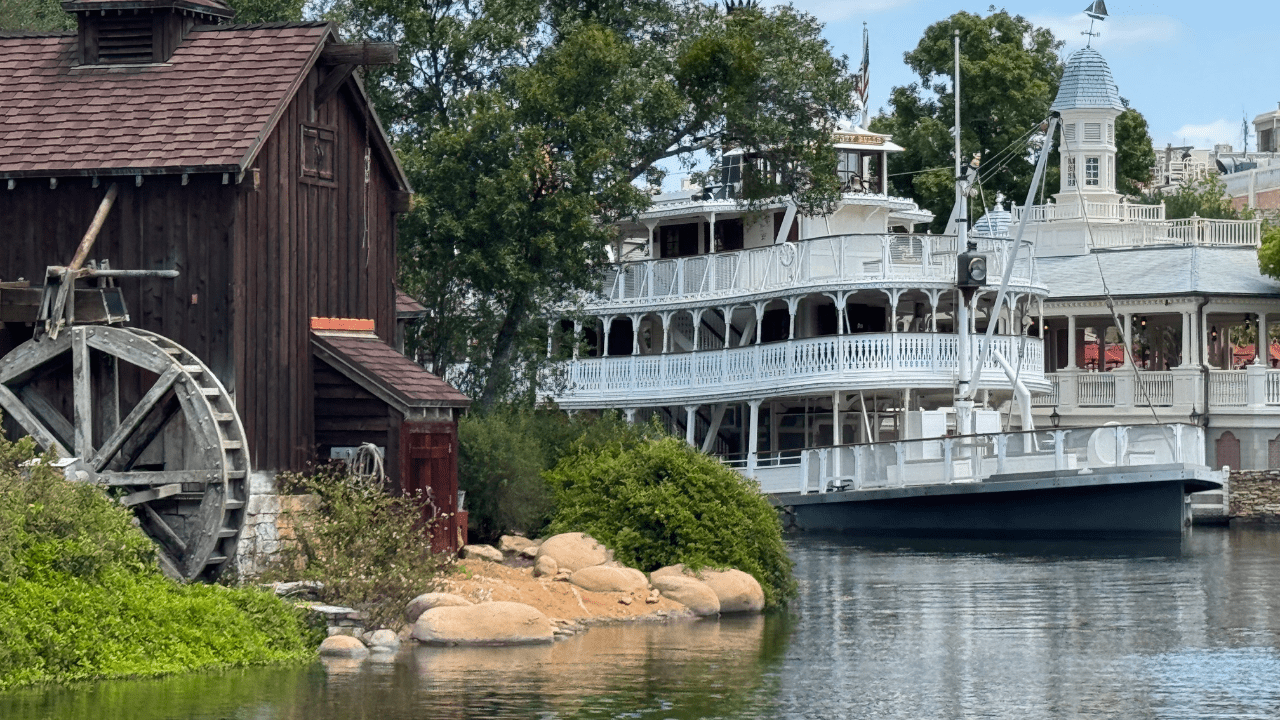
The Rivers of America and Tom Sawyer Island in Walt Disney World – Photo Credit M. Montanaro
Previously, the DAS validity period increased in stages, first from 30 to 120 days in May 2024, then to 240 days in September. Now, the eligibility can last up to a full year or the length of a ticket, whichever is shorter. On paper, it’s a logistical improvement. But for many guests, the real problem begins before the clock even starts ticking.
The Interview Process
In 2024, Disney made sweeping changes to the DAS program, narrowing eligibility to those with developmental disabilities like autism who cannot wait in a conventional queue for extended periods. This came shortly after the broad rollout of Disney’s free Fast Pass replacement system, Genie+ (now Lightning Lane), which is a paid service.
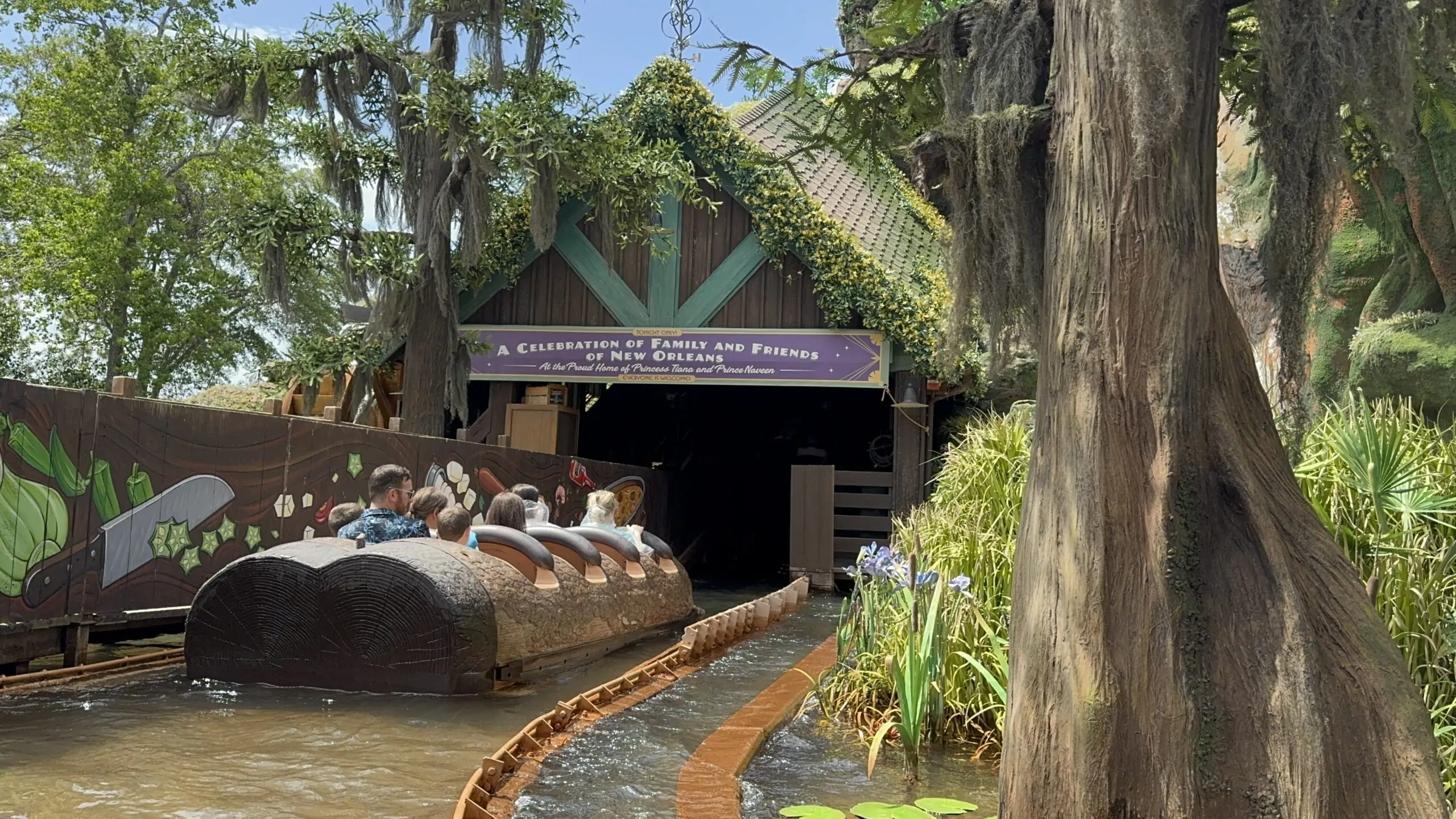
The exterior of Tiana’s Bayou Adventure in Walt Disney World – Photo Credit: M. Montanaro
As a result, the company introduced a new vetting process: guests must now complete a mandatory, often uncomfortable, one-on-one video interview with a Disney cast member. During this interview, guests are asked pointed questions intended to determine whether they qualify.
Crucially, Disney refuses to accept any medical documentation as proof of disability. Even if a guest presents a formal diagnosis from a licensed healthcare provider, the cast member is instructed not to consider it. This has led to widespread frustration, particularly among families with neurodivergent children who may not fall neatly into Disney’s narrow guidelines.

Cinderella Castle in Walt Disney World at Dusk looking into Liberty Square – Photo Credit: M. Montanaro
What’s more, guests struggling with extreme autism or an enhanced anxiety disorder have reported feelings of panic and discomfort at the interview process.
For many, this feels more like an interrogation than an accommodation.
“Practice Waiting in Line” — Disney’s Advice to Neurodivergent Guests
One of the more eyebrow-raising additions to Disney’s official DAS information appears under guidance for families with neurodivergent individuals. Rather than offering broader accommodation, Disney suggests that guests with sensory or cognitive challenges practice waiting in lines at home before their vacation.
According to the Walt Disney World website: “Waiting in line is a regular part of the Walt Disney World Resort experience.”

Epcot Spaceship Earth Walt Disney World Orlando 2010. Photo Credit: chensiyuan, CC BY-SA 4.0 <https://creativecommons.org/licenses/by-sa/4.0>, via Wikimedia Commons
The site goes on to recommend that families: “Practice waiting with the Guest with a neurodivergent disability at home or in lines at places they might already frequent.”
To many families, this advice feels less like support and more like deflection. Critics argue it shifts the burden entirely onto the guest, asking them to adapt to Disney’s rigid systems rather than encouraging the company to accommodate the needs of its diverse visitors.

The Tree of Life in Disney’s Animal Kingdom in Walt Disney World – Photo Credit M. Montanaro
In a time when competitors are offering medically validated, flexible solutions for disability access, Disney’s suggestion that guests rehearse standing in line as a form of treatment has been widely criticized as pandering and out of touch.
Compare That to Universal and SeaWorld
The contrast with competitors is striking. Both Universal Orlando Resort and SeaWorld (both of which offer paid line skipping services like Disney) utilize a third-party system to evaluate disability access needs. This system accepts medical documentation and provides guests with appropriate accommodations without the need for a judgment-based interview. For families already overwhelmed by the logistics of theme park visits, this approach offers both dignity and efficiency.

The entrance to Magic Kingdom at Walt Disney World via DocumentDisney YouTube
Approved guests are given an IBCCES Access card. They need only to show this to a Universal or Sea World guest services employee and they’re given their accommodations with no fuss.
Disney, on the other hand, now recommends that neurodivergent guests “practice waiting in line at home,” effectively suggesting that children and adults with legitimate conditions adapt to Disney’s system rather than the other way around.
Backlash and Disappointment
Since the changes took effect, backlash across social media and disability advocacy forums has intensified. Many long-time guests feel betrayed by a company that once prided itself on accessibility and guest service. Parents have shared stories of being denied DAS for children with anxiety, PTSD, and other conditions that don’t fall under Disney’s approved list, despite clear medical need.

An image of Casey’s Corner at Magic Kingdom via Midway to Main Street YouTube
While the one-year extension might streamline repeat visits for those who pass the initial screening, it does nothing for the growing number of guests now excluded from the program entirely.
Final Thoughts
Disney has not issued any additional statements addressing the controversy, nor have they announced any plans to revise the DAS screening process to better accommodate a broader range of disabilities.
As it stands, the program remains one of the more contentious aspects of the Walt Disney World experience—especially when alternatives at rival parks offer a far less invasive path to accessibility.
What are your thoughts on the Disney DAS service? Sound off in the comments and let us know!
