



In a quietly significant shift that’s making waves in the gaming world, Take-Two Interactive, the publisher of the upcoming Grand Theft Auto VI (GTA 6), has removed all references to traditional DEI (diversity, equity, and inclusion) initiatives from its latest 10-K annual report.
The change, first reported by Game File and later picked up by WIRED, has sparked intense debate as the video game industry finds itself increasingly entangled in broader cultural battles over the concept of DEI in games—especially with a project as explosive and massive as GTA 6 on the horizon.
A Sharp Departure From 2024
In 2024, Take-Two’s annual report explicitly championed progressive causes, saying the company supported organizations that aimed to “eradicate social injustice,” supported Pride rights, funded scholarships for minority game design students, and “celebrated cultural differences” through employee groups.
That entire section is gone.

A screenshot from Grand Theft Auto VI (2025), Rockstar Games
READ: Magic Kingdom Nighttime Parade ‘Starlight’ Set to Debut July 20, 2025
In its place, the 2025 report includes just a single statement on the subject of diversity:
“We firmly believe that diversity of thought drives the innovation that is integral to our success.”
The report adds, “We aim to provide an inclusive workplace in which everyone feels respected, heard, and safe.”
But noticeably missing are the specifics—no mention of social justice causes, minority student scholarships, or identity-based hiring initiatives. This marks a significant rollback in DEI language and commitments.

A screenshot from Grand Theft Auto VI (2025), Rockstar Games
When WIRED reached out to Take-Two for comment, the company declined to respond. However, its corporate website still hosts a statement affirming that it believes “more diverse teams are more valuable and effective. Diversity is key to our success.”
What Is Diversity of Thought?
In corporate settings, “diversity of thought” typically refers to encouraging a variety of perspectives, cognitive styles, and problem-solving approaches. The idea is that innovation improves when organizations include people with different life experiences, ways of thinking, and ideological viewpoints.
Companies like Meta and now Take-Two have recently adopted this phrasing in place of identity-based DEI language.

A screenshot from Grand Theft Auto VI (2025), Rockstar Games
Critics of this shift argue that the term is often used as a loophole—a way to signal commitment to inclusion without engaging in more visible or quantifiable DEI practices such as demographic-based hiring goals or targeted scholarships.
In practice, “diversity of thought” is difficult to define, measure, or enforce, which has led some observers to view it as a rhetorical placeholder rather than a policy.
Daniel Oppong, founder of The Courage Collective is one of those people, apparently.
“When organizational cultures are largely homogenous, they’ll often cite ‘diversity of thought’ as a means to indicate some element of distinctiveness,” he said. “If ‘diversity of thought’ is deemed necessary (and acceptable), then diversity of identities (aka: diverse teams) should be an imperative as well.”

A screenshot from Grand Theft Auto VI (2025), Rockstar Games
Oppong further claimed that the broader DEI framework is often misrepresented.
“What was meant to be a robust, interdisciplinary practice designed to create cultures where people thrive, is often misrepresented as ‘wokeism’ and reduced to polarizing buzzwords that do not accurately portray the essence and impact of effective DEI,” he noted.
However, this view is not universally accepted.
While many companies promoted DEI policies between 2020 and 2022, their actual effects remain a subject of ongoing debate.

A screenshot from Grand Theft Auto VI (2025), Rockstar Games
READ: Jenna Ortega Says She Was “An Unhappy Person” After Wednesday Made Her Famous
Oppong, however, asserts that DEI, when properly executed, benefits all employees—not just those from marginalized groups.
“One of the biggest misnomers about DEI is the notion that it only benefits people from historically marginalized groups,” he said. “The truth is, when implemented effectively, DEI benefits everyone.”
Yet critics have pointed out that this claim often lacks broad-based evidence. Opponents argue that certain DEI initiatives—such as hiring targets, segregated employee resource groups, or identity-based mentorship programs—may offer tangible benefits to select identity groups while creating uncertainty or resentment among other employees who do not qualify for those programs.

A screenshot from Grand Theft Auto VI (2025), Rockstar Games
Some studies have found mixed or inconclusive results on the impact of corporate DEI initiatives on company performance, retention, or morale. Meanwhile, opponents of DEI argue that emphasis on immutable traits can sometimes lead to division or unintended exclusion, rather than unity or equity.
Ultimately, the debate over “diversity of thought” versus identity-based diversity hinges on a deeper question: should companies focus on who people are, or how they think? And when it comes to accountability, which approach offers clearer, measurable outcomes?
Take-Two’s decision to remove explicit DEI language from its annual report—while maintaining a general commitment to “diversity of thought”—places it squarely in the middle of that ongoing discussion.
The Broader Backlash
Take-Two’s pivot comes amid a growing trend of companies walking back DEI efforts across tech, entertainment, and retail—especially under pressure from President Donald Trump’s renewed focus on removing DEI from government and public-private partnerships.
In the gaming world, the rollback has been particularly sharp. Rockstar Games, owned by Take-Two, previously drew criticism from fans when it edited out jokes from Grand Theft Auto V in the next-gen re-release, reportedly in an effort to align with modern sensitivities.
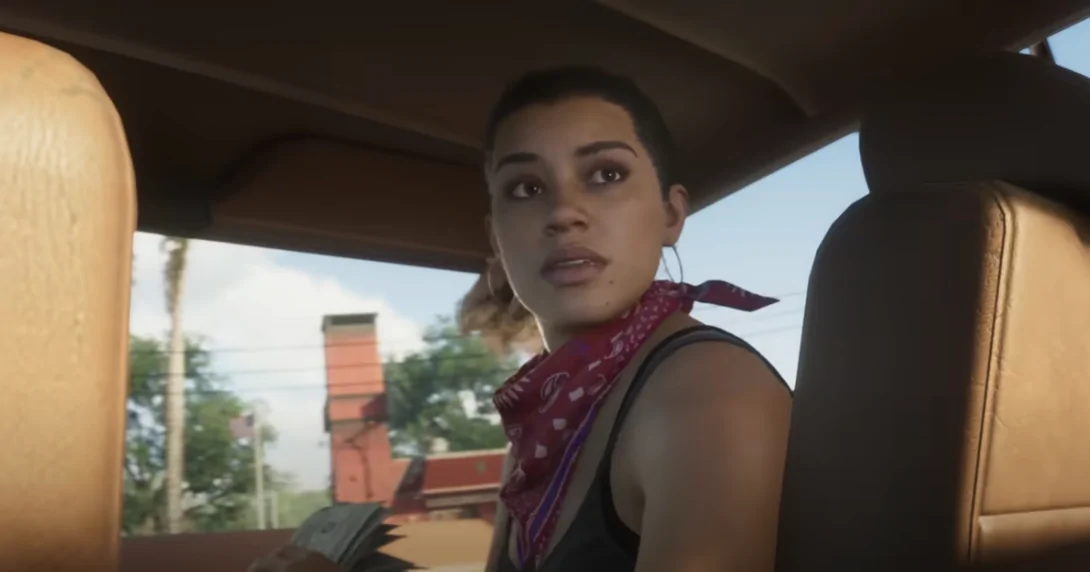
A screenshot from Grand Theft Auto VI (2025), Rockstar Games
While those edits were not officially explained, the move was widely seen as a sign that Rockstar was abandoning its legacy of punching in every direction. Many fans worried that this meant GTA 6—the next game in a franchise infamous for its irreverence and boundary-pushing satire—might end up another toothless DEI title.
Those fears grew after several key members of Rockstar’s old creative team left the company, including Dan Houser, the longtime lead writer and co-founder of Rockstar, known for crafting the biting tone of the franchise.

A screenshot from Grand Theft Auto VI (2025), Rockstar Games
Combine that with Take-Two’s scrubbed DEI language and a politically loaded atmosphere, and GTA 6 finds itself in the crosshairs before the game even drops.
The one confirmed detail about GTA 6? It will feature a Latina female protagonist—something already triggering accusations of “wokeness” from some corners of the gaming community.
Where This Goes
As Take-Two distances itself from DEI in public filings, it’s hard not to see this as a strategic repositioning in the face of political, fan, and shareholder pressure. But whether it’s a calculated retreat or just optics, the message is loud and clear: identity-based DEI is no longer the hill many corporations are willing to die on.
“People want to support and work for brands that align with their values,” Oppong claimed. “Given the shifting demographics of the U.S., it’s imperative that organizations consider the unique needs and values of different identity groups—particularly if they want to remain relevant and resonant with employers and consumers alike.”
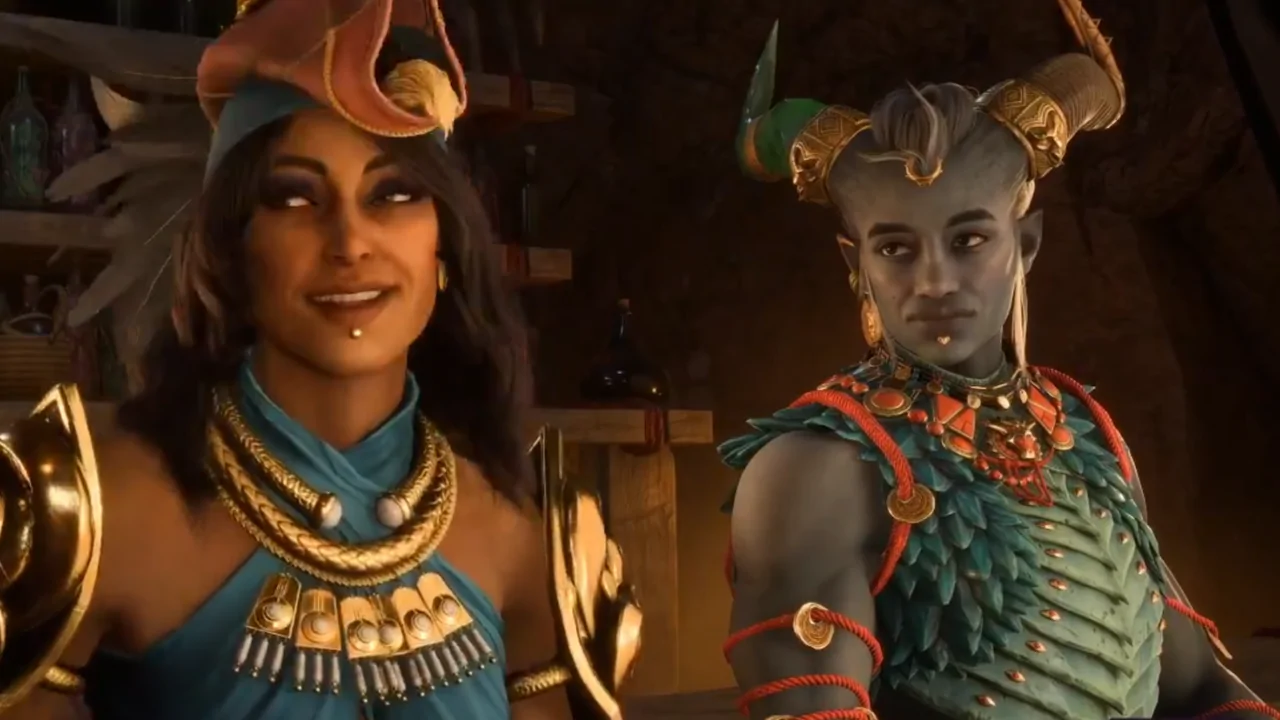
A screenshot from Dragon Age: The Veilguard (2024), BioWare
While this perspective is common among DEI advocates, real-world data from the entertainment and gaming industries paints a more complex picture. Numerous high-profile projects that prioritized identity-focused marketing—such as The Marvels, Forspoken, The Acolyte, Dragon Age: The Veilguard, and Rings of Power—saw significant commercial underperformance or critical backlash, despite aligning with progressive messaging.
These outcomes suggest that while some consumers may appreciate ideological alignment, audiences tend to reward compelling storytelling, immersive gameplay, and authentic creative direction over messaging perceived as performative or agenda-driven. In fact, several companies that leaned heavily into DEI branding in recent years, including Ubisoft and Warner Bros. Games, have since scaled back such efforts amid disappointing financial results and shifting public sentiment.

A screenshot from Grand Theft Auto VI (2025), Rockstar Games
With Grand Theft Auto VI expected to become one of the biggest entertainment releases in history, Take-Two’s cultural choices will be under a microscope. And now, its annual report has ensured that battle lines are already drawn.
Do you think the GTA 6 publisher is abandoning DEI? Or is this just a corporate sidestep? Sound of fin the comments and let us know!
