


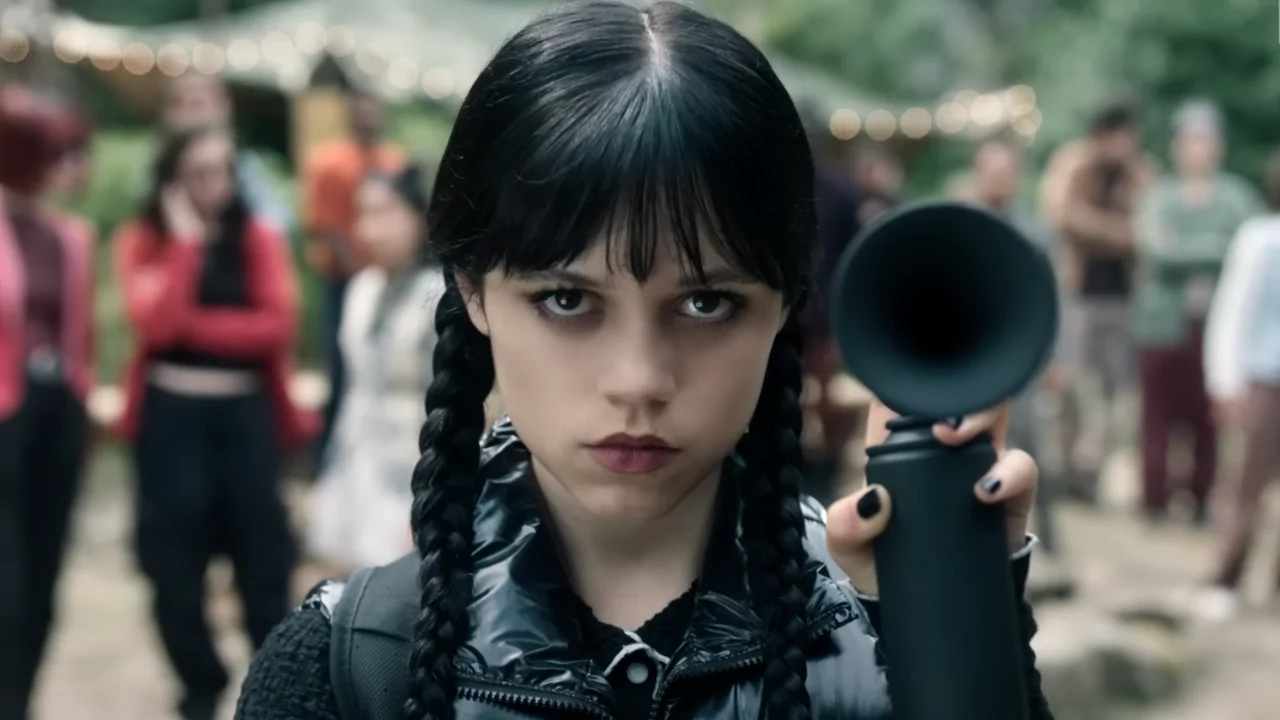
This Wednesday Season 2 review contains spoilers for Wednesday Season 2.
The first half of Wednesday Season 2 isn’t just a misstep. It’s a systematic unraveling of everything that made The Addams Family a cultural touchstone.
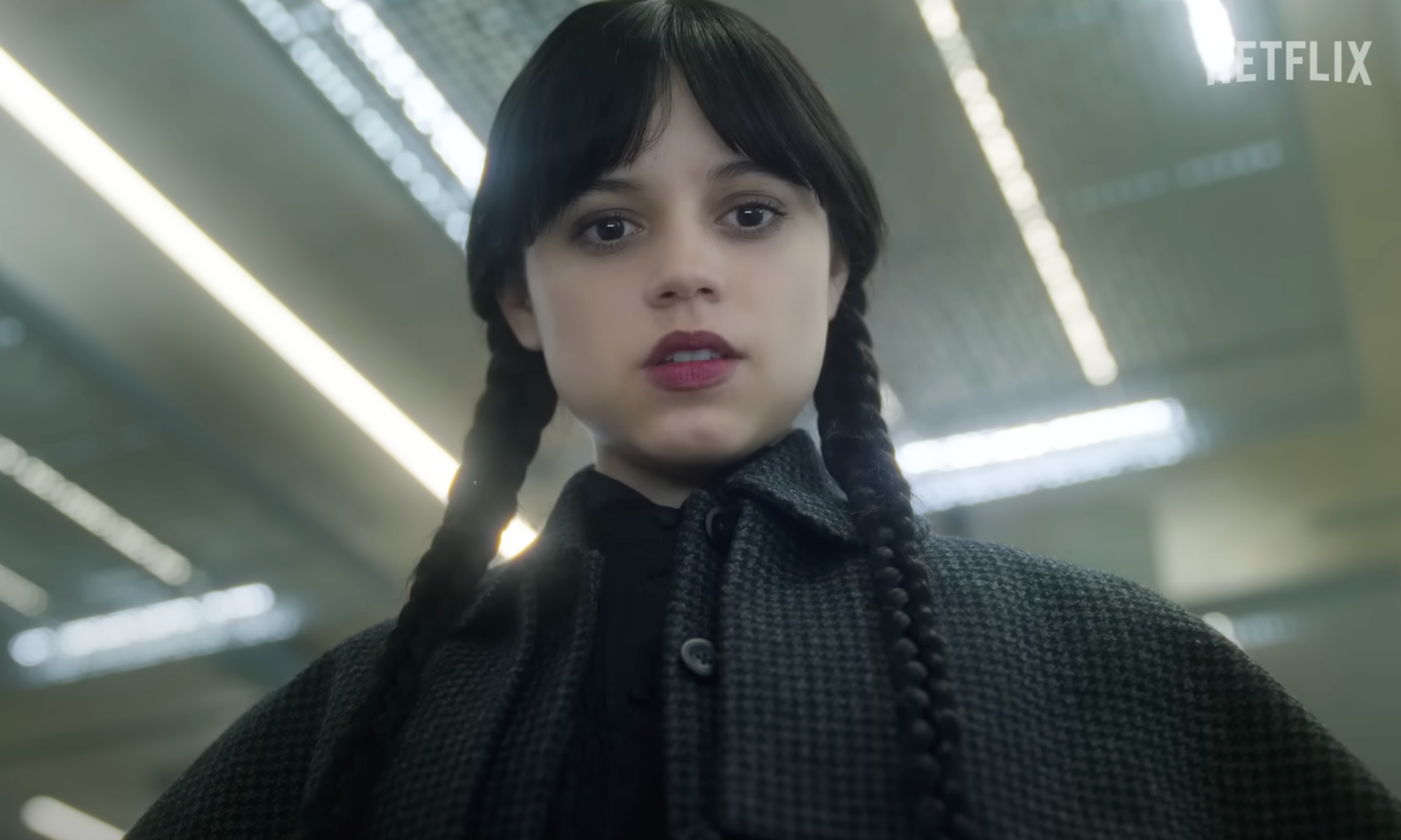
Wednesday Adams played by Jenna Ortega in the trailer for Wednesday Season 2 – YouTube, Netflix
READ: Universal Studios Great Britain Sparks Local Frustration Over Lack of Consultation With Homeowners
From the lead character’s core identity to the supporting cast, from plotlines to tone, this show abandons its roots and trades nuance for clichés, resulting in a fractured, incoherent mess.
The Characters, Dismantled and Frankenstein-ed
One of the biggest issues with this show is how it handles its classic characters. So lets review the characters of Wednesday Season 2 and detail how this show got them so very wrong.
Wednesday: From Compelling to Convenient
Wednesday Addams was once the embodiment of macabre intelligence and dark humor: a girl who commanded attention through sharp wit and an unapologetic individuality.
Now, she’s little more than a hollow shell of emo angst and psychic clichés. What was a sharp, cunning young woman with a unique voice and a complex moral compass is now reduced to a caricature of emo angst and psychic plot device. The depth, the dry humor and the deadpan intelligence are gone. Instead, we get a version of Wednesday who is frustratingly passive, often bewilderingly inconsistent, and stripped of the fierce autonomy that made her compelling.
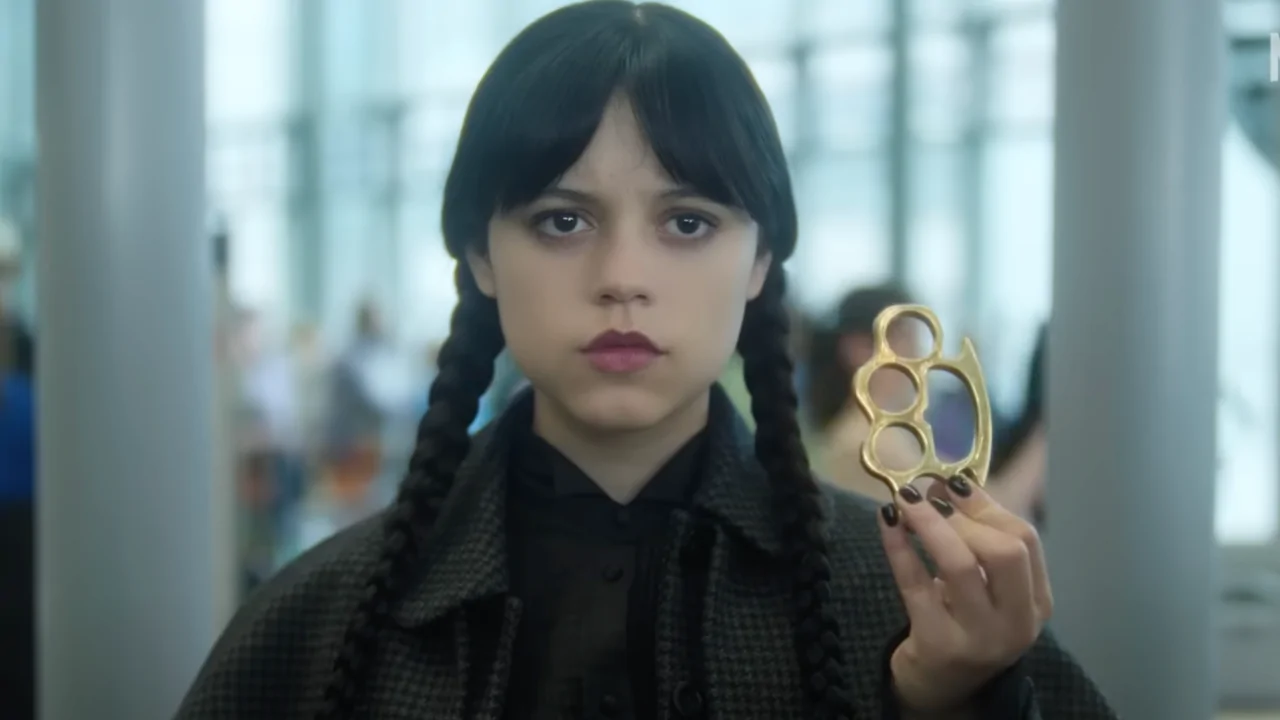
Wednesday Adams played by Jenna Ortega in the trailer for Wednesday Season 2 – YouTube, Netflix
Her powers, a potentially intriguing extension of her character, are mishandled and underdeveloped.
Rather than serving as a nuanced metaphor for her internal struggles, they become a plot convenience riddled with confusion, like black tears signaling psychic exhaustion or erratic surges that conveniently foreshadow doom.
Her manuscript drives much of the season’s conflict, as she stubbornly refuses to edit the draft or make a backup copy, only to lose it to obvious mishap. The show frames Wednesday as isolated and detached, but instead of empowering her alienation, it often paints her as aloof or outright indifferent, even when circumstances demand urgency or genuine emotional investment.
READ: Paramount Snags UFC U.S. Rights From Disney in $7.7 Billion Deal Shortly After Skydance Merger
Worst of all is her relationship with other characters, especially Enid.
Wednesday Season 2 hinges much of its emotional arc on Wednesday’s sudden concern for her roommate, yet the development feels forced and superficial. The narrative insists that Wednesday “cares,” but the moments of vulnerability or connection are few and far between, undercut by awkward dialogue and missed opportunities for authentic growth.
Pugsley: Inconsistency Personified
Pugsley’s character arc in this season is a glaring example of sloppy, incoherent writing. In the first season, he was a scared, awkward kid, overwhelmed by his surroundings and especially by his sister. Now, with zero explanation or development, he’s somehow gained electric powers that he uses with reckless abandon.
His abilities spike and falter on a whim, serving only the plot’s convenience. The subplot with Pugsley’s newfound pet zombie is a perfect example of the show’s—and Pugsley’s—tonal confusion and lazy plotting.
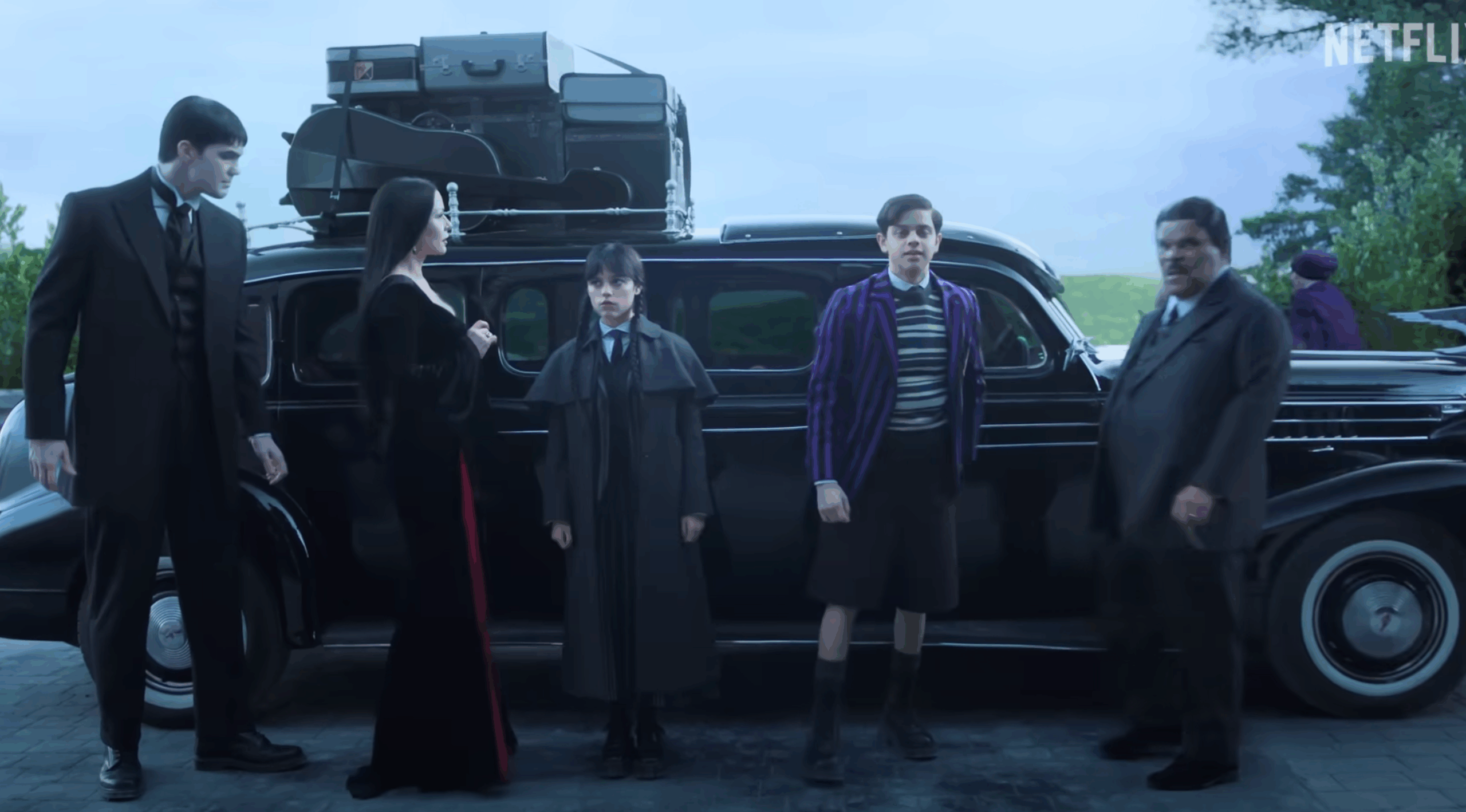
The Addams Family in the trailer for Wednesday Season 2 – YouTube, Netflix
After accidentally reviving a long-dead boy with a mechanical heart buried beneath a spooky tree, Pugsley casually names the reanimated corpse “Slurp” and treats him like a harmless, even endearing, pet. Yet the show can’t decide if Slurp is a mindless monster or a burgeoning menace.
He regenerates and gains intelligence by consuming human brains, portraying him as a clear threat. Despite this, the narrative awkwardly shoehorns him into comedic moments and sentimental scenes with Pugsley, reducing a potentially chilling plotline to a farce. This half-baked handling not only undermines any suspense but also trivializes the eerie lore established in the series, further fracturing the show’s already fractured tone.
Moreover, Pugsley’s personality flips back and forth without any consistency. One moment he’s timid and sidelined. The next, he acts cocky and borderline antagonistic toward his classmates and sometimes his own family. This erratic behavior undercuts any emotional investment the audience might have had and turns him into little more than a caricature. The show’s refusal to address this tonal whiplash, or even acknowledge his past as a fearful little brother, feels like a slap in the face to the character’s integrity.
Christopher Lloyd’s “Professor Olaf”: A Disrespectful Use of Legacy
One of the most painful creative decisions this season is the handling of Christopher Lloyd.
Rather than honoring his legacy as the iconic Uncle Fester from the ’90s films, Wednesday Season 2 reduces him to a literal head in a jar—a mechanical prop who’s little more than comic relief. This is both disrespectful and an example of creative bankruptcy. Christopher Lloyd’s presence could have brought real weight and nostalgia to the series, but instead, he’s sidelined into a caricature whose lines are barely intelligible, and who’s the butt of every prank.
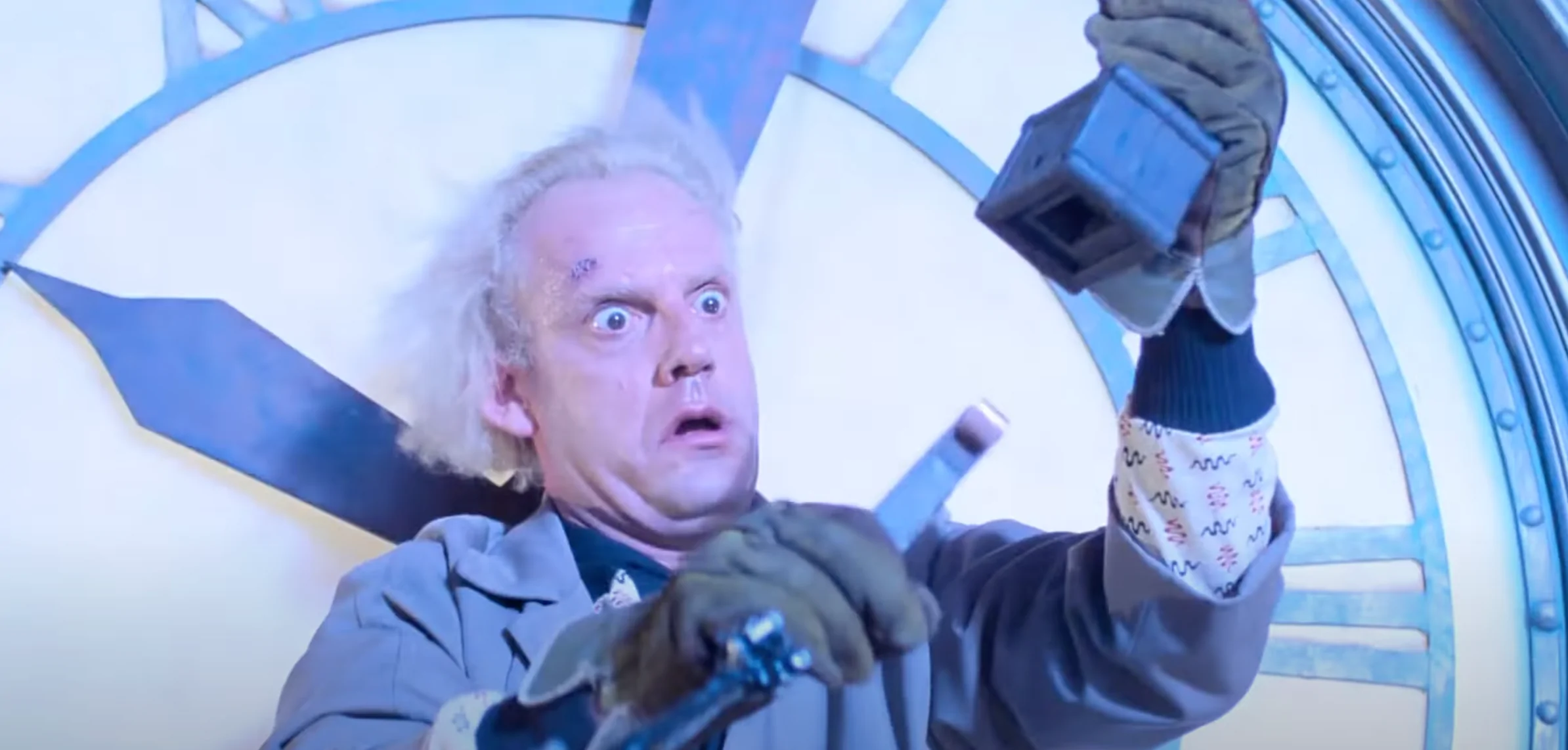
Doc Brown (Christopher Lloyd) attempts to make repairs on the Hill Valley Clocktower in Back To The Future – YouTube, MovieClips
It’s a bitter missed opportunity. With John Astin, the original Gomez Addams from the 60’s sitcom, still active, or Christopher Lloyd himself, the show had the perfect chance to bring “Grandpa Addams” to life in a way that honored the family’s rich history. Instead, they went for a cheap gimmick that feels like a slap in the face to long-time fans and the actors who helped build the Addams legacy.
Instead of anchoring the series in its rich heritage, the show sidelines one of its most beloved figures into a gimmick, deepening the overall sense of disrespect and squandered potential. This is not the kind of reverence the franchise deserves. It’s just another symptom of the show’s larger problem: a blatant disregard for the source material.
Family Dynamics: Gomez, Morticia and More
Gomez is frustratingly reduced to little more than a sidelined figure, stripped of the charismatic vitality and passionate spirit that made him a cornerstone of the Addams family.
Instead, he is portrayed as a pawn to a caricatured version of Morticia, who embodies a tired, overused “strong independent woman” trope. This Morticia exerts control over Gomez through manipulation rather than the genuine mutual respect and adoration that traditionally defined their relationship.
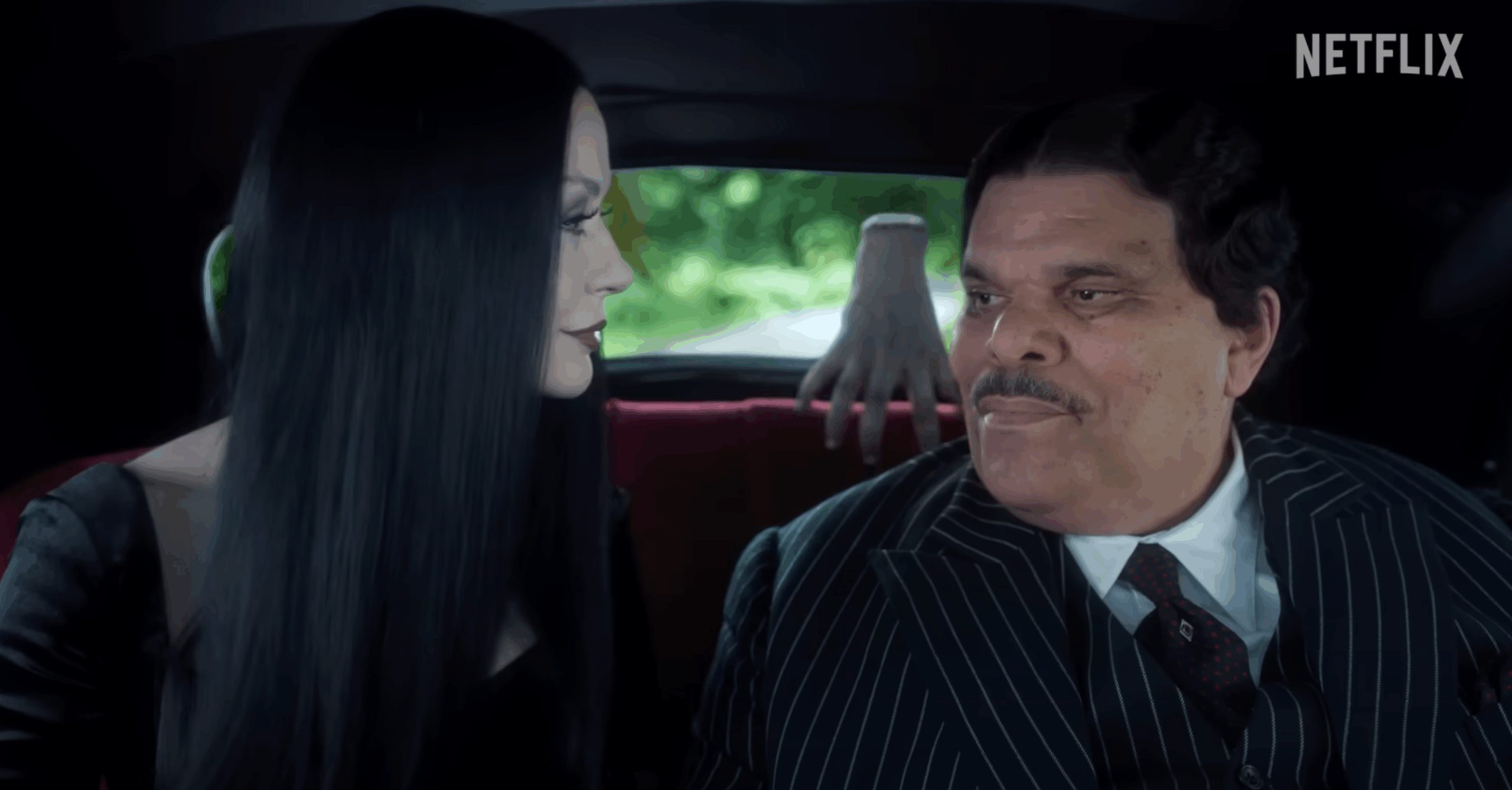
Gomez and Morticia Addams in the trailer for Wednesday Season 2 – YouTube, Netflix
She even tells Wednesday in Episode One: “Control is often an illusion. Like how I let your father think he’s the one in charge of this family.” This line is completely out of character, as well as the perfect explanation of the new relationship. The couple’s iconic romantic balance is erased, replaced with a one-sided power dynamic that feels both forced and emotionally hollow.
Compounding this, the show introduces “Mama”—Morticia’s mother—who inexplicably replaces the beloved Grandmama Addams—originally Gomez’s mother—as the matriarch running a funeral business. This not only distorts the established family hierarchy but also diminishes the warmth, eccentric charm, and complexity that Grandmama brought to the narrative. The result is a confusing reshuffling of roles that betrays long-time fans’ understanding and affection for the family.

Grandmama Addams and Wednesday Addams in Wednesday Season 2 – YouTube, Netflix
The radical reimagining of Aunt Ophelia is another glaring misstep. Originally conceived as Morticia’s cheerful, bubbly older sister—a foil to Morticia’s dark, macabre temperament—Ophelia is warped into a psychic driven mad by overuse of her powers. This rewrite strips her of her defining personality and role as a counterbalance within the family dynamic. Instead of providing lighthearted contrast, she becomes a cautionary tale of psychic excess, which feels out of place and needlessly darkened. These character assassinations compound into a fractured and unrecognizable family portrait, betraying the essence of what made the Addams family resonate for generations.
Normies vs. Outcasts: Simplistic Conflict and Confusing Climax
The “normies” verses “outcasts” theme is even more blatant in Wednesday Season 2 than in Season 1.
For instance, Episode Three pits Nevermore students against literal Boy Scouts in a juvenile, poorly choreographed fight over the right to stay on a double-booked camping ground. This stark “us versus them” dynamic lacks nuance and fails to capture the subversive social commentary that the Addams family’s outsider status once implied.
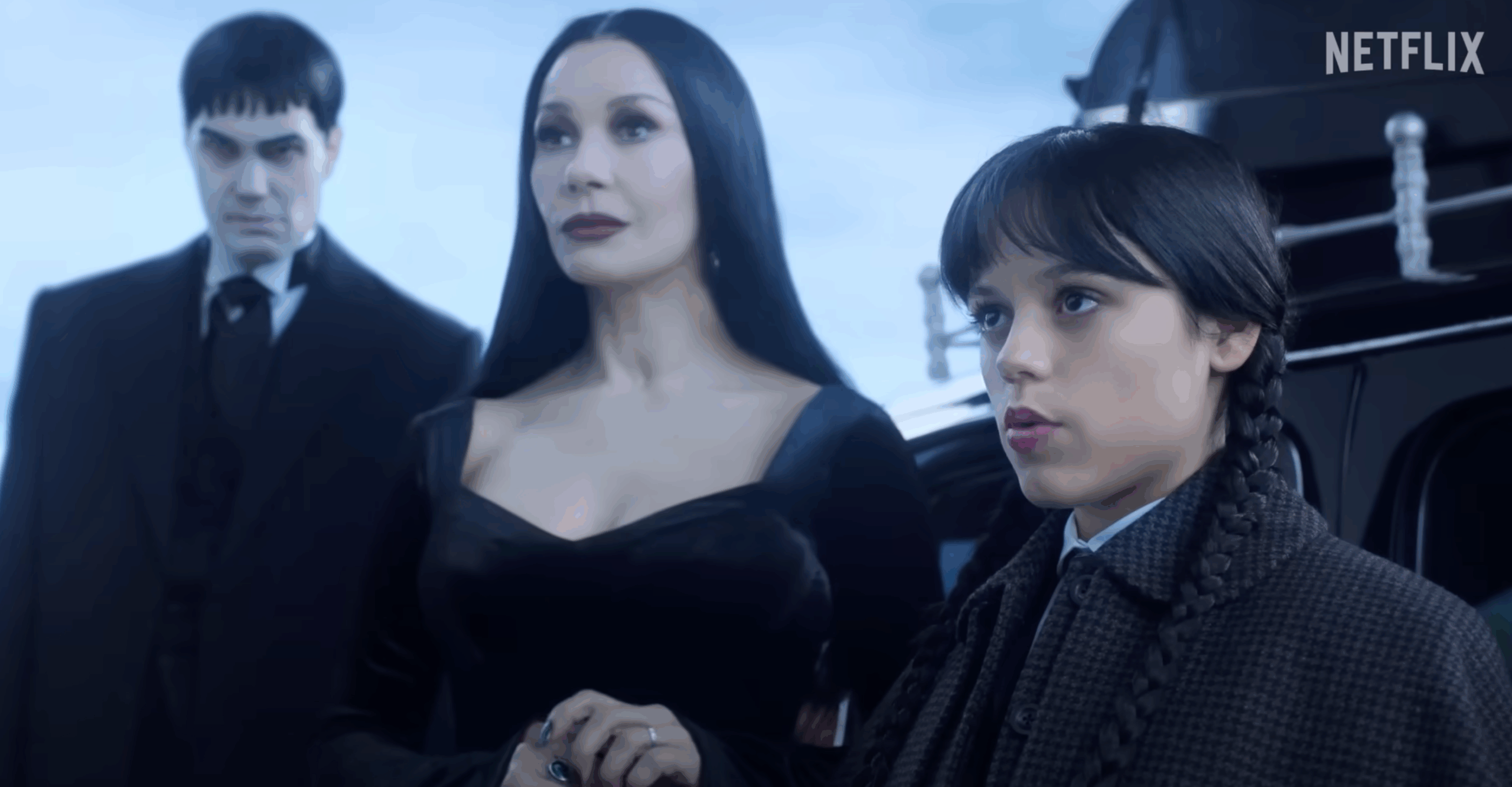
Wednesday Adams played by Jenna Ortega in the trailer for Wednesday Season 2 – YouTube, Netflix
Additionally, one of the season’s most significant but muddled revelations involves Dr. Judy Fairburn, introduced as the daughter of Dr. Stonehurst: a former “normie” teacher at Nevermore who secretly ran a shadowy program aimed at transferring “outcast” powers into “normies.” The reasoning the show gives for this is that he wanted to become an “outcast.” Stonehurst’s covert experiments had dark consequences, resulting in Fairburn’s bird-controlling abilities and her role as the series’ main antagonist.
Instead of capitalizing on this intriguing premise, the show treats the asylum setting and the Long-Term Outcast Integration Study, as it’s called, with haphazard storytelling and underdeveloped motives. The infiltration by Fester and Wednesday feels forced, and the conflict with Fairburn lacks the narrative weight and coherence necessary to elevate the season’s climax beyond cliché horror tropes. Especially with how she’s immediately killed off by the tortured prisoners, whom Uncle Fester freed.
Tonal Chaos: A Season Caught Between Farce and Gothic Horror
The show’s desperate struggle to juggle dark gothic atmosphere with ill-conceived slapstick attempts collapses spectacularly in the “Prank Day” episode.
Instead of building suspense or developing characters, it devolves into juvenile stereotypes and lazy humor. The new sheriff, reduced to nothing more than a “large Black woman” caricature played for cheap, tired laughs, embodies the show’s failure to respect its own characters or audience. This isn’t just poor writing, but a glaring insult masked as humor.

Grandmama Addams and Gomez Addams in Wednesday Season 2 – YouTube, Netflix
Such reckless tonal whiplash eviscerates any chance for genuine emotional engagement. Viewers seeking a coherent story are left confused and alienated as the show flips wildly between moods, sabotaging the narrative’s stakes and the characters’ arcs. The result is a fragmented mess that dishonors the gothic legacy it pretends to uphold while humiliating itself as ineffective farce.
In conclusion, just like with Season 1, Wednesday Season 2 is not just disappointing. It’s a betrayal of everything The Addams Family stands for. It dismantles beloved characters, muddles the plot, and drowns in tonal chaos. What could have been a compelling gothic mystery instead becomes a fractured narrative of caricatures and missed potential.

Grandmama Addams in Wednesday Season 2 – YouTube, Netflix
For fans craving the sharp wit, emotional depth, and macabre charm that define the Addams legacy, this show is both a disappointment and a betrayal.
Did you watch this show? Give your Wednesday Season 2 review in the comments!
UP NEXT: Fantastic Four Flat-Lines in Third Weekend at the Box Office
