


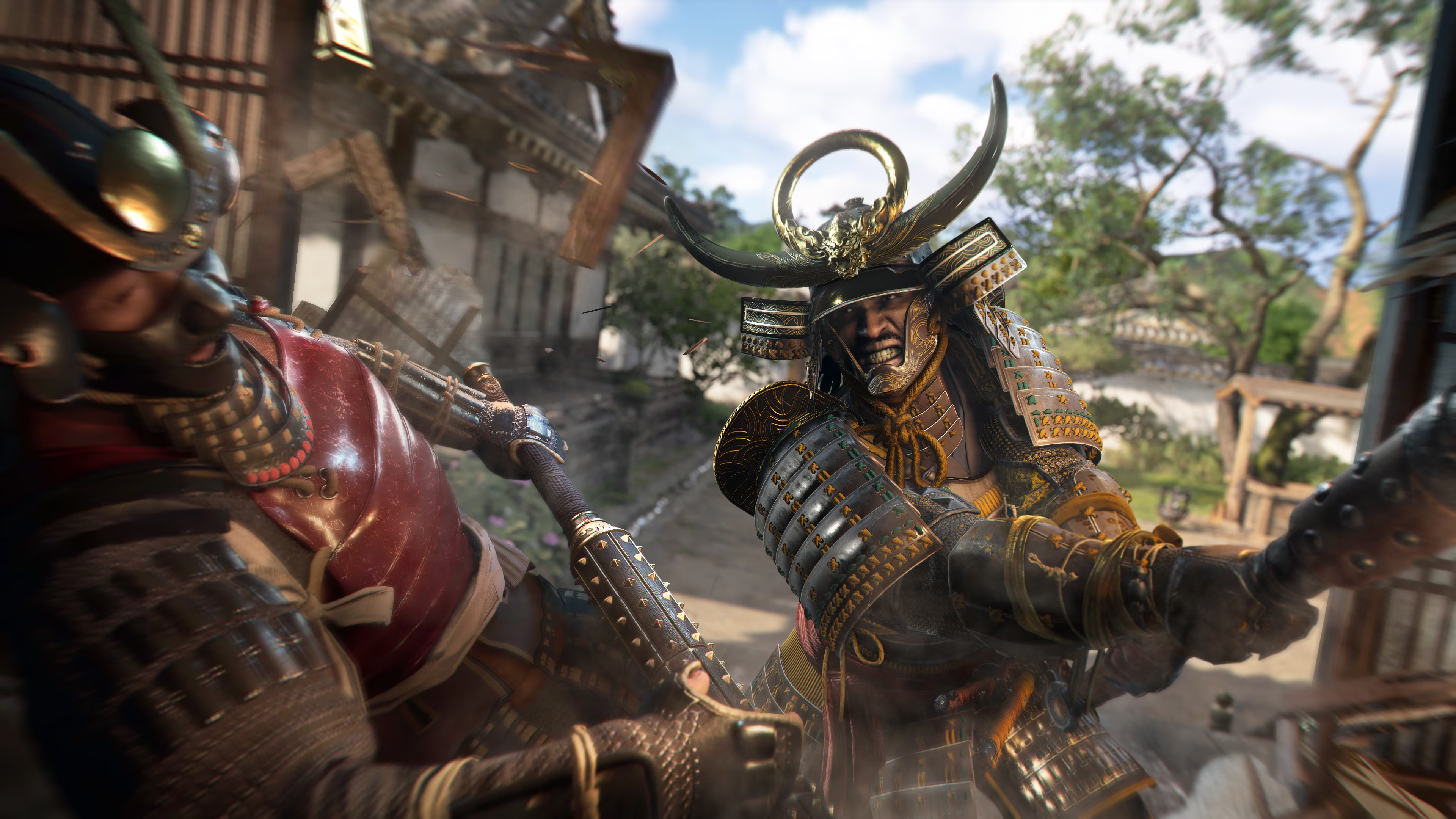
Ubisoft has reportedly canceled an Assassin’s Creed game set during the Post American Civil War Reconstruction era. According to a report from Game File, the project was scrapped in 2024 after the company faced backlash over the Black samurai Yasuke in Assassin’s Creed Shadows and grew nervous about the political climate in the United States.
The decision shows that Ubisoft has learned the wrong lesson. Instead of realizing players are tired of identity-driven storytelling and virtue signaling, leadership apparently concluded that audiences simply can’t handle complex topics. The result is a company running from its own self-inflicted wounds.
Ubisoft Cancels a Game No One Wanted
Sources told Game File that the Assassin’s Creed Civil War concept would have followed a formerly enslaved man who joined the Assassin Brotherhood after gaining his freedom, traveling west before returning to the post-war South to “to fight for justice in a conflict that would, among other things, see him confront the emergence of the Ku Klux Klan.”
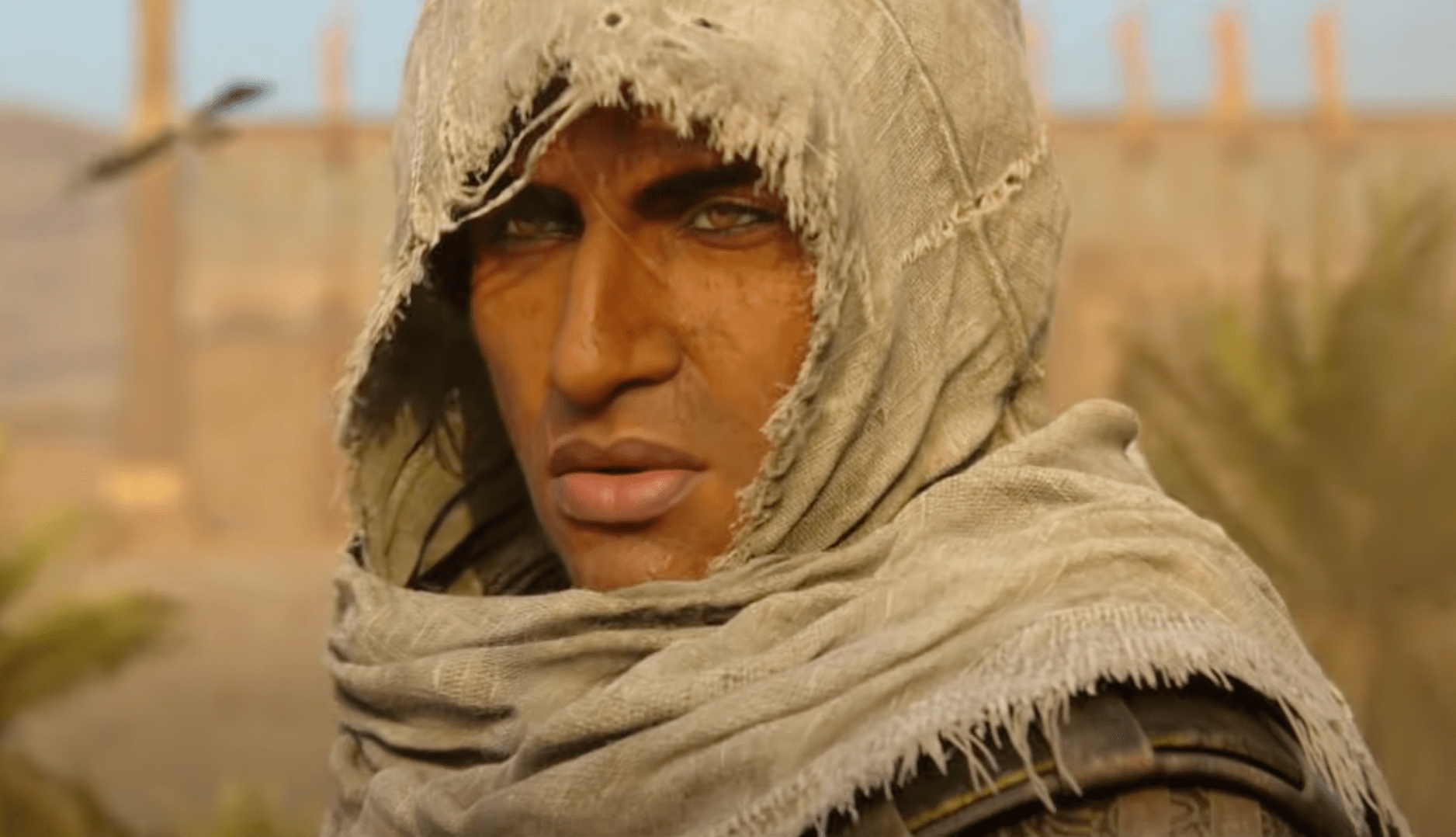
Bayek from Assassin’s Creed Origins – YouTube, Ubisoft North America
Five current and former employees said the project had early approval before executives killed it. One insider summarized the reason as being “too political in a country too unstable.”
That explanation might sound like caution, but it misses the point entirely. Ubisoft didn’t pull the plug because of political instability — it pulled it because the project was political from the start. No one was asking for a lecture about race wrapped in Assassin’s Creed branding. Players have been asking for historical escapism, not another attempt at rewriting history through modern ideological filters.
The Yasuke Problem
Ubisoft’s panic over the Civil War project stems directly from the reaction to Assassin’s Creed Shadows. When the company revealed Yasuke as one of its playable leads, fans immediately noticed how far the franchise had strayed from its own traditions.
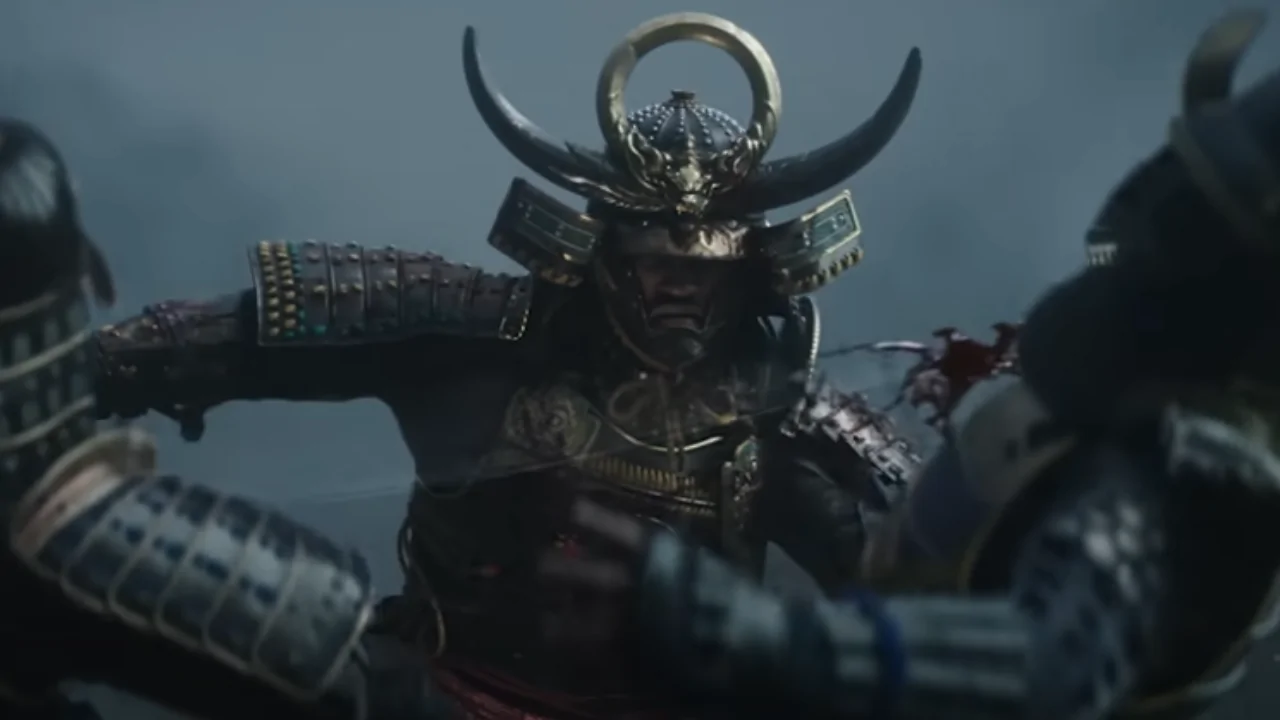
A screenshot from Assassin’s Creed Shadows (2024), Ubisoft
Historically, Assassin’s Creed protagonists were original characters who interacted with real historical figures. Shadows broke that pattern by placing players directly in the shoes of a historical figure whose story has been stretched to fit modern talking points. Ubisoft marketed the move as “authentic representation,” but fans saw it for what it was — corporate virtue signaling designed to score headlines rather than tell a compelling story.
The backlash was loud because it exposed what longtime fans already suspected: Ubisoft isn’t focused on immersive historical storytelling anymore. It’s focused on image management.
The Company That Preaches “No Politics”
When Assassin’s Creed Shadows was criticized, CEO Yves Guillemot publicly claimed Ubisoft’s “goal is not to push any specific agenda,” insisting they make “games for everyone to enjoy.” That line rings hollow when the same leadership keeps steering creative teams toward projects built around modern ideological themes.

Yves Guillemot via Ubisoft North America YouTube
READ: RUMOR: Ghost of Yotei Ads Quickly Scaled Back by Sony Japan Due to Collapsing Sales
The company has a long track record of pretending neutrality while chasing political relevance. Far Cry 5 mocked supposed American extremism. Watch Dogs: Legion took aim at nationalism and surveillance. And now Ubisoft flirted with rewriting post–Civil War America before realizing it might actually have to defend its own message.
Fear, Not Principle
According to Game File’s report, Ubisoft’s finances also played a role in the cancellation. After a disastrous 2024 filled with delays, weak sales, and falling stock prices, leadership became increasingly risk-averse. The idea of releasing a politically charged story about race relations in the middle of America’s cultural divide became too much for a company already struggling to maintain stability.
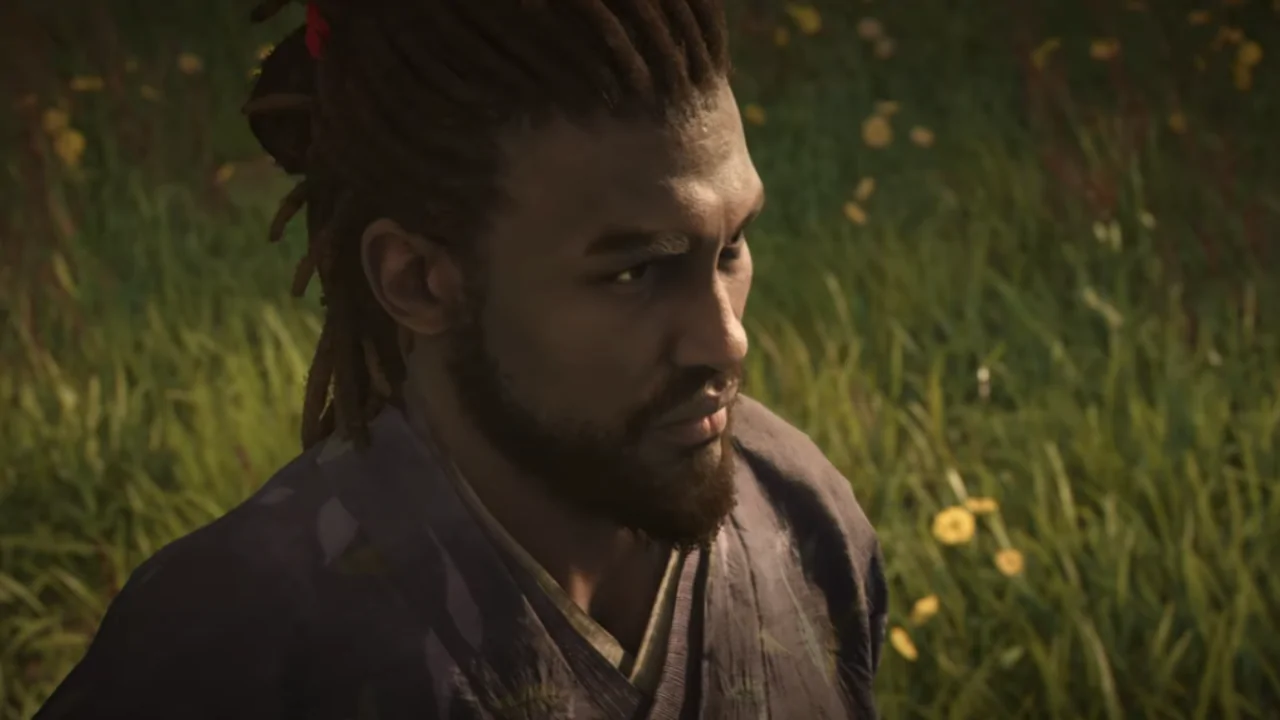
A screenshot from Assassin’s Creed Shadows (2024), Ubisoft
But that caution comes years too late. The real problem isn’t the setting — it’s the mindset. Ubisoft keeps trying to sell ideology under the banner of “representation,” then acts shocked when the gaming community pushes back.
Ubisoft’s Identity Crisis
The Assassin’s Creed Civil War cancellation is just the latest example of Ubisoft not understanding its audience. Fans want deep gameplay, historical intrigue, and creative freedom — not corporate messaging about race, gender, or politics.
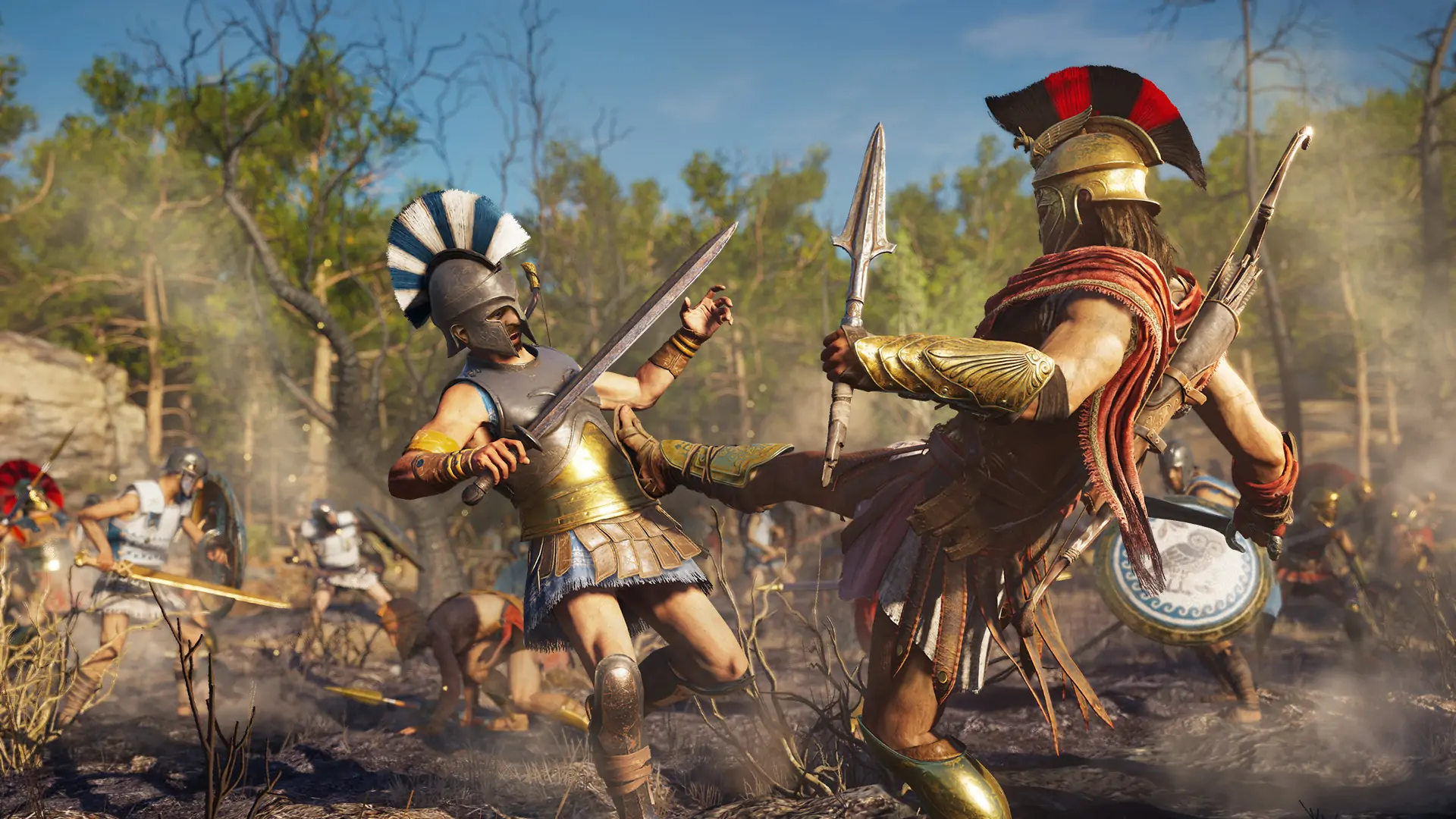
A screenshot from Assassin’s Creed Odyssey (2018), Ubisoft
Ubisoft’s leadership is now paralyzed by fear. It insists its games are “for everyone” while designing them for social-media applause. It talks about “authenticity” while rewriting history to fit modern narratives. And it blames players for “instability” when the real instability is inside the company itself.
The Bottom Line
Ubisoft didn’t cancel a bold idea — it canceled another politically motivated misfire before it could explode. After years of scandals, poor management, and tone-deaf storytelling, the company seems determined to alienate both its developers and its fanbase.
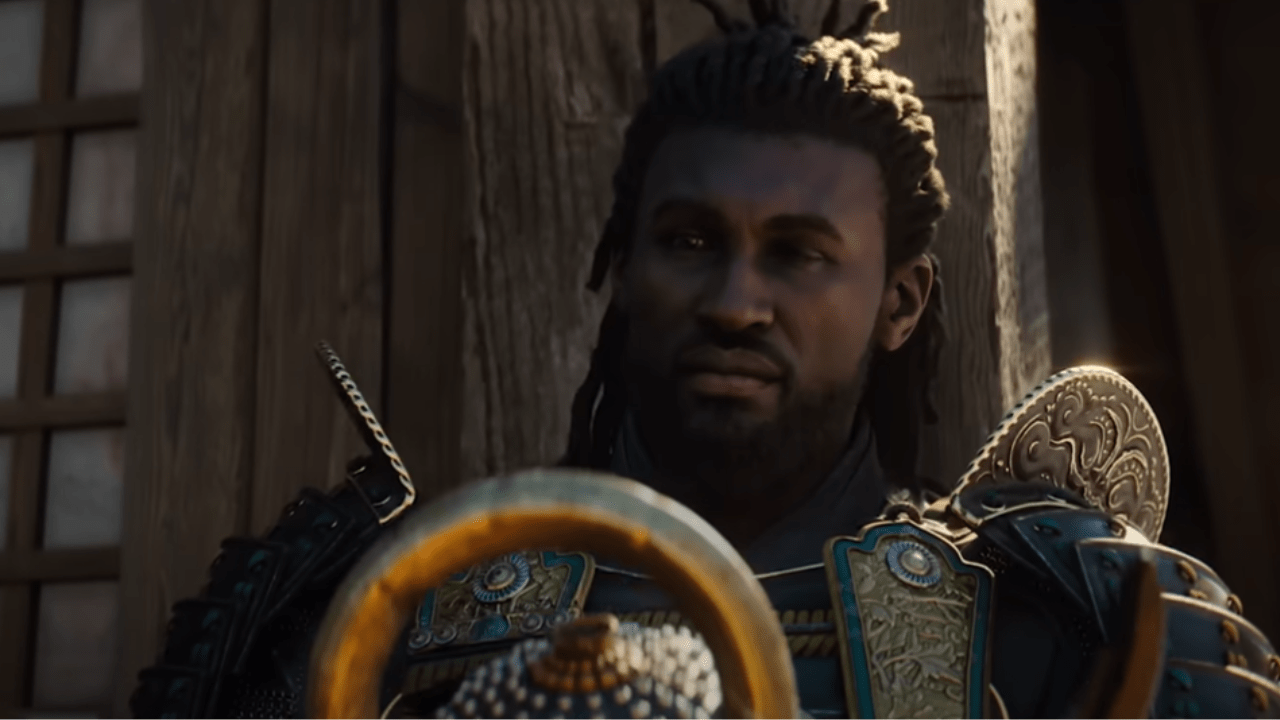
A screenshot from Assassin’s Creed Shadows (2024), Ubisoft
If Ubisoft wants to save Assassin’s Creed, it doesn’t need more “representation” or sensitivity consultants. It needs to remember what made the series iconic in the first place: compelling history, solid gameplay, and a story players actually want to experience.
Are you surprised Ubisoft canceled this Assassin’s Creed Civil War game? Sound off in the comments and let us know!
UP NEXT: Death at Disneyland: Woman Dies After Riding The Haunted Mansion
