


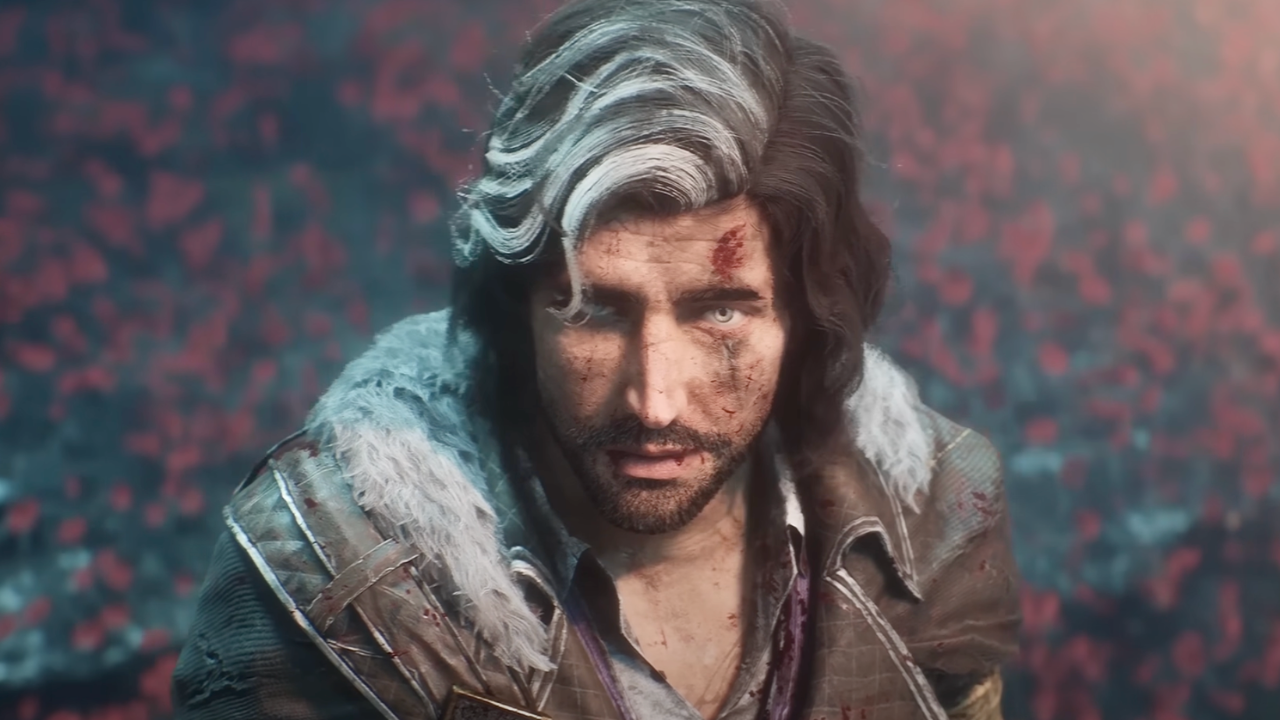
The The Indie Game Awards have made the decision to retroactively strip Clair Obscur: Expedition 33 of its Game of the Year and Debut Game awards—after the ceremony had already been recorded and aired—citing the use of generative AI during development.
The ruling, announced by show organizer Six One Indie, came only after voting was completed and the awards publicly presented. According to the organization’s statement, the reversal followed a confirmation from developer Sandfall Interactive on the day of the show’s premiere that generative AI had been used at some point during development, contradicting assurances made during the submission process.
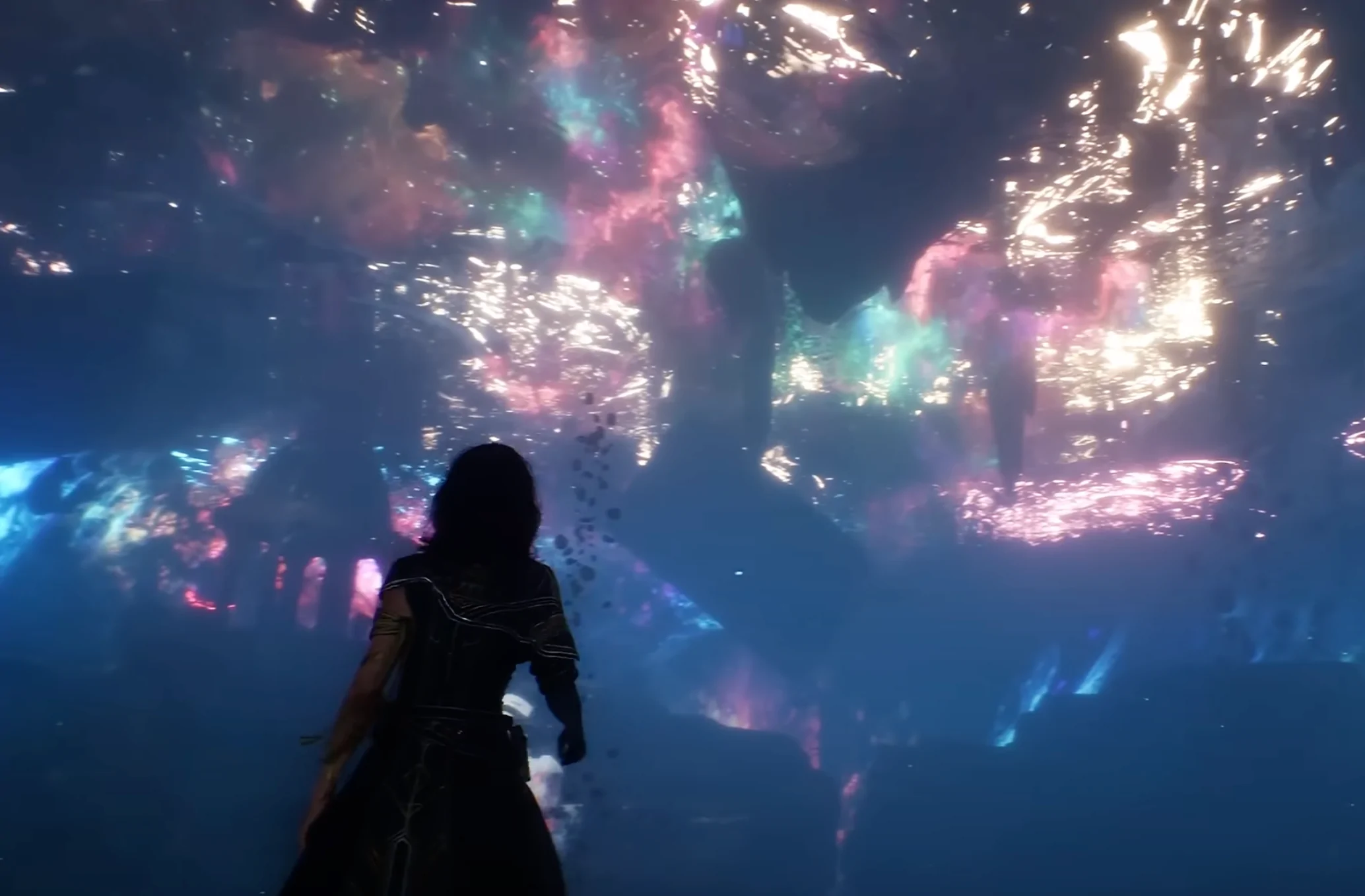
A screenshot from the trailer to Clair Obscur: Expedition 33 – YouTube, IGN
READ: Disney Begins Casting for New Mickey Mouse Clubhouse Live Show at Hollywood Studios
While the awards body has framed the decision as a straightforward enforcement of its rules, the manner in which it was carried out—and the lack of clarity surrounding it—has sparked significant backlash.
A Severe Penalty With Little Public Explanation
Six One Indie has emphasized that The Indie Game Awards maintain a hard stance against generative AI, stating that any confirmed usage renders a title ineligible. However, beyond that assertion, no meaningful detail has been provided.
Neither the awards organizers nor Sandfall Interactive have publicly explained:
- What specific AI tools were used
- When they were used during development
- Whether any AI-generated content appears in the final game
- Or how significant that usage actually was
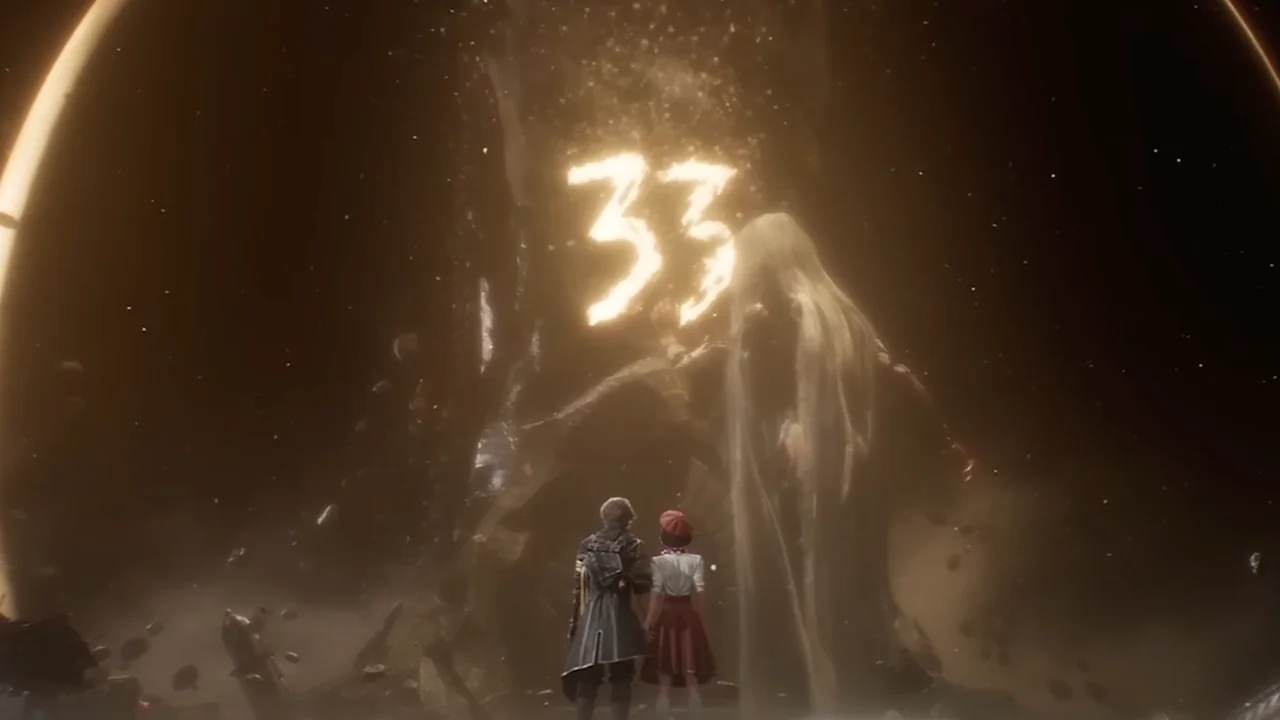
A screenshot from the trailer to Clair Obscur: Expedition 33 – YouTube, IGN
As a result, Clair Obscur: Expedition 33—a game widely praised for its artistic direction, combat systems, and overall craftsmanship—has been stripped of its top honors without the public being given enough information to evaluate whether the punishment is proportionate to the offense.
A Decision That Raises Fairness Concerns
Even critics of generative AI have questioned the retroactive nature of the ruling.
The game was vetted, nominated, voted on, awarded, and publicly celebrated before being disqualified. That sequence has led many to ask why enforcement occurred only after the ceremony concluded, rather than during the review or nomination process.
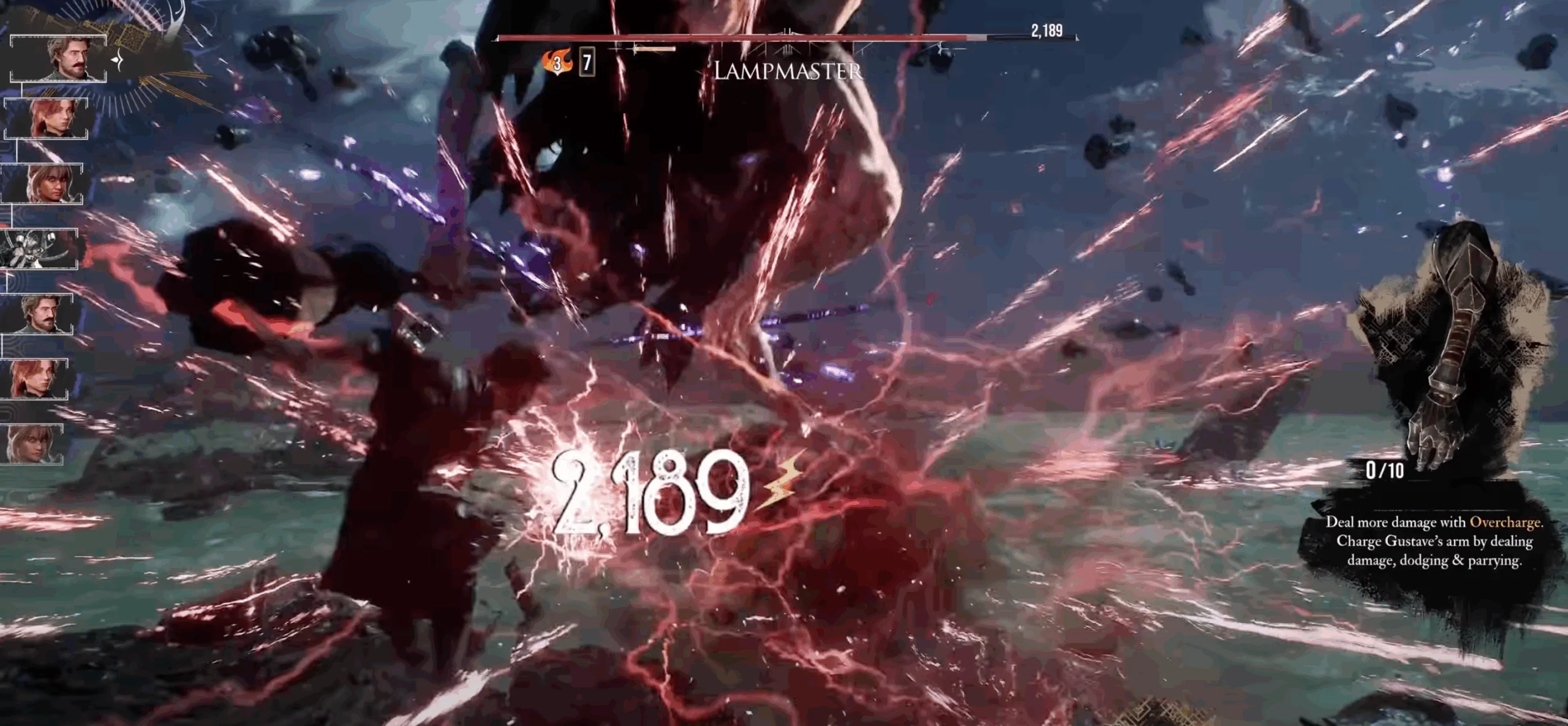
A screenshot from the trailer to Clair Obscur: Expedition 33 showing off the game’s combat – YouTube, IGN
READ: Disney Developing Live-Action Gaston Film
If the use of AI was disqualifying, critics argue, it should have been addressed before trophies were handed out—not after the fact, when recognition had already been given and then abruptly withdrawn.
Fan Discourse Reflects a Lack of Transparency
Unsurprisingly, the absence of clear information has fueled intense fan discourse.
Across forums and comment sections, supporters of Clair Obscur: Expedition 33 have expressed frustration that no one outside the awards organization appears to know exactly what AI usage triggered the disqualification. Some believe the ruling reflects an inflexible, zero-tolerance ideology rather than a practical evaluation of the finished work. Others argue that if AI use occurred, the responsibility lies with the awards body for failing to catch it earlier.
What is clear is that these debates are happening in an information vacuum. None of the competing theories about the scope of AI involvement have been independently verified, and the lack of transparency has left fans defending a game without knowing what, precisely, it’s being punished for.
Collateral Damage and an Industry-Wide Question
The decision has also overshadowed the reassignment of awards to Blue Prince and Sorry We’re Closed, whose achievements have been largely eclipsed by controversy.
More broadly, the situation highlights an unresolved problem in modern game development: how AI use should be defined, disclosed, and evaluated in an industry where AI-assisted tools are becoming increasingly commonplace.
The Bottom Line
At present, the known facts are limited. Clair Obscur: Expedition 33 was disqualified after generative AI usage was confirmed, and its awards were stripped accordingly.
What remains unknown—by design or omission—is the scope, context, and impact of that usage.

A screenshot from the trailer to Clair Obscur: Expedition 33 – YouTube, IGN
Until those details are made public, the perception will persist that a critically acclaimed game was punished retroactively under unclear standards, leaving both the developer and the audience to shoulder the fallout of a decision that raises more questions than it answers.
Do you think Clair Obscur: Expedition 33 deserved to be stripped of its awards due to AI? Sound off in the comments and let us know!
UP NEXT: James Gunn Confirms Lars Eidinger Cast as Brainiac in DCU’s Man of Tomorrow
