


For years, Disney executives and legacy media outlets have insisted that Disney+ is a dominant force in the streaming wars. But new data tells a very different story — and it’s one that puts the entire Disney+ growth narrative in serious doubt.
According to a Bloomberg streaming study tracking U.S. television viewership from 2020 to 2025, Disney+ has experienced no meaningful growth for three consecutive years, even as competitors like Netflix and Amazon Prime Video continue to expand their footprint. The findings raise uncomfortable questions about whether Disney’s streaming strategy has actually stalled out, despite its massive library of recognizable intellectual property.
Disney+ Viewership Has Flatlined Since 2022
The Bloomberg data shows that Disney+ grew its share of U.S. TV viewership from 4.6% in 2021 to 5.2% in 2022, then stopped growing altogether. By 2023, viewership had stalled — and by 2025, it had fallen back to 4.8%, effectively erasing most of its early gains.
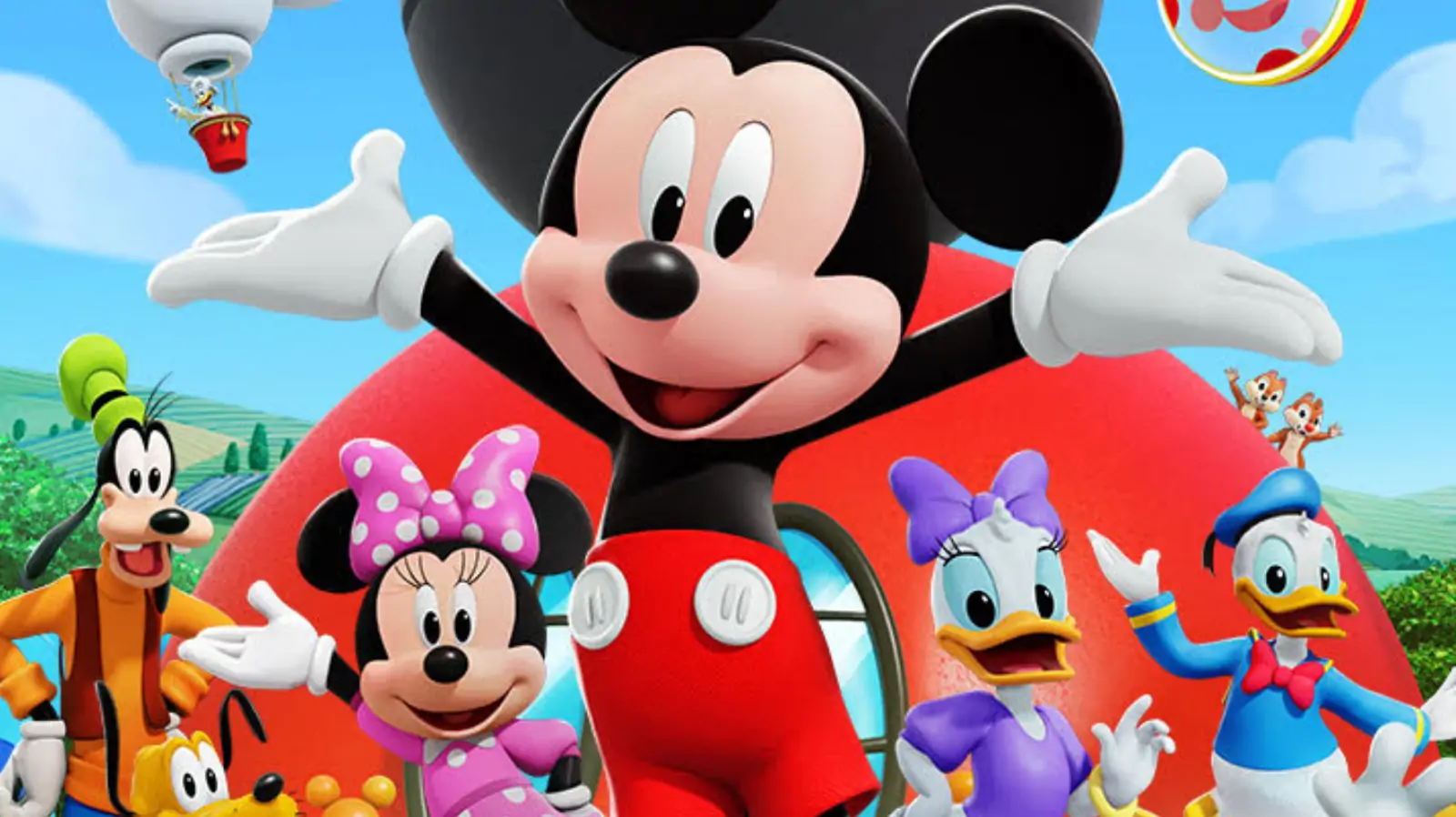
Mickey and friends from Mickey Mouse Clubhouse – Disney+
READ: Hollywood Media Runs Cover for Stranger Things With Claims of Review Bombing…Again
That stagnation stands in sharp contrast to competitors. Netflix expanded from 6.6% in 2021 to 8.2% in 2025, while Amazon Prime Video grew from 2.2% to 3.7% over the same period. In other words, while the streaming market continued to evolve, Disney+ simply stood still.
This is especially notable given Disney+’s explosive launch in 2019, which Bloomberg previously described as the most successful streaming debut by any traditional entertainment company. Tens of millions of users signed up in its first month, driven largely by The Mandalorian and a deep catalog of familiar Disney titles.
Hit Movies Aren’t Enough to Drive Long-Term Growth
One of the more revealing aspects of the Bloomberg study is how heavily Disney dominates the list of most-streamed movies — without that dominance translating into sustained platform growth.
Disney titles account for seven of the top 10 streamed movies, with Moana alone racking up 37.7 billion hours watched, making it the most-streamed movie across all platforms. Yet movie consumption simply doesn’t move the needle the way television does.

Moana in Moana (2016), Walt Disney Studios
Even Moana’s massive total is dwarfed by long-running series. A single season of television generates exponentially more viewing hours than a two-hour film, which helps explain why Netflix — which dominates the most-watched original series rankings — continues to pull away.
In fact, every single top-10 original streaming series belongs to Netflix, including Ozark, Stranger Things, and Love Is Blind. Disney’s flagship show, The Mandalorian, doesn’t even make the list.
Disney+ Lacks Breakout Adult Programming
The core issue facing Disney+ growth appears to be its inability to consistently attract adult audiences. While children’s programming and family films remain popular, they don’t generate the sustained engagement required to fuel long-term expansion.
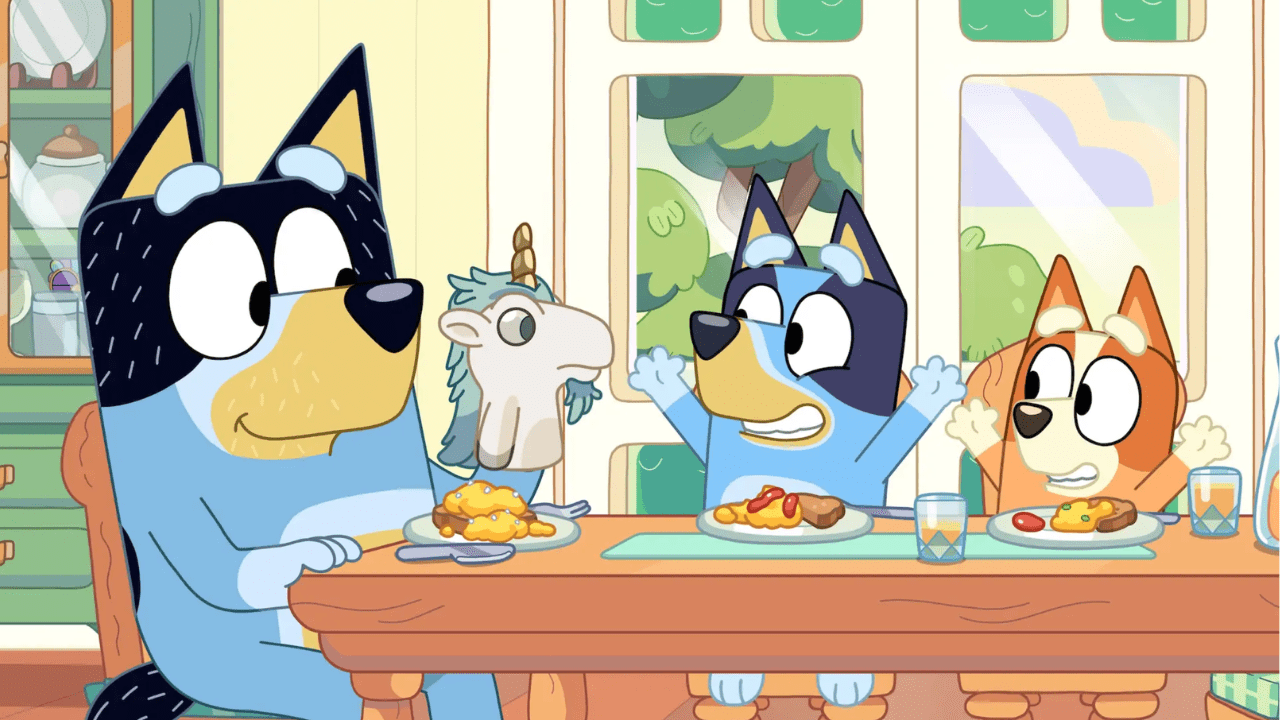
Bluey, Bingo, and Bandit from Bluey – Disney Plus
READ: Sonic The Hedgehog Franchise Set to Grow as Paramount Eyes 2028 Sonic Universe Movie Spinoff
Among the most-watched non-original series, only Bluey streams on Disney+, and while it ranks high, it is surrounded almost entirely by content available elsewhere. By comparison, Netflix dominates the upper tier of both original and licensed television content.
This helps explain Disney’s recent decision to integrate Hulu and ESPN+ directly into the Disney+ app. Several of the most-watched shows overall — including NCIS and Grey’s Anatomy — stream on Hulu, not Disney+. Folding that content into Disney+ may improve headline metrics, but it also illustrates a larger problem: Disney+ alone isn’t delivering the growth Disney once promised.
A Defensive Strategy, Not a Growth One
Rather than signaling momentum, the Hulu integration looks increasingly like a defensive move designed to prop up engagement figures. Disney+ has not produced a new, must-watch series capable of driving cultural conversation at scale, while competitors continue to do exactly that.
Even Peacock, often treated as an afterthought in the streaming conversation, boasts a more attractive back catalog for adult viewers. Disney+’s reliance on legacy animated films and youth-focused series limits its ability to compete in a market where serialized television drives subscription decisions.

(L-R): Boba Fett (Temuera Morrison) and the Mandalorian (Pedro Pascal) in Lucasfilm’s THE BOOK OF BOBA FETT, exclusively on Disney+. © 2022 Lucasfilm Ltd. & ™. All Rights Reserved.
Three years without growth is no longer a temporary plateau. It’s a trend — and one that challenges the perception of Disney+ as a rising powerhouse in the streaming ecosystem.
Unless Disney can deliver programming that resonates beyond its youngest audience, the Disney+ growth story may already be over.
Do you think Disney+ will see any growth in 2026? Sound off in the comments and let us know!
UP NEXT: Supergirl Missing From Most Anticipated 2026 Releases List in China as Asian Marketing Begins
