


This article contains spoilers for the ending of Stranger Things.
For a show that once prided itself on emotional stakes, clear consequences, and a willingness to put its characters through the wringer, the Stranger Things ending lands with a dull thud. Not because it was quiet. Not because it was sentimental. But because it refused—again and again—to actually commit.
The Stranger Things ending doesn’t feel like a conclusion. It feels like a studio-approved shrug.
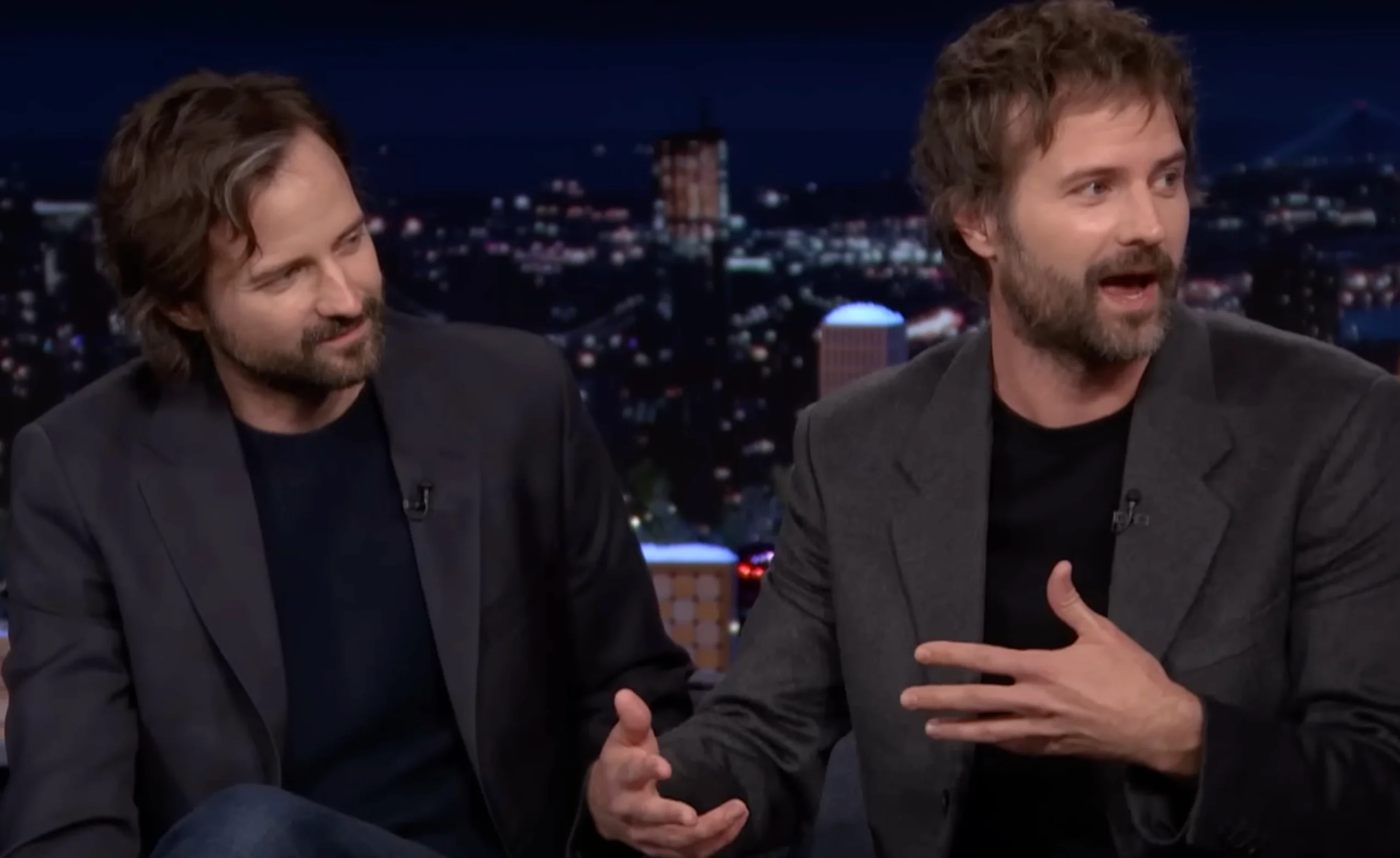
Stranger Things Creators The Duffers speaking to Jimmy Fallon – YouTube, The Tonight Show With Jimmy Fallon
READ: Disney Celebrates America’s 250th Anniversary in 2026 Tournament of Roses
After nearly a decade, countless hours, and a budget that ballooned into the hundreds of millions, the series wraps not with answers, but with hedges. With “maybe.” With “you decide.” With a creative philosophy that can best be summarized as: Please don’t be mad at us.
That’s not bold storytelling. It’s cowardly writing.
“You Decide” is a Cop-Out
Leaving some things open-ended can be effective. Ambiguity, when earned, invites discussion. But the Duffers didn’t stop at subtlety—they made indecision the point.
Take Robin and Vickie, a relationship that was given screen time, emotional emphasis, and narrative weight. When asked directly what happened to them after the finale’s flash-forward, the creators openly refused to answer.

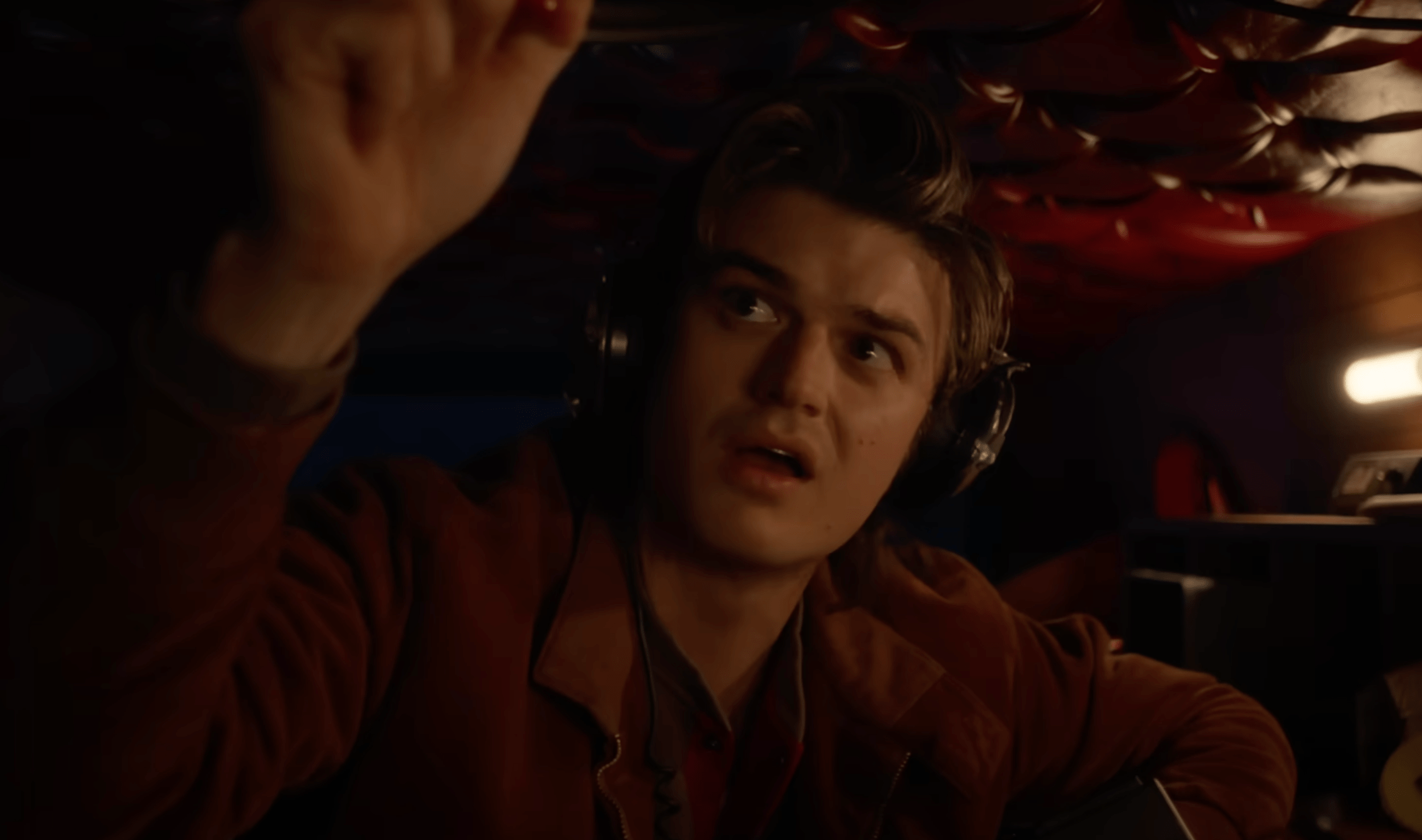
A scene from the teaser trailer for Stranger Things 5 – YouTube, Netflix
As Ross Duffer explained: “We do that flash-forward in Mike’s story and we bring them up to a certain point, and then we want to leave it a little bit up to fans in terms of where these characters end up ultimately.”
When pressed further, he added: “Do Robin and Vickie stay together? Maybe, maybe not.”
Matt Duffer followed up by grounding that indecision in real-life statistics.
“From my point of view and from everyone I knew in high school, what percentage of couples remain together after they leave for college?” he asked. “Extremely low.”
A scene from the teaser trailer for Stranger Things 5 – YouTube, Netflix
Then, after undercutting the relationship entirely, he tossed in a final hedge: “But… you never know.”
This isn’t complexity. It’s avoidance. The writers wrote the relationship. They framed it as meaningful. Then, when it came time to land it, they stepped back and told the audience to finish the job for them.
That alone would be irritating. Unfortunately, it wasn’t limited to a side romance.
Eleven’s Fate Deserved an Answer—Not a Riddle
The most glaring example of this narrative refusal centers on Eleven, the beating heart of the series from episode one. Her fate should have been the emotional spine of the finale. Instead, it became another exercise in deflection.
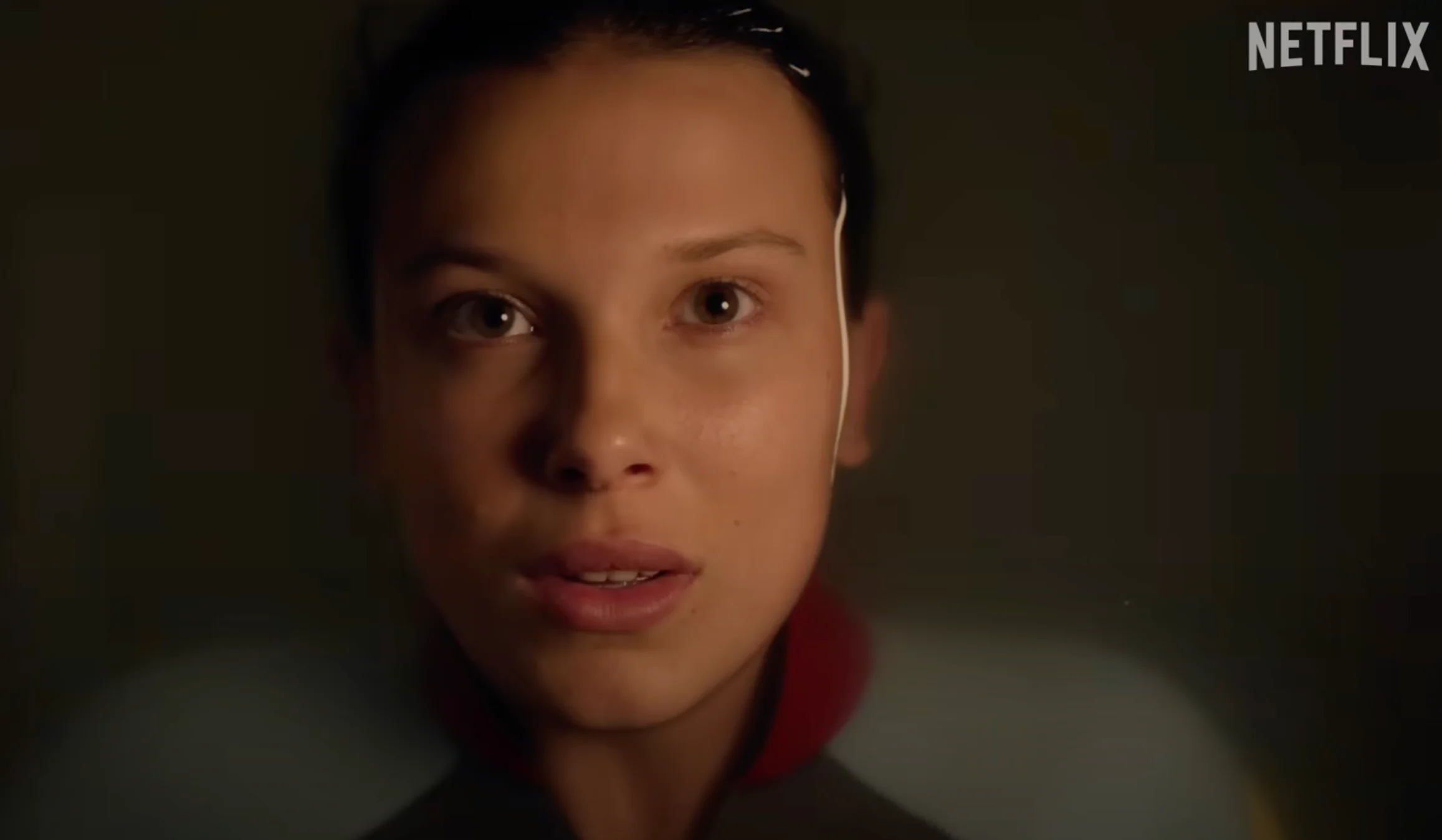
A scene from the teaser trailer for Stranger Things 5 – YouTube, Netflix
Eleven appears to sacrifice her life to die with The Upside Down in one of the finale’s biggest moments. But then, right at the finish line, Mike offers an alternate take where Eleven survives and winds up relocating somewhere else in the world to live in secret. Which story is the true “canon” answer is left open to interpretation.
When asked directly about what actually happens to her, Ross Duffer offered this explanation:
“She lives on in their hearts, whether that’s real or not.”
Read that again. Slowly.
That is not an answer. That is a Hallmark card wrapped around a dodge.
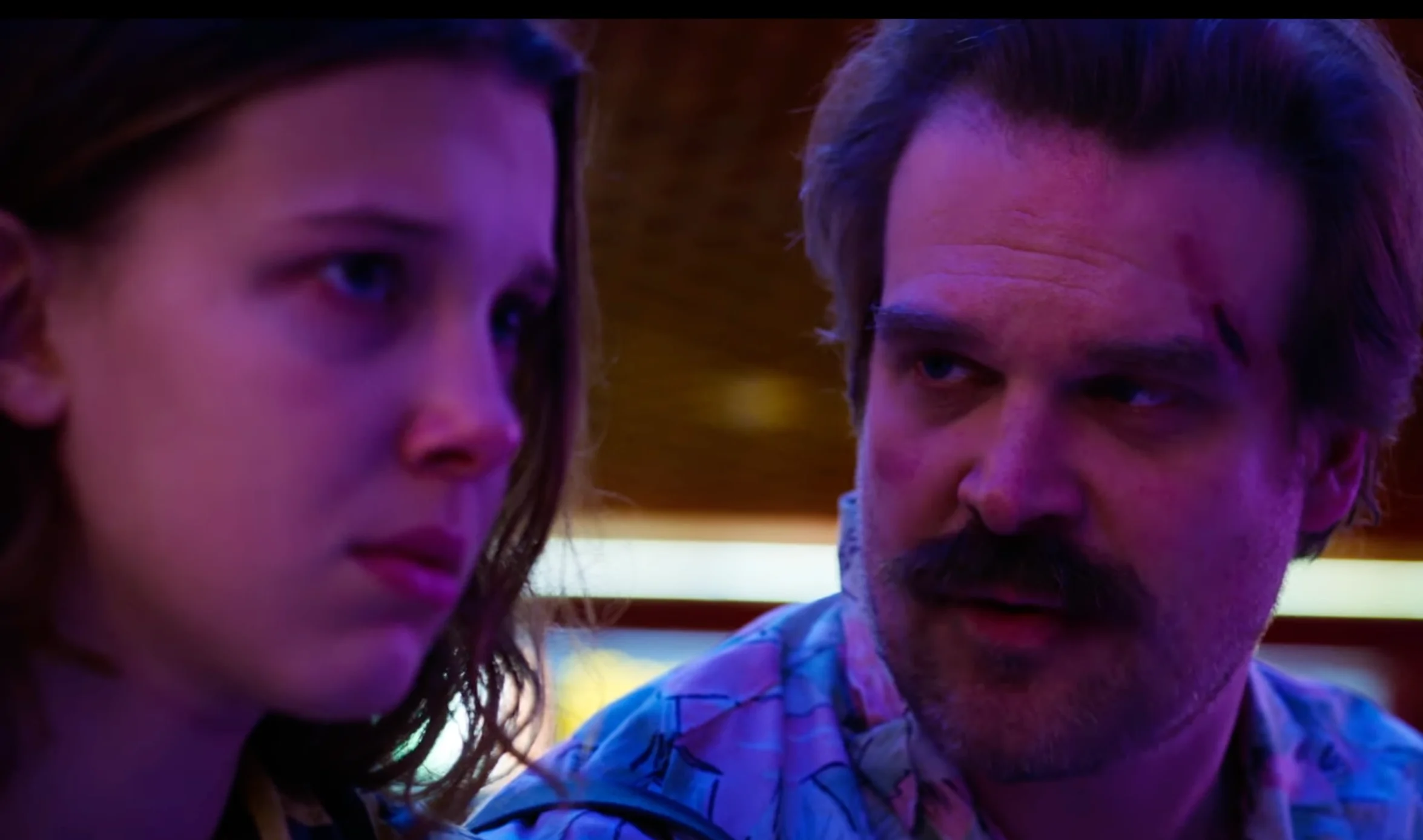
David Harbour and Millie Bobby Brown in Stranger Things – YouTube, Still Watching Netflix
READ: Netflix Announces KPop Demon Hunters Has Surpassed Half a Billion Views
Eleven doesn’t get a confirmed survival. She doesn’t get a confirmed death. Instead, viewers are handed a vague, philosophical non-statement and expected to feel satisfied. Mike’s convoluted narration does the heavy lifting, offering just enough ambiguity for defenders to argue she lived, and critics to argue she didn’t.
Cowards.
Afraid of Backlash, So Nothing Is Confirmed
When you step back, a pattern emerges. The Stranger Things ending isn’t ambiguous because the story demanded it—it’s ambiguous because the creators were afraid to plant a flag.
- Confirm Robin and Vickie broke up? Risk upsetting activist fans invested in that same-sex pairing.
- Confirm Eleven died? Risk backlash over killing the face of the franchise.
- Confirm she lived? Risk complaints that the ending lacked stakes.
So instead, the Duffers chose the safest possible route: confirm nothing.
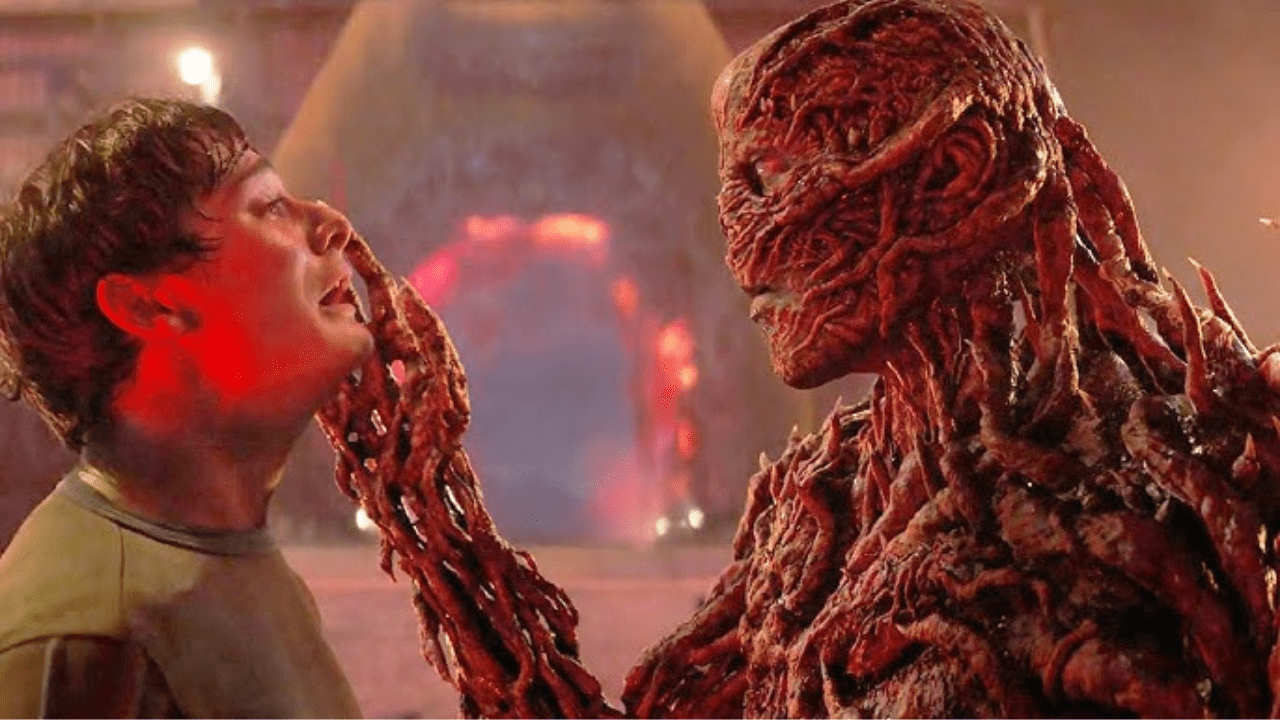
Vecna confronts Will in Stranger Things 5 – Netflix
This isn’t how finales are supposed to work. Endings exist to end things. To say, “This happened. This mattered. This is the cost.”
Telling audiences to “decide for themselves” isn’t empowering them. It’s the writers abdicating responsibility.
Viewers Aren’t Co-Writers
Here’s the part that sticks in the craw: viewers weren’t paid millions to write the ending of Stranger Things. The Duffers were.
Audiences showed up. They invested emotionally. They followed the rules of the story as they were laid out. In return, they were given a finale that repeatedly ducks responsibility for its own narrative choices.
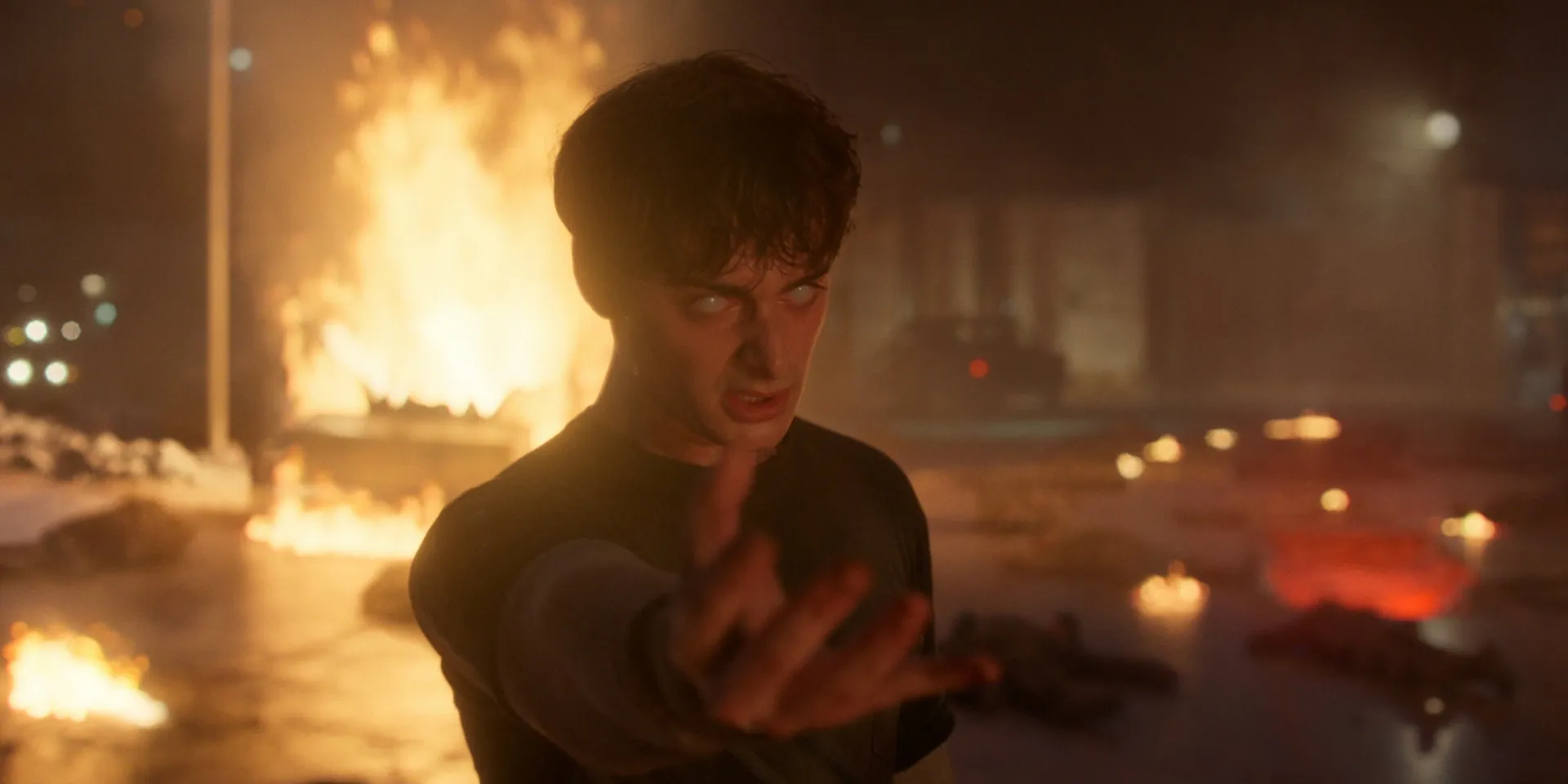
Noah Schnapp in an emotional moment as Will Beyers in Stranger Things 5 – Netflix
Don’t tell viewers to write their own ending. Don’t ask them to finish your character arcs in their heads. That isn’t art—it’s fear of criticism disguised as sophistication.
The irony is that Stranger Things used to be fearless. Earlier seasons made hard calls. Characters died. Relationships broke. Consequences stuck. Somewhere along the way, the show stopped trusting its own instincts and started protecting itself from every possible reaction.
A Finale That Refused to Finish
The Stranger Things ending isn’t offensive because it’s sad, or quiet, or reflective. It’s offensive because it refuses to decide. It wants the emotional credit of a finale without the accountability that comes with one.
In trying to offend no one, it ends up satisfying far fewer.
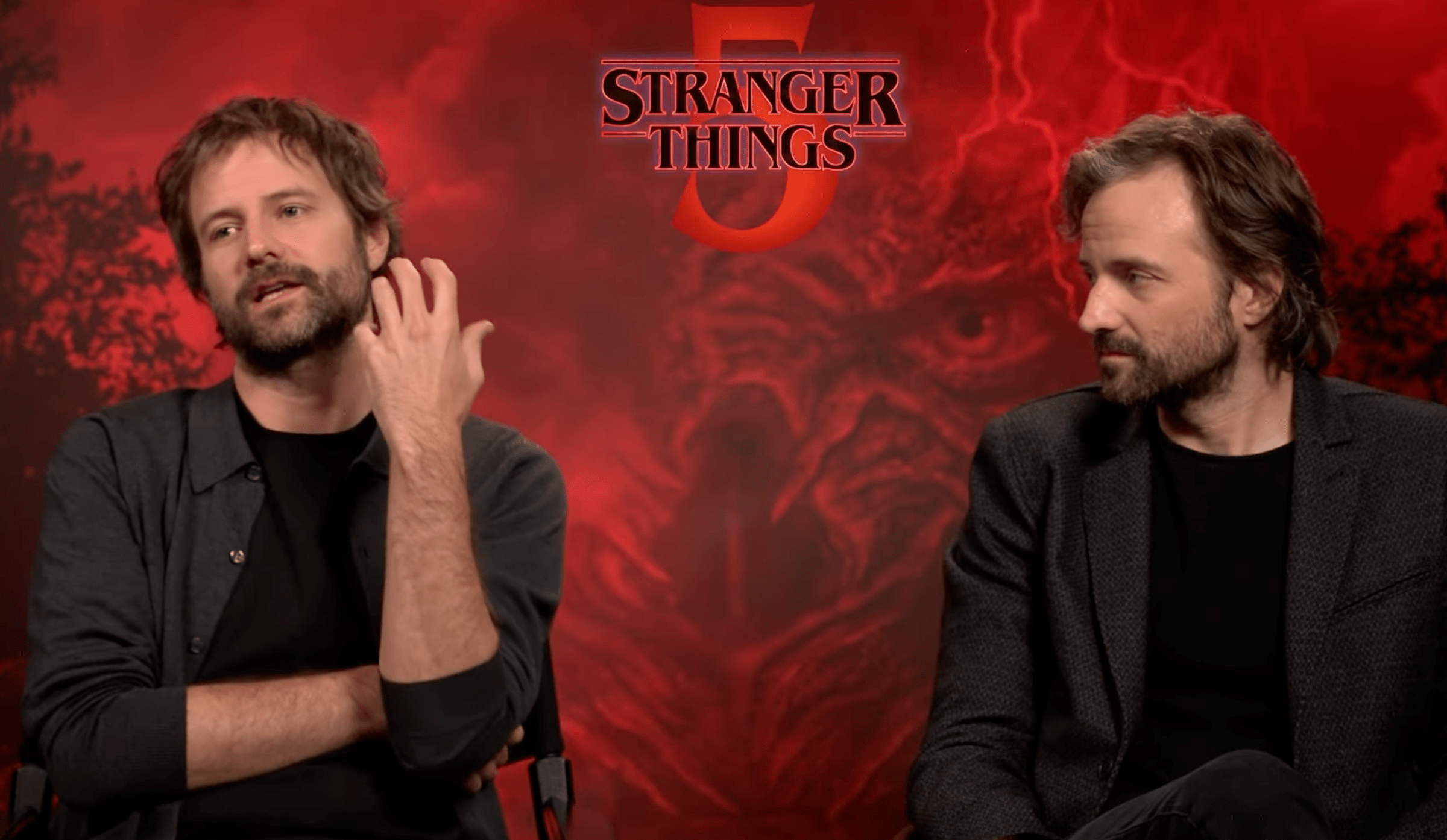
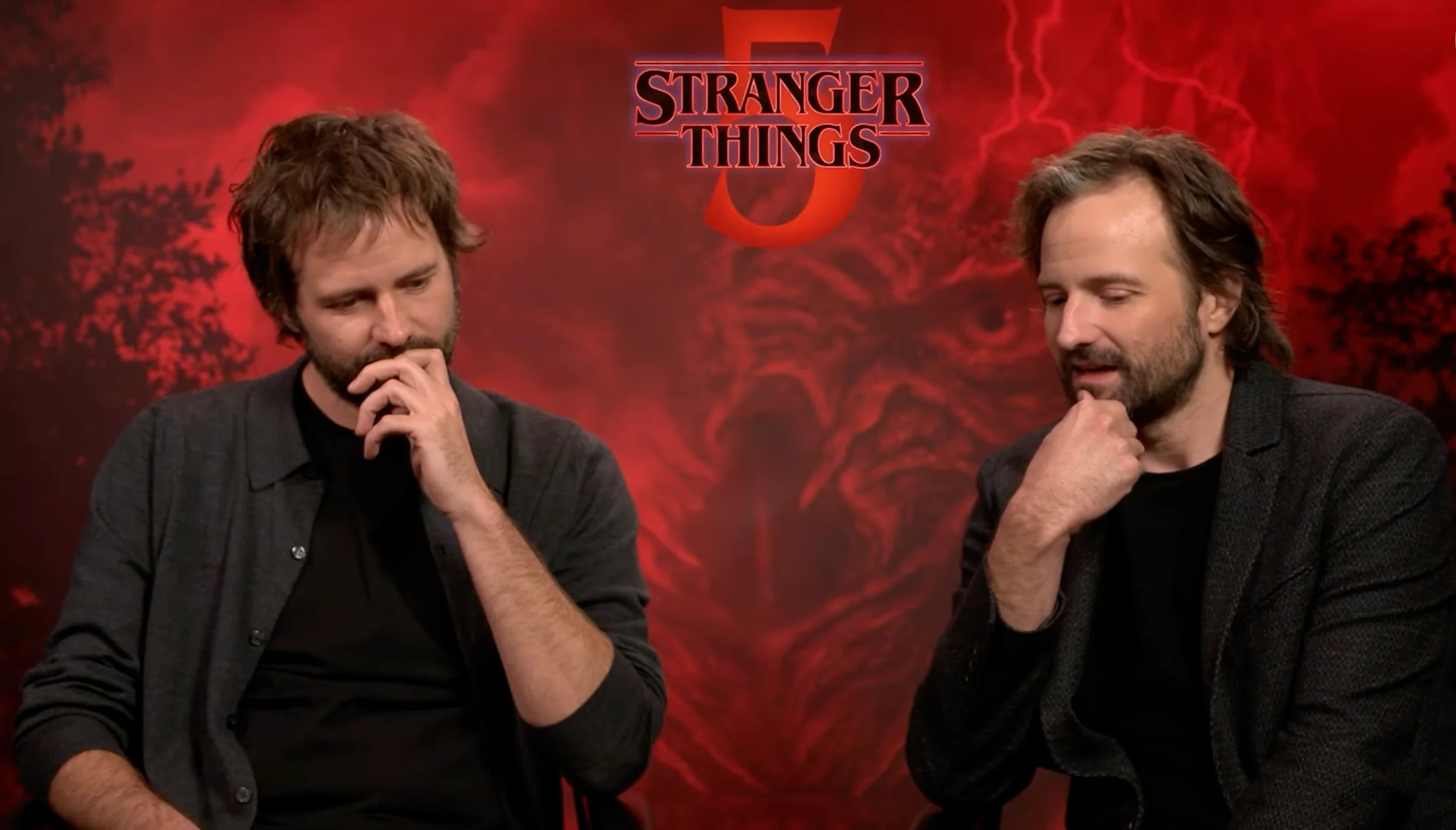
The Duffer Brothers speaking about Stranger Things 5 – YouTube, CBR Presents
After all this time, fans didn’t need riddles. They needed resolution. What they got instead was a carefully padded non-ending—one designed not to challenge, but to survive the discourse.
And for a show that once thrived on bold choices, that may be the most disappointing ending of all.
How do you feel about the ending of Stranger Things? Sound off in the comments and let us know!
