


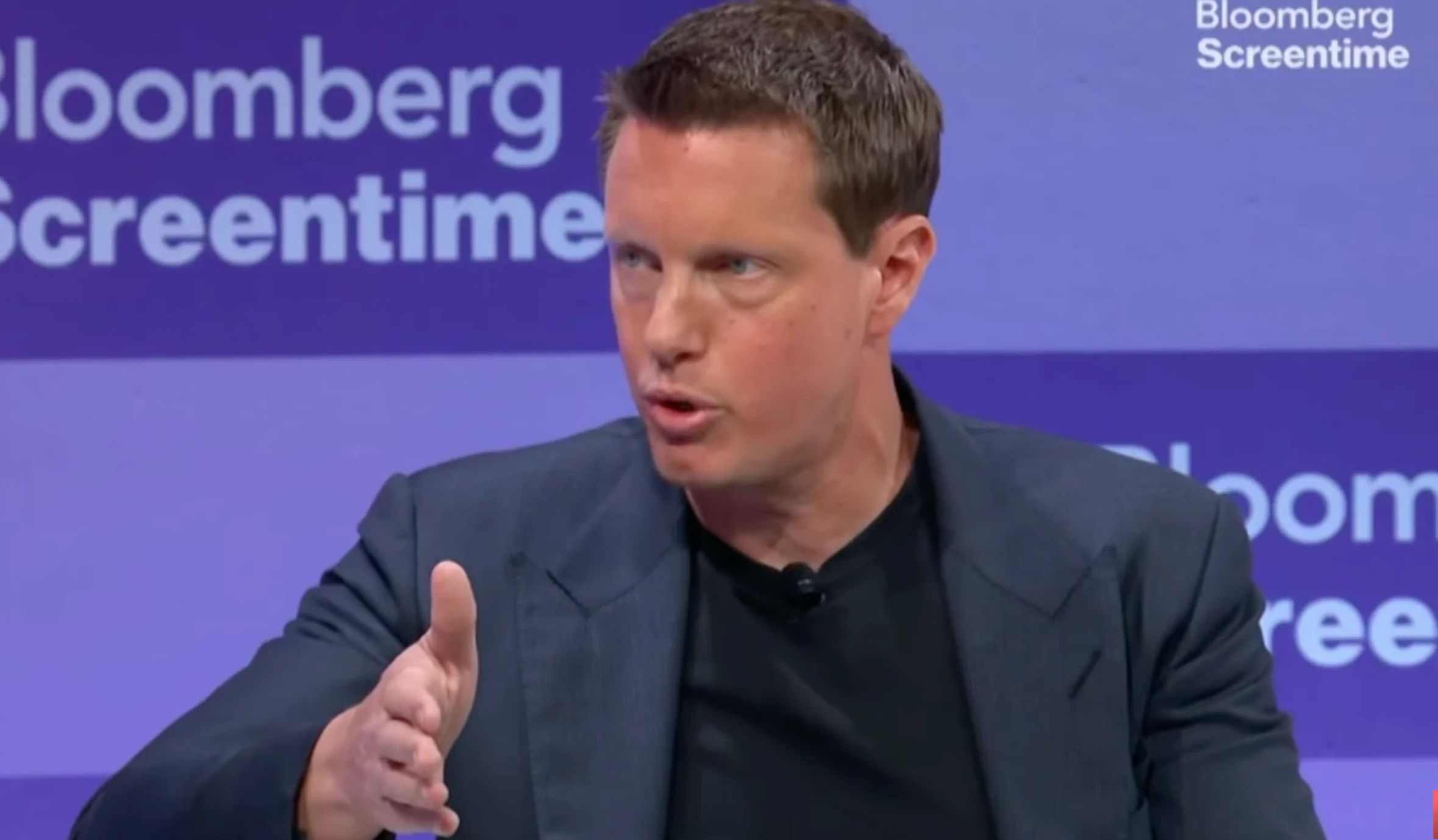
The battle for Warner Brothers Discovery intensified as Paramount Skydance CEO David Ellison appealed directly to Congress in an attempt to stop Netflix from purchasing WBD.
As Hollywood’s most consequential media battle accelerates, David Ellison is no longer limiting his strategy to boardrooms and balance sheets. The Skydance Media chief executive—now the driving force behind Paramount’s aggressive push for Warner Bros. Discovery assets—has taken the fight directly to Congress, formally warning lawmakers that Netflix’s proposed acquisition of key WBD assets is “presumptively unlawful” under antitrust standards.
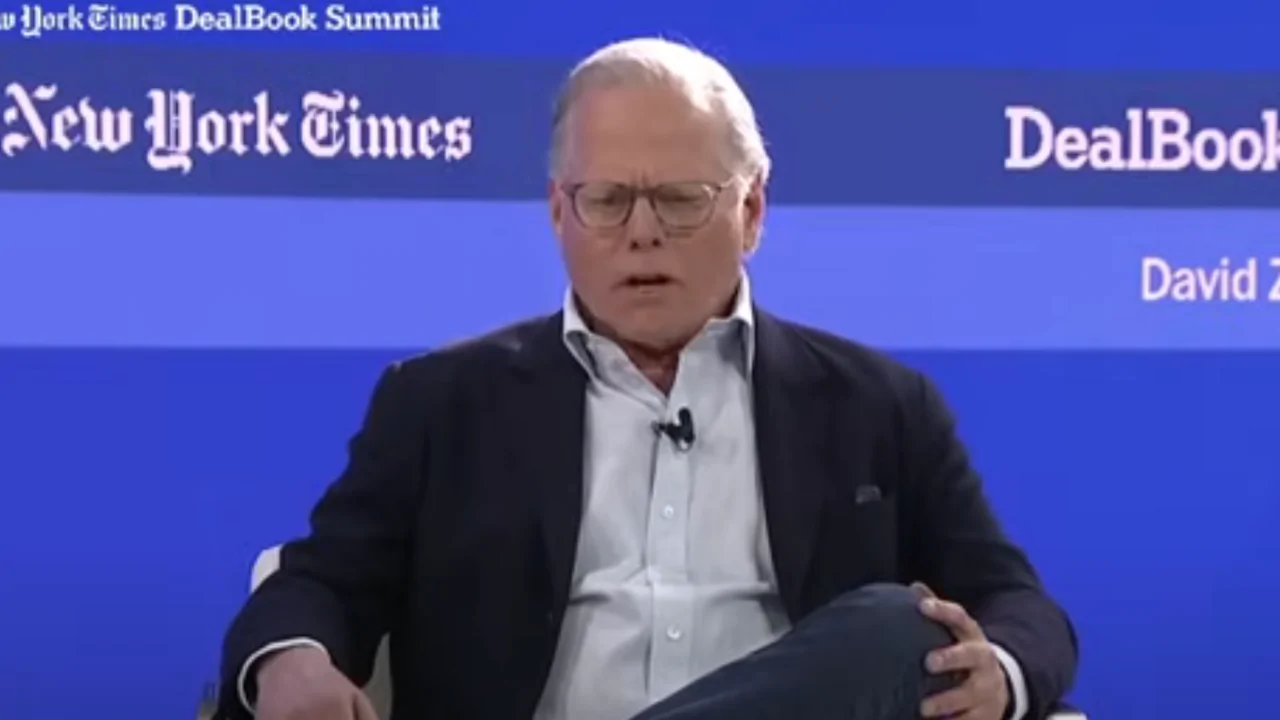
WBD CEO David Zaslav Speaks at a New York Times event – YouTube, New York Times Events
READ: Versant’s Weak Debut Complicates Netflix Bid for Warner Bros. Discovery
The escalation marks a major turning point in the already volatile standoff between Paramount, Netflix, and Warner Bros. Discovery, and signals that Ellison is prepared to wage this war on every possible front—corporate, regulatory, and political.
Paramount Goes On The Offensive In Washington
According to filings submitted to the House Judiciary Committee’s antitrust subcommittee, Paramount’s chief legal officer Makan Delrahim—who previously ran the DOJ’s Antitrust Division—argued that the Netflix–WBD transaction would further entrench Netflix’s dominance in subscription video-on-demand.
The letter was submitted the same day lawmakers held a hearing focused on competition in the streaming marketplace, where the potential breakup and sale of WBD assets loomed large over the discussion. While Paramount executives did not testify in person, the written filing ensured Ellison’s position was firmly placed into the congressional record.

U.S. President Donald Trump sits for an interview with ABC News – YouTube, ABC News
At the heart of the argument is market definition. Paramount contends that Netflix competes in a narrow, premium streaming ecosystem—one that includes services like HBO Max—not in a sprawling digital content universe that lumps TikTok clips and YouTube uploads into the same category.
Delrahim dismissed that broader framing outright, reportedly calling it detached from both legal precedent and market reality. In blunt terms, the filing asserts that user-generated content is not a legitimate substitute for high-budget, professionally produced films and series—an argument that directly challenges Netflix’s long-standing regulatory posture.
Why David Ellison Is Taking This To Congress
This isn’t just legal maneuvering—it’s leverage.
Ellison’s Skydance-backed Paramount has been locked in a high-stakes struggle after Warner Bros. Discovery rejected Paramount’s latest cash offer in favor of Netflix’s deal structure. That rejection triggered a sharp pivot, with Ellison now attempting to complicate, delay, or derail the Netflix transaction by raising the regulatory cost of approval.
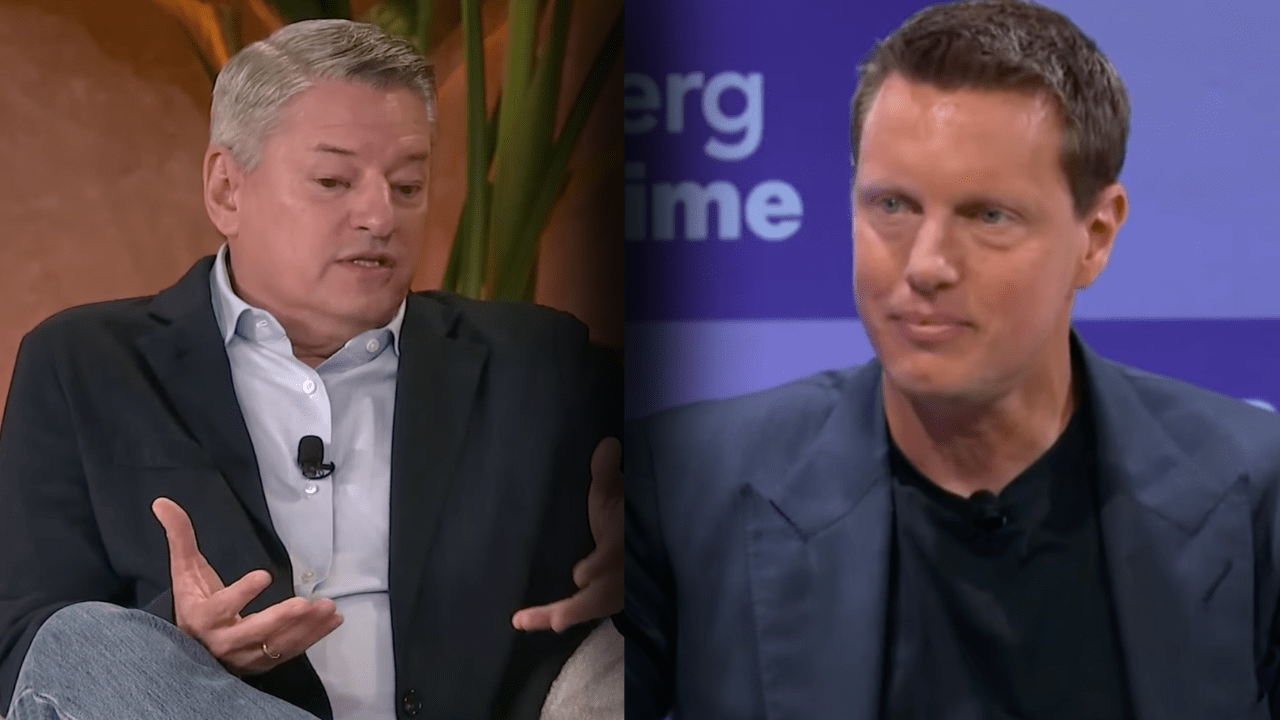
Ted Sarandos of Netflix and David Ellison of Paramount – Photo Credit: YouTube, WSJ News; YouTube, Bloomberg Podcasts
By involving Congress, David Ellison and Paramount are effectively forcing federal regulators, state attorneys general, and even European authorities to take a harder look at Netflix’s growing consolidation of premium IP, studios, and distribution pipelines.
Netflix, for its part, has long argued that it competes not only with traditional studios but with every form of digital entertainment—an expansive definition that dilutes claims of dominance. Paramount’s filing attacks that logic head-on, citing Netflix’s own securities disclosures where the company previously identified its primary competitors as other streaming platforms, not social media apps.
The Political Undercurrent
Ellison’s congressional push also intersects with a broader political moment. Lawmakers from both parties have grown increasingly skeptical of Big Tech-style consolidation, particularly in media and entertainment, where vertical integration can choke off competition and limit creative diversity.
A graphic showing the Netflix and Warner Bros. Logos – Netflix
While Congress does not have direct authority to block the deal, its oversight role over the Justice Department gives lawmakers influence—and visibility—over how aggressively regulators scrutinize the transaction.
In practical terms, Ellison’s move raises the stakes for Netflix by increasing the likelihood of prolonged reviews, potential lawsuits, or forced divestitures. Even delays alone could shift momentum, rattle shareholders, or reopen doors for alternative bids.
What’s Really At Stake
This fight is about far more than who owns a studio lot or a streaming library.
If Netflix succeeds, it would absorb some of the most valuable assets in modern entertainment—bolstering its content pipeline while further weakening traditional studios already struggling to remain competitive. If Ellison succeeds in slowing or blocking the deal, Paramount positions itself as the last serious counterweight capable of challenging Netflix’s dominance from within the legacy studio system.
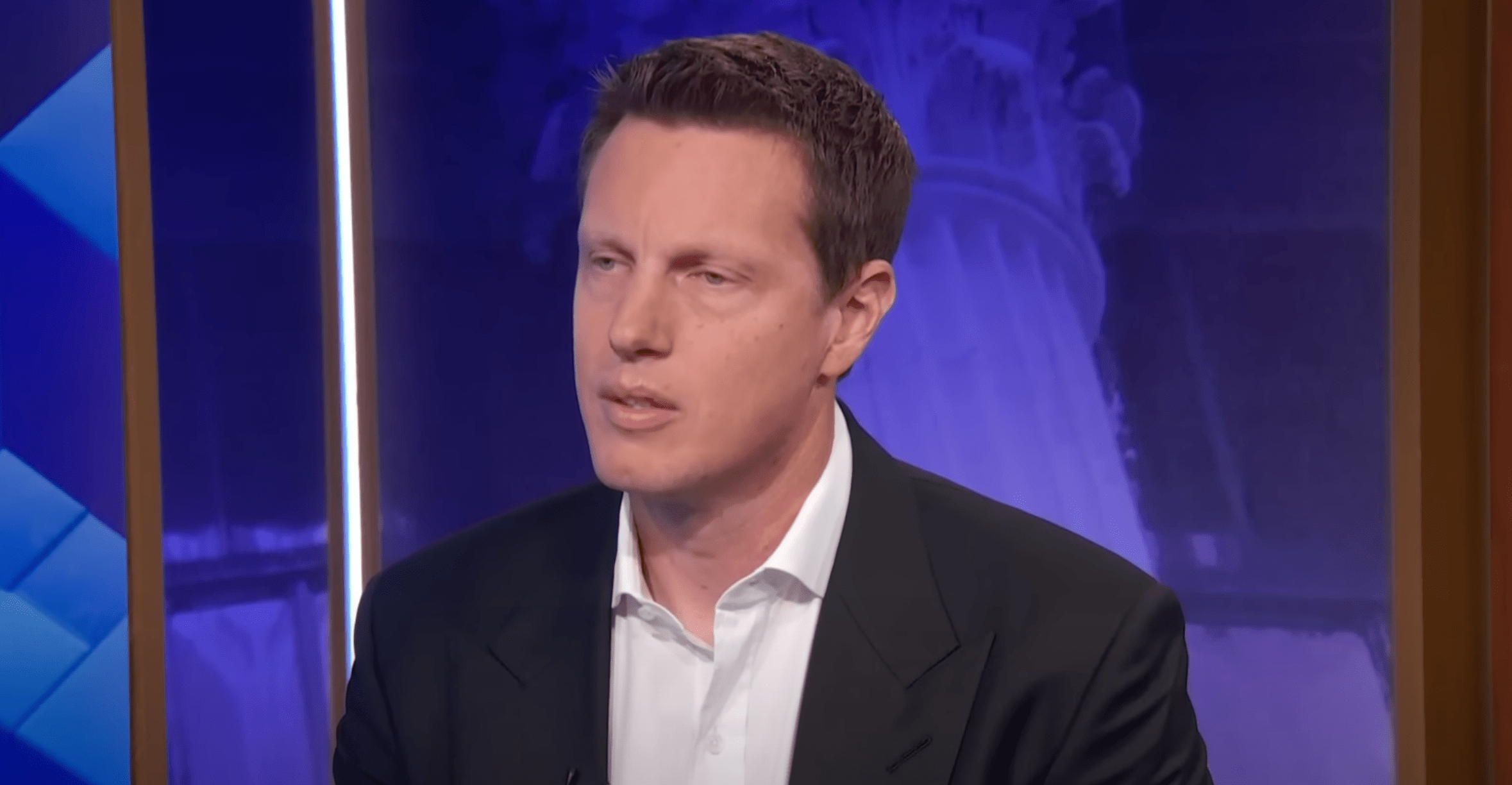
Paramount Skydance CEO David Ellison being interviewed – YouTube, CNBC Television
Notably, Ellison’s willingness to go to Congress underscores how existential this moment is for Paramount. Losing WBD assets to Netflix would effectively lock in a streaming hierarchy with Netflix firmly at the top—and leave the remaining players fighting for scraps.
The Road Ahead
For now, Netflix has declined to publicly respond to Paramount’s filing. But regulatory review is still in its early stages, and scrutiny is only likely to intensify as more details emerge about asset transfers, market share, and competitive impact.
Warner Bros Discovery Logo
Ellison isn’t just negotiating deals anymore. He’s shaping the regulatory narrative around the future of Hollywood itself. And whether Congress ultimately intervenes or not, the message is unmistakable: this war isn’t over—it’s just entering its most dangerous phase.
How do you feel about David Ellison appealing to Congress? Sound off in the comments and let us know!
