


Paramount Skydance CEO David Ellison may have just gotten more ammunition in his battle for Warner Bros. Discovery (WBD). Netflix appeared to win the bidding war in early December, when its combined offer of cash and stock was accepted by the WBD board. Paramount countered, bypassing the board and going directly to shareholders with an all-cash offer. The weak debut of Versant, Comcast’s spinoff of its cable assets, is now calling into question the value of Netflix’s bid, which according to New York Post columnist Charles Gasparino, depends on the sale of WBD’s own cable assets.
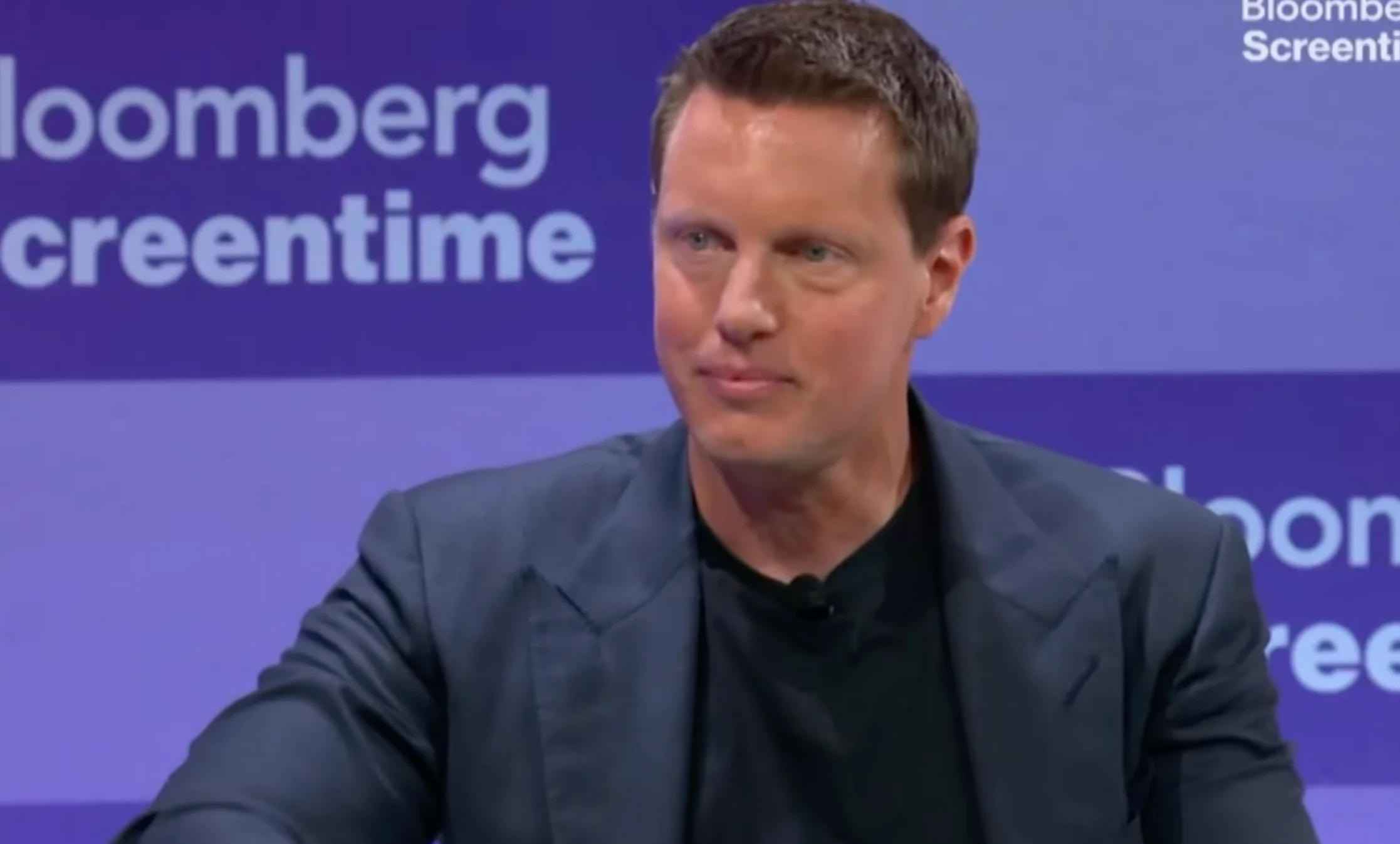
David Ellison talks to Bloomberg – YouTube, Bloomberg Podcasts
READ: Tim Walz’s Daughter Argues New Media Has Responsibility to NOT Expose Fraud
The 2022 merger of Warner Bros. and Discovery appears to have been a major miscalculation, burying it under tens of billions in debt. Before Paramount expressed interest in buying WBD, the company said last June in a press release that it intended “to separate the company, in a tax-free transaction, into two publicly traded companies.” It was a move that directly paralleled what Comcast was planning with Versant.
Versant is now serving as something of a test case for WBD shareholders still trying to decide if they want to go with Netflix’s bid or accept Paramount’s cash offer. However, Versant stock dropped 22% in its first two days on Nasdaq, a weak debut that may move the needle for undecided shareholders.
Why Versant Matters
When Comcast announced it was calling its spinoff company Versant, Variety said it was “a bid to focus NBC on broadcast and streaming, while giving the rest of its media assets a chance to eke out a new existence.” CNBC, MS NOW (formerly MSNBC) and E! all fall under the new company umbrella, along with Fandango and Rotten Tomatoes.

Comcast Logo – Comcast
READ: GTA 6 Delayed Again? Rockstar Reportedly Still Unsure as Content Remains Incomplete
“Eke out a new existence” may be a polite way of saying “quietly go extinct.” YouTube TV is poised to overtake Comcast as the largest pay-TV provider by 2026. The lack of enthusiasm from investors for Versant may be a response to changing trends in how audiences consume entertainment.
What Netflix and Paramount Are Offering
Netflix is only interested in WBD’s studio and streaming operations, offering shareholders $27.75 per share in cash and stock. In order for its bid to provide investors with the greatest value, the splitting of the company must lift the implied value of WBD’s studio and streaming business to $30.75 per share.
The concern among many financial analysts is that Netflix is overvaluing the traditional cable networks, and Versant’s weak debut seems to support that. “This is everything we’ve been arguing and we believe investors will agree,” a banker close to Paramount told Gasparino.
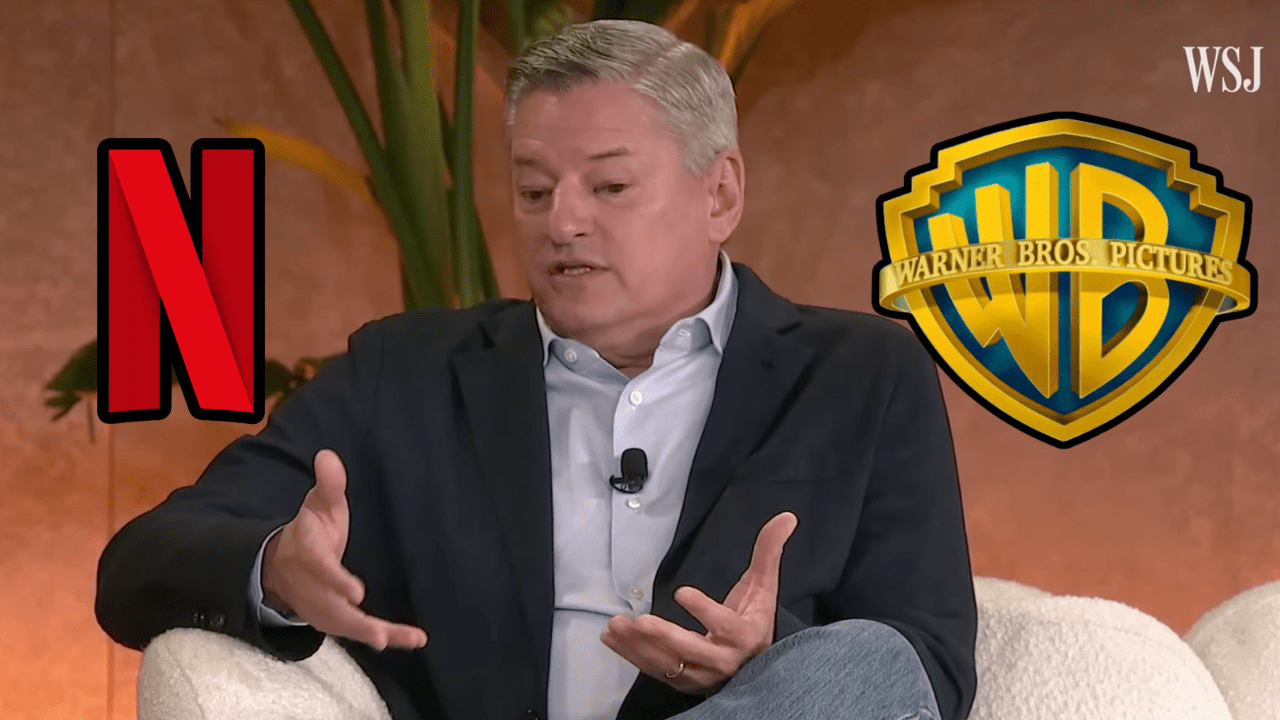
Netflix Co-CEO Ted Sarandos – YouTube, WSJ News
From the beginning, Paramount has argued that Netflix’s agreement was “a volatile and complex structure.” It’s offering to buy WBD as-is, including the cable networks, for $30-a-share, all-cash. Paramount’s current proposal for the media conglomerate stands at a total of $108 billion. However, the board of WBD has urged shareholders to reject this offer, which it sees as financially inadequate and structurally risky despite a personal financial guarantee from Oracle co-founder Larry Ellison.
In either case, shareholders are facing a degree of risk, which is only complicated by the shifting sands of consumer preferences. Versant may not determine the outcome of WBD’s fate, but its weak debut has given investors a real-world signal that the market’s appetite for cable spinoffs is fading.
Do you think the weak debut of Versant will change the outcome of the Warner Bros. sale? Let us know in the comments!
UP NEXT: Tom Cruise Reportedly Filmed a Lightsaber Fight for Star Wars Starfighter Movie
