


Ubisoft is being Sued — and this time, the company’s legal trouble isn’t coming from players or regulators, but from inside the company’s own executive ranks.
The French video game publisher Ubisoft is facing a $1.3 million CAD lawsuit filed by longtime executive Marc-Alexis Côté, who alleges the company orchestrated what he describes as a “disguised dismissal” in order to avoid paying severance and keep a restrictive non-compete clause in place.
Côté, a Ubisoft veteran of more than two decades, formally departed the company in October 2025. Ubisoft publicly characterized the exit as voluntary. Côté argues it was anything but.
A 20-Year Career Ends in Court
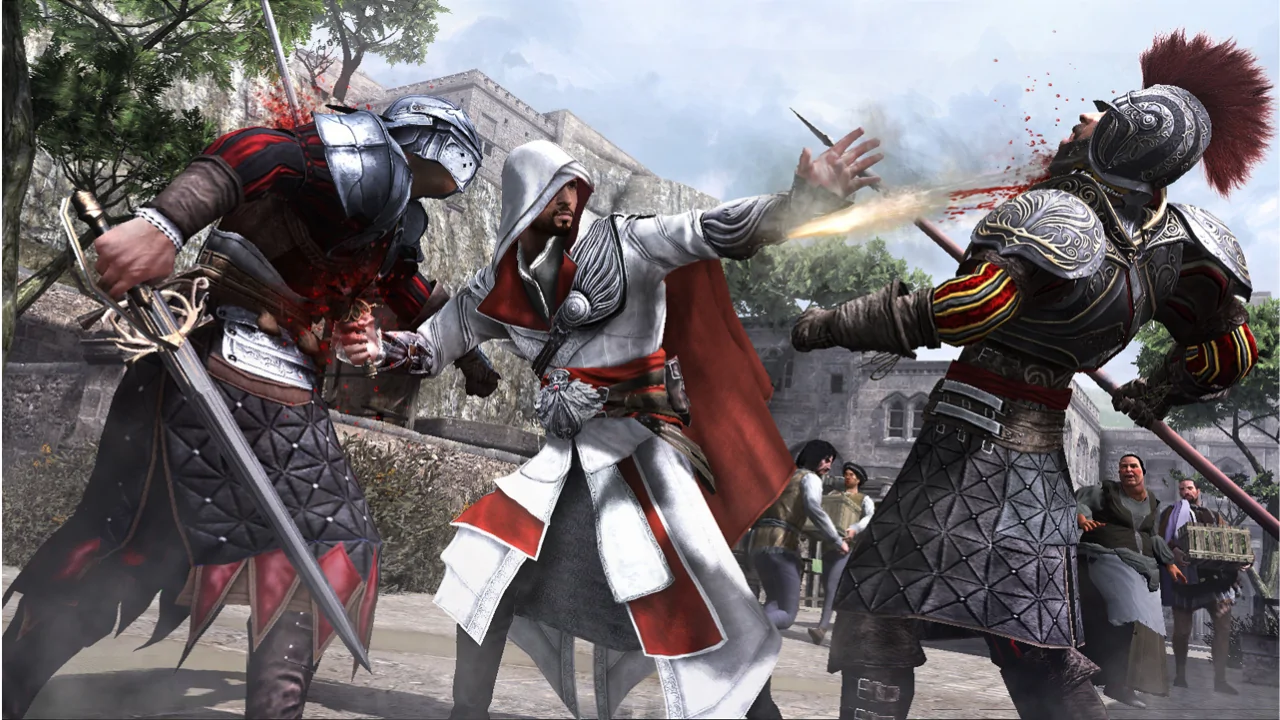
Côté’s career at Ubisoft began on the technical side before he rose through the creative ranks. By 2010, he was deeply embedded in the Assassin’s Creed brand, serving as lead level designer on Assassin’s Creed: Brotherhood. Over time, he became game director on later entries and, in 2020, was promoted to Vice President and Executive Producer, effectively overseeing Ubisoft’s most valuable franchise.

Bayek from Assassin’s Creed Origins – YouTube, Ubisoft North America
READ: Darkseid Has Been Cast for James Gunn’s DCU
When Ubisoft began restructuring in preparation for a new internal subsidiary called Vantage Studios, the company claims it offered Côté a leadership role within the new entity. Ubisoft maintains that Côté declined the position and chose to pursue opportunities outside the company.
Côté disputes that framing, and thats why Ubisoft is being sued.
“Unacceptable Downgrade,” According to the Lawsuit
Côté alleges the role offered at Vantage Studios lacked the scope, authority, and continuity of his previous position. He claims the job would have placed him under another executive’s authority and stripped him of meaningful control over the work he had been doing for years.
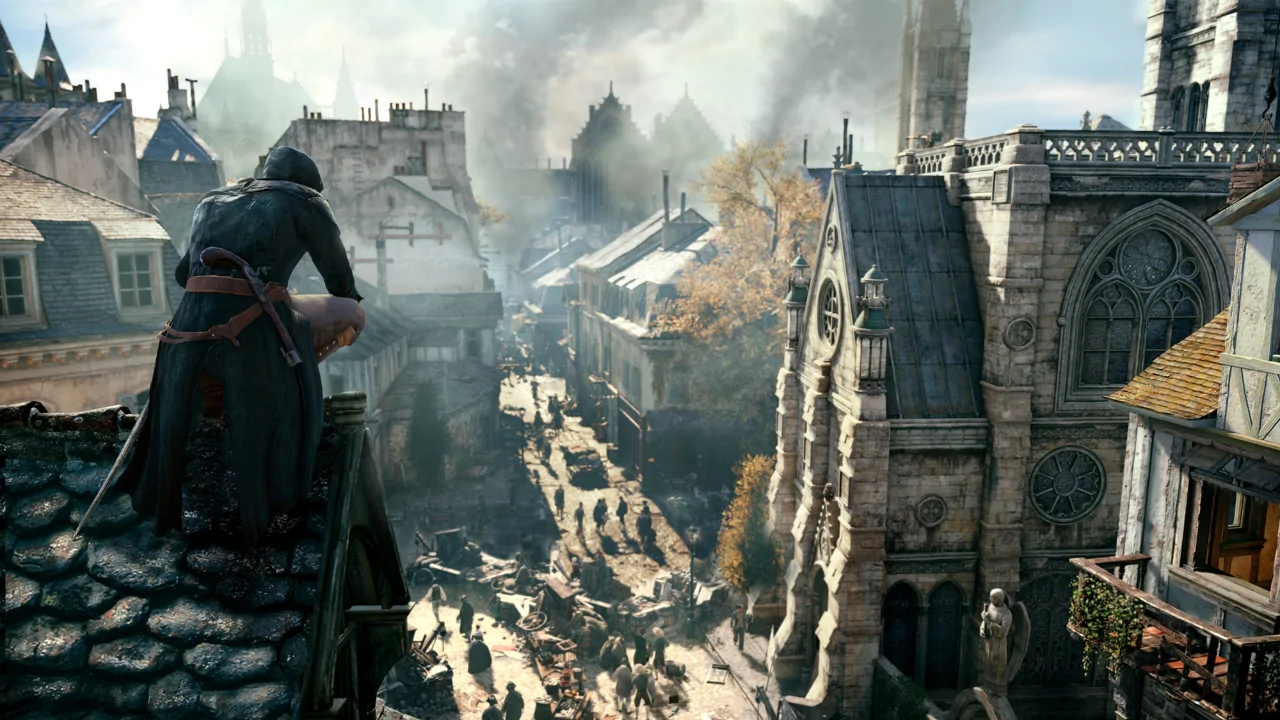
A screenshot from Assassin’s Creed Unity (2014), Ubisoft
In the lawsuit, Côté characterizes the offer as an “unacceptable downgrade” designed to force him out while allowing Ubisoft to label the departure as voluntary. By doing so, he alleges, the company avoided paying a severance package while still enforcing a non-compete clause that limited his ability to find new work in the video game industry.
The suit seeks:
- Two years’ worth of salary
- $75,000 CAD in moral damages
- Removal of the non-compete clause
Altogether, the claim totals approximately $1.3 million CAD.
Vantage Studios and a Shifting Corporate Strategy
Côté’s departure came during a period of significant internal change at Ubisoft. Vantage Studios was announced as a “dedicated subsidiary” designed to house Ubisoft’s biggest franchises, including Far Cry and Tom Clancy’s Rainbow Six. The initiative also includes outside investment tied to Tencent.

A screenshot from Assassin’s Creed Odyssey (2018), Ubisoft
READ: Stranger Things SNL Sketch Sparks Online Meltdowns as Parody Triggers Predictable Activist Backlash
As part of this restructuring, Ubisoft introduced what it described as a “voluntary career transition program,” offering certain employees the option to leave with financial and career assistance. Côté did not receive such a severance, a key point underpinning his lawsuit.
Layoffs Add Context — Not Conclusions
The legal dispute also unfolds against a backdrop of workforce reductions. Ubisoft recently laid off 55 employees at Massive Entertainment and closed Ubisoft Halifax, resulting in 71 additional job losses. In both cases, the company cited cost-reduction efforts.
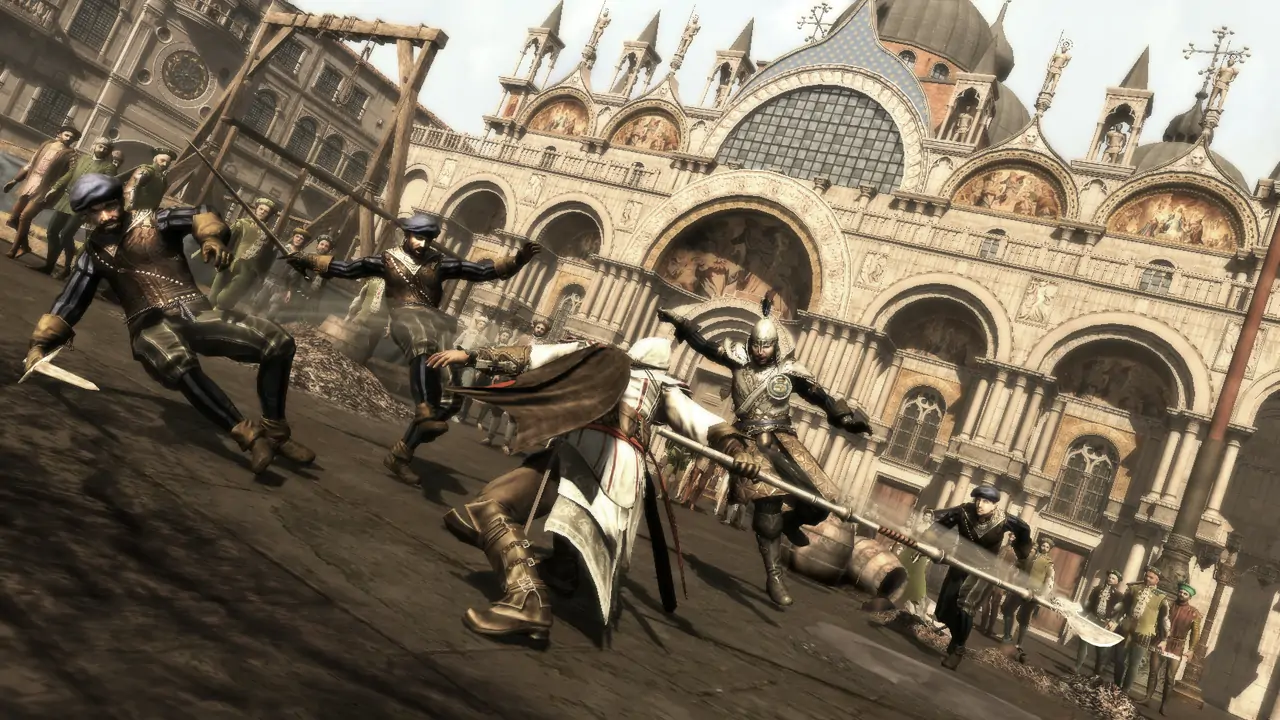
A screenshot from Assassin’s Creed II (2010), Ubisoft Montreal
While no court has ruled on Côté’s claims, the lawsuit adds scrutiny to how Ubisoft is handling executive transitions during its broader restructuring push. Côté’s allegations remain unproven, and Ubisoft has not been found liable for any wrongdoing at this stage.
Still, the fact that Ubisoft is being sued by a former top executive — not a contractor or a short-term hire — elevates the stakes. It raises questions about how internal reshuffles are being executed and whether “voluntary” departures are always as voluntary as they appear.
What Happens Next?
The case is ongoing, and no judgment has been issued. For now, Ubisoft maintains its position that Côté chose to leave. Côté argues the company engineered circumstances to push him out while minimizing financial obligations.
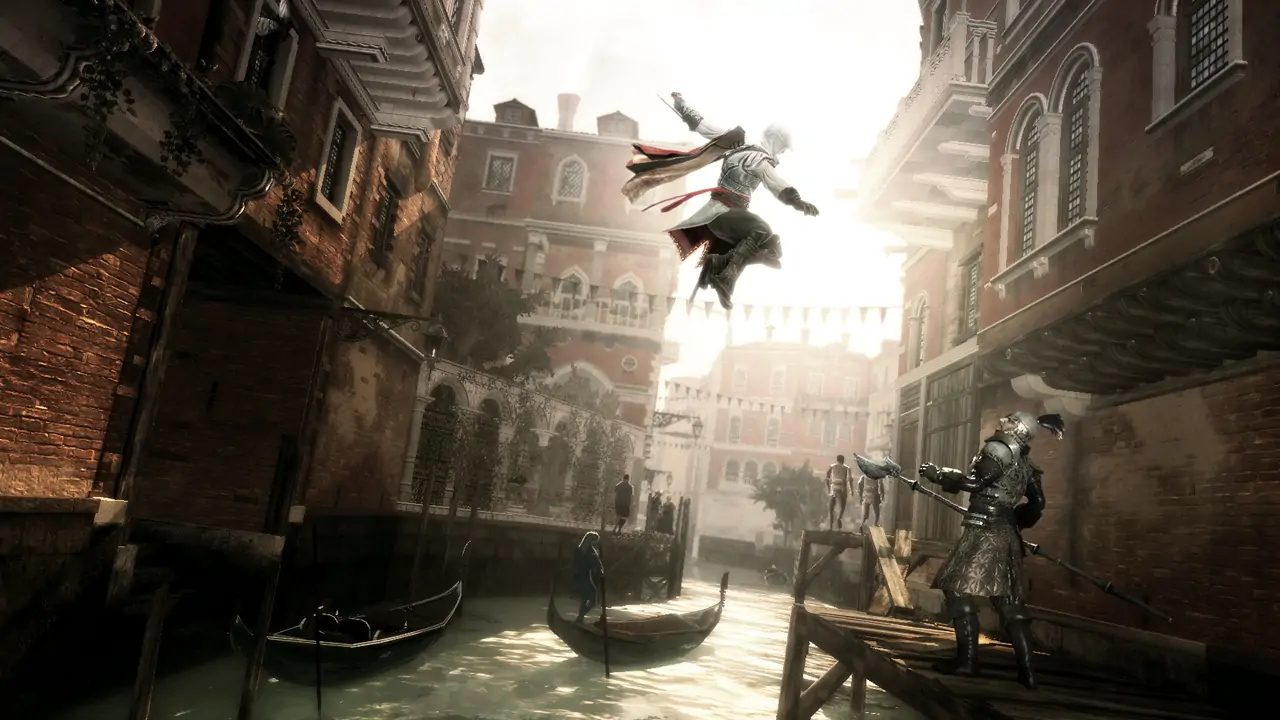
A screenshot from Assassin’s Creed II (2010), Ubisoft Montreal
As Ubisoft continues to reshape its corporate structure around its flagship franchises, this lawsuit may become a key test of how far companies can go in reclassifying executive exits without triggering severance protections.
Are you surprised that Ubisoft is being sued by a former executive? Sound off in the comments and let us know!
