


The proposed Netflix WBD deal is no longer being viewed solely as a high-dollar Hollywood consolidation. What began as a business transaction involving two major entertainment players has now evolved into a broader debate about cultural power, ideological influence, and whether any single media company should be allowed to wield that level of reach over American storytelling.
At the center of the controversy is Netflix’s effort to acquire major assets from Warner Bros. Discovery—a move that would combine the world’s largest streaming platform with one of the most historic studios in film and television. While antitrust concerns are expected with any deal of this size, conservative policy groups are framing this merger as something far more consequential than a typical market-share dispute.

Noah Schnapp as Will Beyers in Stranger Things 5 – Netflix
READ: Measles Exposure Reported at Disneyland as Health Officials Issue Warning
That framing is being led by policy groups tied to the Heritage Foundation, whose analysts argue the Netflix WBD deal raises concerns that extend beyond competition and into long-term cultural and ideological influence.
Their argument is simple but sweeping: Netflix is not just a distributor of entertainment content—it’s already the most powerful progressive ideological messaging platform in modern media history, and the Netflix WBD deal would dramatically expand that influence.
Why Conservatives Are Focusing on Ideological Power, Not Just Market Share
Much of that concern is outlined in a report circulated by the Oversight Project, a policy initiative with direct ties to the Heritage Foundation. The report urges federal regulators to view Netflix not simply as a media company, but as an unprecedented cultural force whose scale gives it outsized influence over public norms and values.
These reports urge federal regulators to apply heightened scrutiny to the Netflix WBD transaction and don’t shy away from the cultural implications of the merger, openly describing Netflix as “the biggest political and ideology messaging machine in human history.”

A boy in a dress in Strawberry Shortcake: The Beast of Berry Bog, Rated for Children of All Ages – Netflix
That language isn’t incidental. It reflects a belief that modern streaming platforms do far more than entertain. Through global reach, algorithmic promotion, and sheer volume of content, Netflix is seen as shaping cultural norms at a scale no previous media company has achieved. It has routinely pushed ideology through children’s programming like Strawberry Shortcake and even The Transformers, along with shows like Stranger Things and several Obama produced documentaries.
Conservatives advancing this argument aren’t claiming Netflix should be censored or shut down. Instead, they are questioning whether expanding an already-dominant platform by folding in Warner Bros. Discovery’s film libraries, television assets, and premium brands would create a level of centralized narrative power that has never existed before.
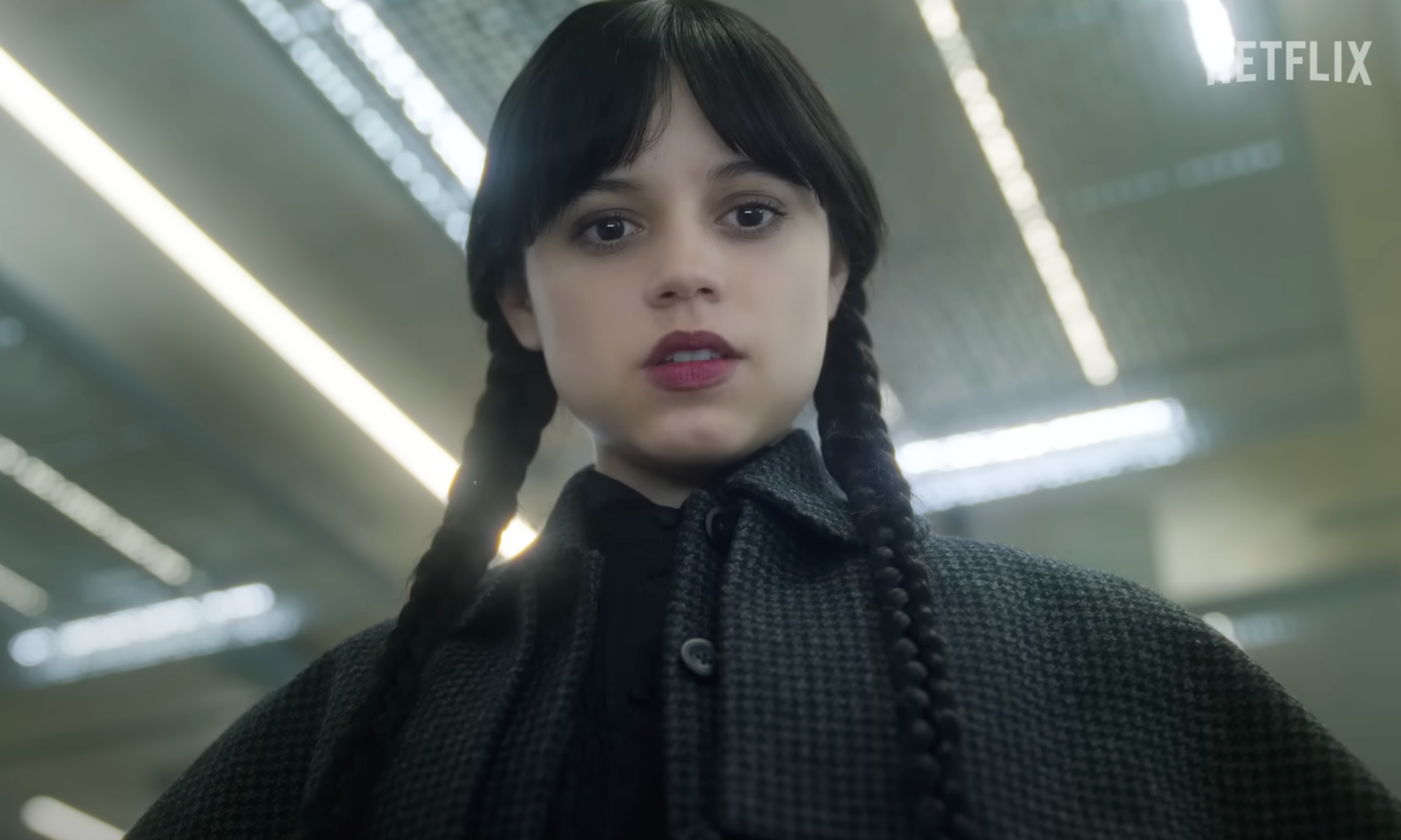
Wednesday Adams played by Jenna Ortega in the trailer for Wednesday Season 2 – YouTube, Netflix
READ: Paramount WBD Showdown Nears Decision Point as Netflix Vote Forces Ellison’s Hand
In their view, antitrust law should account not only for pricing and competition, but also for influence—especially when entertainment content plays a growing role in social and political discourse.
The Warner Bros. Discovery Factor
Warner Bros. Discovery brings far more to the table than additional streaming titles. Its assets include decades of film history, major television franchises, premium brands like HBO, and longstanding relationships across theatrical distribution and international markets.

A screenshot from the trailer for Aztec Batman – YouTube Warner Bros. Entertainment
A combined Netflix–WBD entity would possess unparalleled reach across streaming, film, television, and global distribution channels. Critics argue that such consolidation could narrow creative diversity, reduce competition for independent producers, and make it increasingly difficult for alternative voices to compete at scale.
From a conservative perspective, the concern is not that Warner Bros. content itself is ideological, but that placing such a vast library under Netflix’s centralized platform would further concentrate cultural power in the hands of a single corporate entity.
Capitol Hill Takes Notice
The Netflix WBD proposal is now drawing attention on Capitol Hill, where lawmakers from multiple angles are signaling that the deal will not receive automatic approval. Senate hearings focused on media consolidation and competition are expected to examine how a Netflix–WBD combination would affect labor negotiations, theatrical exhibition, consumer pricing, and long-term industry health.

U.S. President Donald Trump sits for an interview with ABC News – YouTube, ABC News
This scrutiny is occurring during the administration of President Trump, whose record shows a willingness to challenge large corporate mergers when monopoly concerns arise. Trump has previously questioned consolidation across multiple industries, particularly when it risks reducing competition or harming American workers.
Importantly, the conservative opposition to the Netflix WBD deal doesn’t hinge on party politics. It reflects a broader skepticism toward unchecked corporate concentration—especially when that concentration extends beyond economics into cultural influence.
A Power and Precedent Debate
While some media coverage has attempted to frame conservative objections as culture-war theatrics, supporters of increased scrutiny argue the issue is far more substantive. They maintain that questioning the scale and influence of Netflix is not an attack on free expression, nor an attempt to weaponize regulation.
Instead, it is an argument about precedent.
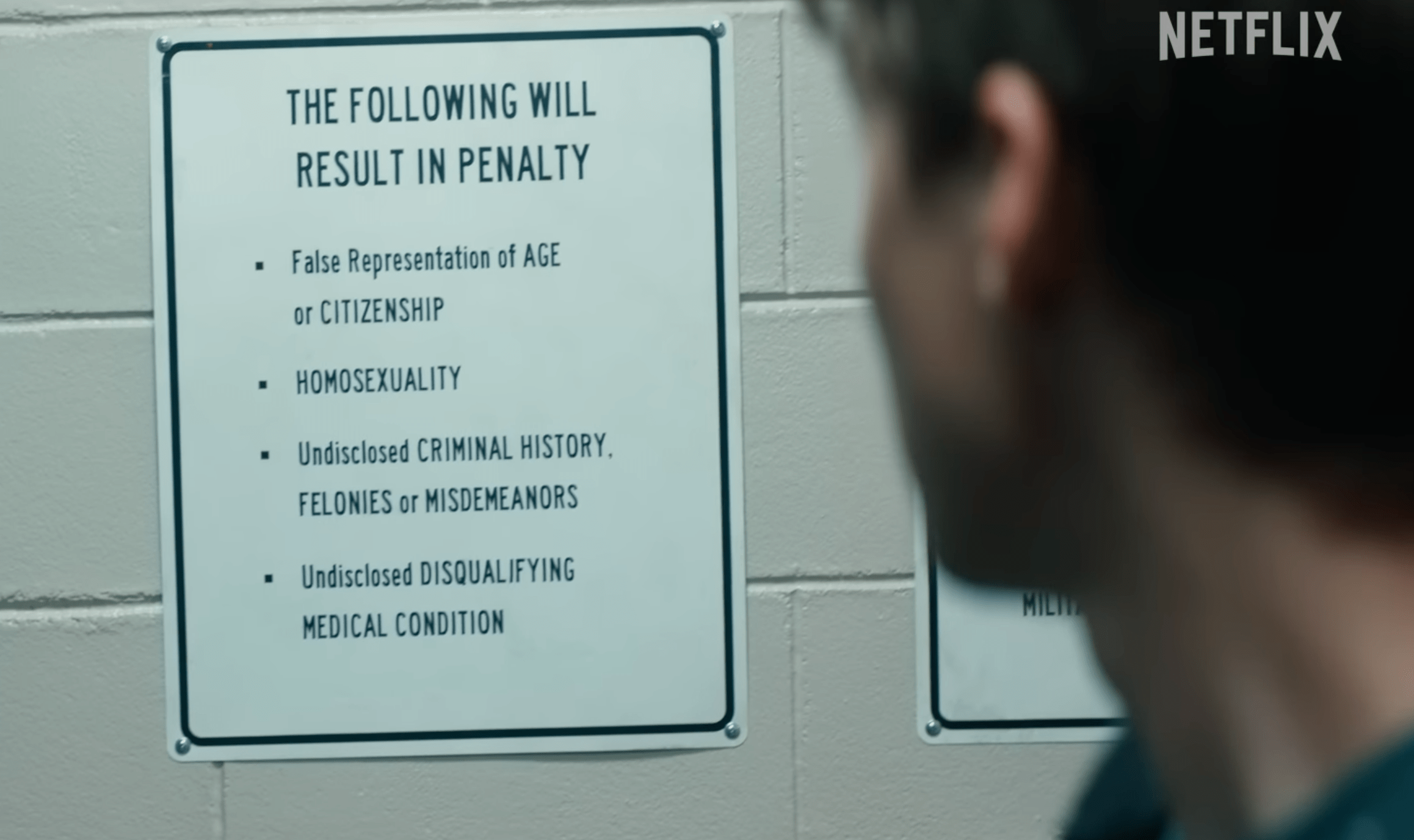
A screenshot from the Netflix show Boots – YouTube, Netflix
If Netflix is permitted to absorb Warner Bros. Discovery’s assets without serious examination, critics warn it could establish a new model for media consolidation—one where cultural reach and ideological impact are effectively ignored in regulatory analysis.
Even those who admire Netflix’s business success acknowledge that the Netflix WBD deal would mark a turning point for the entertainment industry, one that could permanently reshape how stories are produced, distributed, and amplified.
What Comes Next for the Netflix WBD Deal?
The path forward for the Netflix WBD transaction will likely involve months of regulatory review, political debate, and public scrutiny. Whether the deal ultimately proceeds will depend on how federal agencies evaluate not just market share, but the broader implications of consolidating cultural power in the streaming era.
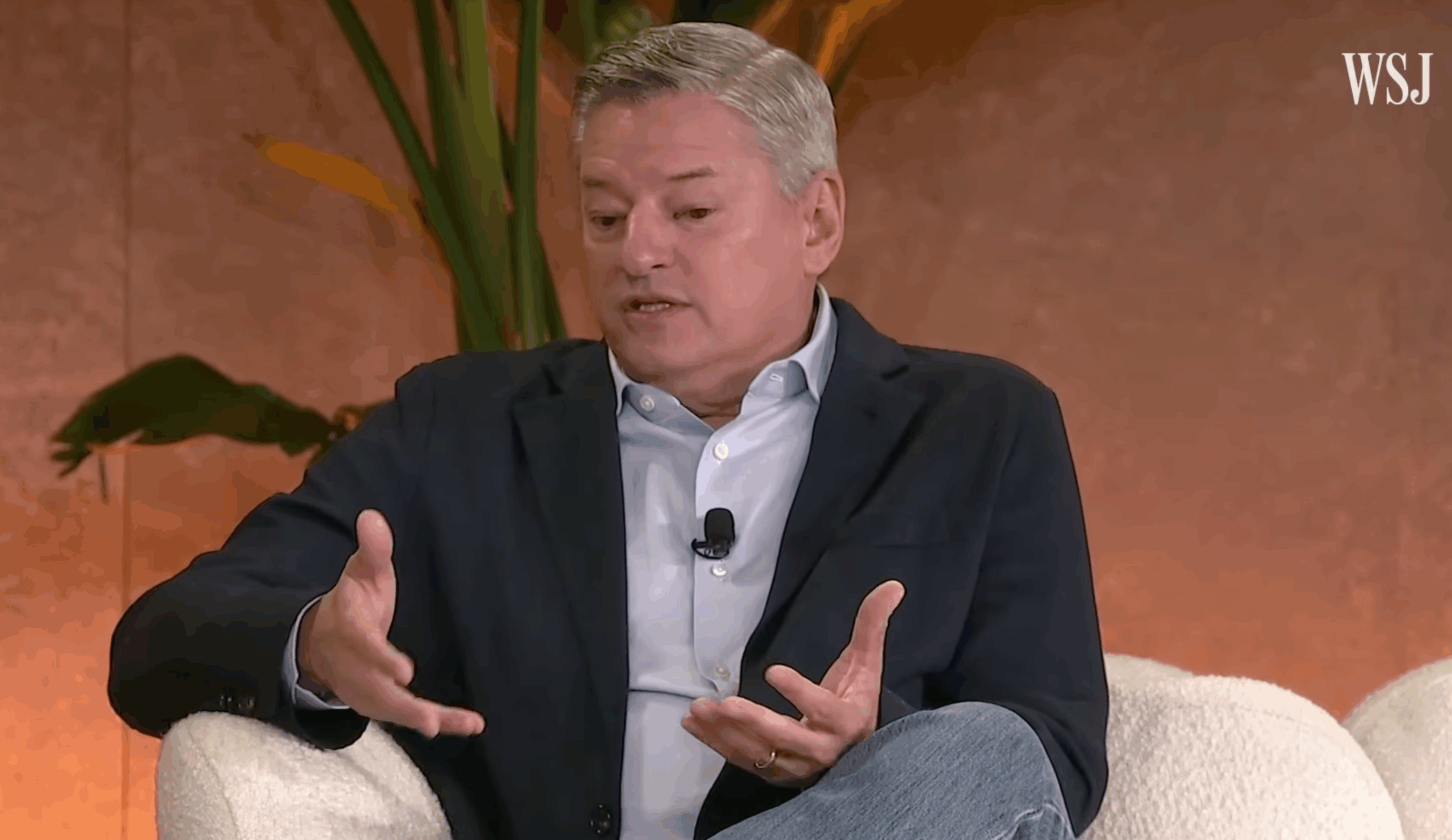
Netflix Co-CEO Ted Sarandos – YouTube, WSJ News
For now, one thing is clear: this is no longer just a Hollywood business story. The Netflix WBD deal has become a test case for how America evaluates influence, consolidation, and the future of mass media.
And for conservatives raising alarms, the question isn’t whether Netflix has a viewpoint—but whether any company should be allowed to become the single most powerful storytelling force the world has ever seen.
Do you think the Netflix WBD deal represents ideological concerns? Sound off in the comments and let us know!
UP NEXT: BREAKING: Josh D’Amaro is Next Disney CEO – Dana Walden to Take on New Chief Creative Position
