


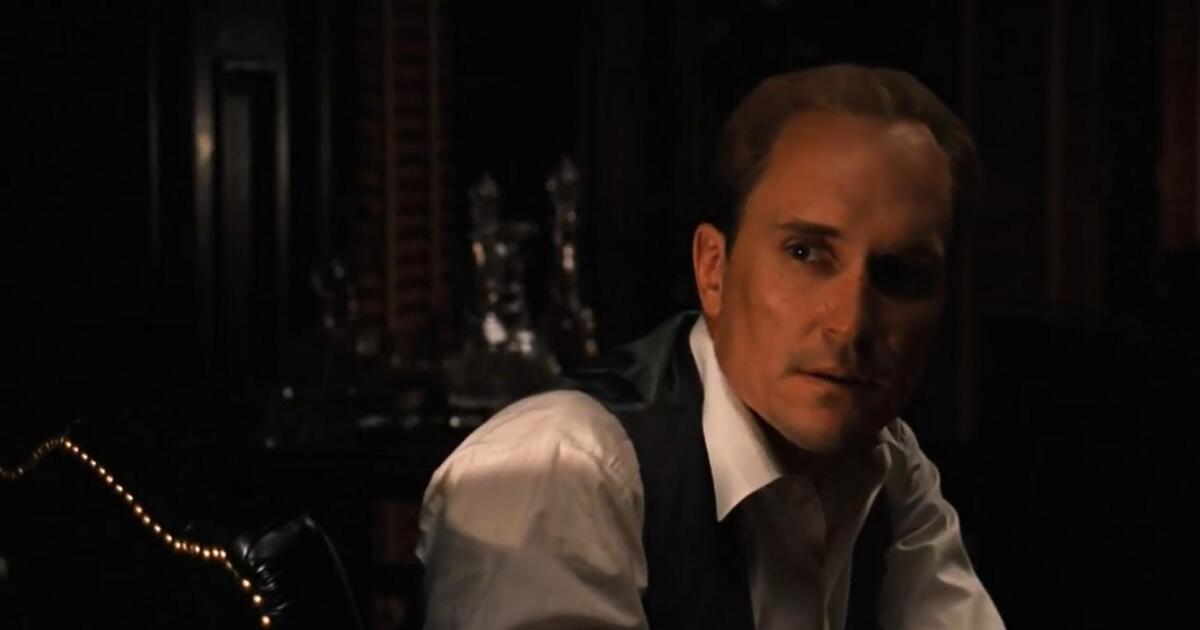
Hollywood has lost one of its last true giants. Academy Award-winning actor Robert Duvall, whose career spanned more than six decades and helped define the very fabric of modern American cinema, has passed away. He was 95.
Few actors could command the screen with the quiet authority Duvall possessed. He never needed spectacle. He never needed excess. With a glance, a pause, or a measured line delivery, he could dominate a scene opposite the biggest stars in the world — and often did.
His passing marks the end of an era… one built not on celebrity, but on craft.
A Career Forged in Discipline and Range
Born January 5, 1931, in San Diego, California, Robert Selden Duvall was raised in a military family — an upbringing that would later inform many of his most disciplined, commanding performances.
After studying acting at the Neighborhood Playhouse School of the Theatre in New York alongside contemporaries like Dustin Hoffman and Gene Hackman, Duvall honed his skills on stage and television before making the leap to film.
And what a leap it was.
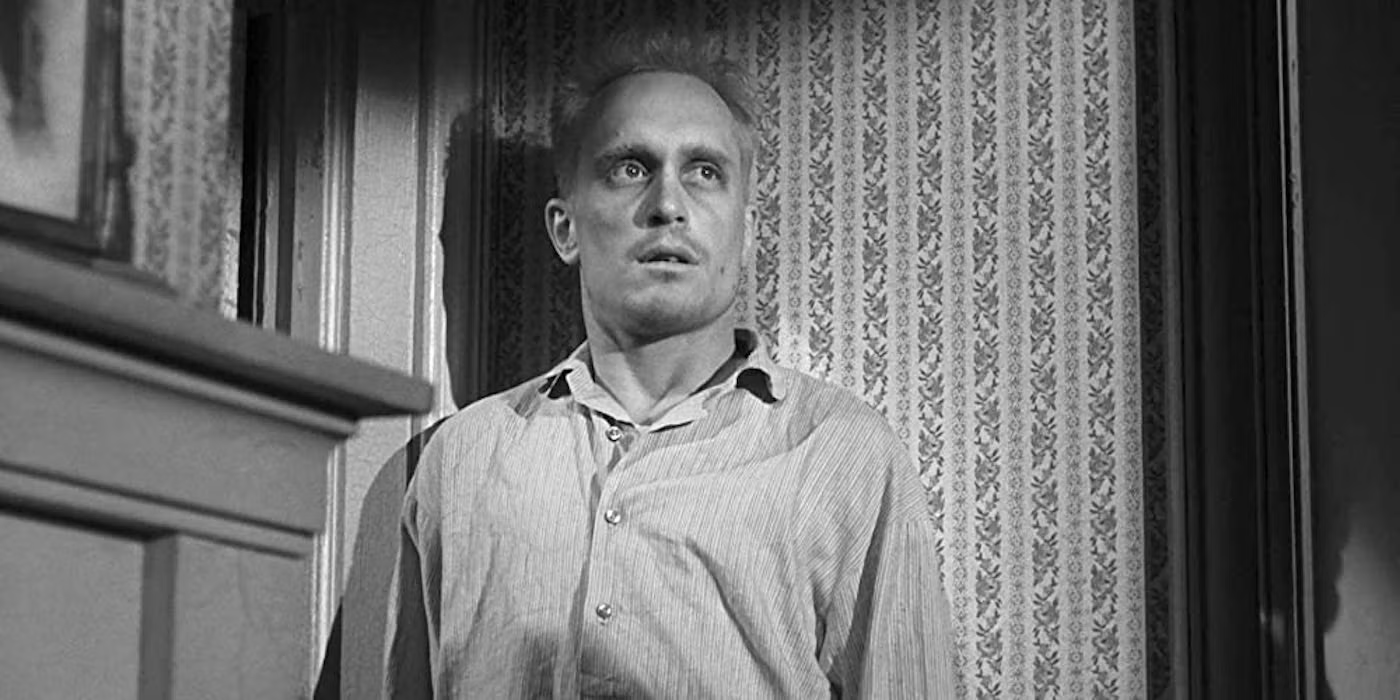
Robert Duvall in To Kill a Mockingbird – Universal
READ: Media Frustration Boils Over as Hollywood Actors Refuse to Answer Questions on Politics
His film debut came in 1962 as the reclusive Boo Radley in To Kill a Mockingbird. Though the role was largely silent, Duvall’s physical performance left an indelible impression — an early sign of the restrained power he would become known for.
But it was the 1970s that cemented his legend.
Defining Roles That Shaped Cinema
Duvall’s portrayal of Tom Hagen in The Godfather and The Godfather Part II introduced audiences to one of the most quietly formidable consigliere characters ever put to film. Acting opposite Marlon Brando and Al Pacino, Duvall held his ground — calm, calculating, and utterly believable.
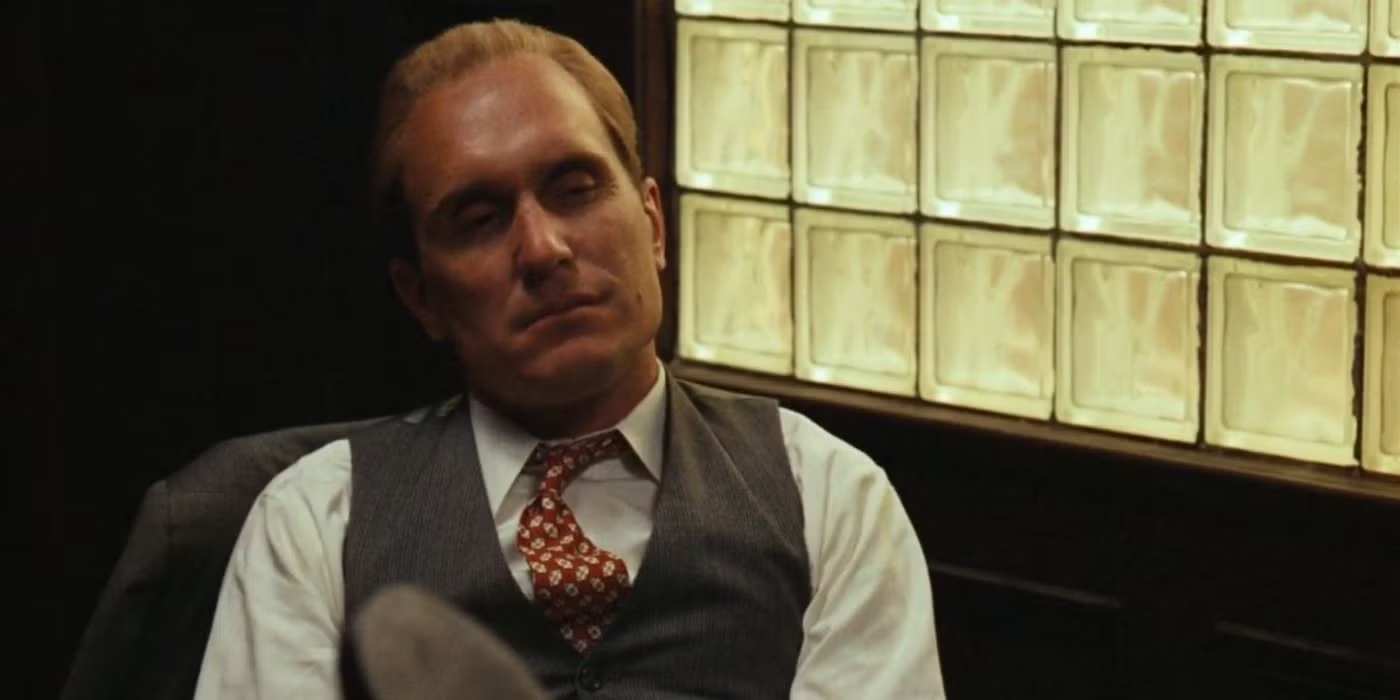
Robert Duvall in The Godfather 2 – Paramount Plus
Then came Apocalypse Now.
As Lt. Colonel Bill Kilgore, Duvall delivered one of the most iconic performances in film history, immortalized by the line: “I love the smell of napalm in the morning.”
The role earned him an Academy Award nomination and became a cultural touchstone — equal parts surreal, menacing, and darkly charismatic.
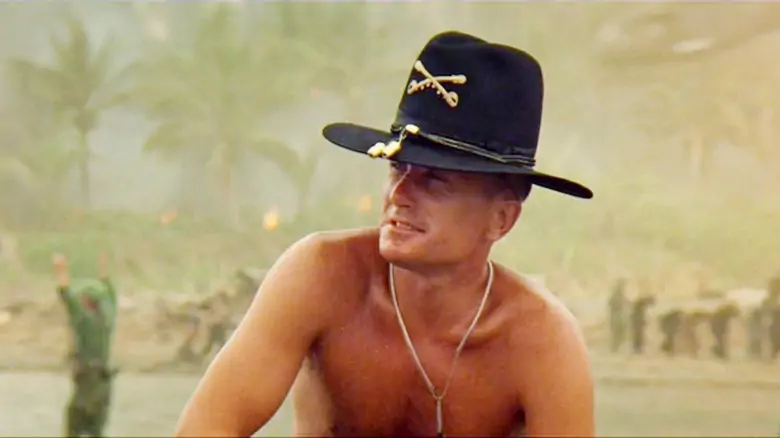
Robert Duvall in Apocalypse Now – YouTube, MovieClips
Yet Duvall refused to be boxed in.
He moved seamlessly between military leaders, lawmen, villains, mentors, and everyday working men. Whether in The Great Santini, The Natural, or Lonesome Dove, he brought authenticity that made every character feel lived-in.
An Academy Award — And So Much More
In 1983, Duvall won the Academy Award for Best Actor for his role as washed-up country singer Mac Sledge in Tender Mercies.
It was a quiet film. A character study. No bombast. No theatrics.
Just Duvall — carrying the story with restraint, vulnerability, and emotional precision.
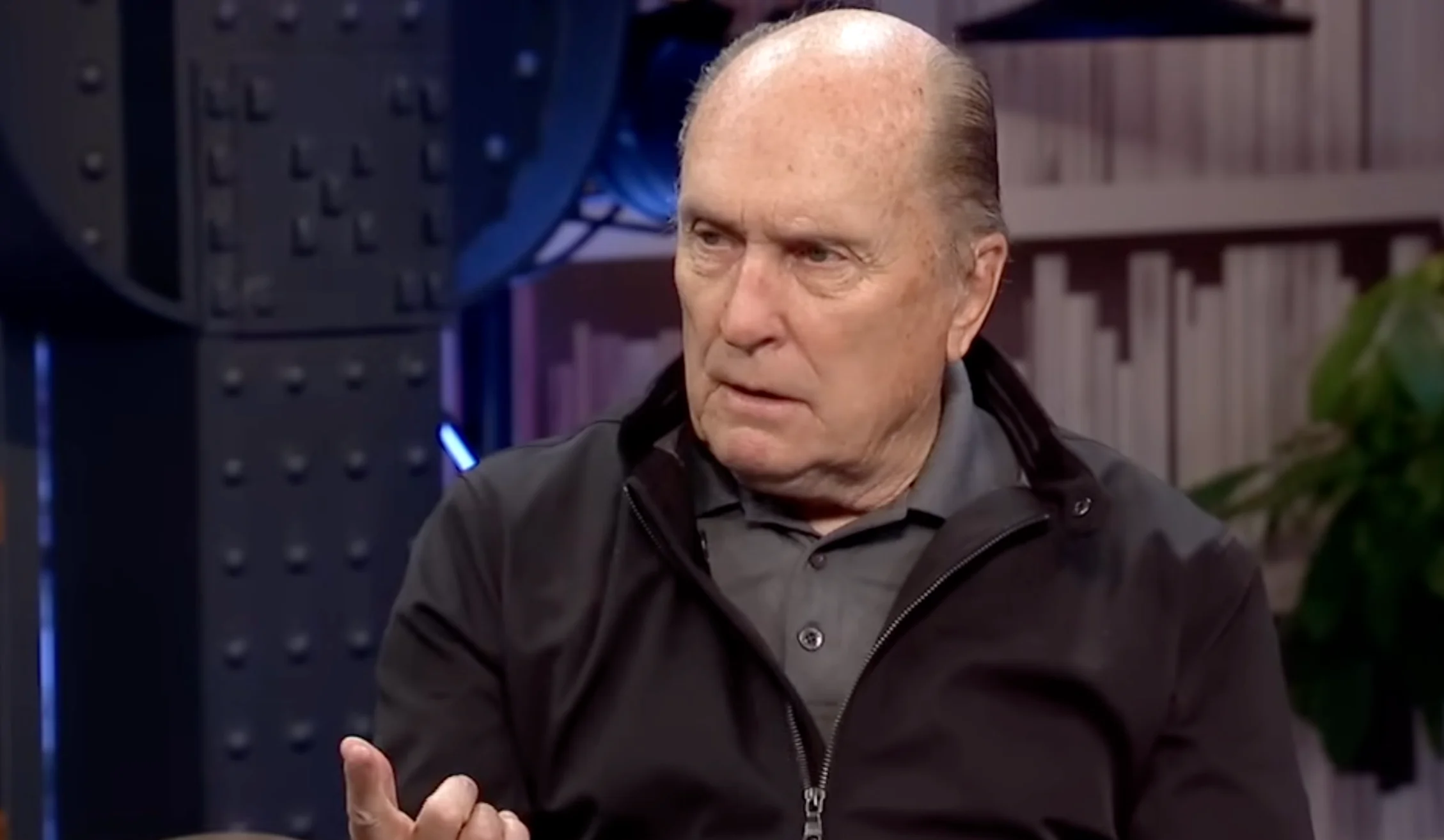
Robert Duvall interview – YouTube, HuffPost Show
The performance exemplified his philosophy: acting wasn’t about drawing attention to oneself. It was about truth.
He would go on to earn six additional Oscar nominations across his career, along with Golden Globes, Emmys, and a BAFTA — but awards never defined him.
Work did.
A Craftsman in an Age of Celebrities
What set Robert Duvall apart wasn’t just talent — it was temperament.
He belonged to a generation of actors who approached filmmaking like a profession, not a platform. He rarely courted headlines. Rarely engaged in political grandstanding. Rarely sought the spotlight off-screen.
Directors loved him because he elevated material.
Co-stars respected him because he made them better. Audiences trusted him because he never phoned it in.
Even late into his career, Duvall continued delivering powerful performances in films like Open Range, Secondhand Lions, and The Judge, proving that age had done nothing to dull his presence.
If anything, it deepened it.
A Legacy Rooted in Authentic Masculinity
Duvall often portrayed men of principle — flawed, yes, but guided by duty, honor, or personal codes.
Ranchers. Soldiers. Sheriffs. Fathers.
He embodied a form of grounded masculinity Hollywood once specialized in but has increasingly drifted away from in recent years.
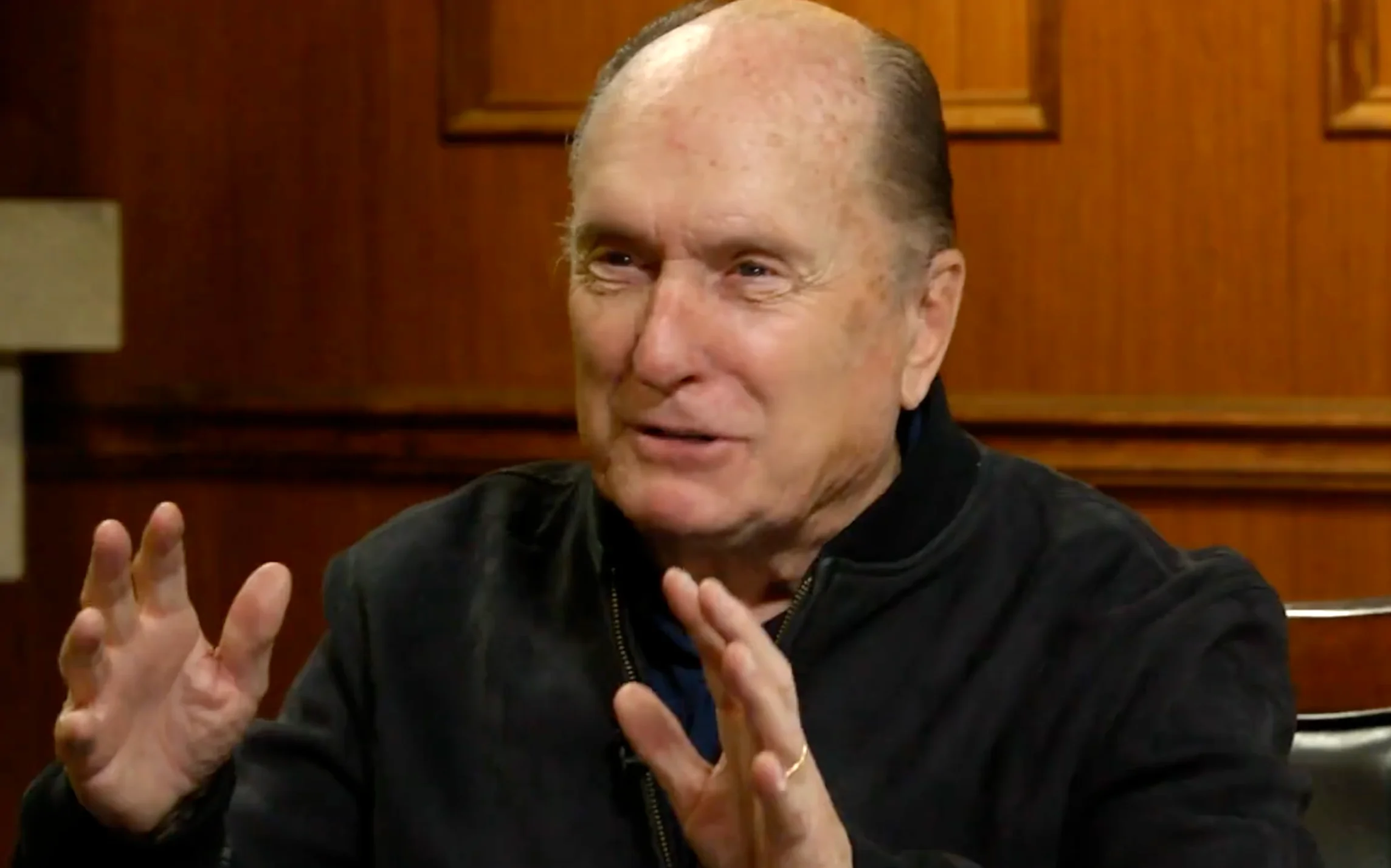
Robert Duvall on Larry King Live – YouTube, Larry King
There was grit to his characters. Weather on their faces. Weight in their decisions.
He didn’t play superheroes. He played men.
And in doing so, he became larger than life.
Influence Across Generations
Modern actors frequently cited Duvall as an influence — not because he chased fame, but because he mastered restraint.
In an industry that often rewards excess, Duvall proved minimalism could be more powerful than monologues.
His performances are still studied in acting schools today for their control, timing, and emotional economy.
You believed him because he believed the character.
That’s a rare gift.
The Final Curtain
Robert Duvall’s death closes the book on one of the most distinguished acting careers in film history.
He wasn’t the loudest star. He wasn’t the flashiest. He was simply one of the best to ever do it.
From The Godfather to Apocalypse Now, from Tender Mercies to Lonesome Dove, his body of work stands as a monument to disciplined storytelling and character-driven cinema.
Hollywood today often feels like it’s chasing spectacle over substance.
Duvall represented the opposite.
And that’s precisely why his loss feels so profound.
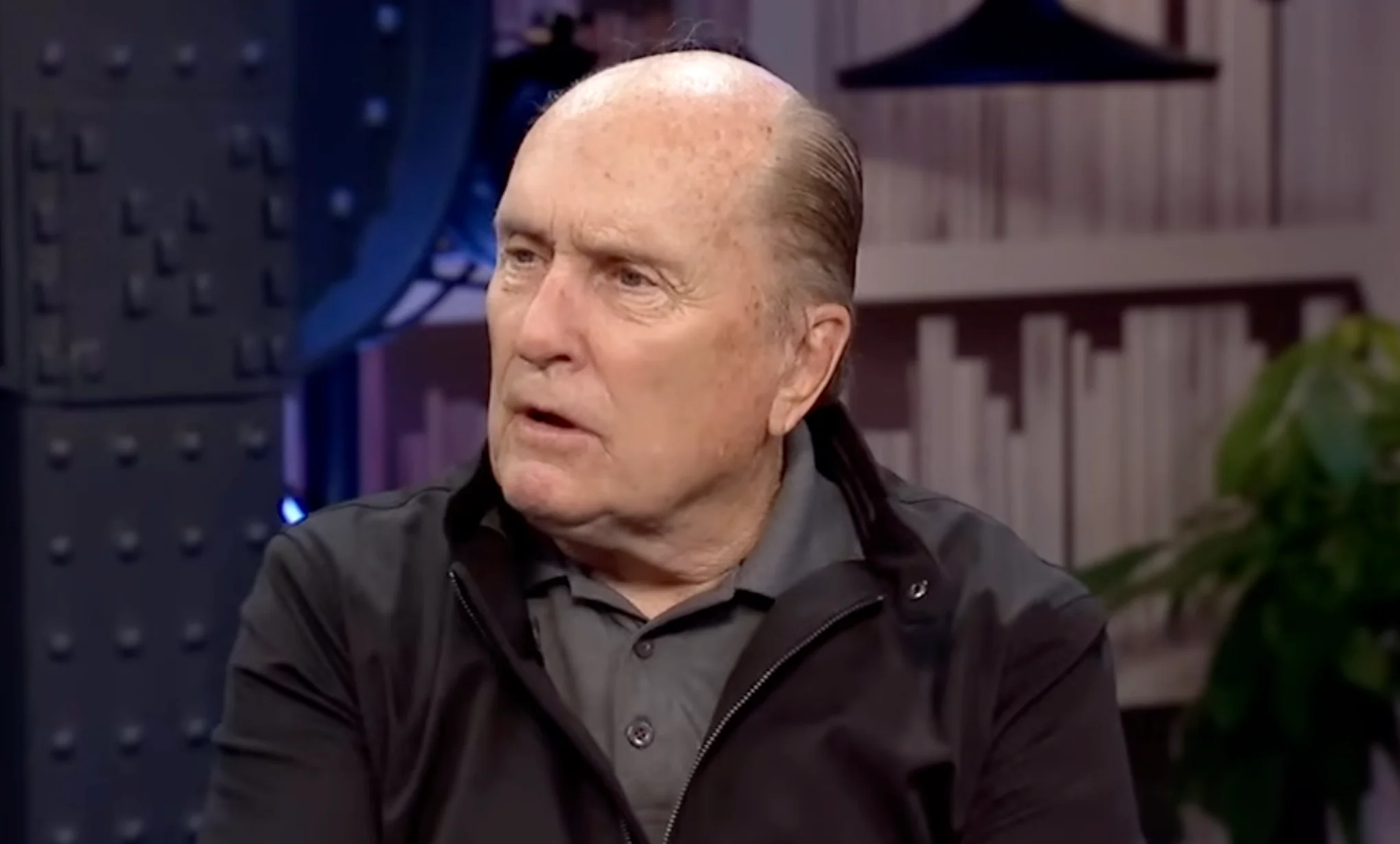
Robert Duvall speaking – YouTube, HuffPost Show
Robert Duvall is survived by his wife, Luciana Pedraza, and a legacy that will live on through generations of film lovers.
His performances remain required viewing — not just for entertainment, but for education in the craft of acting itself.
In an age increasingly defined by noise, Robert Duvall’s greatness came from quiet mastery.
And that silence now feels a little heavier.
UP NEXT: Trump Bashes Bill Maher – Says Comedian is “No Different Than Kimmel, Fallon, or Colbert”
