



Mark Ruffalo publicly took aim at James Cameron after the Avatar director warned lawmakers that a potential Netflix acquisition of Warner Bros. Discovery could devastate the movie theater business. Ruffalo’s response, posted to Threads, immediately reframed the fight — and injected a heavy dose of politics into an already heated industry dispute.
Ruffalo Fires Back
After Cameron sent a letter to Senator Mike Lee arguing that the Netflix-Warner deal would be “disastrous for the theatrical motion picture business,” Ruffalo questioned whether Cameron’s concerns were being applied consistently.
“So… the next question to Mr Cameron should be this,” Ruffalo wrote. “’Are you also against the monopolization that a Paramount acquisition would create? Or is it just that of Netflix?’”
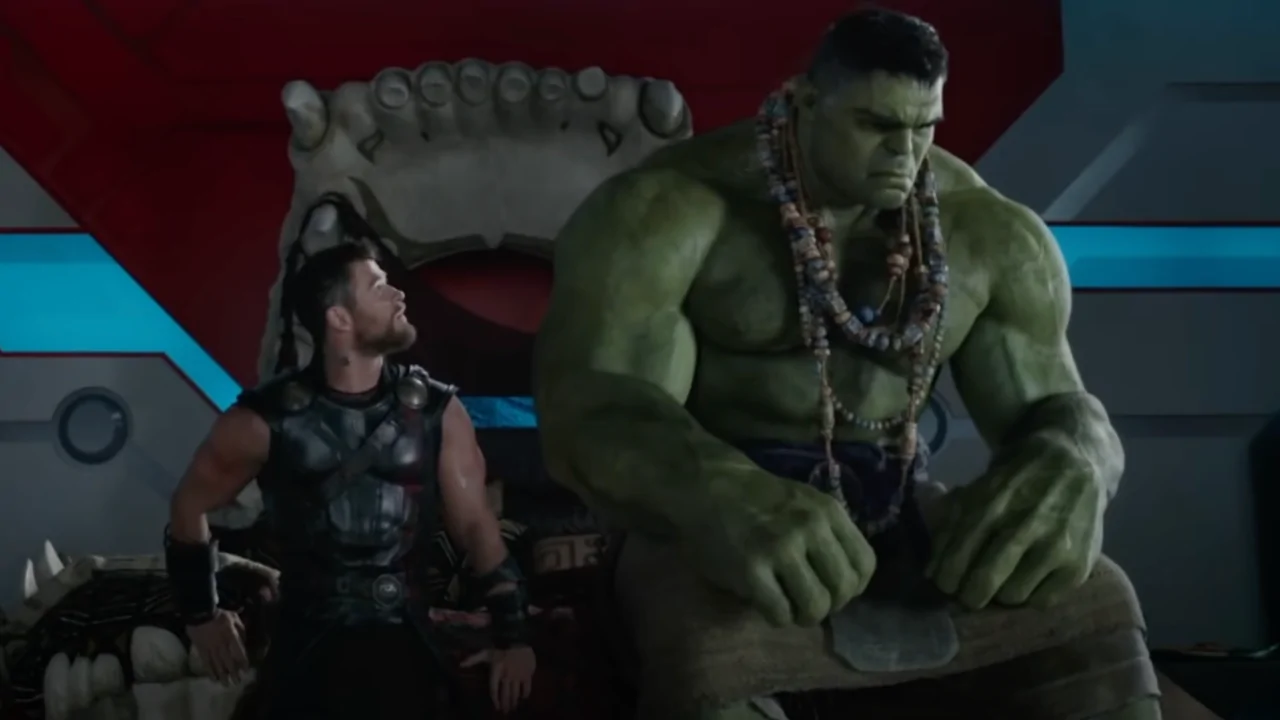
A screenshot from Thor Ragnarok where Hulk, played by Mark Ruffalo talks with Thor, played by Chris Hemsworth – YouTube, U Media
READ: Disney Jr.’s Captain Durag Sparks Online Race Debate Over Character Design
He continued: “I think the answer would be very interesting for the film community to hear and one that should be asked immediately. Is Mike Lee against the Paramount sale as well? Is he as concerned about that as he is the Netflix sale? We all want to know. Speaking on behalf of hundreds of thousands of film makers world wide.”
The comments quickly drew attention across the entertainment industry, particularly because they appear to shift the focus from Cameron’s stated concern — the survival of theatrical exhibition — to broader antitrust politics.
What Cameron Actually Warned About
Cameron’s original letter was not primarily framed around monopoly fears. Instead, the director argued that Netflix’s business model fundamentally conflicts with the traditional theatrical ecosystem.
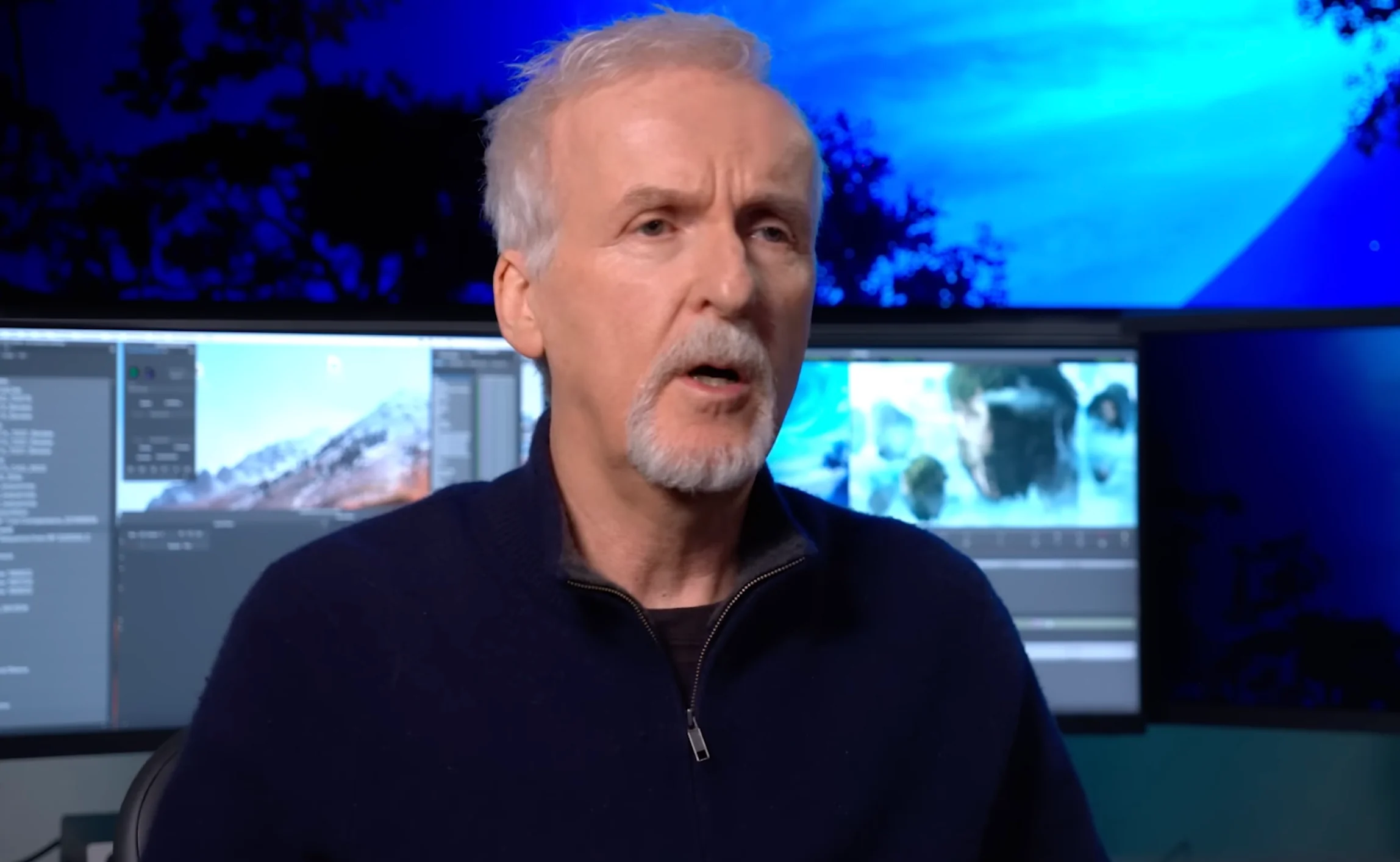
James Cameron in an interview with GQ – YouTube, GQ
According to Cameron, if Netflix acquires Warner Bros. Discovery:
- “Theaters will close.”
- “Fewer films will be made.”
- “The job losses will spiral.”
He further warned that Netflix’s streaming-first strategy is “directly at odds with the theatrical film production and exhibition business, which employs hundreds of thousands of Americans.”
In other words, Cameron’s concern is structural — not purely antitrust-driven.
A Familiar Ruffalo Playbook
Ruffalo is no stranger to political commentary. The actor has been one of Hollywood’s most outspoken activists for years, frequently weighing in on policy debates, elections, and media consolidation.

Mark Ruffalo speaking at the 2017 San Diego Comic Con International, for “Thor: Ragnarok” Photo Credit: Gage Skidmore from Peoria, AZ, United States of America, CC BY-SA 2.0 <https://creativecommons.org/licenses/by-sa/2.0>, via Wikimedia Commons
READ: Popular Disney Character Warehouse Store Is Shutting Down
Critics across social media and political commentary circles have repeatedly accused Ruffalo of hyper-partisan commentary and Trump Derangement Syndrome in the past, a reputation that has followed many of his public statements. His latest post is already being viewed by some observers as another example of that pattern — particularly because it pivots the conversation toward Senator Mike Lee, a Republican, rather than directly addressing Cameron’s theatrical concerns.
The Real Industry Fault Line
What makes this clash particularly interesting is that Cameron and Ruffalo are arguably talking past each other.
- Cameron’s argument: Netflix’s model threatens theaters and film production economics.
- Ruffalo’s argument: Why single out Netflix if other consolidation (like Paramount) is also possible?
Both points touch the broader consolidation wave sweeping Hollywood, but they are not identical concerns.
And that distinction matters.
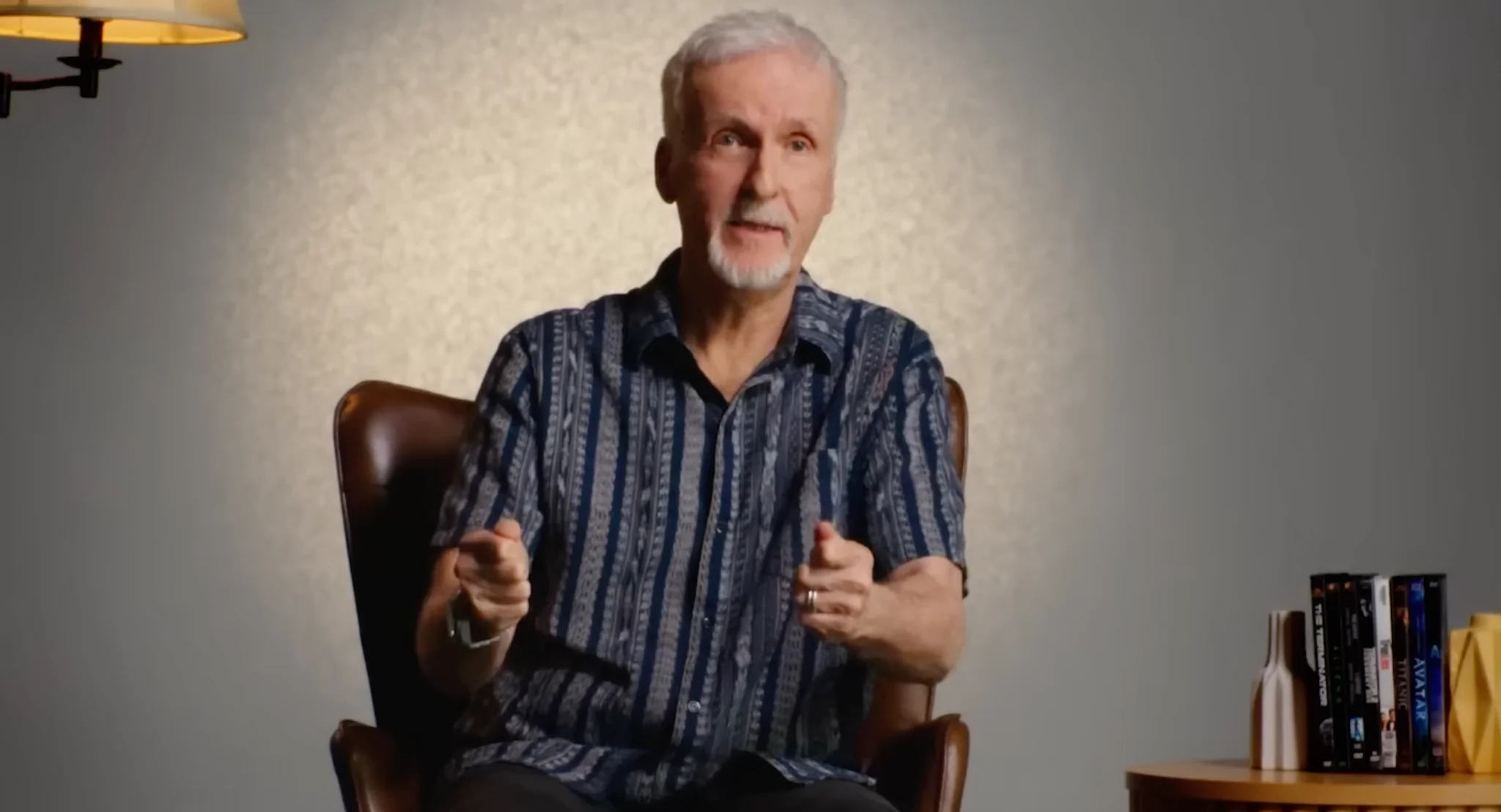
James Cameron speaks to Vanity Fair – YouTube, Vanity Fair
Theatrical exhibition remains one of the last major battlegrounds between traditional studio economics and streaming-first disruption. Cameron has long been one of the industry’s most vocal defenders of the big-screen experience — a position that predates the current merger drama.
The Bigger Picture
With Warner Bros. Discovery shareholders set to vote on the Netflix acquisition and Paramount Skydance still lurking with a potential competing bid, tensions inside Hollywood are only likely to rise.
A graphic showing the Netflix and Warner Bros. Logos – Netflix
Meanwhile, Netflix co-CEO Ted Sarandos continues insisting the company will preserve theatrical releases, even going so far as to offer what he colorfully described as a “blood oath” that the rollout strategy would “remain largely like it is today.”
Skeptics, however, remain unconvinced — in part because of Sarandos’ own past comments dismissing the traditional theatrical model as outdated.
Bottom Line
The Mark Ruffalo James Cameron clash highlights a deeper divide inside Hollywood: whether the real threat is corporate consolidation or Netflix’s specific streaming-first philosophy.
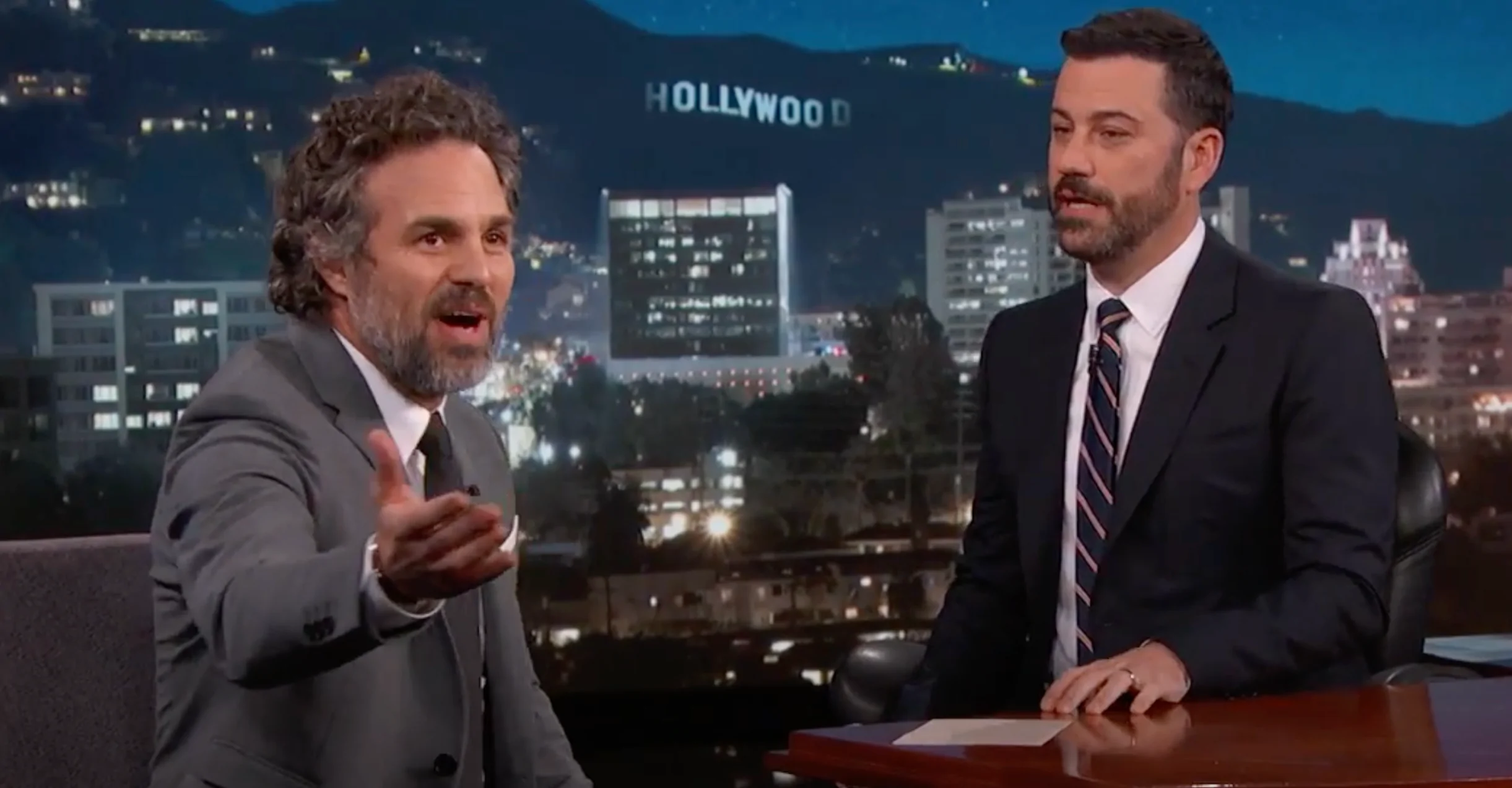
Mark Ruffalo being interviewed by Jimmy Kimmel – Youtube, Jimmy Kimmel Live
The battle over the future of theaters is no longer happening quietly in boardrooms. It’s now playing out very publicly — and very politically — in front of the entire film industry.
Do you side with Mark Ruffalo or James Cameron in this argument? Sound off in the comments and let us know!
