


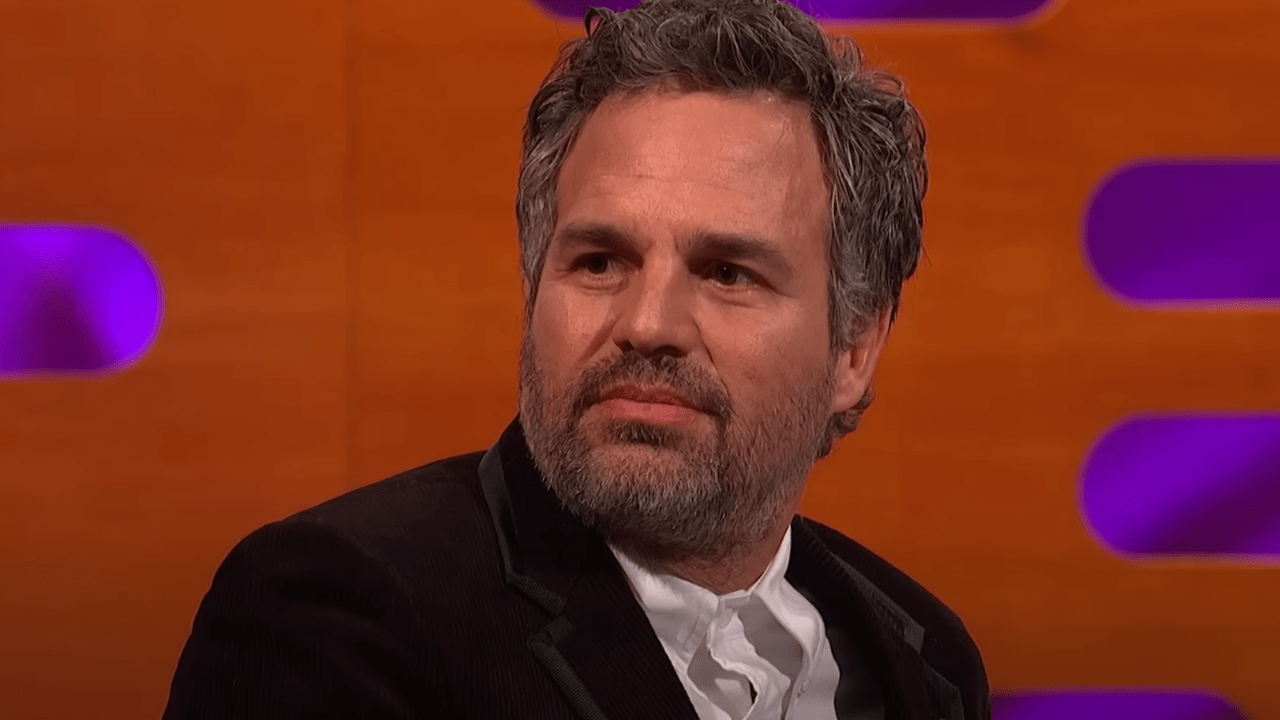
Have you noticed a stunning lack of Hollywood celebrity response regarding the historic Middle East conflict in Iran and their favorite subject for ridicule leading the momentous kinetic action?
Sure, Rosie O’Donnell and Mark Ruffalo are speaking out… Jane Fonda too. But where are the A-listers? Where are the young up-and-comers? Well, there might be a brand-new financial incentive for celebrities to stay quiet on topics that could sour audiences for their movies, and it’s something they haven’t contended with in at least decades.
Recent online chatter has centered on allegations that Paramount Skydance maintains a quiet “blacklist” of celebrities who publicly express political opinions that could dampen box office performance.
The claims have not been substantiated by on-the-record documentation, but the conversation itself raises a revealing question about the current climate in Hollywood: why have so many A-list performers remained publicly silent during the latest escalation in tensions between the United States and Iran?
Paramount’s leadership has not shied away from making its views on the war in Gaza public. In September, it became the first major studio to denounce a celebrity-driven open letter signed by A-listers like Emma Stone and Javier Bardem that called for a boycott of Israeli film institutions implicated… (Warner Bros. followed, but cited legal reasons for its decision.) And sources say Paramount maintains a list of talent it will not work with…” Whether the boycott signatories are on that list is unclear. [Update, Nov. 7: Other sources intimately familiar with Paramount said that while an itemized list does not exist, the management team shares a set of values and has no desire to work with anyone who expresses hate in public and damaging ways].
— Tatiana Siegel, Brent Lang, Matt Donnelly, Variety
At the center of the discussion is Paramount Skydance, the combined entity emerging from Skydance Media’s merger with Paramount Global, now purchasing Warner Bros.
Suddenly, a Trump-friendly media company might just be the biggest kid on the block when looking only at film and streaming (not theme parks or other capex investments). In a Hollywood that has been collapsing, even celebrities know the winds have shifted and their next yacht doesn’t arrive if they run their yapper anymore.

The logo for Paramount Skydance – Paramount
The David Ellison–led Skydance has positioned itself as a disciplined, commercially focused studio with strong ties to franchise filmmaking. Its portfolio includes major action properties such as Mission: Impossible, Top Gun, and Transformers, all of which rely on broad domestic and international audience appeal. The acquisition of Warner Bros. Discovery assets, if finalized in its currently discussed form, further consolidates market power across tentpole franchises and theatrical distribution pipelines.
The allegation circulating in industry circles is straightforward: talent who publicly advocate positions that alienate key audience segments may find themselves quietly deprioritized for casting in tentpole features.
In an era where global box office revenue remains essential to recouping production and marketing budgets that routinely exceed $200 million, studios are acutely sensitive to reputational volatility. Foreign markets, including those in the Middle East and Asia, represent substantial percentages of gross revenue for major releases. Any public controversy tied to a leading actor can materially impact presales, promotional partnerships, and exhibitor confidence.

A screenshot from Transformers One (2024), Paramount Pictures
READ: Variety Claims Black People Need Their Own “Safe Spaces” After BAFTAs Tourette’s Incident
Historically, Hollywood has oscillated between outspoken activism and commercial caution. During the Iraq War era, several performers experienced measurable backlash after high-profile statements. More recently, studios have become increasingly data-driven in their risk modeling.
Social media sentiment analysis, geopolitical risk assessments, and brand safety evaluations are now integrated into marketing strategy. The industry does not need a formal “blacklist” for chilling effects to emerge. The mere perception that a studio may prefer apolitical bankability over ideological expressiveness can be enough to shape behavior.
The silence surrounding the current middle east tensions is notable. In previous international conflicts, celebrity commentary on platforms such as X and Instagram was immediate and often polarized. This time, the relative quiet from top-billed stars is conspicuous.
One plausible explanation is strategic neutrality. Another is contractual discipline, as many franchise actors are bound by morality clauses and promotional obligations that encourage message discipline. A third, more speculative explanation is fear of reprisal within a consolidating studio ecosystem.
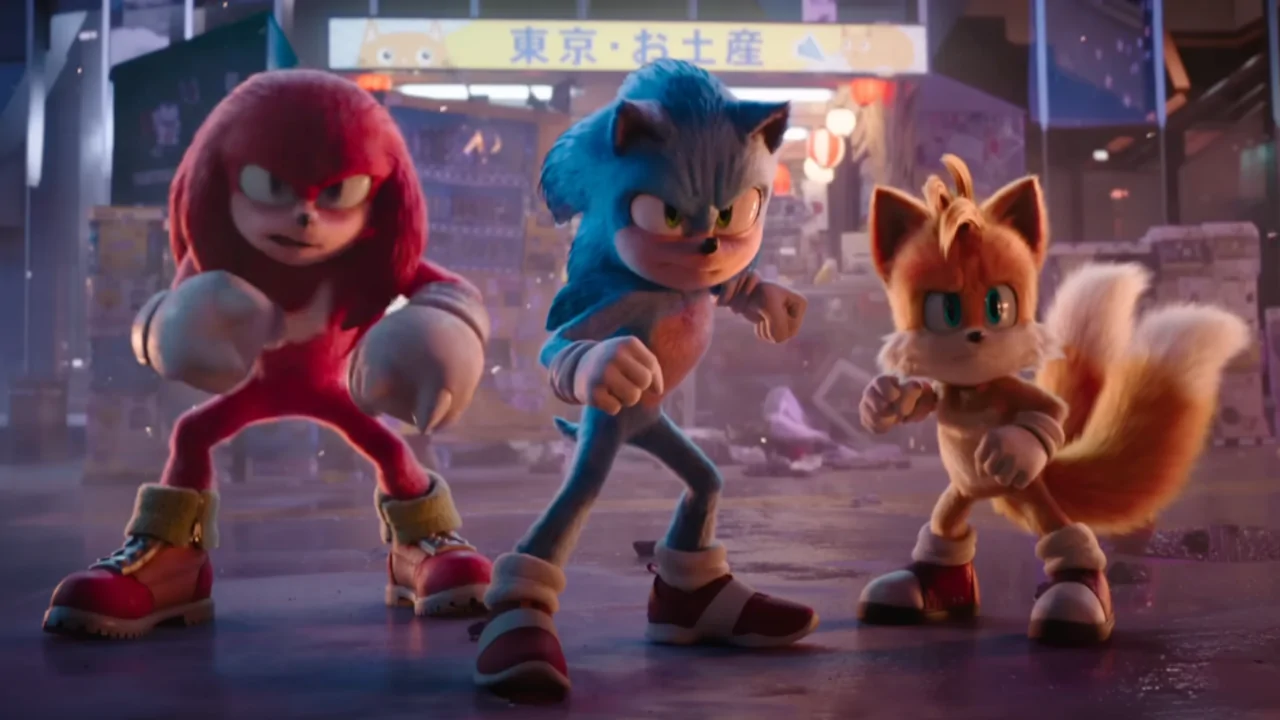
Sonic, Knuckles, and Tails from the Sonic The Hedgehog 3 Trailer – Paramount Pictures
Yes, pre-school YouTube sensation Ms. Rachel might be weighing in on potential propaganda, but anybody looking for a movie deal right now is staying mum.
If Paramount Global under Skydance leadership absorbs or exerts influence over assets associated with Warner Bros. Discovery, the resulting entity would control a significant share of theatrical tentpoles, streaming libraries, and distribution muscle.
In such an environment, a performer who is informally deemed “high risk” could see opportunity sets narrow quickly. Even without explicit directives, casting executives are incentivized to minimize variables that complicate international rollout.
It is important to stress that no publicly verified blacklist has been produced. Major studios uniformly deny maintaining ideological exclusion lists. At the same time, Hollywood’s history includes well-documented periods, such as the mid-20th-century blacklist era, when informal industry coordination materially affected careers. The contemporary situation is not comparable in structure or severity. However, economic self-censorship driven by market concentration is a modern variant worth examining.
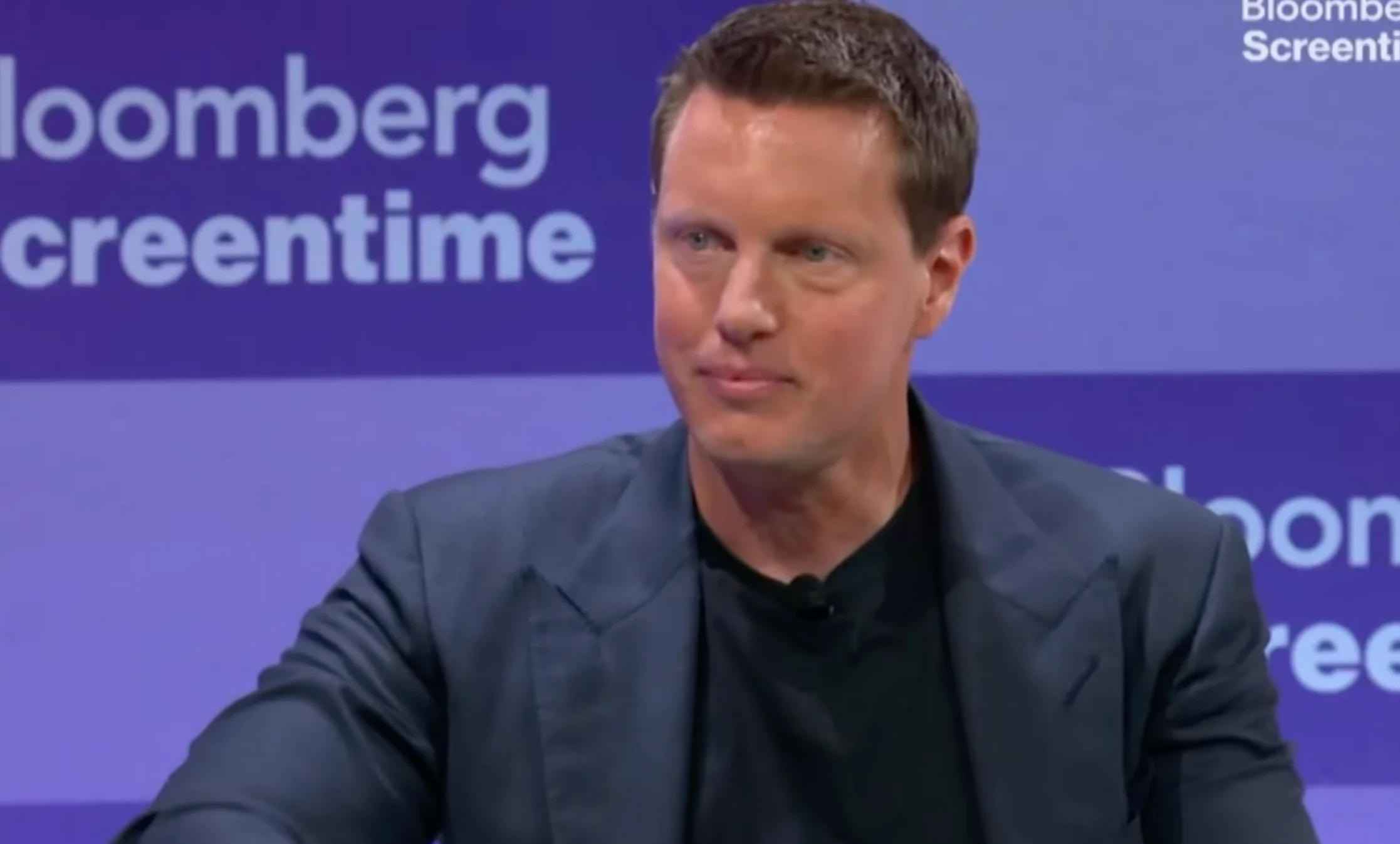
David Ellison talks to Bloomberg – YouTube, Bloomberg Podcasts
Whether the current celebrity silence on tensions and kinetic conflict reflects strategic prudence, genuine uncertainty, or fear of professional repercussions remains impossible to quantify, and certainly different right down to the individual actor we might discuss.
What is clear, however, is that in a Hollywood landscape defined by franchise dependency and corporate consolidation, incentives increasingly reward predictability. A pattern is emerging and the woke era of entertainment is suddenly looking like a lonely, frugal path for any star who wants to attempt it.
In that context, the absence of outspoken commentary may say less about personal conviction and more about the economic architecture shaping modern stardom.
Do you think Hollywood will avoid the topic of Iran? Sound off in the comments and let us know!
UP NEXT: Paramount+ and HBO Max Set to Combine as Company Promises HBO Will “Stay HBO”
