


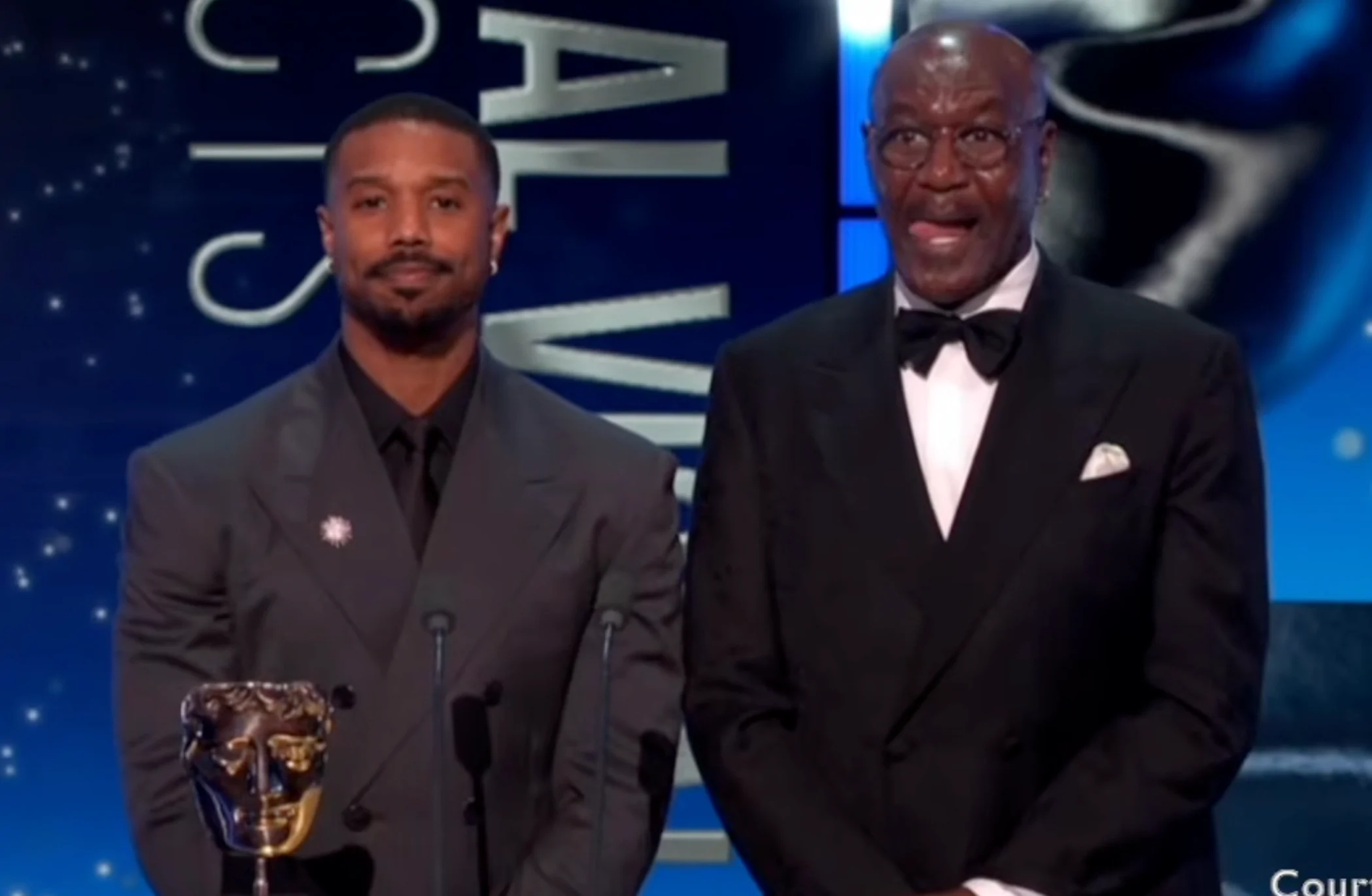
In the wake of the BAFTAs controversy involving an audience member with Tourette’s syndrome shouting a racial slur, Variety has published a guest column arguing the moment demonstrates why Black artists still need culturally specific “safe spaces” like Black only award shows.
The column, written by American Black Film Festival founder Jeff Friday, frames the incident as evidence that even high-profile industry events can leave Black performers feeling exposed. However, the circumstances surrounding the BAFTAs moment were unusual — and, by Friday’s own admission, not rooted in malicious intent.
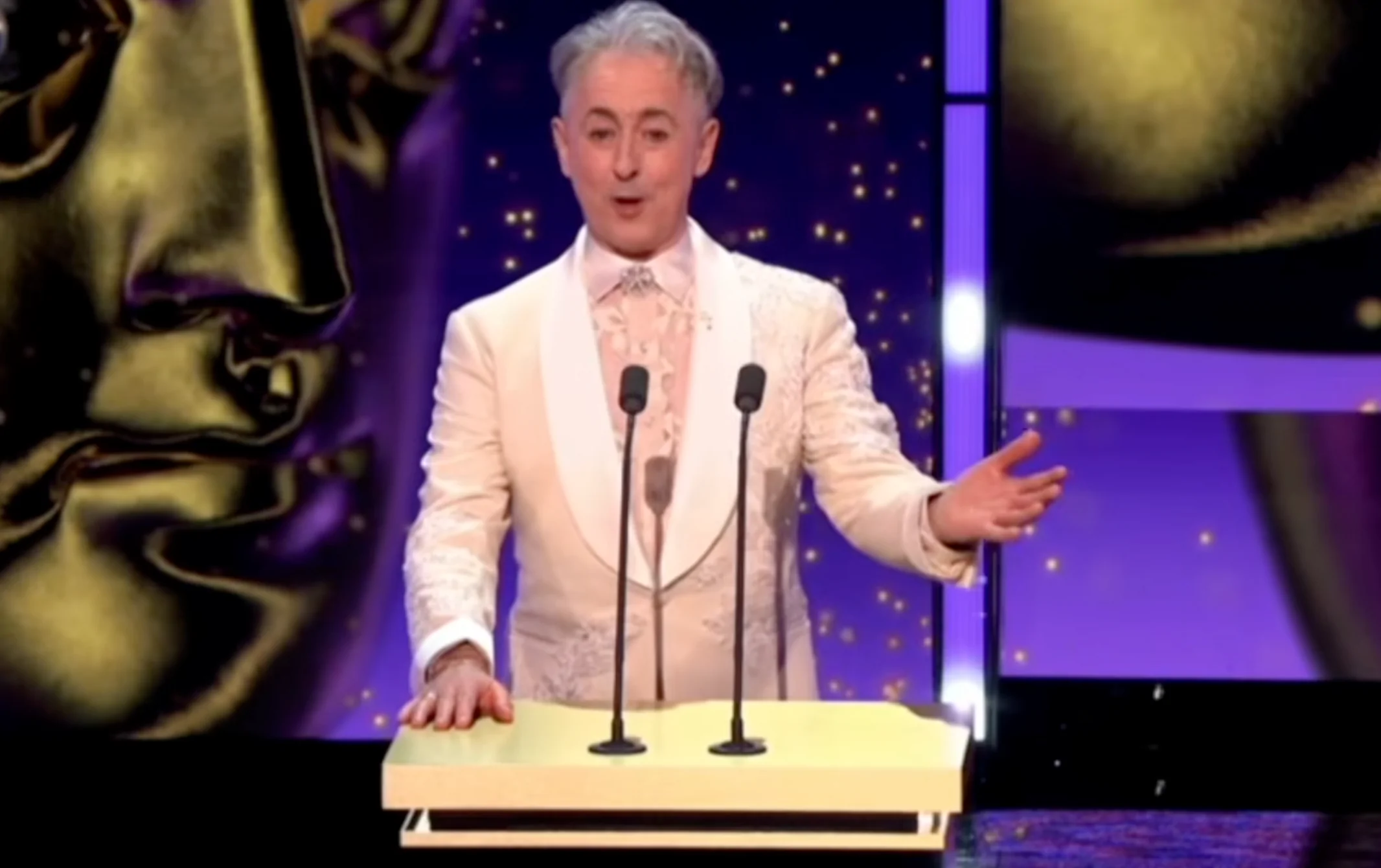
Alan Cumming at the BAFTAs – BBC
READ: Mark Ruffalo Begs for Government Intervention to Stop Paramount–Warner Bros. Merger
Friday acknowledges in the piece that “This was not necessarily a malicious act by the institution. It was likely an unpredictable and complicated circumstance.” Subsequent reporting indicated the individual responsible is a Tourette’s activist and that audience members in attendance had been warned ahead of time.
Even so, the column argues the moment illustrates a broader cultural concern within major entertainment spaces.
A Disruption With Medical Context
The BAFTAs incident occurred during a presentation by Michael B. Jordan and Delroy Lindo when a racial slur was shouted from the audience. Because Tourette’s syndrome can involve involuntary vocalizations, the situation quickly became more complicated than a typical awards-show disruption.
The Variety column acknowledges that complexity while still treating the moment as part of a larger pattern affecting Black artists in public cultural spaces.

John Davidson – YouTube, Tony McMontana
Friday writes that “Even at the highest levels of artistic celebration, Black people can still find themselves exposed.”
The ceremony was not broadcast live and reportedly included a delay window in which the moment could have been edited out before airing — another point raised in the guest column.
Still, the presence of a documented medical condition behind the outburst has led some observers to question how broadly the incident should be interpreted.
The Case for “Safe Spaces”
At the center of Friday’s argument is the role of culturally specific institutions within the entertainment industry. In the guest column, he pushes back on criticism of the term “safe spaces,” arguing the concept is frequently misunderstood.
“Safe spaces are not about exclusion,” Friday writes. “They are about ensuring that celebration does not come with an asterisk.”

Denzel Washington sits for an interview – YouTube, Better Man 365
READ: She-Hulk Actress Tatiana Maslany’s Scream 7 Boycott Call Falls Flat as Film Eyes Record Opening
The column points to events and organizations such as the American Black Film Festival, ABFF Honors, NAACP Image Awards, Essence Black Women in Hollywood Awards luncheon, AAFCA Awards and the BET Awards as examples of what Friday describes as culturally grounded environments.
According to the piece, these institutions exist not because Black artists are unwilling to compete globally, but because — in Friday’s view — recognition in mainstream spaces has at times proven inconsistent or fragile.
The guest column also stresses that the goal is not withdrawal from major industry platforms, noting that Black artists should continue to win Oscars, BAFTAs, Emmys and Golden Globes.
A Debate Larger Than One Moment
The BAFTAs incident has quickly become part of a wider discussion about representation, audience experience and the role of culturally specific spaces in modern Hollywood.
Critics, however, have questioned whether an incident tied to Tourette’s syndrome — particularly one acknowledged as non-malicious — is a strong example to anchor a broader systemic argument for racially specific events.
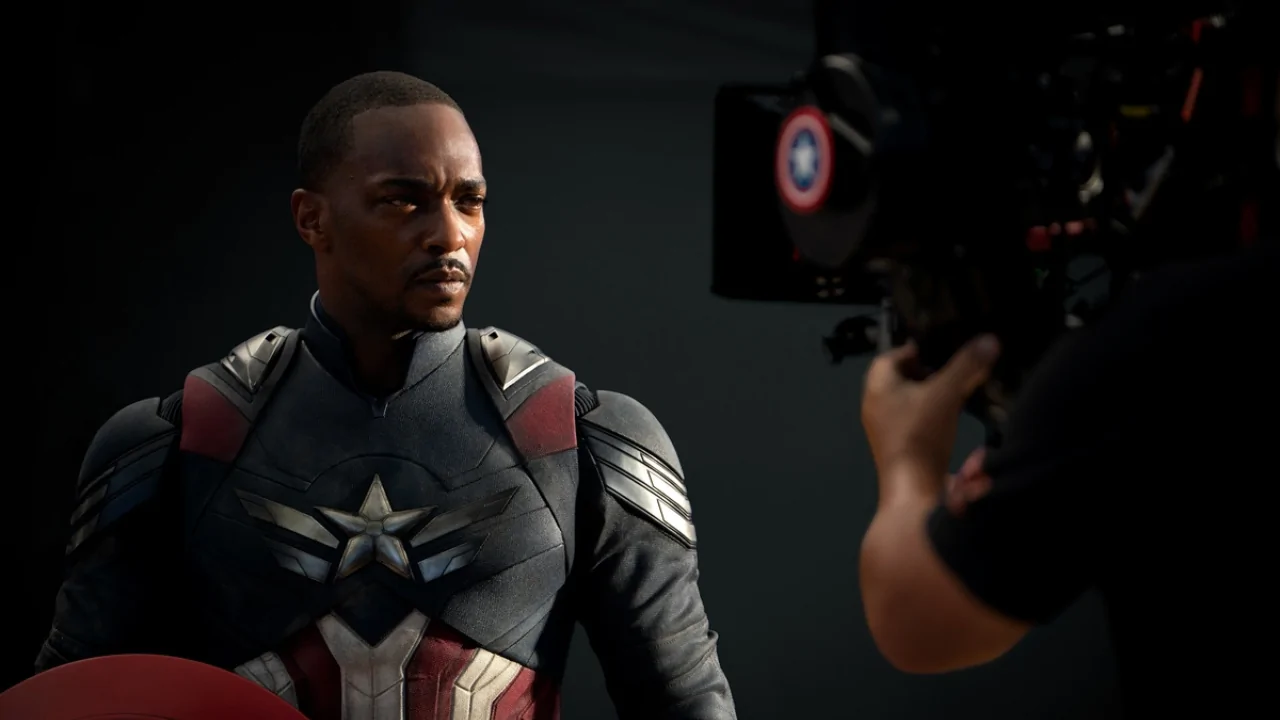
Anthony Mackie behind the scenes of Marvel Studios’ CAPTAIN AMERICA: BRAVE NEW WORLD. Photo by Eli Adé. © 2024 MARVEL.
The column itself attempts to balance that tension, repeatedly noting the complicated nature of the moment while still bafflingly presenting it as illustrative.
Friday ultimately describes the incident as a “clarifying” one for both institutions and audiences.
Historical Sensitivities Remain Close to the Surface
Debates over culturally specific spaces in entertainment don’t occur in a vacuum. For decades, civil rights efforts in the United States focused heavily on dismantling formal segregation and expanding access to mainstream cultural and professional institutions.
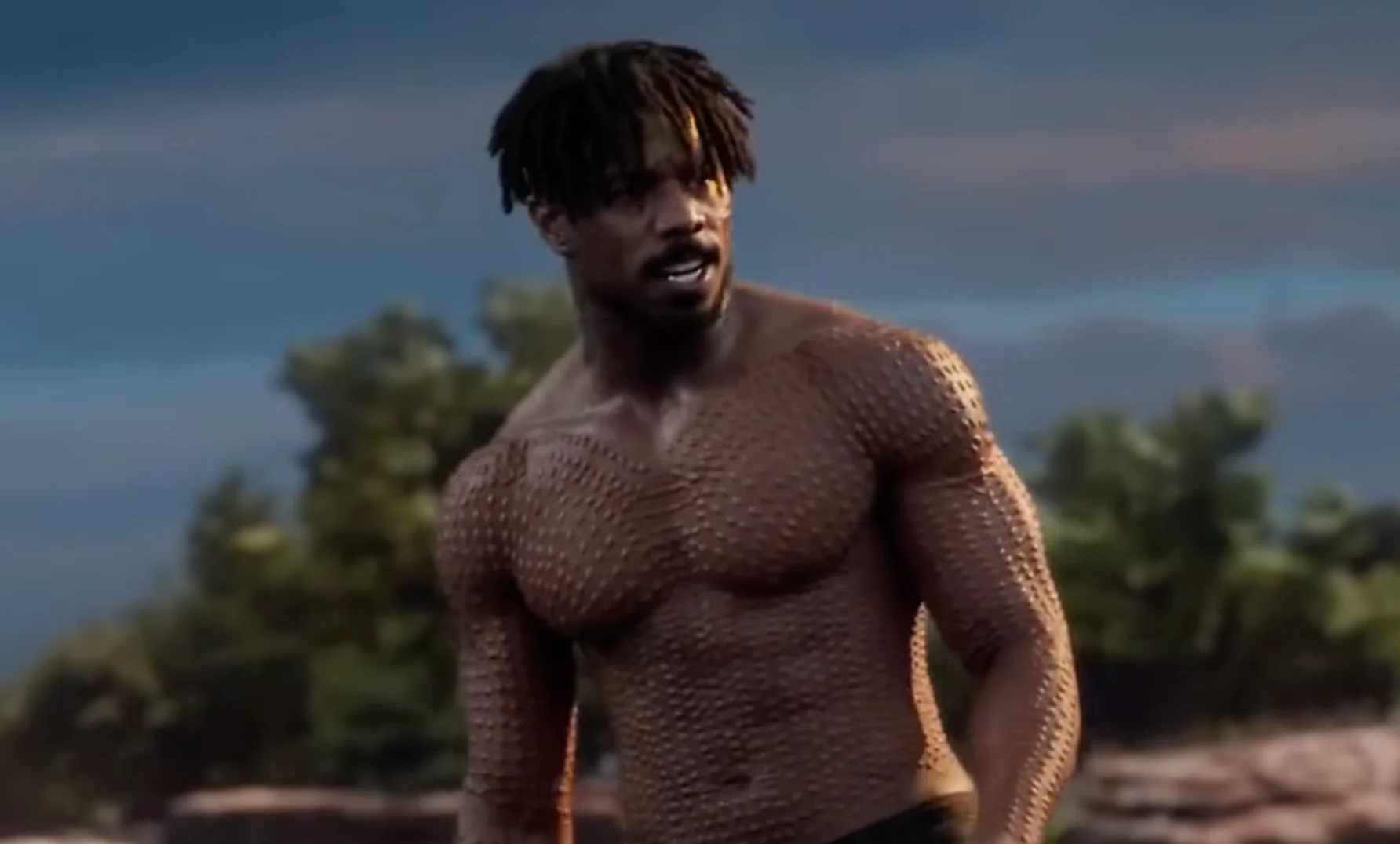
Killmonger challenges for the throne in Black Panther – YouTube, TNT
Because of that history, modern conversations about affinity spaces — even when framed around support and cultural context — can generate heightened scrutiny and sharply divided reactions.
Friday’s column argues today’s safe spaces are about dignity and cultural grounding rather than separation. Still, the BAFTAs moment illustrates how quickly a single, highly unusual incident can reignite broader disagreements about inclusion, intent and institutional responsibility.
Why Critics Say This Approach Risks Deepening Divides
Even setting aside the unusual medical context of the BAFTAs incident, the broader argument around culturally specific “safe spaces” continues to generate significant debate — particularly among those who worry about the long-term cultural direction such thinking encourages.
For decades, major civil rights victories in the United States were built around the idea of expanding shared spaces and breaking down formal racial barriers. The push was toward integration — toward a society where success and recognition would not depend on separate cultural lanes but on equal access to the same institutions.
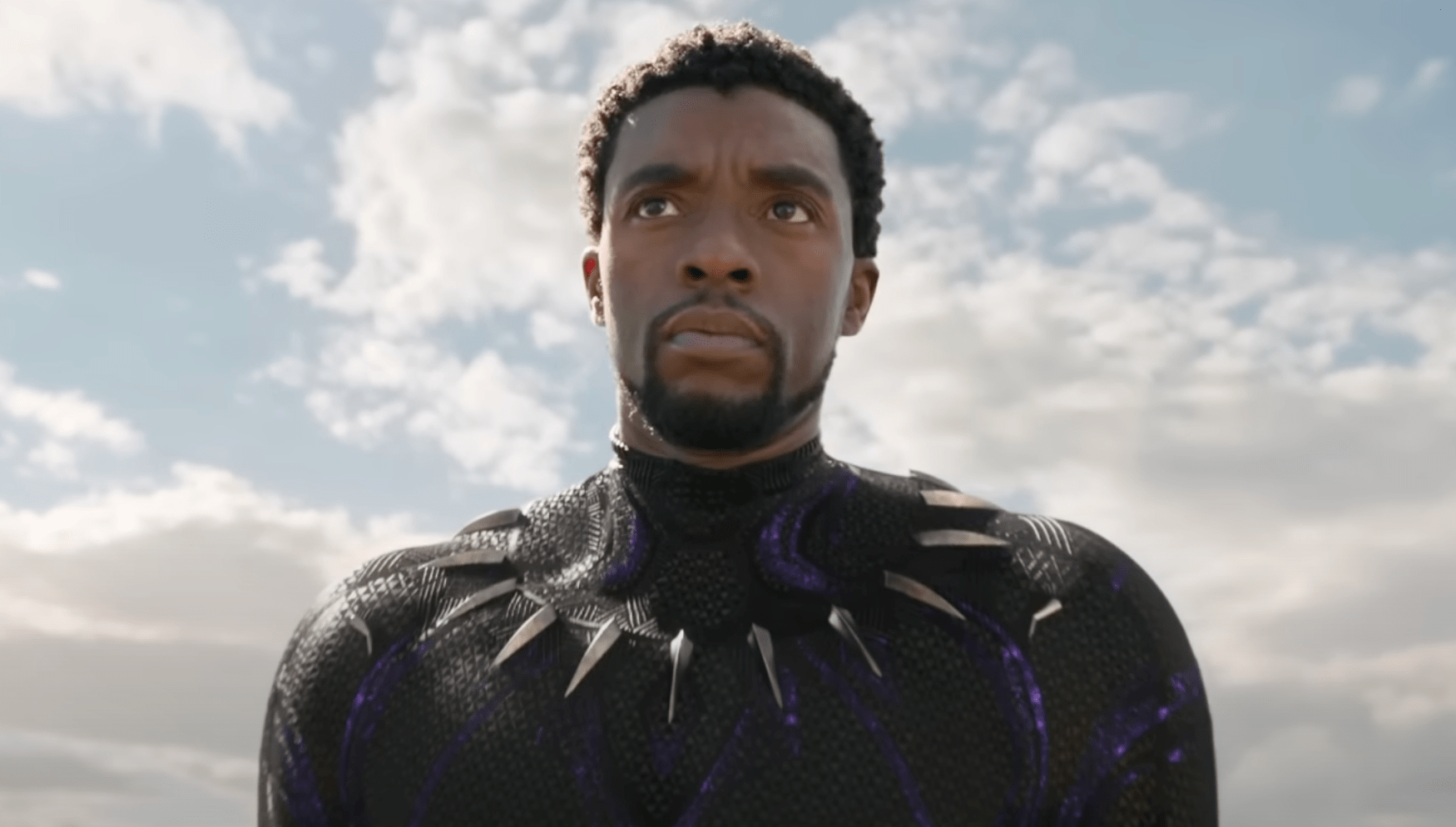
Chadwick Boseman as Black Panther in Black Panther – Disney+
Because of that history, some critics argue that framing modern industry challenges through the lens of racially defined spaces risks pulling the conversation in the opposite direction. In their view, emphasizing separate cultural environments — even when framed as supportive — can unintentionally reinforce an “us versus them” mindset at a moment when many Americans say they want less division, not more.
The BAFTAs incident itself further complicates that debate. By the guest column’s own admission, the disruption stemmed from what was described as an “unpredictable and complicated circumstance” involving Tourette’s syndrome rather than clear malicious intent.
That reality has led some observers to question whether using the moment as a broader cultural proof point risks inflaming tensions that the underlying facts don’t fully support.
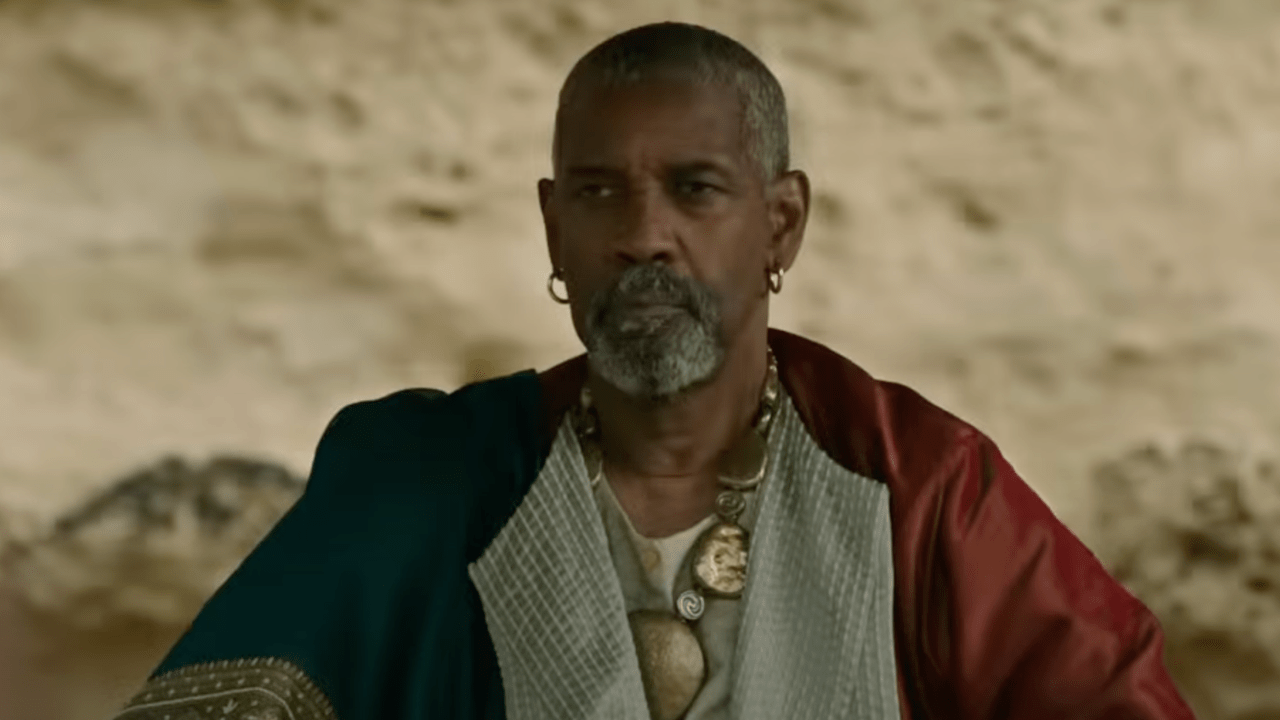
Denzel Washington in the trailer for Gladiator 2 – YouTube, Paramount Pictures
Notably, Friday is not merely a commentator on the issue. He is the founder of the American Black Film Festival and ABFF Honors — two of the culturally specific institutions highlighted in his own argument. That overlap has prompted some observers to view the column’s framing with a measure of skepticism, given that the expansion and validation of racially defined industry spaces would, at least indirectly, reinforce the importance of the very platforms Friday helped build. Platforms he presumably profits from.
At a time when the entertainment industry frequently speaks about inclusion and unity, the question many are now asking is whether arguments built around separate cultural “safe spaces” ultimately move Hollywood — and the broader culture — closer to that goal, or further away from it.
An Ongoing Industry Conversation
Whether the BAFTAs incident ultimately proves to be a meaningful inflection point or simply an unusual one-off moment remains to be seen.
What is clear is that the situation’s medical context — acknowledged within the Variety column itself — has made the episode more complicated than many typical awards-show controversies.

Idris Elba in The Dark Tower – YouTube, Sony Pictures Entertainment
As Hollywood continues to wrestle with questions around representation, recognition and the role of culturally specific institutions, the debate over safe spaces is unlikely to fade anytime soon.
For now, the BAFTAs moment stands as both a highly specific incident involving Tourette’s syndrome and a broader cultural Rorschach test — one that different corners of the industry appear poised to interpret in very different ways.
How do you feel about racially divided safe spaces? Sound off in the comments and let us know!
UP NEXT: Waymo and Orlando Mayor Announce Driverless Taxi Service is Coming
