


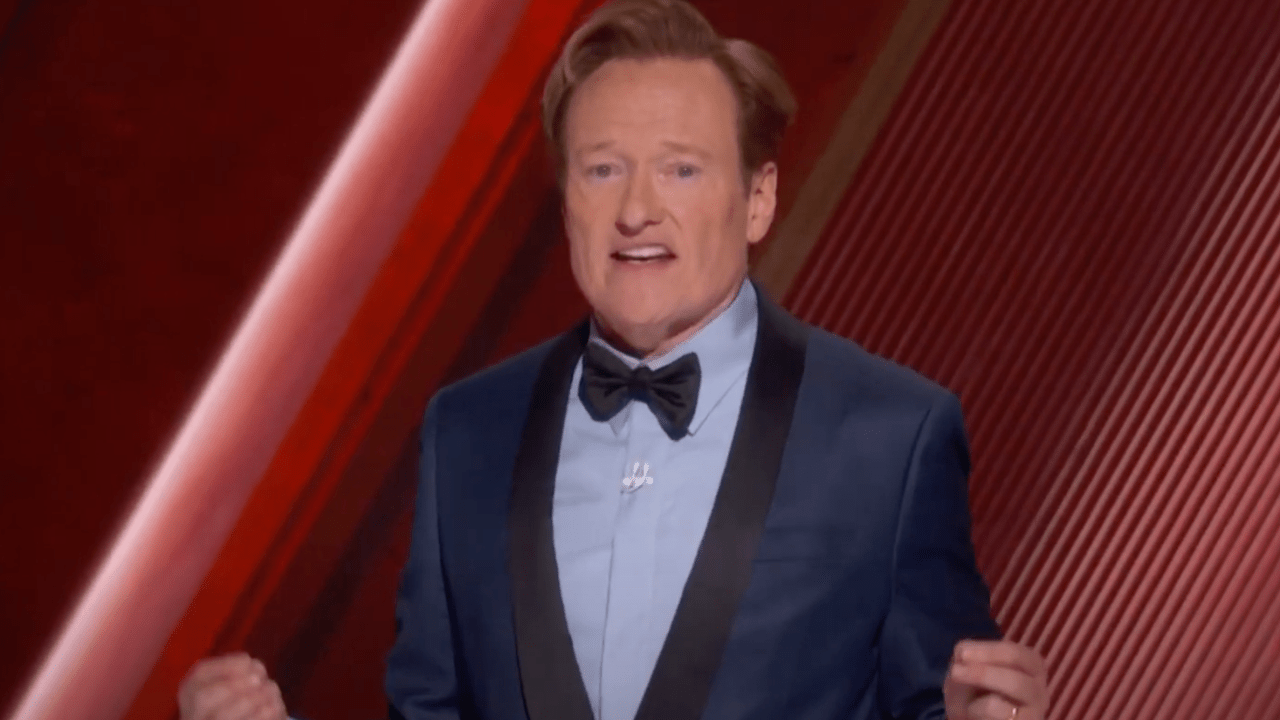
The Oscars may still represent the biggest night in Hollywood. However, viewership ratings suggest that for the rest of the country, it is just another Sunday evening. According to Nielsen’s big data plus panel, the 98th annual Academy Awards drew 17.86 million viewers on ABC and Hulu. That’s down 9% from last year’s 19.7 million viewers.
Variety notes that this continues a downward trend across all awards shows this year. Viewership for both the Golden Globes and the Grammy Awards dropped 6% compared with 2025. The reason for decline in viewership is likely a growing question in the minds of many within the entertainment industry.
The Oscars’ Shrinking Audience
Some industry experts have suggested that viewership for the Oscars has declined as audiences’ tastes have shifted toward streaming and social media. ABC reported that social impressions were up 42.4% this year. Additionally, Academy social platforms were up to 21.6 million. Audiences may not have watched the ceremony, but it was widely discussed online.
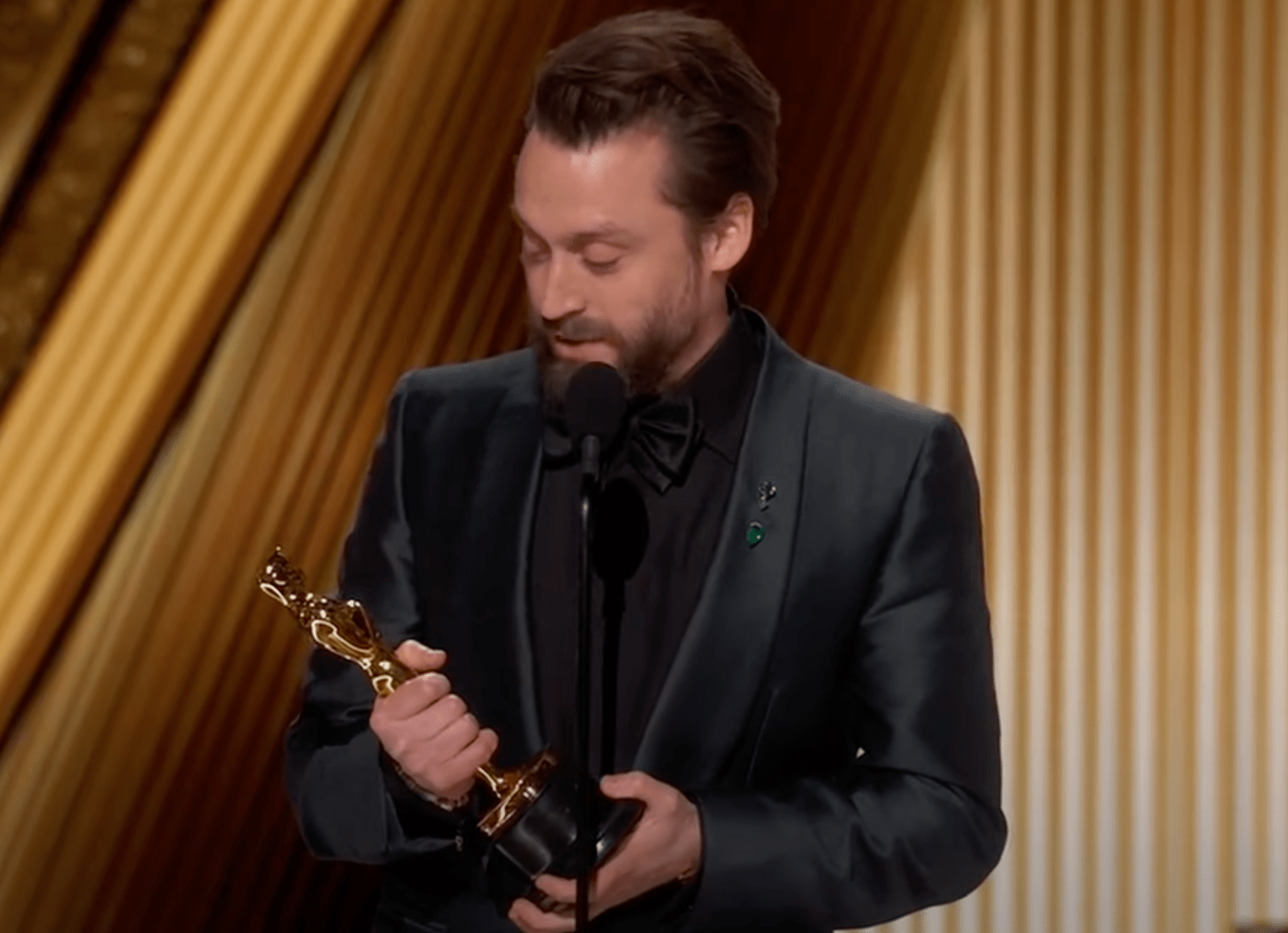
Kieran Culkin in his Oscars acceptance speech – YouTube, ABC News
READ: Nick Offerman Calls Dennis Quaid “Crazy” For Not Hiding Trump Support
Still, the 17.9 million viewers for this year’s Oscars is a significant drop in the award show’s history. In 1998, more than 57 million people—an all-time high—were believed to have tuned in to see Titanic sweep the awards.
It’s worth noting that Titanic was also a blockbuster. The James Cameron epic pulled in over $600 million at the domestic box office in its first theatrical run. Comparatively, this year’s Best Picture winner, the politically charged One Battle After Another, only made around $72 million domestically. The film’s biggest competition, Sinners, made nearly $280 million at the U.S. box office.
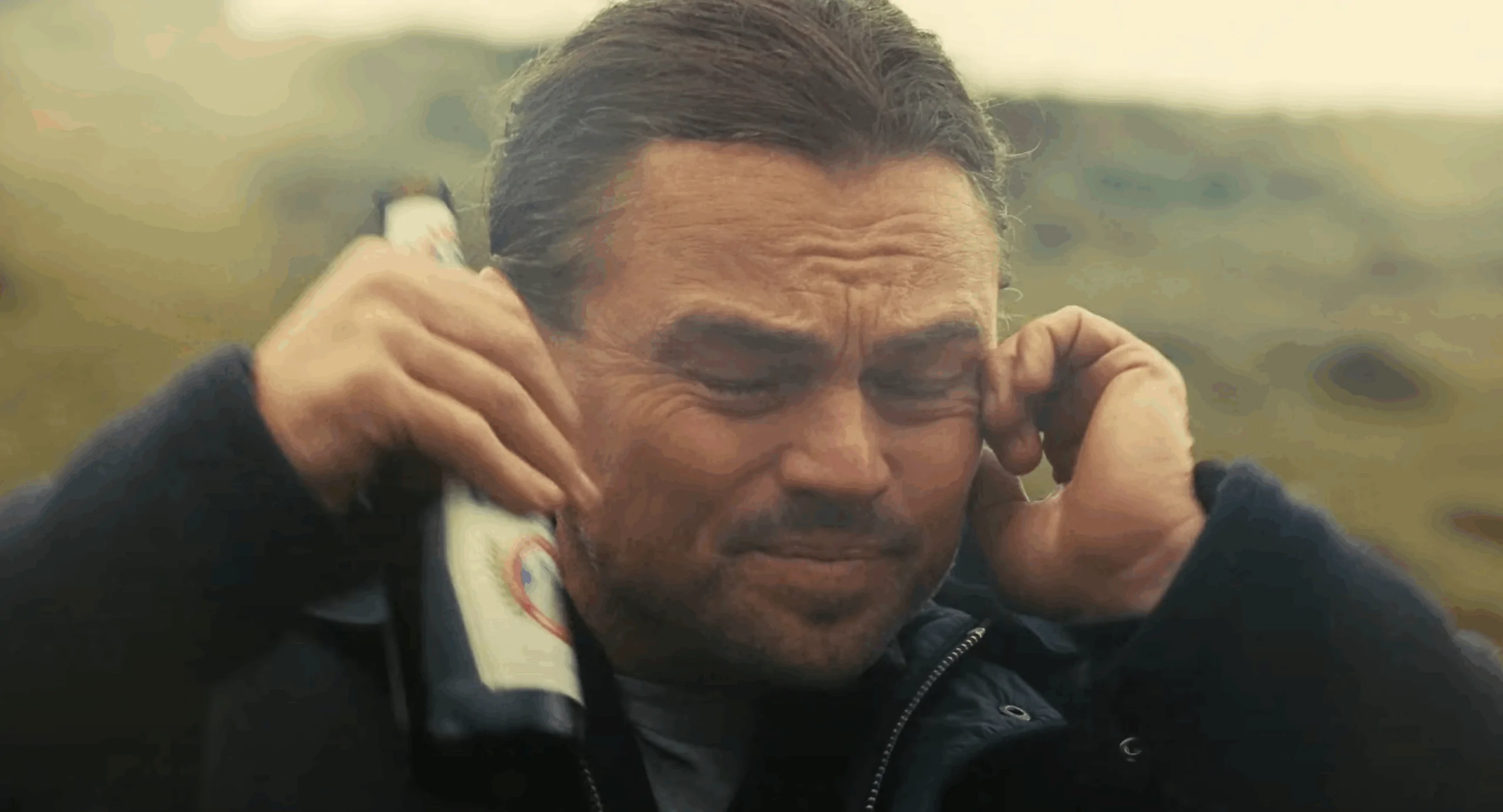
Leonardo DiCaprio holds his ears in the trailer to One Battle After Another – YouTube, Warner Bros. UK & Ireland
READ: LEGO Batman: Legacy of the Dark Knight — Pre‑Order and Release Information
Yet many viewers may not have been invested in an Oscar race in which they had only seen one of the contenders. While the reason for One Battle After Another’s low box office performance is an open question, some online have speculated that political messaging may have been a factor. That sentiment may have carried over into Oscar viewership as well.
Politics Takes the Stage
The Academy Awards have often been used an opportunity for celebrities to signal their values and positions on hot-button issues. However, this year even The Hollywood Reporter headlined an article “Oscars Get Political.” It noted that Javier Bardem, Jimmy Kimmel, Conan O’Brien and the winners in the documentary categories took time on stage to slam gun violence, Trump, and wars.
In its coverage, The Guardian noted that, among other things, the politics was “hard to ignore.”
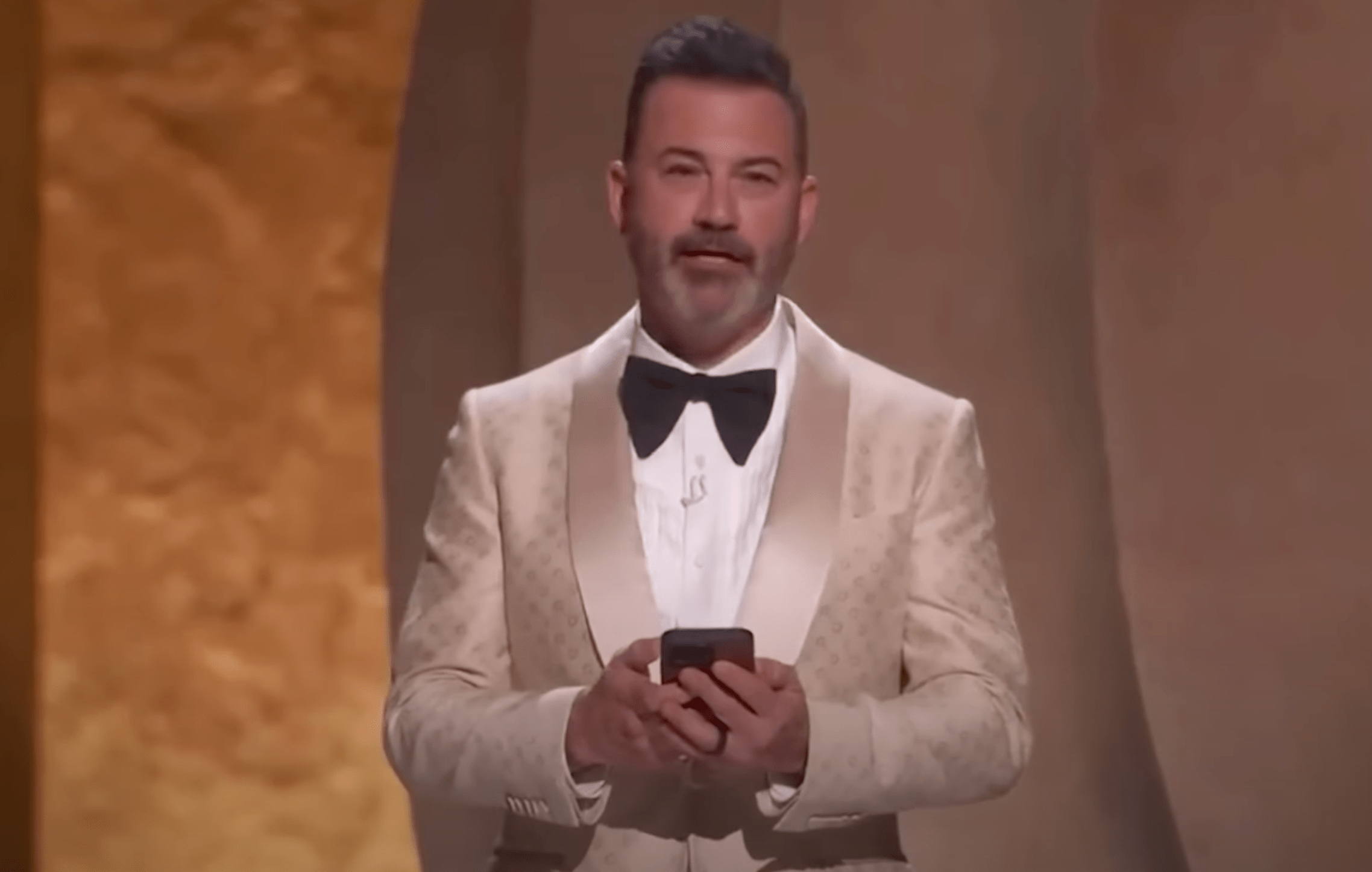
Jimmy Kimmel reading tweets from President Trump at The Oscars – YouTube, New York Post
READ: Dana Walden Being Put In Charge of Video Games for Disney
Bardem, who was reportedly wearing a 2003 Iraq War protest pin, opened his speech with, “No to war and free Palestine.” Late-night host Jimmy Kimmel used his time on stage to mock media censorship. “There are some countries whose leaders don’t support free speech… Let’s just leave it at North Korea and CBS,” he said.
A Fragmented Cultural Moment
The reasons behind declining Oscar viewership—shifting attention spans, changing tastes, or perceptions of Hollywood lecturing audiences—remain a matter of debate.
What seems clear, however, is that the Oscars no longer hold a unified place in the cultural experience. Where the ceremony once functioned as a shared national moment—anchored by widely seen films and broadly appealing spectacle—it now operates within a far more fragmented landscape.
Why do you think viewership for the Oscars is down? Did you watch this year? Let us know in the comments!
UP NEXT: One Piece Season 3 Gets Encouraging Update—And Netflix May Finally Be Fixing a Big Problem
