



Have you been exhausted by cast members referring to you as “friend,” unable to say “sir” or “ma’am”? If so, don’t thank the Phoenicians. Thank Bob Iger and a very strange moment in time in which Disney decided to go all-in on divisive language edicts at their parks! But now, that appears to finally be coming to and end.
Disney Parks has indeed begun quietly restoring gendered language such as “ladies and gentlemen” to announcements, attraction spiels, and (perhaps) cast member training. It represents one of the most symbolically significant reversals the company has made in years. Disney did not merely drift away from that language by accident. The company very publicly moved toward more gender-neutral speech during its broader inclusivity push in 2021 and 2022, tying that shift to its internal culture, guest-facing presentation, and cast member guidance.
It was very nice to hear that “Ladies and Gentlemen” has returned to the Magic Kingdom Express Monorail recently! pic.twitter.com/PqtBI6u2qx
— Theme Park Cheetah (@GreenCheetah99) April 7, 2026
READ: SNL Runs “Black Snape” Segment During Weekend Update, Skewering HBO Harry Potter Casting Choice
The history here matters. In April 2021, Disney Parks Blog published “A Place Where Everyone is Welcome,” laying out a broader effort to modernize policies and make the parks more inclusive for both guests and cast members. That post discussed new flexibility in the “Disney Look,” including gender-inclusive approaches to hairstyles, jewelry, nail styles, and costume choices. It was part of a larger company posture that Disney framed as making the parks feel more welcoming to everyone.
Only a few months later, that philosophy became much more visible to everyday guests. In July 2021, Disney confirmed that the longtime fireworks greeting “ladies and gentlemen, boys and girls” had been removed from the Magic Kingdom pre-show for “Happily Ever After.” In its place came the softer, more generalized “Good evening, dreamers of all ages.” Multiple outlets reported the change at the time, and Newsweek specifically reported that a Disney spokesperson said the greeting was removed as part of the company’s ongoing diversity efforts. Disneyland also made a similar shift in its own nighttime entertainment language.

Cinderella Castle at Mickey’s Very Merry Christmas Party During the Fireworks – Photo Credit: That Park Place
By 2022, the move away from gendered park language was no longer just a change in recorded audio. It had become part of Disney’s internal training philosophy as well.
Disney diversity and inclusion manager Vivian Ware said cast members were being trained to avoid greetings such as “ladies and gentlemen” and “boys and girls,” and instead use phrases like “hello, everyone” or “hello, friends.” Ware also cited the fireworks greeting change as an example of that new approach already being implemented in the parks.
Going to Disneyland After Dark: Disney Channel Nite at Disneyland? Here’s everything you need ✨
🎟️ : https://t.co/wprfOVfvSh pic.twitter.com/fKnryoVpPs
— Disney Channel (@DisneyChannel) April 2, 2026
That is what would make any quiet move back to “ladies and gentlemen” so notable. This would not be a minor wording tweak. It would be Disney reversing a highly intentional communications choice that had been tied to inclusivity, brand identity, and cast member conduct. The old phrasing was not phased out because it had gone stale. It was phased out because Disney leadership, at least at that time, believed gender-neutral language better matched the image the company wanted to project.
And that is precisely why a return to gendered greetings carries more weight than the words themselves. Disney is one of the most studied and imitated consumer-facing brands in the world. Its park language is scripted, tested, approved, and institutionalized. When Disney changes wording across spiels, announcements, and training, it’s revealing something about how the company wants cast members to engage guests and how executives want the brand to sound. A return to “ladies and gentlemen” would suggest that Disney now sees more value in familiarity, tradition, and broad cultural normalization than in the “progressive inclusivity signaling” that drove the earlier shift.
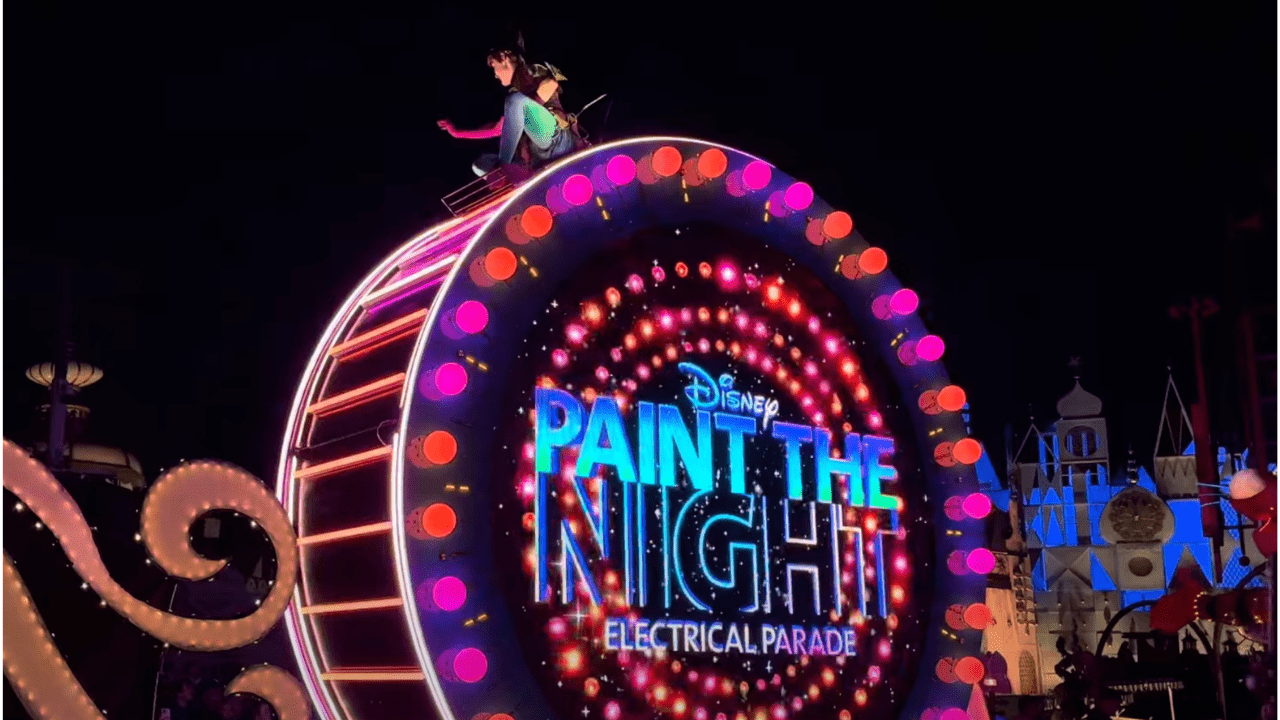
Paint the Night Parade at Disneyland – YouTube, WDW News Today
READ: Pokemon Go Could Include Item That Catches Pokemon Automatically
There is also a practical dimension to this. For years, Disney has depended on a carefully managed tone inside its parks. Every recorded announcement and every cast interaction is part of the show. The phrase “ladies and gentlemen” is old-fashioned, formal, and immediately recognizable. It sounds classic. It sounds theatrical. It sounds like the Disney many longtime fans grew up with. Restoring it would likely be interpreted by a large share of guests not as controversial, but as a return to a more traditional version of the Disney experience.
That does not mean the change is ideologically neutral. Quite the opposite! Because Disney’s earlier move away from gendered language became part of a broader culture argument around the company, any move back would inevitably be read as a retreat from that earlier posture. Critics of Disney’s inclusivity initiatives would likely call it a correction. Supporters of the old policy would likely see it as capitulation. Either way, it would be hard to argue that such a reversal was meaningless.
Cinderella Castle at Mickey’s Very Merry Christmas Party During the Fireworks – Photo Credit: That Park Place
What makes the reported quietness of this alleged change especially interesting is that Disney may understand all of that perfectly well. If the company is truly restoring “ladies and gentlemen” without press releases or public celebration, then Disney may be trying to accomplish something very specific: change the operational reality without reigniting the public fight. That would be classic corporate damage control. Do the reversal softly. Let guests notice. Let word spread organically. Avoid attaching executive quotes to it. Avoid turning a scripted phrase into a headline.
If true, this shift would amount to Disney acknowledging that one of its most visible inclusivity-era language changes either did not serve the guest experience well enough, created internal complications, or simply no longer reflects the company’s current instincts. That is why this matters. Disney once made a conscious decision to stop saying “ladies and gentlemen.” If it is now consciously saying it again, then something deeper has changed inside the company than a few words on a microphone.
How do you feel about Disney bringing back “ladies and gentlemen”? Sound off in the comments and let us know!
UP NEXT: Netflix Faces Refund Claims After Italian Court Rejects Past Price Hikes
