


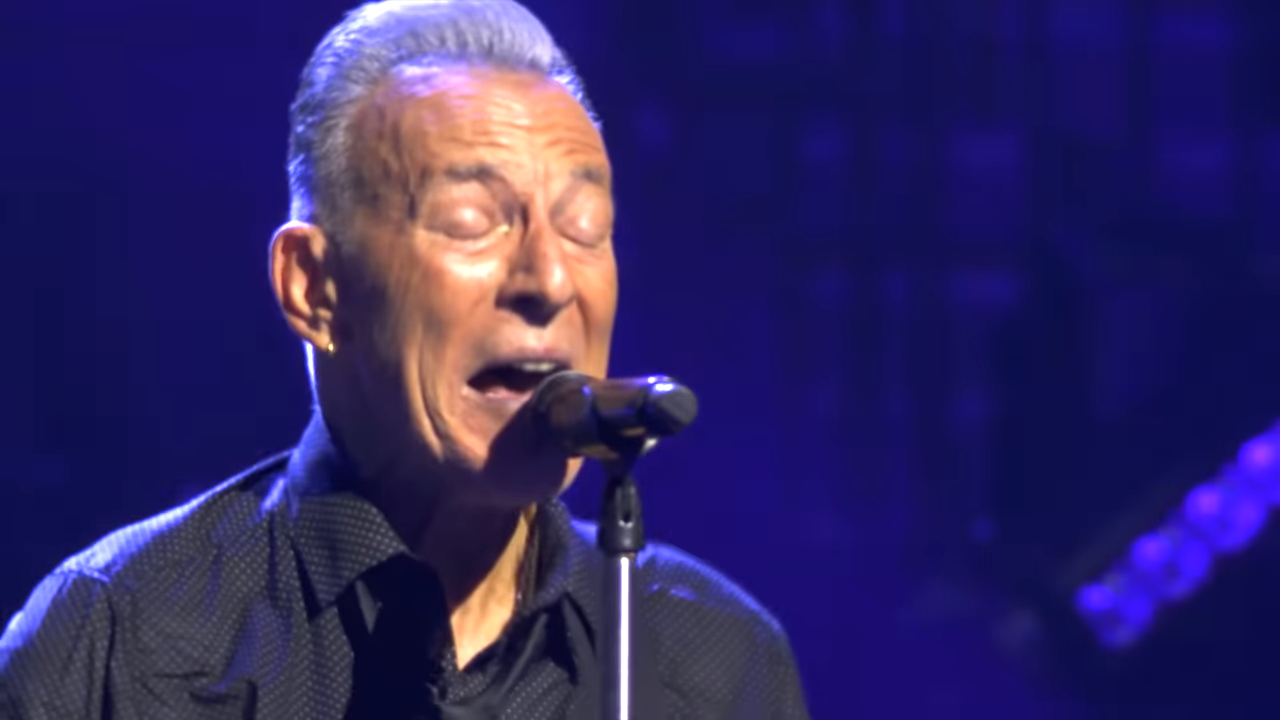
Bruce Springsteen is drawing backlash from all sides.
For decades, the rocker has positioned himself as the voice of the American working class. In recent years, he has also been a vocal part of the “resistance” against President Donald Trump. Yet a recent stop on his current tour has even his ideological allies in his home state questioning how much of that image is genuine—and how much is performance.
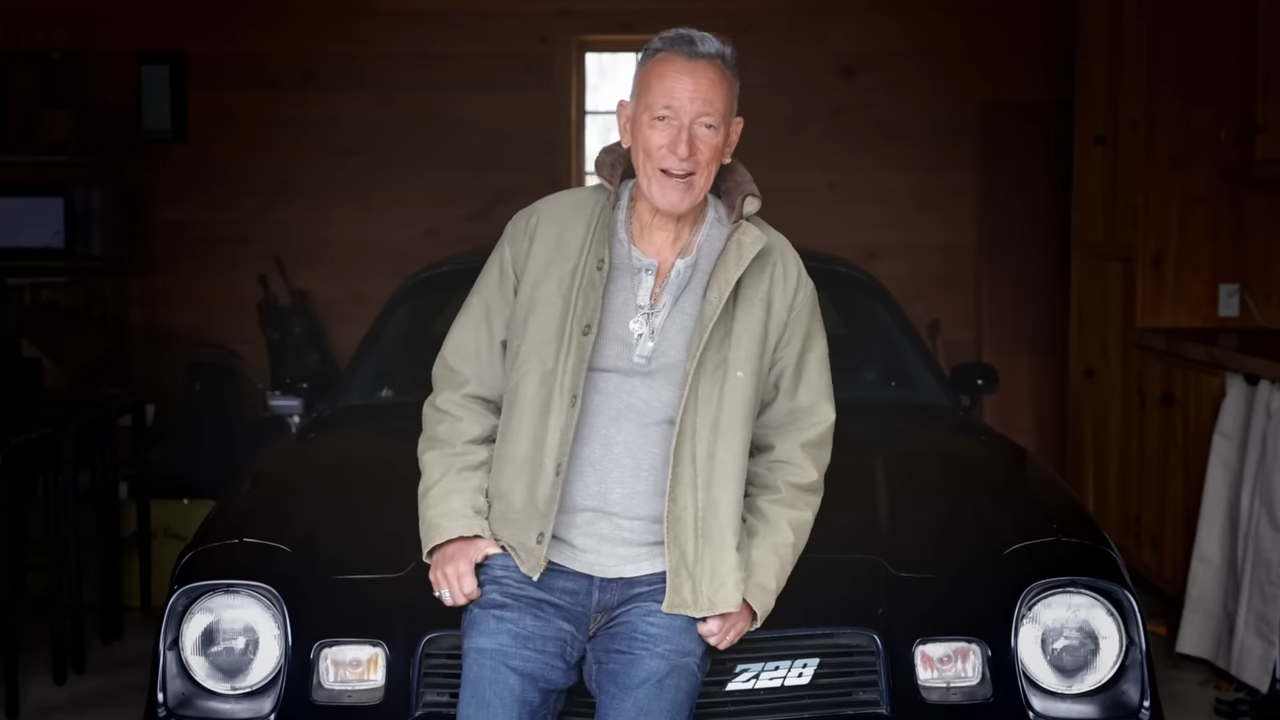
Bruce Springsteen announcing his Land Of Hope And Dreams American Tour – Bruce Springsteen, YouTube
READ: Shoe Tree Tradition Ends at Walt Disney World Amid Lakeshore Lodge Construction
Backlash directed at Bruce Springsteen intensified following a show at the Prudential Center in Newark, New Jersey, which, according to Bobby Olivier—a food and culture editor and music reporter for NJ.com—was “poisoned by hypocrisy.”
Political Opening Sets the Tone
The article says Springsteen opened his Monday night performance with a clear political statement: “The America I love, the America that I’ve written about for 50 years that has been a beacon of hope and liberty around the world is currently in the hands of a corrupt, incompetent, racist, reckless and treasonous administration,” he said.
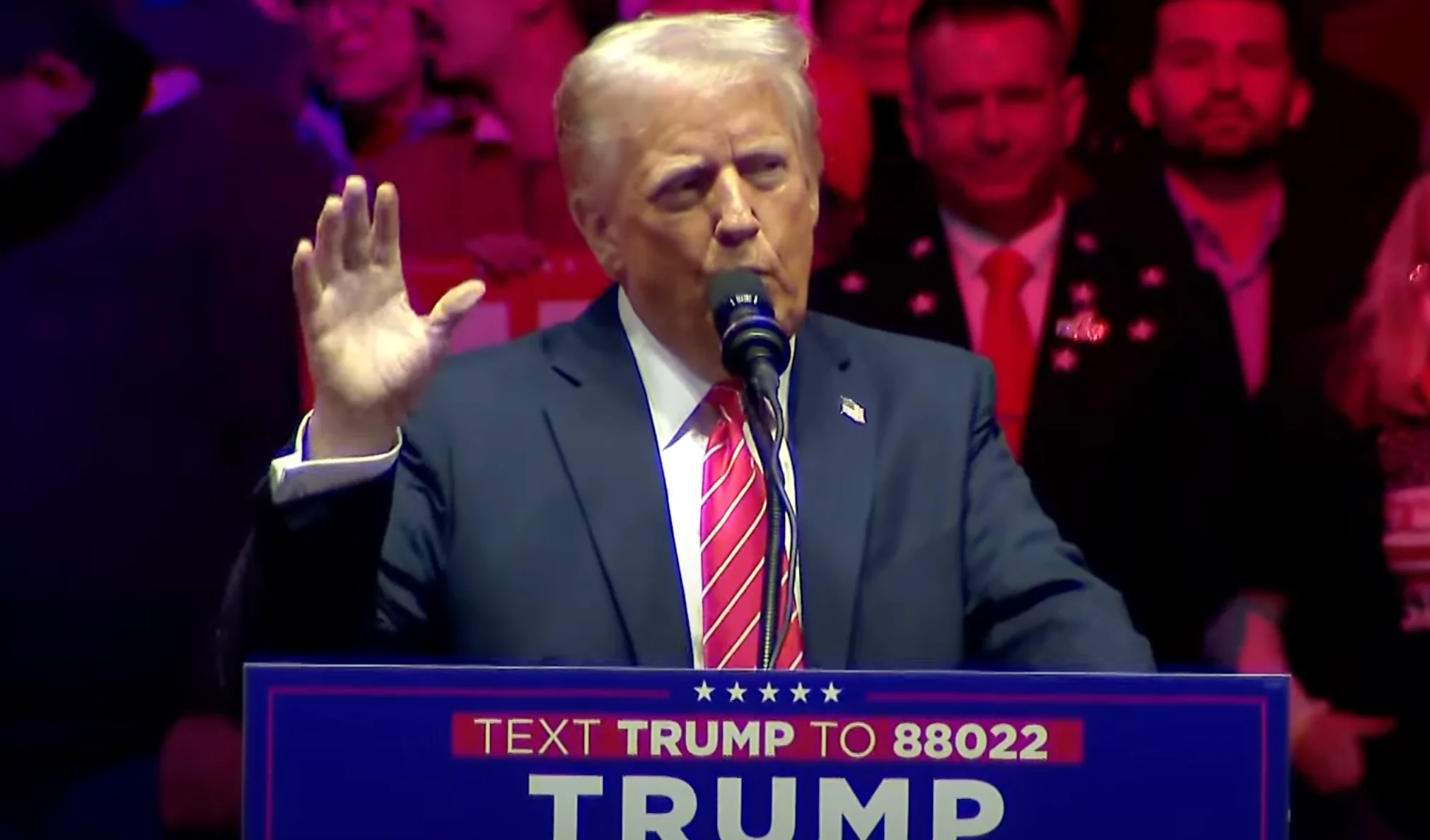
Donald Trump speaks at a rally the night before being inaugurated as the 47th President of the United States of America – YouTube, Washington Post
READ: Facial Recognition Warnings Added To Disneyland Resort
Critics argue that his emotionally charged language about Trump—who has been the target of multiple assassination attempts—is dangerous. There was another alleged attempt on the president’s life just days later. While it is unlikely this latest incident was directly related to Springsteen’s comments, some feel that such rhetoric can still reverberate through the broader culture.
Ticket Prices and Access Controversy
Fans simply hoping to hear “Thunder Road” performed live may not be interested in political commentary. However, the article notes a further point of tension. The blue-collar–identifying Springsteen is now associated with black-tie ticket prices. Premium seats for the Monday show reportedly reached as high as $2,900. Notably, Bruce Springsteen approved these prices despite fan backlash. Critics argue that the experience is inaccessible to the very audience he has long claimed to represent.
Before the Newark show, Springsteen’s merchandise distributor took legal action to ban T-shirt sales from independent sellers outside the venue. Some have noted the irony of the “voice of the working man” discouraging self-employment. Other performers at Prudential Center have reportedly not taken the same measures.
However, the tour also featured “No Kings” branded flags for $90 in the arena concourse.
Commercialization of Protest
In his article, Olivier calls these actions “an exploitation of American division and outrage in a manner no better than any cable news pundit.”
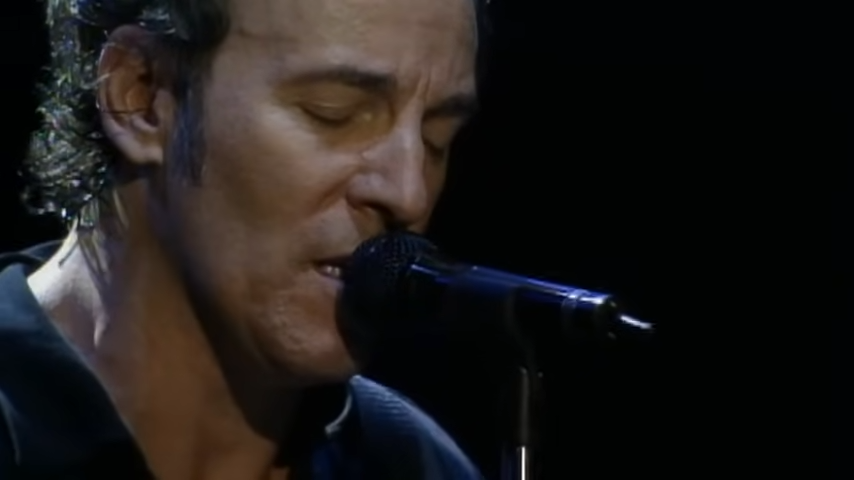
Bruce Springsteen performing American Skin (41 Shots) in New York City – Bruce Springsteen, YouTube
READ: REVIEW: ‘Michael’ — The Truth, The Myth, and The Moonwalk
Others have argued that this continues a pattern for Bruce Springsteen. “American Skin (41 Shots)” was inspired by the police shooting of Amadou Diallo. It sparked strong controversy when Springsteen performed it during his Madison Square Garden shows, with city officials asking him not to include it in his set.
His 2002 album The Rising was a response to the September 11 attacks. Some felt it captured a sense of national grief and healing. But its major commercial success raised questions about the intersection of tragedy and profit.
Earlier this year, Springsteen wrote and performed “The Streets of Minneapolis” in direct response to two fatal shootings of individuals allegedly fighting Immigration and Customs Enforcement (ICE) agents. While the protest song was not a commercial success, Bruce Springsteen attracted backlash from President Trump and fans alike.
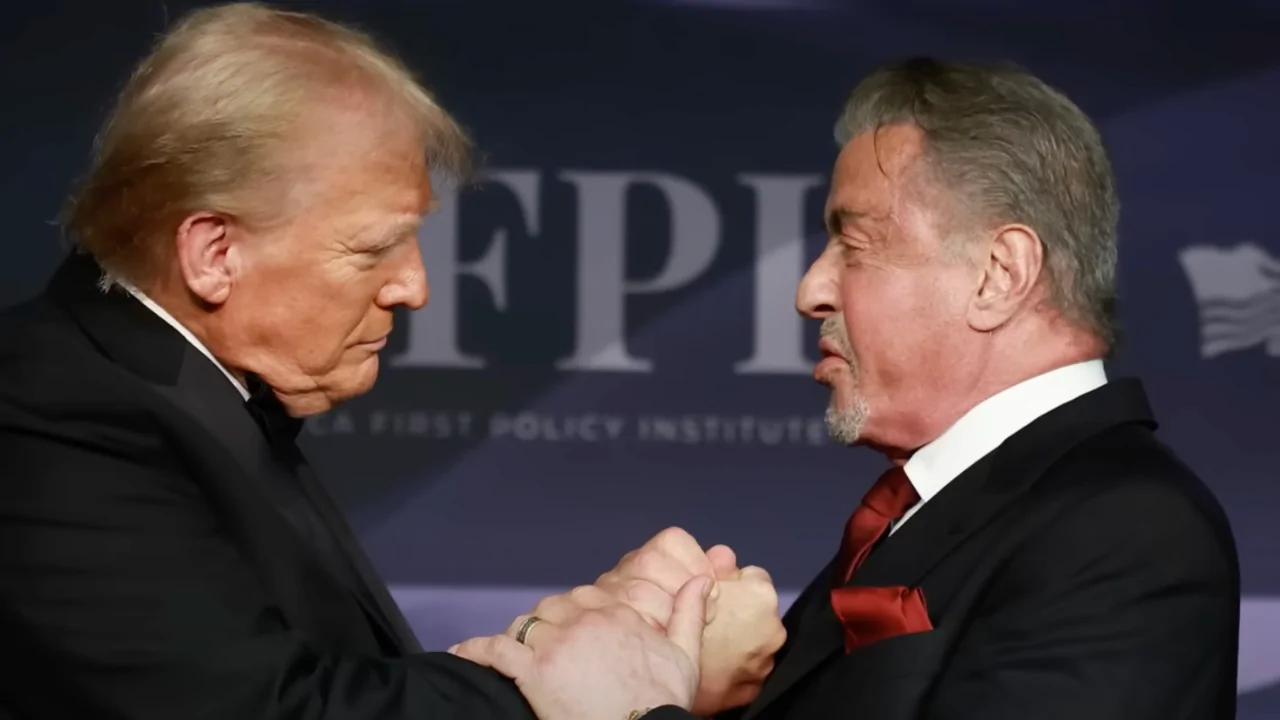
Donald Trump clasps hands with Sylvester Stallone – YouTube, SkyNews Australia
READ: Amazon MGM Studios Plans Live-Action Adaptation of FernGully
These works were often defended as necessary acts of artistic engagement, yet they also demonstrate a familiar theme: real-life crises transformed into widely distributed, revenue-generating cultural products.
A Growing Cultural Disconnect
The backlash Bruce Springsteen is taking from the New Jersey press may demonstrate a broader weariness with cultural figures whose public messaging and commercial realities no longer seem fully aligned.
Ultimately, the question raised by this moment is not simply about Springsteen himself, but about the cultural role of legacy artists in general. When protest becomes a brand, and authenticity becomes part of the billing, audiences are left to decide whether they are witnessing conviction—or carefully managed continuity.
Do you think the backlash directed at Bruce Springsteen is justified? Let us know in the comments!
UP NEXT: ‘Michael’ Box Office Explosion Shocks Hollywood as Biopic Moonwalks Toward $200 Million Opening
