


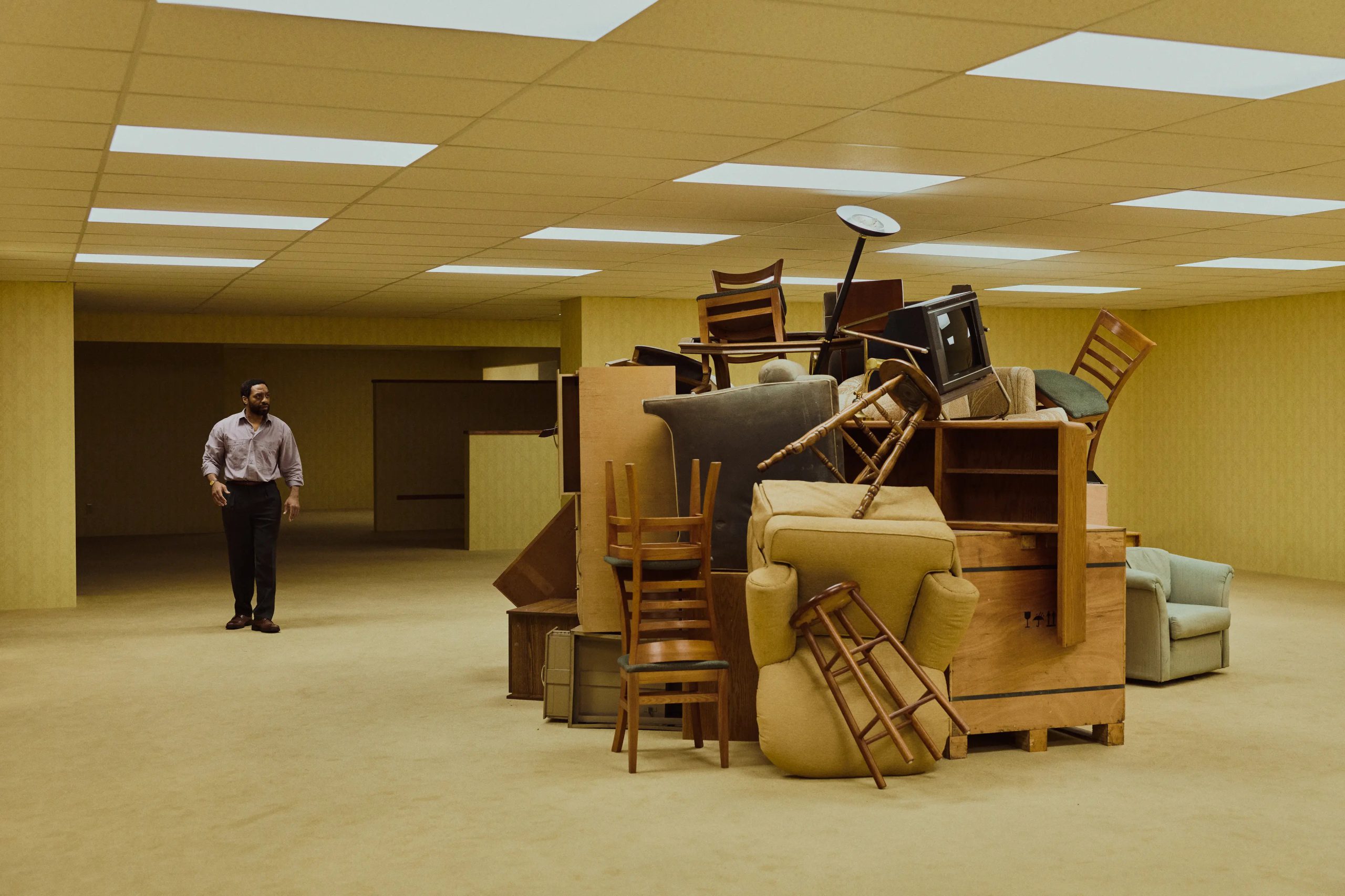
In a lengthy essay, The Hollywood Reporter suggests that box office hits Backrooms and Obsession are more than a pleasant surprise—they may be a warning to the legacy studio system. The films, made by YouTube creators Kane Parsons and Curry Barker, outperformed The Mandalorian and Grogu in its second weekend.

The Mandalorian and Grogu spying on enemies – YouTube, Star Wars
READ: Joy Behar Warns ‘The View’ Audience That Her Upcoming Departure Was Pre-Planned
Variety calls filmmakers like Parsons and Barker “the young rebels taking Hollywood by storm,” while THR sees “a teetering, if not the first hints of a collapse, of a legacy-driven studio system.” When the industry’s most influential trade publications begin framing the moment this way, executives throughout Hollywood are likely taking notice.
The End of Hollywood’s Traditional Gatekeepers?
The Hollywood Reporter article, written by Steven Zeitchik, THR’s senior editor of technology and politics, argues that for the last 25 years Hollywood largely controlled the path to success. However, platforms like YouTube have changed the dynamic. “Top-down mega-budgeted gatekeeping” will, he believes, give way to “a fresh brand of bottom-up entertainment” that is “the most unruly and democratic entertainment in a half-century.”
Audiences may have been drawn to Backrooms and Obsession because of their connection to Parsons and Barker, both of whom built substantial followings on YouTube long before making feature films.
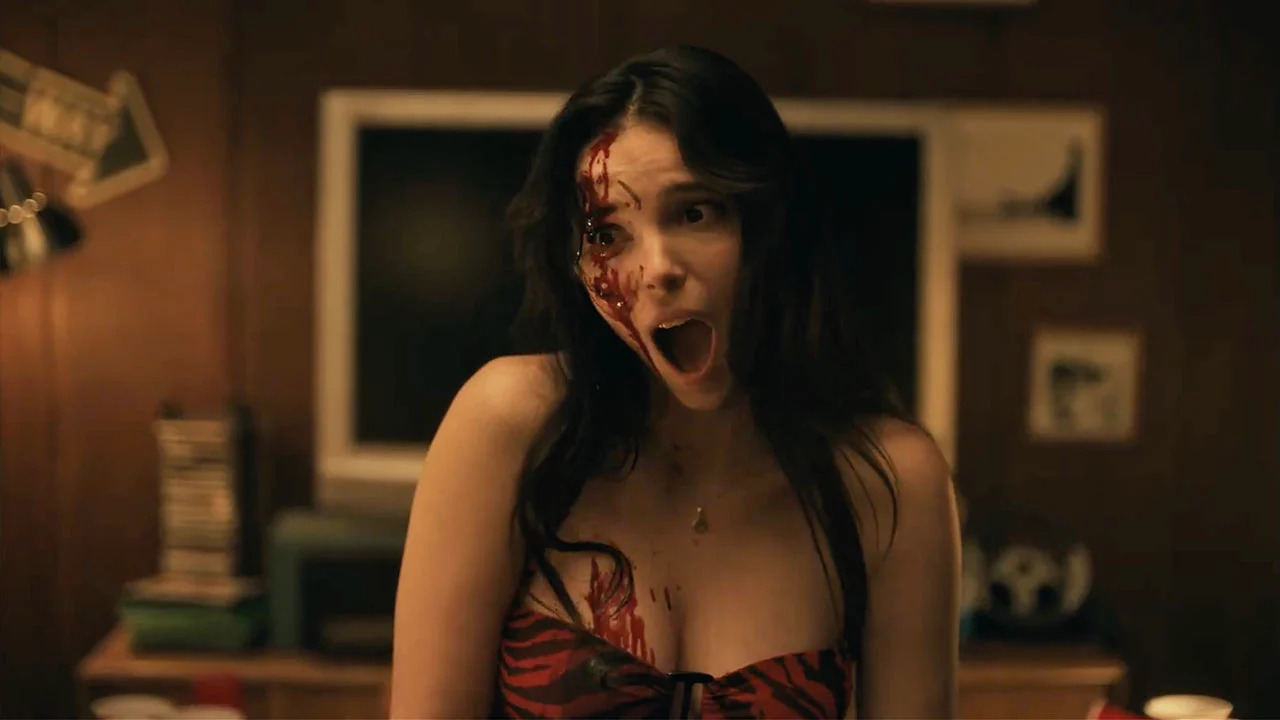
Inde Navarrette as Nikki in the Obsession trailer – YouTube @FocusFeatures
Variety spoke with a studio source who argued that the appeal goes even deeper. According to the source, audiences for Backrooms “haven’t just seen the videos [that formed the basis of the film], they’ve actively expanded it. They’ve written lore, debated theories, created videos, and contributed to the universe themselves. That creates a fundamentally different kind of fandom.”
By comparison, The Mandalorian and Grogu—a legacy franchise from a traditional studio—underperformed. Younger audiences may be moving away from established franchises, but they remain deeply invested in intellectual properties they have watched evolve online and helped shape themselves. Taken together, THR suggests these developments may signal a changing of the guard in Hollywood.
With that change, Zeitchik says, will come a shift in how theatrical films are released. He notes that YouTube already sees itself as “the new Hollywood.” While Google reportedly has no interest in financing and distributing films, that may not be the major factor the industry needs to consider.
Why YouTube Has an Advantage
The THR article notes that YouTube helps its creators build subscriber bases. As Obsession, Backrooms, and this year’s earlier release Iron Lung demonstrate, those subscribers will also buy movie tickets. Zeitchik claims that “no other company in the Hollywood ecosystem” can replicate what YouTube is doing in that regard.
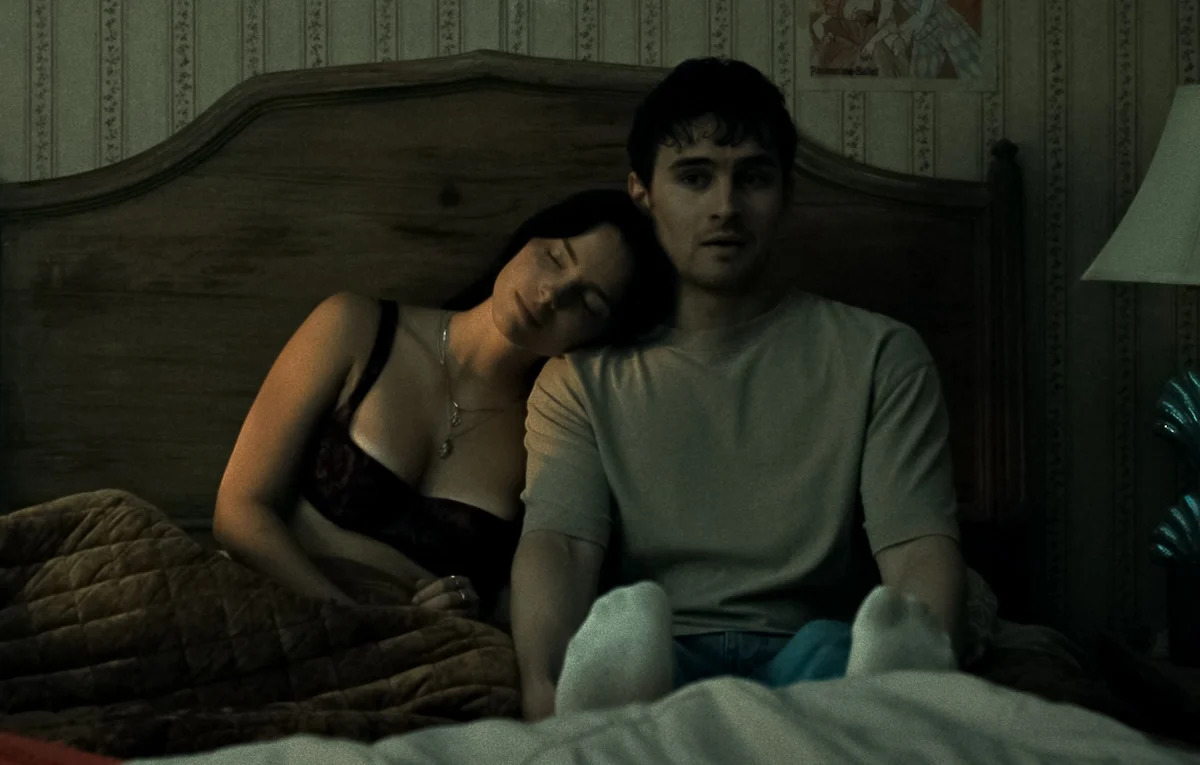
Inde Navarrette as Nikki and Michael Johnston as Baron Bailey in Obsession – Focus Features, Blumhouse Productions
READ: Disney Cruise Line Updates Alcohol, Selfie Stick, and Room Decoration Policies
Another factor to consider is brand deals and sponsorships. While indie films have rarely relied on product placement to help fund projects, THR suggests that may change. YouTubers could be more open to those partnerships than traditional filmmakers and may even view them as a badge of honor.
Finally, this new generation of filmmakers and their audiences already use YouTube as a major streaming platform. If their films begin bypassing Netflix and HBO Max in favor of YouTube—either behind a paywall or supported by ads—even post-theatrical distribution could be transformed.
For an industry locked into established models, studios may all see this as a warning: adapt or move aside.
A Different Future for Entertainment
Thanks to developments in AI, THR expects production timelines to shrink. Films could also be broken into smaller installments or even evolve into serialized formats. Meanwhile, Variety notes that YouTubers operate in an intensely competitive environment that rewards constant experimentation and innovation.
The overall impression is that nearly every aspect of the entertainment industry—from production and distribution to audience engagement—is open to change.
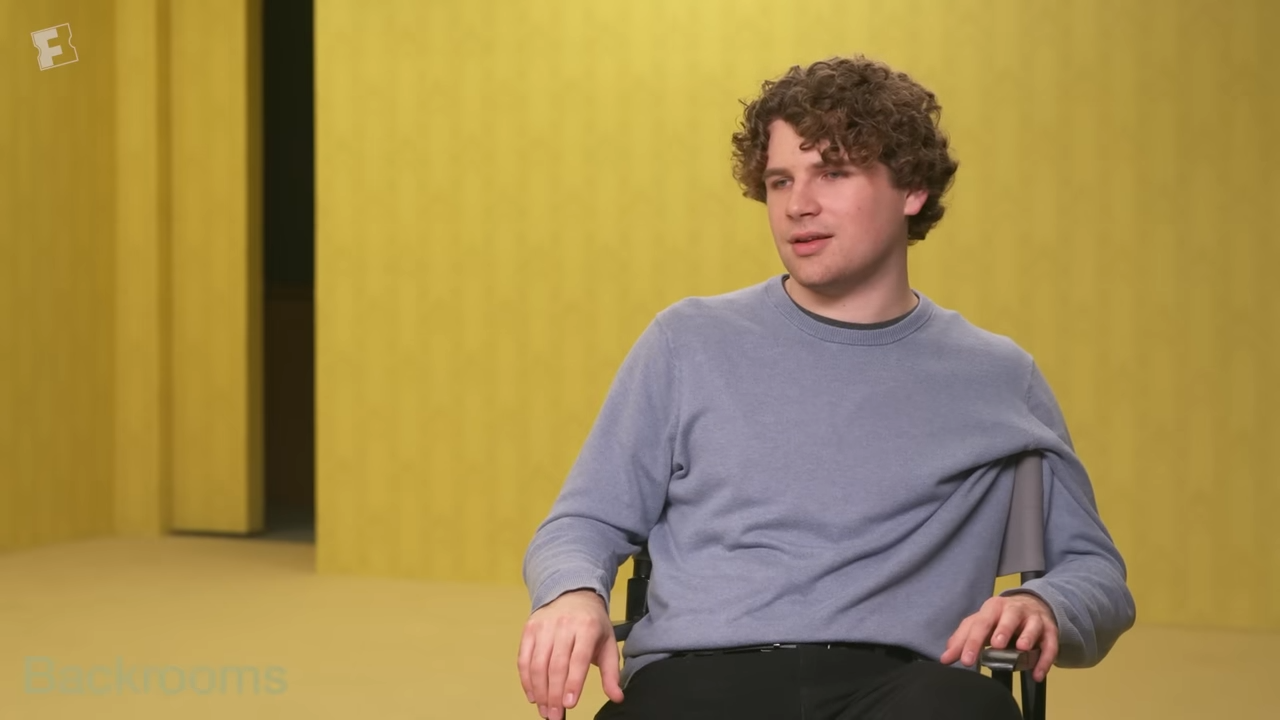
Kane Parsons in an interview for Backrooms – Fandango, YouTube
Yet ultimately, it may all come back to the dialogue between creators and their audiences. As the entertainment landscape continues to evolve, the studios that succeed may be the ones that learn how to build genuine relationships with viewers rather than simply relying on legacy brands and bigger budgets. The culture around entertainment—how it is made, discovered, and consumed—has changed.
It’s a factor executives at Warner Bros. are already openly considering.
Obsession and Backrooms may be horror films, but what could truly be frightening Hollywood is the reality they represent. Speaking with Variety, Jason Blum observed, “YouTube has democratized filmmaking in a way nothing else has. You used to need a studio or an agent, but now a kid with a camera and an internet connection can make something, put it in front of millions of people, and build a real audience without anyone’s blessing.”
If Blum is right, the success of these films signals more than a temporary trend. The industry may not be losing audiences to creator culture—it may already be years behind it.
Do you think legacy studios should be alarmed by coming changes? Sound off in the comments and let us know!
UP NEXT: Kimmel Admits Disney’s Only Guidance After ‘Expectant Widow’ Joke Was To ‘Respond and Move On’
