


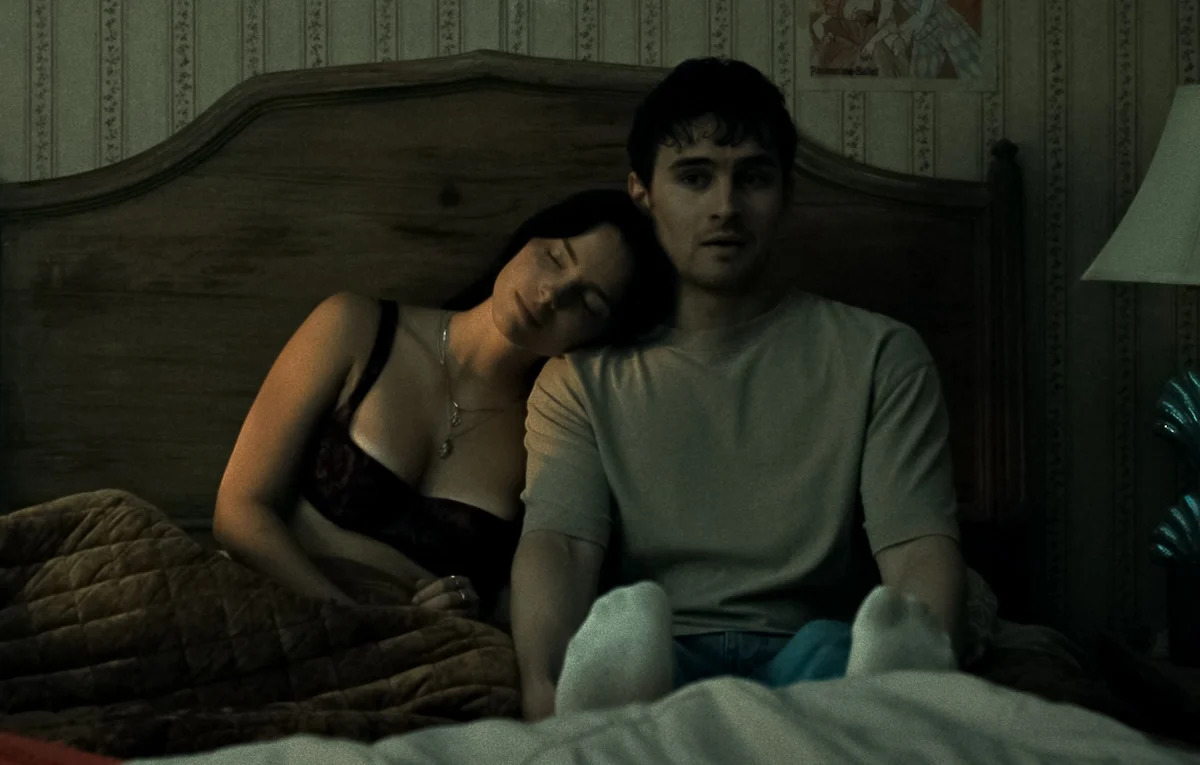
There was a major upset at the box office. In its second week, The Mandalorian and Grogu fell to third place behind two low-budget horror films, Backrooms and Obsession. The Star Wars brand was once considered untouchable, but something has clearly changed.
Now, the head of a major studio appears to be saying the quiet part out loud: respecting the audience matters.
Warner Bros. Executive Credits Audience Engagement
Warner Bros. Motion Picture Group Co-Chair Michael De Luca was speaking at the 16th Annual Produced By Conference, hosted by the Producers Guild of America. During the discussion, he highlighted the success of YouTube creators Kane Parsons and Curry Barker, whose films Backrooms and Obsession appeared poised to surpass the first Star Wars film in hit theaters in nearly seven years.

The Mandalorian and Grogu – Star Wars, YouTube
READ: Disney World’s Most Expensive Restaurant Victoria & Albert’s Just Increased Their Prices by 27%
“They hone their craft online. Kane worked on Backrooms for five years,” De Luca observed. “These filmmakers are in a dialogue with their audience from the word ‘Go’. Their subscribers have direct input in each iteration of these things.”
That dialogue appears to have paid off. Backrooms debuted with roughly $81.5 million domestically, while Obsession is nearing $105 million by its third weekend. At the same time, The Mandalorian and Grogu plunged 69% in its second weekend, bringing in just $25 million at the domestic box office.
De Luca credits the YouTubers’ success to listening to their audience and developing their stories in public.
A Different Philosophy Than Star Wars
“By the time you get to the movie, they’ve had a billion test screenings,” De Luca noted. He joked that the last thing most directors want is to sit through a focus group that starts “tearing the movie to shreds.”
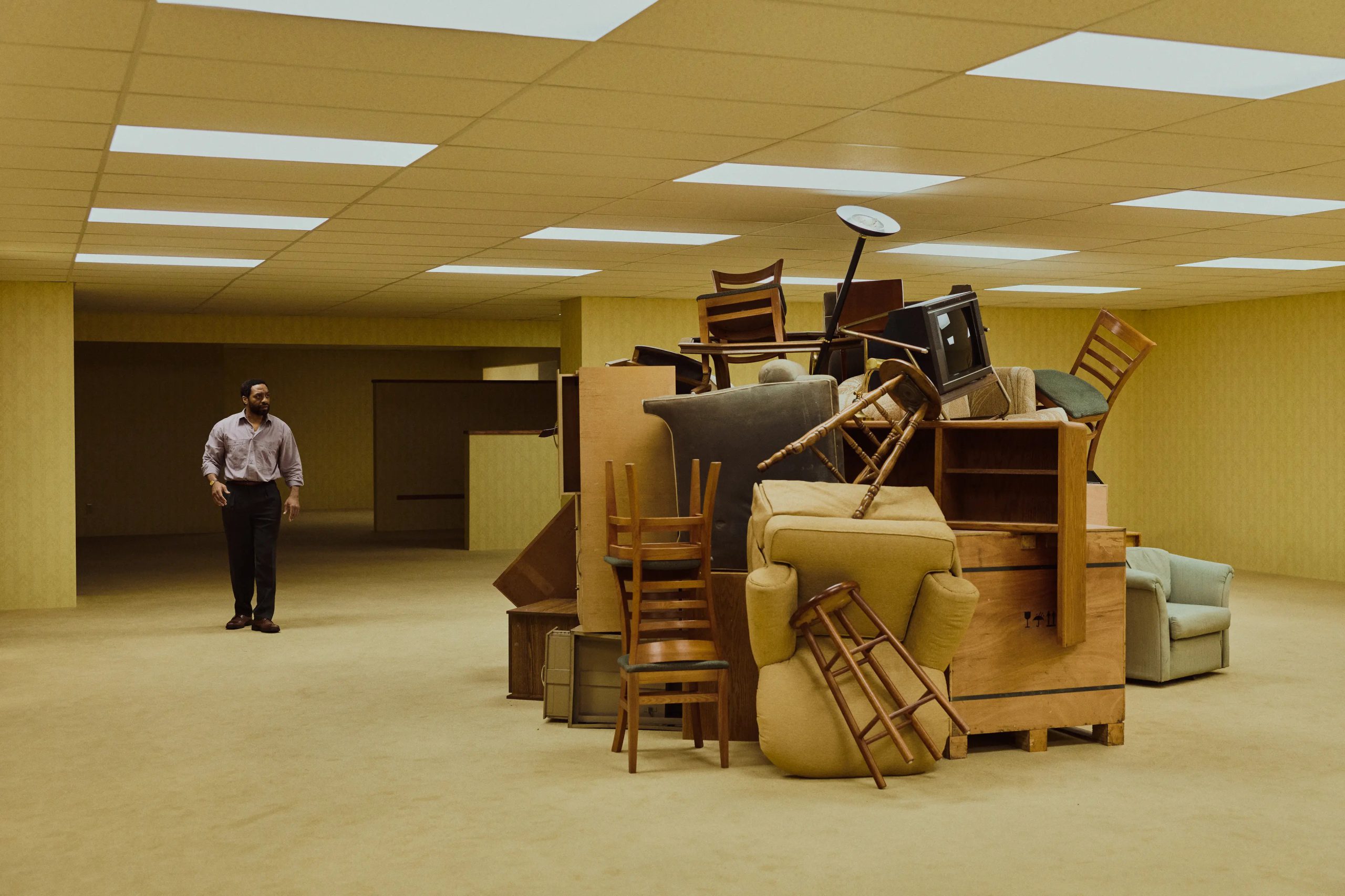
Inde Navarrette as Nikki and Michael Johnston as Baron Bailey in Obsession – Focus Features, Blumhouse Productions
However, De Luca suggested that filmmakers emerging from YouTube approach the process differently. “It’s the polar opposite with these filmmakers, not that they don’t have strong opinions or artistic vision, but they’re making movies for their audience who have been subscribing to their channels for years,” he said. “That’s been the proving ground. So by the time the movies come out, they’re calibrated to please that audience.”
If De Luca is correct, that approach taken for Backrooms and Obsession differs significantly from the philosophy expressed by Star Wars: The Last Jedi director Rian Johnson. In a December 2025 interview, Johnson said he was hoping for some pushback from fans. He also argued that the “worst sin is to be afraid of doing anything that shakes it up.”
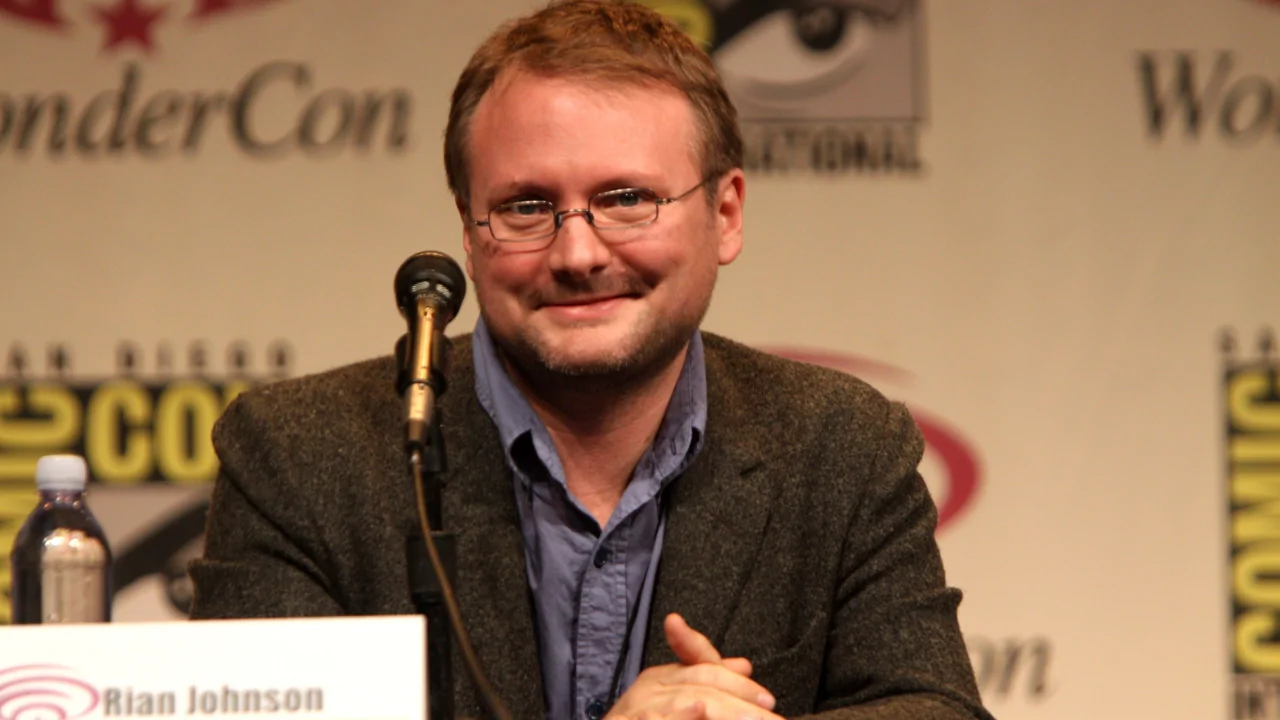
Rian Johnson – Wikimedia Commons
That philosophy may have had lasting consequences. Many fans now view Star Wars as a damaged brand. At the same time, films designed to satisfy their core audiences are drawing moviegoers to theaters and generating impressive box office returns.
The Audience May Be the Best Focus Group
For years, Hollywood has relied on test screenings, market research, and established franchises to predict what audiences want. Yet Backrooms and Obsession suggest there may be a simpler formula: respect the people who are already invested in your work.
Whether De Luca’s assessment is entirely correct remains open to debate. However, as Star Wars struggles to regain its footing, the success of these two low-budget films may serve as a reminder that audiences do not want to be challenged for the sake of being challenged. They want stories that understand why they showed up in the first place.
Do you think Hollywood will change its approach? Sound off in the comments and let us know!
