


After rumors flowed through the weekend, Fox Corp. made it official Monday morning that it’s plans to buy Roku were moving forward. The acquisition of Roku came at a 33.7% premium price of $160 per share compared to it’s Thursday close. The deal breakdown is equivalent to $96 a share cash and the balance in Class A common stock for each Roku share.
Even with the ownership split, Roku shareholders will retain about 27% of ownership under the deal. The deal marks a major investment into the set-top box and Smart TV market for Fox as it seems to pivot to a larger market than just media production.
In fact, it adds many layers of distribution making Fox a major player in streaming for a fraction of what The Walt Disney company has payed to be a minor player.
A Familiar Player With A Larger Influence and More Platforms
The Roku acquisition establishes Fox as an immediately dominant player rivaling the established service offerings of major studios with 100 million households on Roku OS. On just the added platform front, Tubi and the Roku channel capture 5.5% viewing time in the US alone. They also add synergies and savings, moving from just a content provider to infrastructure carrier.
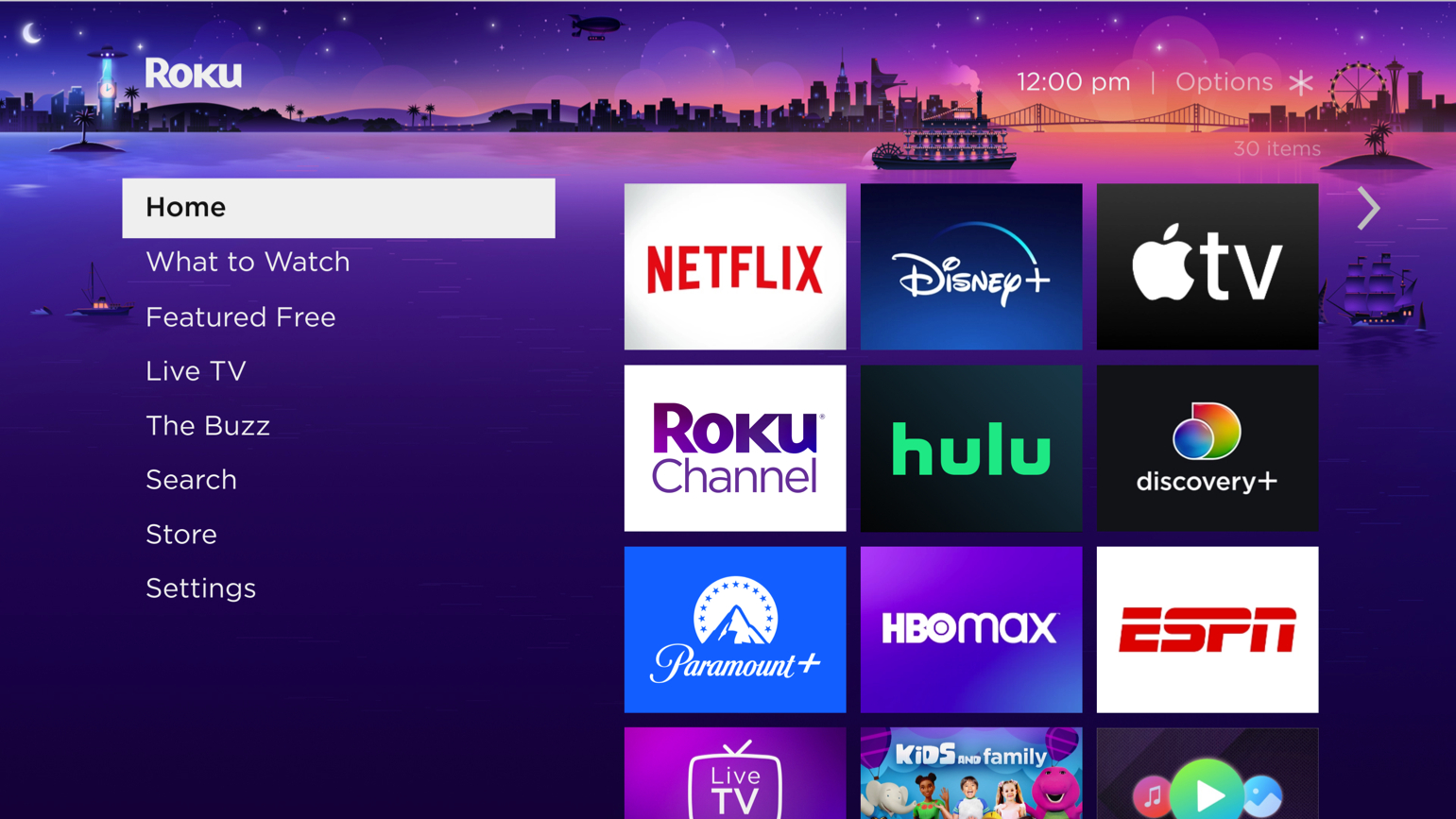
A Roku Home Screen – Roku
READ: Jimmy Kimmel Melts Down Over Trump’s White House UFC Event
Another important note is the revenue model this adds for Fox. As an OS, a recurring “Roku Tax” can be added as a recurring fee from every media company distributing the app on the platform. Like Apple and other “Gatekeepers” Roku can leverage their 55% adoption rate, and 100 million strong owners to pull money from competitors coffers with this fee structure.
The Profit is in Controlling Distribution
Fox was already expanding it’s “Direct-To-Consumer” model. This affords a higher margin on any paid content. Add that to the marketplace model previously discussed and Fox benefits from frictionless transactions and immediate revenue share.
Recurring system level viewer data can also help predict and prevent customer churn. By being able to predict a customer cancellation, the system can offer discounts or bonuses to stay. Fox has created a boon for themselves along with any content platform participating in their marketplace.
Beating Disney Again With Their Own Money
Fox gets more for less, while Disney has paid well over $100 billion to get where they are. They can even capitalize beyond Disney’s capacity by deploying “shoppable” interactive ads during programs. Viewers can order food and buy physical products directly from their remote via “Roku Pay” with Fox taking a piece of that as well.
The logo for Disney+ – YouTube, Disney+
Now Fox is part of physical licensing fee structures with manufacturers like TCL and Hisense for their Roku OS. These ongoing license fees on OEM hardware feed customers into Roku’s ecosystem. It’s just another element of recurring revenue no one else is pursing right now.
Will Anyone Respond and How Can They?
At this point, there is only one other player in this space – Samba. They represent about 48 million devices right now. Like Roku, they deliver real-time viewership insights and delivery systems on par with Roku. With only one-third of the market in the space, is there a player that’s likely to pursue Samba? Is it Disney or will it be a spoiler to keep Disney at bay?
Let us know your thoughts!
