When I proposed this article as a feature on That Park Place, I thought it would be an hour long effort in research and writing. I was almost immediately disabused of that notion. Getting leadership to let me run with this was too easy. In retrospect, that should have been a red flag.
You see, when focused objectively on what makes or breaks a film in the box office, it’s not neatly cut and dry. Generations in North America play a major role when it comes to genre, nostalgia, and social media, believe it or not. Of course in identity driven mainstream media, these facts don’t play well, which therein could lie the problem of discerning success and failure. A prism approach divides the light too much, fracturing a real glimpse at what motivates film goers.
Stated simply, it’s the generational differences that can help map a four quadrant approach. Look first to your regular filmgoers made up of Gen Z and Millennials. They cover 70% of the field these days and are needed for tentpoles to succeed. Gen Z in particular is the frequent flier at a 39% rate. Millennials hit more than one movie a year at a 32% rate. Just focusing there gets you the numbers on paper and an average of 7 films attended per year.
Focusing On Small Segments Drops Revenues
Being overly focused on representation is not a benefit to studios. The numbers show the top two ethnicities at the movies are Hispanic and White at 59% and 53% respectively when it comes to seeing at least one film a year. Black attendance is a solid 49%. In fact, a point that’s not focused on enough, is the hispanic population account for 27% of theatrical film attendance.
In regards to income and education, the more affluent and tech savvy the audience, the more likely they find their way to the movies. Upper-income Americans are the most likely to attend at least once a year at a rate of 64%. Middle-income groups factor in at a 57% rate.
The most telling insight yet is Men and Women attend films at nearly the same rate. Women reflect 54% of the viewing public in theaters while men represent 53%. This fact was highlighted in a Variety post in March.
Knowing Your Audience Makes You Money
One of the most frequent statements you will hear in this niche of the internet is, “Know Your Audience!” When paired with the question, “Who is this movie for?” you have a decision engine that every studio should wield. If they would look directly at the previous factors, they would have a better shot at success every time.

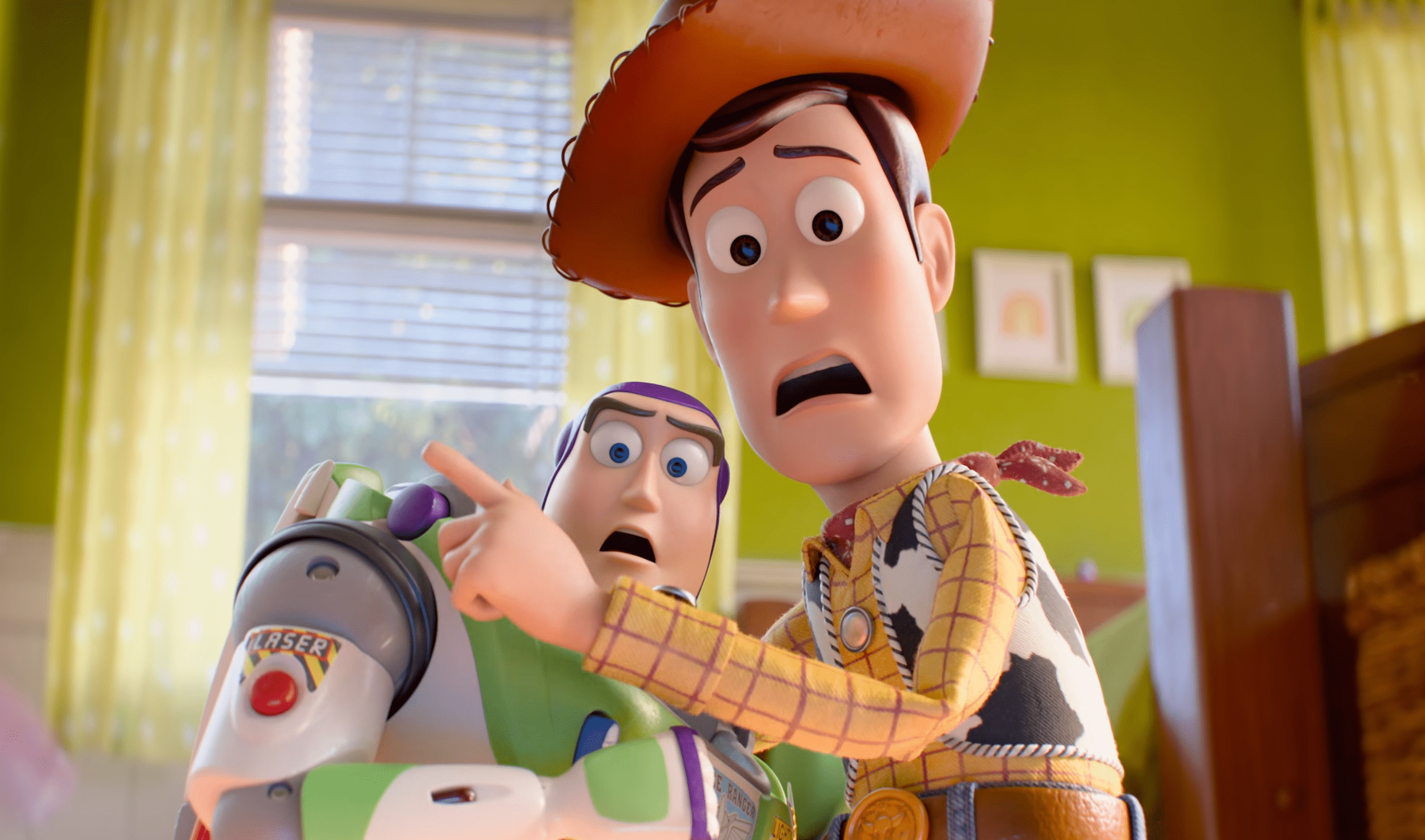
Rex and Slinky Dog in the Toy Story 5 Teaser Trailer – YouTube, Pixar
Examples of success would include Toy Story 5 aiming for and getting Gen Z and young families driven by nostalgia and matinee pricing. Another obvious argument for knowing your customer is The Devil Wears Prada 2, which hit with an overwhelming female audience full of Millennials and Gen X.
Andy Weir’s film adaptation Project Hail Mary skewed to under 35 and male with 57% tech savvy men. It drew nearly 60% white and 20% Hispanic audience while drawing an “A” CinemaScore from both men and women equally. Knowing the emotional notes, having a hunky but masculine star, and leaning on the original work landed Lord and Miller’s film a solid place in 2026.
Prediction Made Simple
Normally here I would prefer using a positive outcome and yet, it will be far easier to highlight a pending negative one. Coming to theaters on June 26th, Supergirl will enter with extreme disadvantage. Toy Story 5 will still remain in first place for the “Woman of Tomorrow’s” opening weekend. It’s slated to open in line with last 2023’s Marvel failure, The Marvels. This outcome was predictable for two reasons.
With Supergirl, they could be printing money at DC for the first time in a long time. We know who the audience is for Superhero movies and it’s 65% Male.

The poster for Supergirl – DC
READ: Original Animated Lilo & Stitch Director to Take Over Lilo & Stitch Live Action Sequel
Yet no one at DC asked the question, “Who is this movie for?” They refused to focus appeal on the young male audience, leading to a steep decline in interest and pre-sales drying up after public controversies. They did not secure a sufficient female interest at a time where women are focused on Toy Story, Moana, and Minions at the most congested point in the summer box office.
By focusing on another lecture for the boys, this “Girl Boss” derivative quasi-adventure film will flop historically alongside DC’s disappointing The Flash. The numbers are clear on it. Awareness is stagnant and “intent to see” has cratered. Not to mention the lack of momentum that Superman failed to maintain going into this film. It is more likely that Supergirl opens between $46M and $51M than any other outcome, and the powers that be knew that months ago.
Don’t Expect Anything to Change
So if we know the likely outcomes for films, you can bet the studios know as well. If they know what to pick and present, why are we still seeing box office losses? If they know what appeals to who, why don’t we have rivers of low risk, profitable films in theaters now?
These are the right questions. I doubt we’ll ever have answers. Excuses, we have plenty of.

Supergirl using Heat Vision in the Supergirl trailer – YouTube, DC
For Example:
- All of this data isn’t real-time, it’s a snapshot of the past — While true, many of these trends have been true for years. In the case from Supergirl, Principle photography began on January 13th 2025. At that time, The Marvels had already flopped 13 months earlier. Why pursue the same girl power message? Why not recognize the lack of appeal to the male audience?
- Production by Committee, group think, lack of originality — All of these excuses are used but the process isn’t changed and nothing evolved. The same types of projects are greenlit to the same result.
- Poor Execution leads to Poor Outcome — While again surprisingly true, poor results are not visited upon the decision makers. Instead they become more risk averse on their next decision, playing it more safe.
Since no accountability on any of the recognized excuses is ever levied, we get more of the sea of same. Change comes from the top reaching all the way to the bottom. Let’s hope we see some with Paramount and Warner in the future.
Will we? Let us know in the comments.
UP NEXT: Disney Urges ‘The View’ Audience to Defend Show Against FCC in Ongoing Battle