


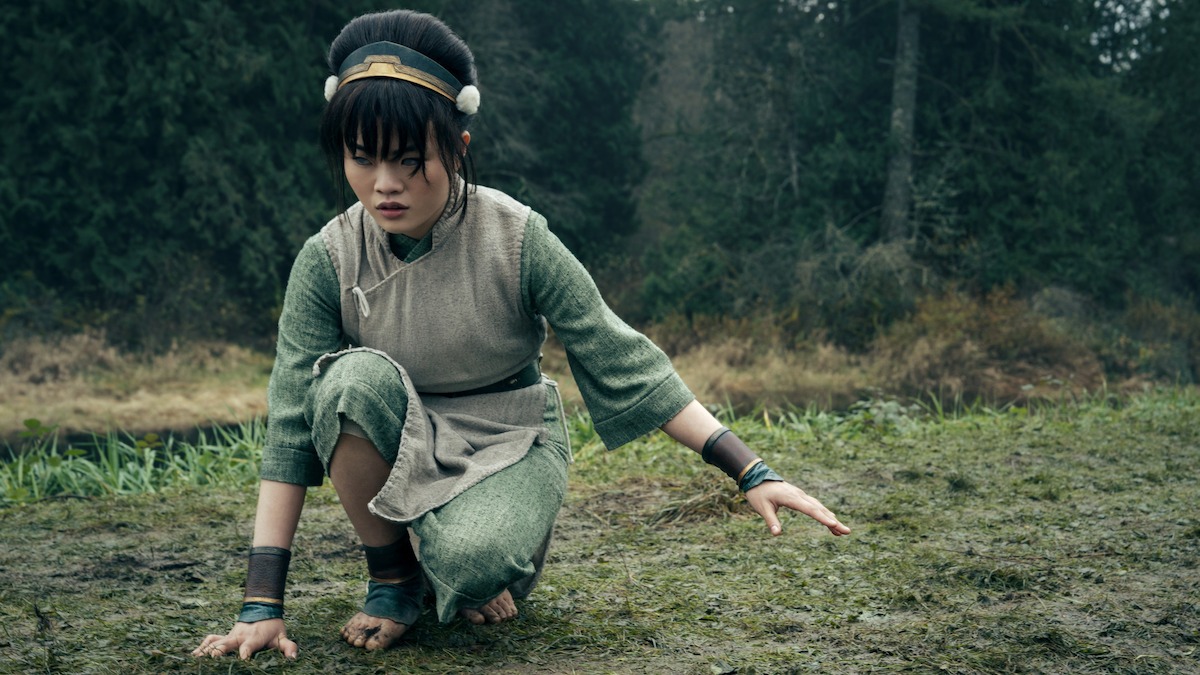
Netflix’s live-action adaptation of Avatar: The Last Airbender continues to face intense scrutiny from longtime fans, with one of the streamer’s promotional posts briefly receiving a Community Note after viewers accused the series of getting one of Toph Beifong’s defining abilities wrong.
Although the note has since been removed from X, screenshots quickly spread online, becoming yet another example of just how skeptical many Avatar fans remain of Netflix’s interpretation of the beloved animated series.
TOPH HAS ARRIVED
AVATAR: THE LAST AIRBENDER SEASON 2 IS NOW ON NETFLIX pic.twitter.com/HShP8hSVKI
— Netflix (@netflix) June 25, 2026
The incident also highlights a larger trend surrounding the adaptation. Nearly every trailer, promotional image, and clip released by Netflix is now being dissected by fans looking for changes to established lore.
Netflix’s Toph Announcement Drew Immediate Backlash
Earlier this week, Netflix shared a promotional clip celebrating the arrival of Toph Beifong in Season 2.
READ: Struggling MS NOW Cuts Live Weekend Shows as Layoffs Loom
The post simply read: “TOPH HAS ARRIVED AVATAR: THE LAST AIRBENDER SEASON 2 IS NOW ON NETFLIX.”
The accompanying 44-second clip shows Toph’s first battle with The Boulder, a fan favorite from the original animated series.

A community note on a Netflix X post about the live action Avatar: The Last Airbender – X, @Netflix
Not long afterward, readers attached a Community Note to the post stating: “Toph can’t see in the sand.”
The note linked to an explanation of Toph’s seismic sense before eventually disappearing from the post.
While the Community Note itself no longer appears beneath the tweet, screenshots of it have circulated widely among fans discussing the adaptation.
Can Toph See in Sand?
Ironically, the Community Note itself slightly oversimplified Avatar lore—but it was pointing to a legitimate criticism.
Toph does not become completely blind when standing on sand. In the original animated series, her seismic sense becomes severely impaired because loose sand doesn’t transmit vibrations the way solid earth does.
That limitation is explored extensively during the Si Wong Desert storyline, where Toph repeatedly struggles to perceive her surroundings with the same precision she enjoys on rock or packed earth. Her seismic sense still functions, but it is dramatically weakened.
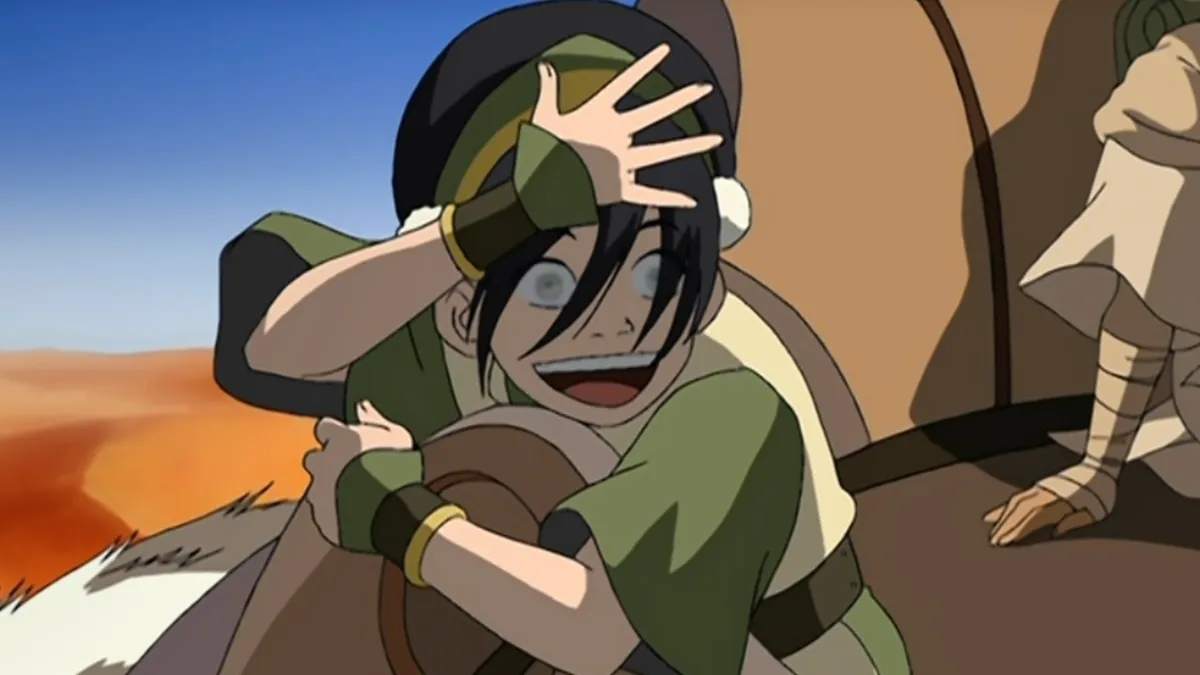
Toph in Avatar: The Last Airbender – Paramount+
The problem for Netflix is that the promotional clip shows Toph standing on loose sand while reacting naturally to The Boulder and fighting with no apparent difficulty. She looks directly toward her opponent, fights with pinpoint accuracy, and gives no indication that her seismic sense is being hindered in any way by the terrain.
Having watched the full episode, that explanation never comes. The series simply portrays Toph functioning on loose sand without meaningfully acknowledging the severe limitation that defined her seismic sense in the original animated series.
While the Community Note’s wording that “Toph can’t see in the sand” was technically an oversimplification, the underlying criticism—that Netflix appears to have ignored one of Toph’s most well-established weaknesses—is supported by what actually appears on screen.
The Bigger Story Isn’t the Community Note
The more interesting takeaway isn’t whether the Community Note was worded perfectly. It’s the fact that enough viewers immediately believed Netflix had made another change to established Avatar lore.
That speaks volumes about where the fanbase currently stands.
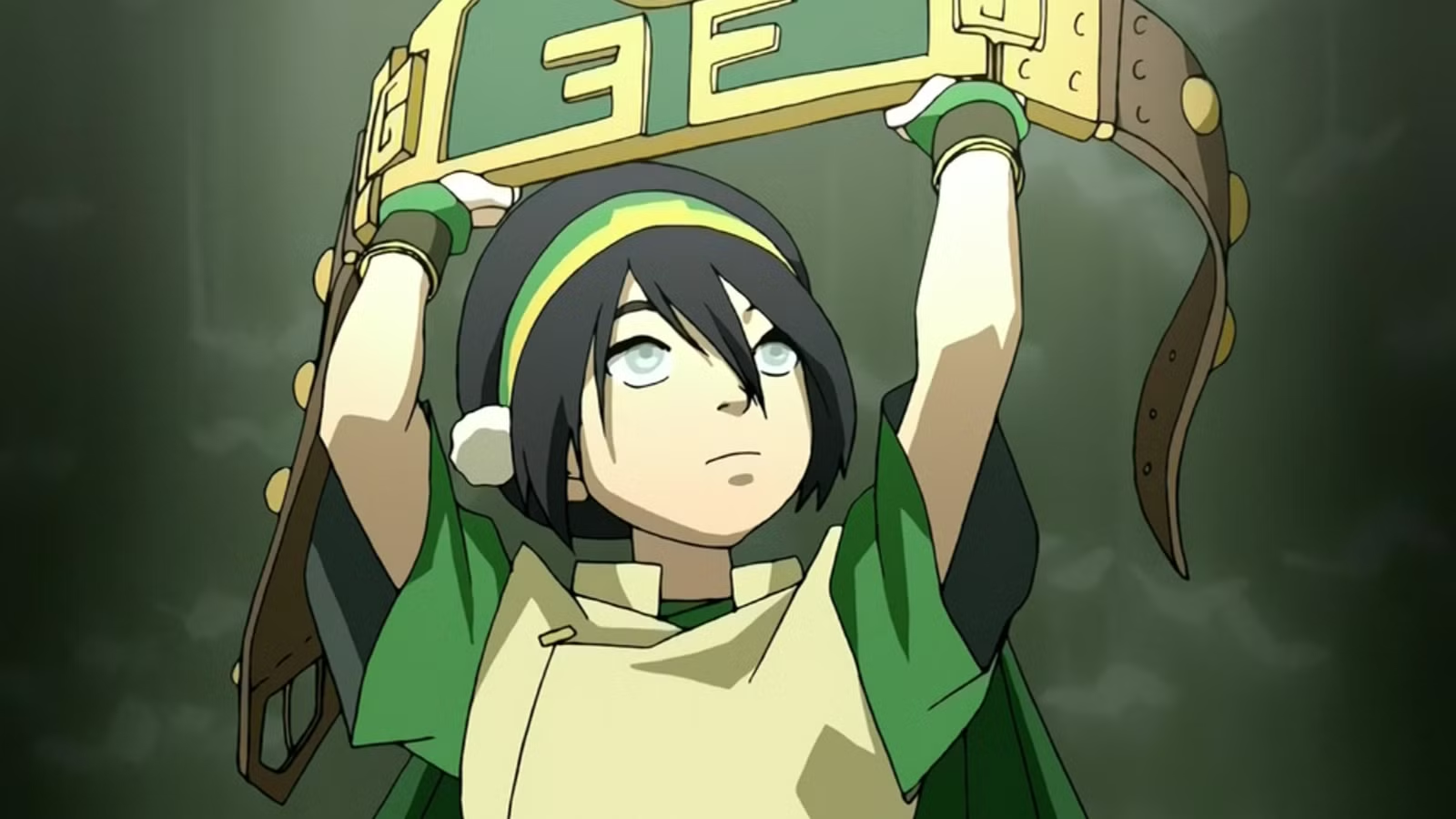
Toph holds up a championship belt in Avatar: The Last Airbender – Paramount+
READ: ‘Supergirl’ Flops Hard on Opening Day — Will Open Well Below ‘The Marvels’
Unlike many franchises, Avatar: The Last Airbender has one of the most detail-oriented fan communities in entertainment. The original animated series established an intricate system of bending mechanics, character limitations, and worldbuilding that has been discussed and analyzed for nearly two decades.
Because of that, even a brief promotional clip is enough to spark heated debates over whether Netflix is remaining faithful to the source material.
The Community Note may have disappeared, but the skepticism clearly hasn’t.
Fans Continue Raising Concerns About Season 2
The Toph discussion is only the latest criticism aimed at Netflix’s adaptation.
Since Season 2 premiered, many viewers have voiced concerns about the show’s willingness to alter or condense major storylines from Book Two.
Netflix’s own creative team has acknowledged that they intentionally left behind material they felt worked better in animation rather than attempting a shot-for-shot recreation.
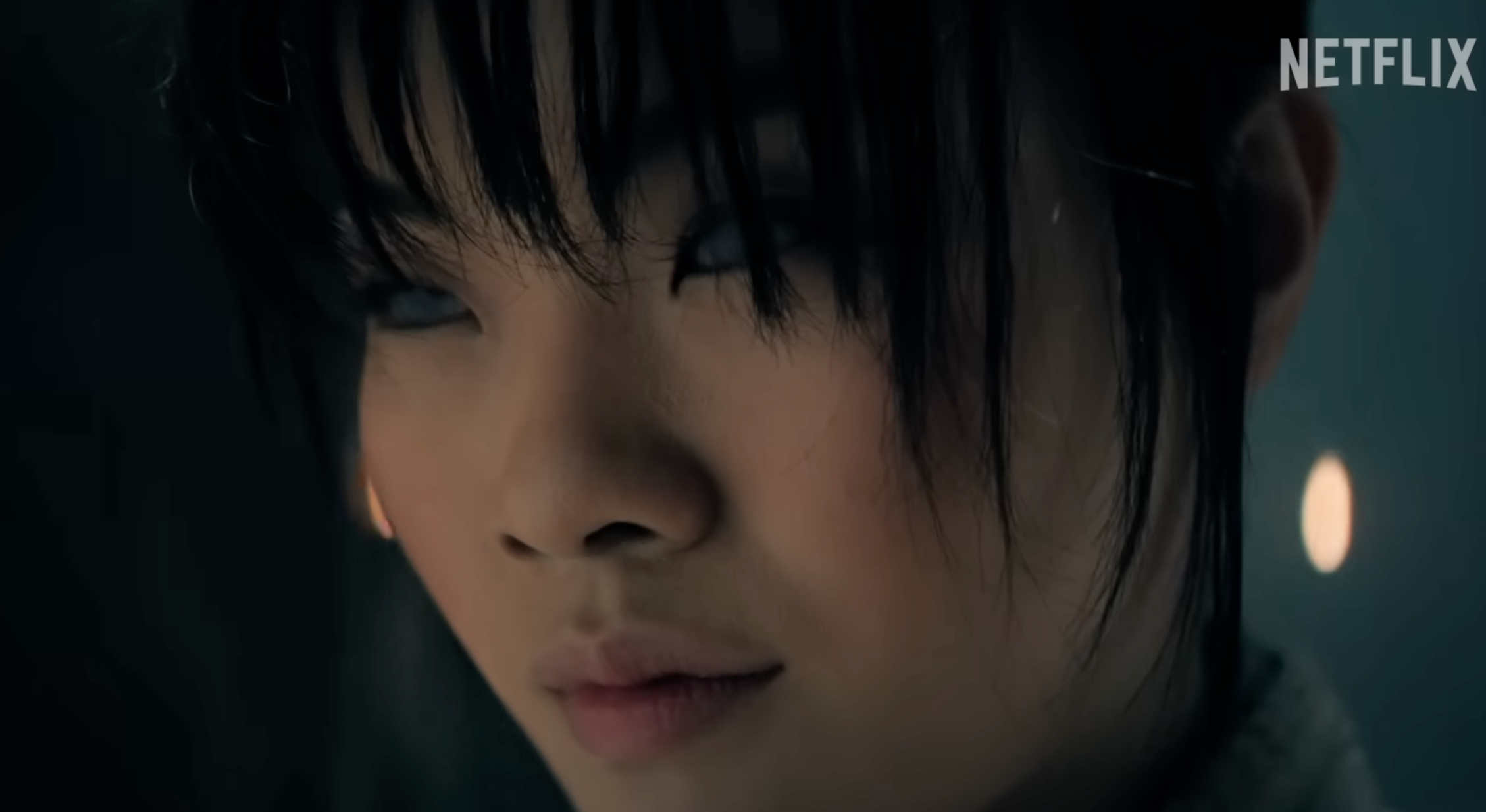
Toph in the live-action Netflix Avatar: The Last Airbender Season 2 – YouTube, Netflix
Those decisions have generated mixed reactions.
Some viewers appreciate the willingness to adapt the material differently for live action.
Others argue that condensing Book Two into just seven episodes leaves many of the story’s biggest emotional moments feeling rushed.
Several fans have also criticized the restructuring of major story arcs, believing the changes diminish important character development.
Pacing Remains One of the Biggest Complaints
Even many reviews that praise Season 2 acknowledge its pacing problems.
Relationships develop quickly and major emotional beats arrive one after another with little downtime. Several critics have argued the season simply needed more episodes to properly adapt one of the strongest books from the original series.

Avatar Aang in the Avatar State – YouTube, Avatar Legends
READ: Walt Disney World Confirms 2026 Extended Holiday Season Schedule
That criticism has become one of the most common themes in online discussion surrounding the new season.
Some Fans Still Believe the Adaptation Misses the Spirit of the Original
Beyond specific plot changes, many longtime viewers continue to argue that Netflix’s adaptation doesn’t fully capture what made the animated series special.

Avatar: The Last Airbender. Gordon Cormier as Aang in episode 101 of Avatar: The Last Airbender. Cr. Robert Falconer/Netflix © 2023
Among the recurring complaints are:
- Aang feels more serious than his animated counterpart.
- Katara’s emotional arc carries less weight.
- The Earth Kingdom lacks some of the vibrant personality of the animated series.
- Heavy CGI environments sometimes feel less lived-in than the hand-drawn world fans remember.
While Toph herself has generally received positive reactions, many viewers remain unconvinced by the adaptation as a whole.
Every Detail Will Continue to Be Examined
If the brief Community Note accomplished anything, it served as another reminder of the uphill battle Netflix faces.
Avatar: The Last Airbender isn’t simply another television adaptation.
It’s an adaptation of one of the most beloved animated series ever created, and the fanbase knows every rule governing its world.
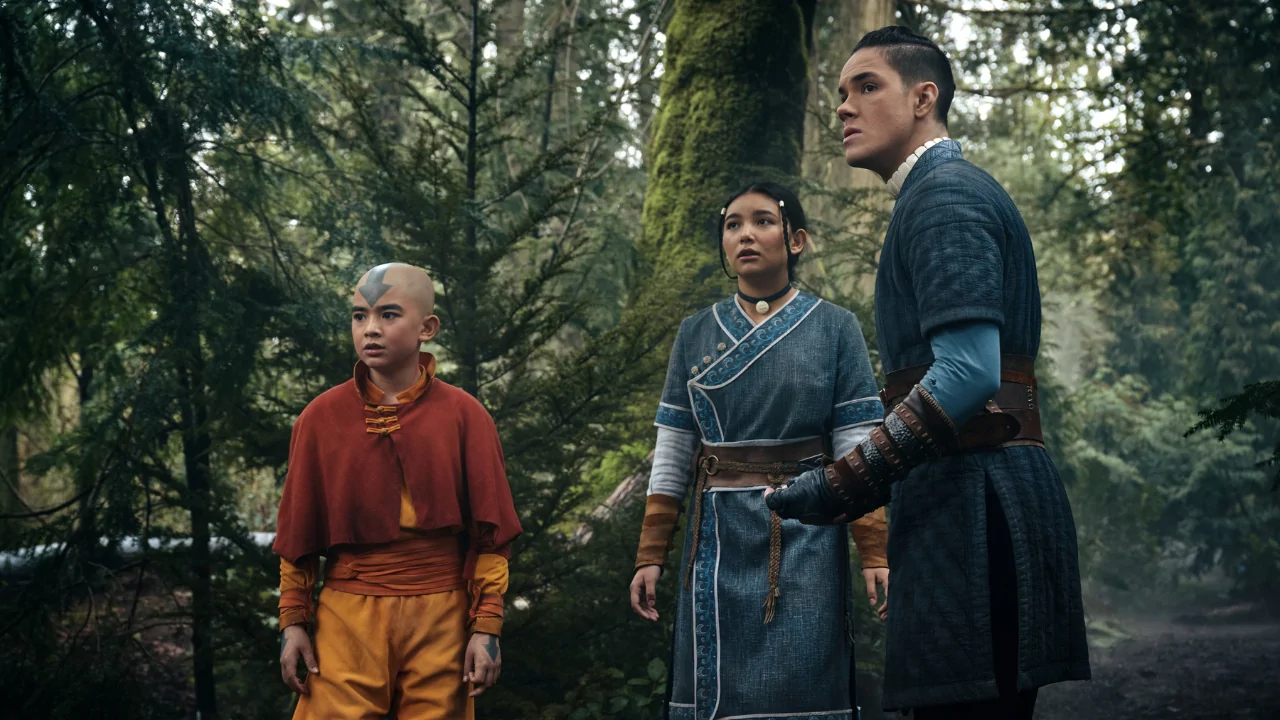
Avatar: The Last Airbender. (L to R) Gordon Cormier as Aang, Kiawentiio as Katara, Ian Ousley as Sokka in season 1 of Avatar: The Last Airbender. Cr. Robert Falconer/Netflix © 2023
That means every bending technique, character decision, and apparent deviation from established lore is likely to receive intense scrutiny.
Whether fans ultimately embrace Season 2 will depend on more than impressive visual effects or introducing beloved characters like Toph. For many viewers, the real test is whether Netflix demonstrates the same attention to detail that made the original Avatar series a classic in the first place.
How do you feel about the second season of Avatar: The Last Airbender on Netflix? Sound off and let us know!
UP NEXT: As ‘Supergirl’ Flops, Variety Reposts Milly Alcock’s Controversial “Christian Dads” Interview
