


David Ellison is no longer staying quiet. After months of legal challenges aimed at blocking Paramount’s proposed $111 billion acquisition of Warner Bros. Discovery, the Paramount CEO has published a forceful New York Times op-ed arguing that the lawsuit brought by a coalition of Democrat-led states has little to do with antitrust law—and everything to do with preventing him from taking control of CNN.
It’s an argument that many merger observers have been making for weeks.
Rather than focusing on whether the combined company would actually dominate the entertainment marketplace, critics of the lawsuit have repeatedly pointed to the political nature of the case. Now, Ellison himself is making that argument publicly, accusing the plaintiffs of disguising political concerns as antitrust enforcement.
Ellison Says CNN Is the Real Target
In his New York Times opinion piece, Ellison wrote that the litigation is not truly about market concentration.
“I believe this fight is not really about market share,” he said. “It’s about whether I can be trusted as a steward of Warner’s CNN.”
READ: Atreus Will Be Recast in Amazon’s ‘God of War’ Season 2
Ellison acknowledged that there has been significant speculation surrounding his politics, particularly after Paramount’s acquisition of Skydance and his perceived relationship with President Donald Trump.
But he insisted those concerns are misplaced.
“I have regularly voted for candidates of both parties,” he said. “I do not aspire to lead these companies to bend their newsrooms to my views.”
He further pledged that CNN and CBS News would remain editorially independent.
“Our journalists will continue to answer to the facts and to all the people they serve—not to any party or cause.”
Paramount Pushes Back Against Political Narrative
Ellison also addressed criticism that he had remained silent throughout the legal battle.
According to the executive, he deliberately avoided publicly discussing the litigation because he believed the head of a news organization should avoid influencing ongoing legal matters involving his own company.
However, after watching others define his motives, he concluded remaining silent was no longer worthwhile.
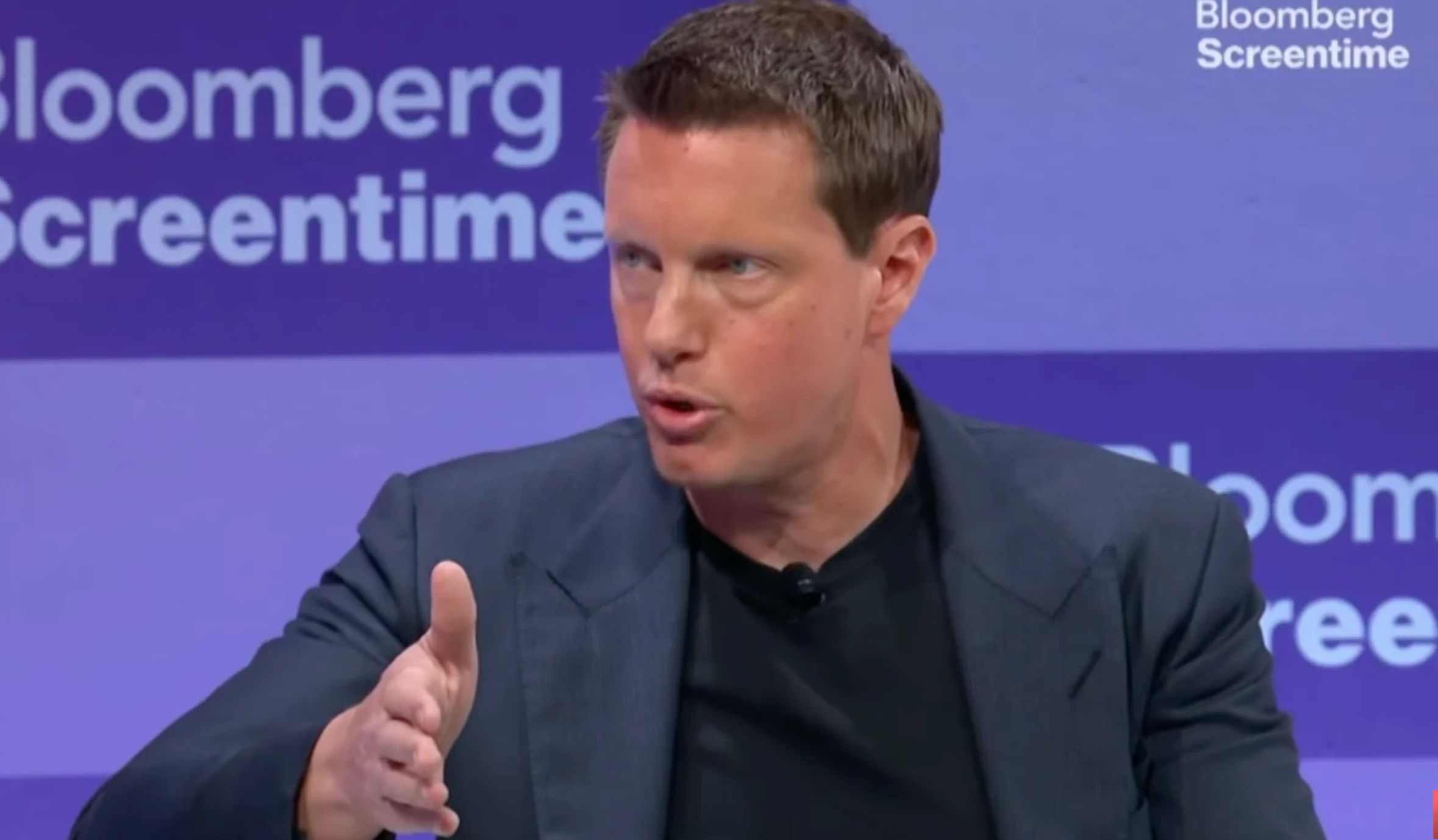
David Ellison in an interview with Bloomberg – YouTube, Bloomberg Podcasts
“While I was silent, others were happy to write my story for me,” he said. “No more.”
The lawsuit filed by California Attorney General Rob Bonta and attorneys general from 11 other Democrat-led states has frequently been accompanied by public concern over what Ellison’s ownership could mean for CNN’s editorial direction.
While the states officially argue the merger would reduce competition in television and theatrical distribution, critics have questioned why CNN has become such a recurring topic in public discussion surrounding the case.
We’ve Been Hearing This Argument for Weeks
Ellison’s comments echo an argument that has increasingly circulated since the lawsuit was filed.
Rather than focusing exclusively on traditional antitrust concerns, much of the public debate has centered on who would ultimately oversee CNN.
Reports have repeatedly suggested that opponents of the merger view control of CNN as one of the most significant consequences of the transaction.
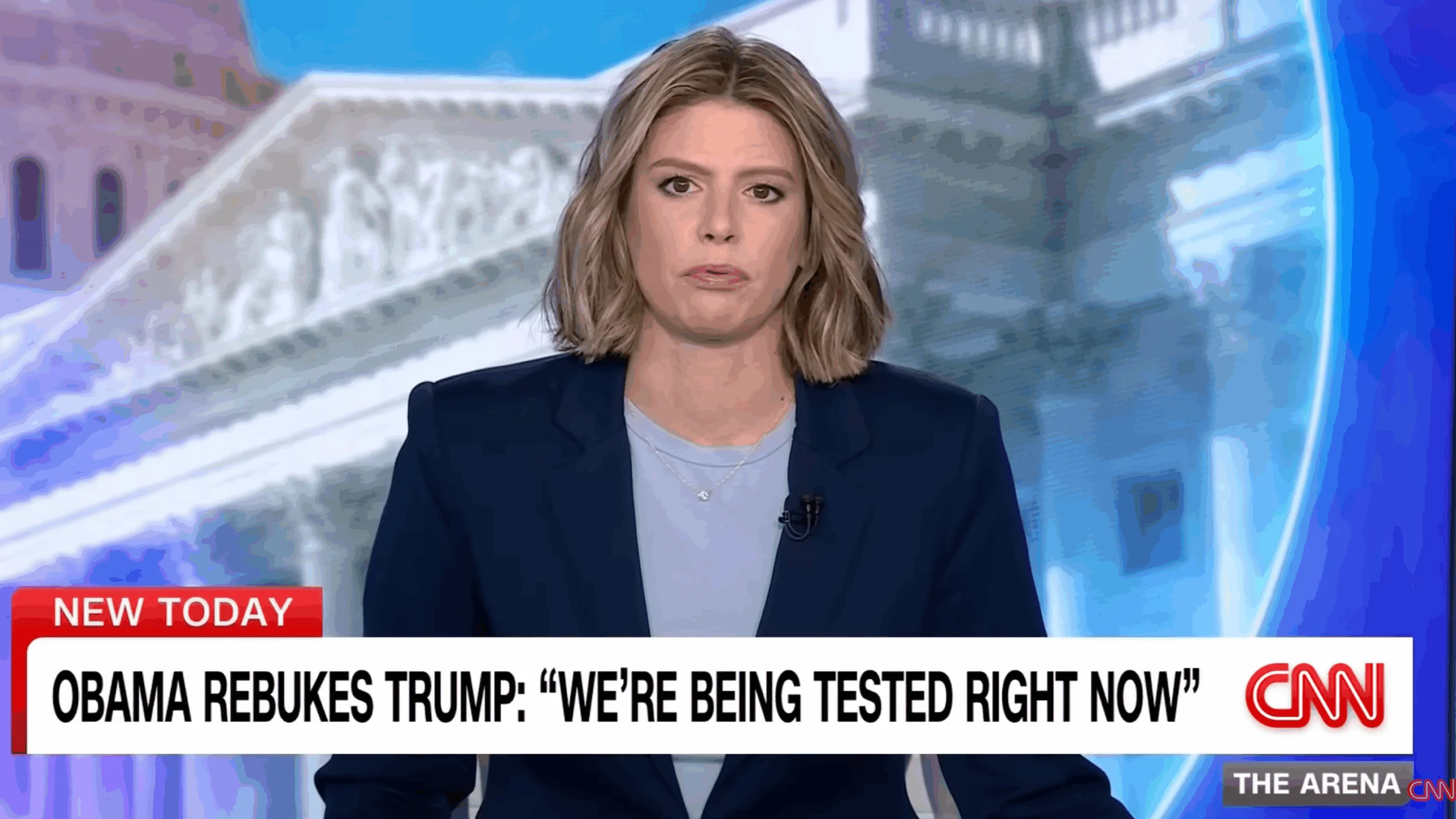
A news broadcast on CNN – YouTube, CNN
Ellison is now openly embracing that interpretation himself.
He argues that if the case were truly about market concentration, regulators across the globe would not already have approved the transaction.
According to Ellison, regulators representing 65 countries—including the United States, the European Union, and China—have already signed off on the deal.
Paramount Says the Market Has Changed
Another major point in Ellison’s defense is that Hollywood simply doesn’t resemble the entertainment industry envisioned by the plaintiffs.
He argues legacy studios are no longer the dominant forces they once were.

The logo for Paramount Skydance – Paramount
READ: Fight Break Out in Queue of Flight of Passage in Disney’s Animal Kingdom
Instead, companies like Netflix, Amazon, Apple, and YouTube command enormous shares of consumer attention and possess financial resources traditional studios cannot match.
Ellison claims that:
- A combined Paramount-Warner Bros. Discovery would account for less than 20% of television viewing.
- Including YouTube drops that share to roughly 13%.
- The merged company would represent only about 18% of the domestic box office over the past year.
In Ellison’s view, those figures demonstrate that Paramount-Warner would remain one competitor among several massive entertainment companies rather than becoming a monopoly.
The Legal Fight Is Far From Over
Despite receiving regulatory approval in numerous jurisdictions, Paramount still faces an uncertain future in federal court.
Last week, Paramount requested that the antitrust trial begin on Nov. 4, 2026. The coalition of Democrat attorneys general, along with the Writers Guild of America, instead requested an April 2027 trial date.
The court has set the trial for March 2027, an outcome Paramount didn’t want.
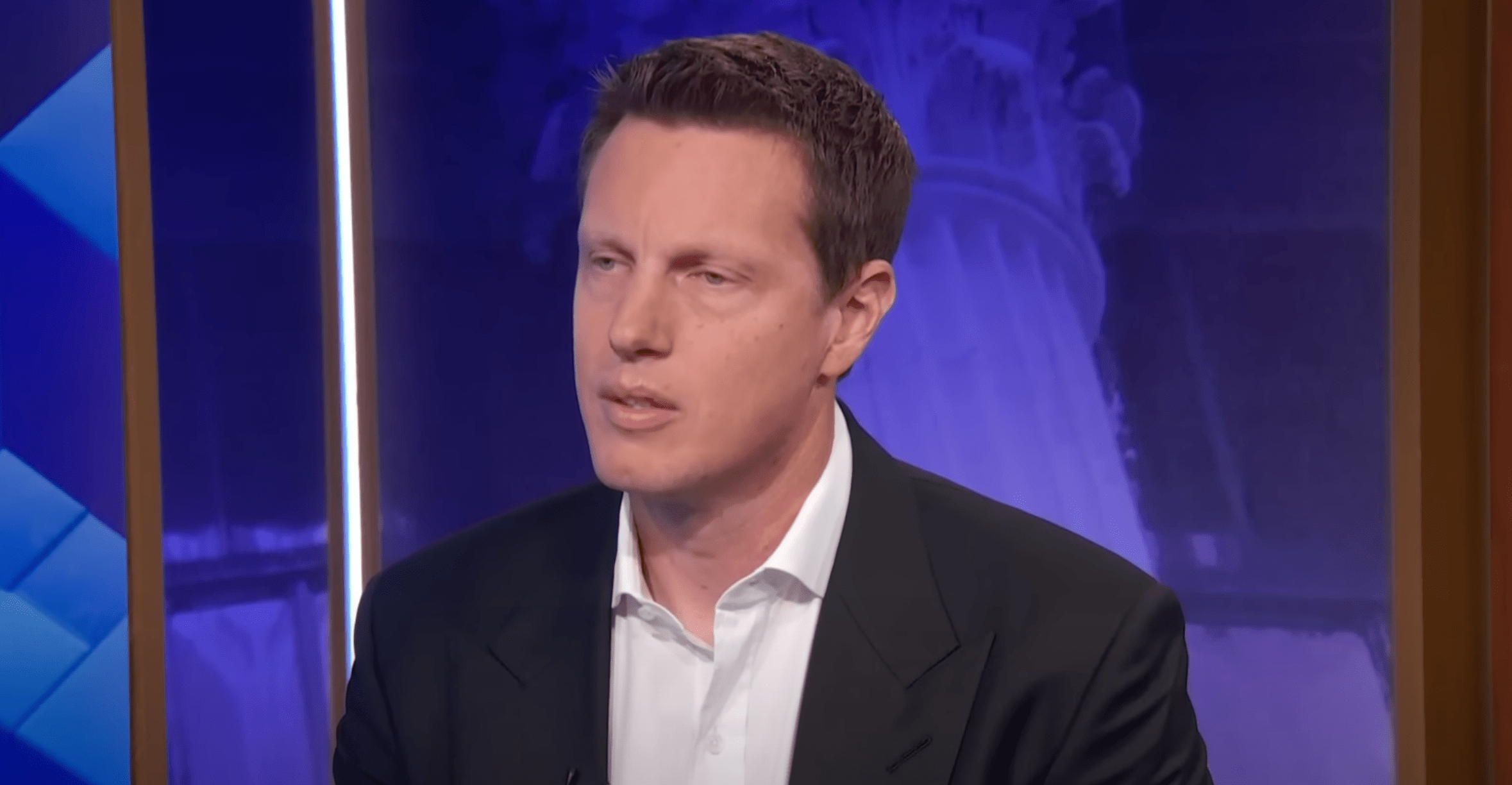
Paramount Skydance CEO David Ellison being interviewed – YouTube, CNBC Television
The timing matters enormously.
Under the merger agreement, Paramount will begin paying Warner Bros. Discovery shareholders approximately $7 million per day starting Oct. 1 until the transaction closes.
Those costs could quickly climb into the hundreds of millions of dollars if the litigation drags on.
A Judge’s Decision Could Shape Hollywood’s Future
The lawsuit has become one of the most closely watched legal battles in Hollywood.
Supporters of the merger argue Paramount needs additional scale to compete against technology giants pouring billions into entertainment. Opponents contend the combined company would wield too much influence across film and television.
Ellison, however, believes the conversation has drifted away from economics and toward politics.
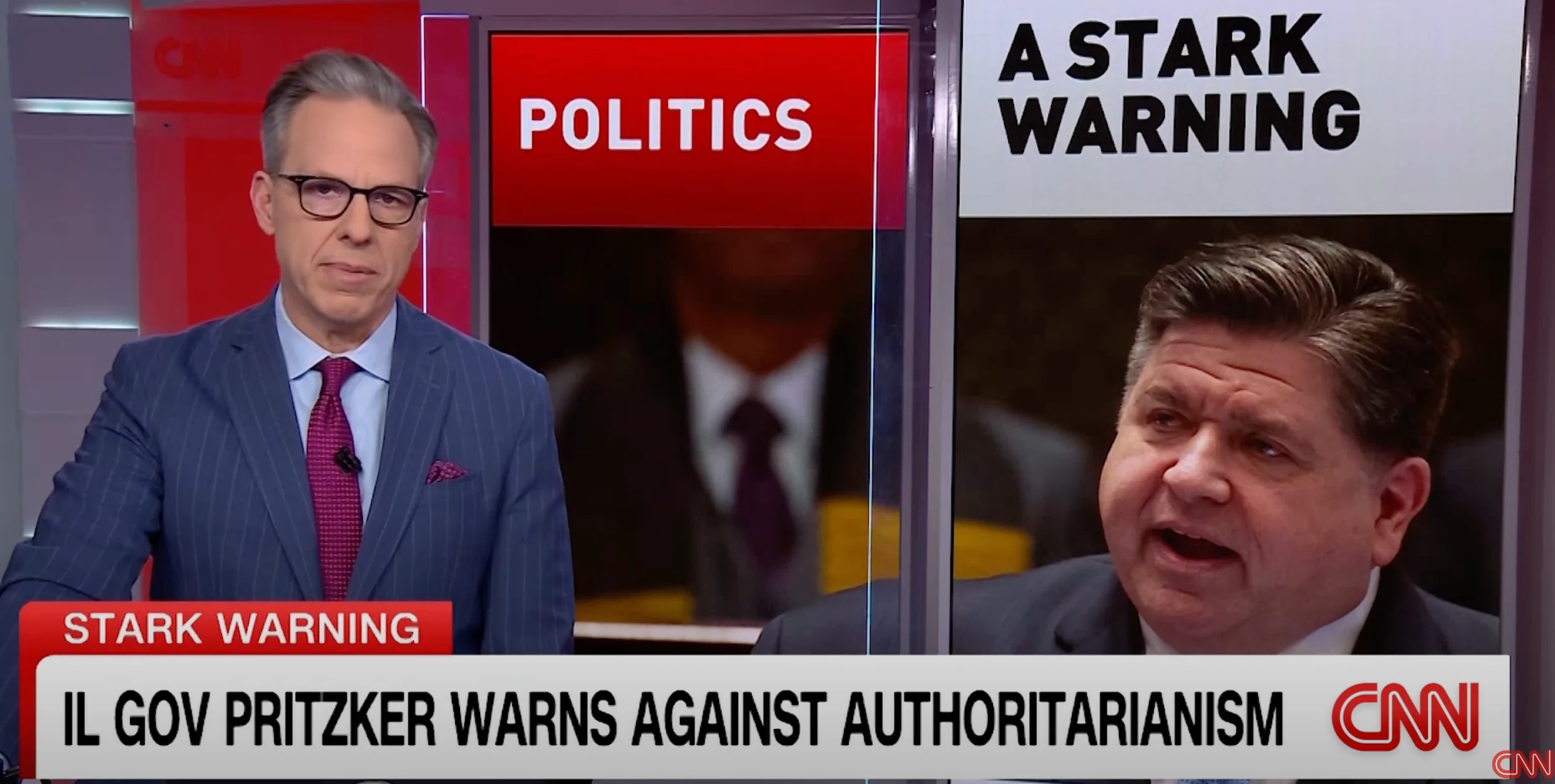
A screenshot from CNN – YouTube, CNN
His decision to publicly argue that CNN—not competition—is at the heart of the case marks his strongest statement yet against the coalition of Democrat attorneys general attempting to block the deal.
Whether the federal court agrees remains to be seen, but the CEO has now made clear he believes the battle over Paramount and Warner Bros. Discovery is about far more than antitrust law.
Do you think Ellison should control CNN? Sound off and let us know!
UP NEXT: Dave Bautista in Talks to Replace Ryan Hurst as Kratos in ‘God of War’ Series Following Injury Exit
