



The proposed merger between Paramount and Warner Bros. Discovery has encountered another major roadblock.
Paramount Skydance will have to wait until March 2027 to defend its proposed acquisition of WB at trial, dealing the company a costly setback in its effort to complete the massive merger.
On Tuesday, U.S. District Judge Araceli Martínez-Olguín rejected Paramount’s request to begin the antitrust trial in November. Instead, the Biden-appointed judge scheduled 12 days of proceedings beginning March 2, 2027. The order was disclosed just hours before Paramount Skydance held its second-quarter earnings call.

The logo for Paramount Skydance – Paramount
In a letter to shareholders released before the call, Paramount leadership wrote, “we remain confident it will be completed, creating a stronger, more competitive, creative-first media company that builds on the foundation we’ve established – one that benefits consumers, theater exhibitors, and creatives.”
Merger Delay Could Cost Paramount Billions
The judge’s decision represents a compromise between Paramount and the coalition of 12 Democratic state attorneys general challenging the deal. Led by California Attorney General Rob Bonta, the states had requested an April 2027 trial.
However, every additional month carries a steep price for Paramount. Under its agreement with WB, the company must pay shareholders a “ticking fee” of approximately $7 million per day if the transaction remains unfinished after September 30.
Paramount could therefore owe more than $1 billion by the time the trial begins. That figure could climb to approximately $1.7 billion if the transaction remains unresolved until June. However, according to Variety, the total would not become payable until after the deal is finalized. It would add substantially to what is already a $111 billion investment.
Paramount Defends Warner Bros. Acquisition
Paramount maintains that the states have no legitimate grounds to stop the acquisition.
“The court has set a trial date for early March. We respect the court’s decision and continue to believe a trial on the merits is the best and most direct way for us to prove what we’ve said from the start—this transaction is lawful, pro-competitive, and raises no antitrust concerns,” a Paramount spokesperson said.
The states argue that combining Paramount and Warner Bros. would eliminate competition between two of Hollywood’s five major film studios. The resulting company would also control CBS, CNN, HBO, Showtime, Paramount+, HBO Max, and more than 50 cable channels.

Warner Bros Discovery Logo
READ: Dave Bautista in Talks to Replace Ryan Hurst as Kratos in ‘God of War’ Series Following Injury Exit
The Writers Guild of America has filed a separate challenge, claiming the merger would reduce employment opportunities and suppress writers’ compensation. Both cases will be considered during the March trial.
The merger has already received approval from Warner Bros. Discovery shareholders and the Trump administration’s Department of Justice. European regulators also cleared the transaction with conditions. Additionally, California Gov. Gavin Newsom has reportedly expressed support for the merger, placing him at odds with his own attorney general.
David Ellison Questions Lawsuit’s Motives
Paramount CEO David Ellison has accused the Democratic attorneys general of using antitrust law as a pretext to prevent him from taking control of CNN. The cable news network would become part of the combined company if the acquisition proceeds.
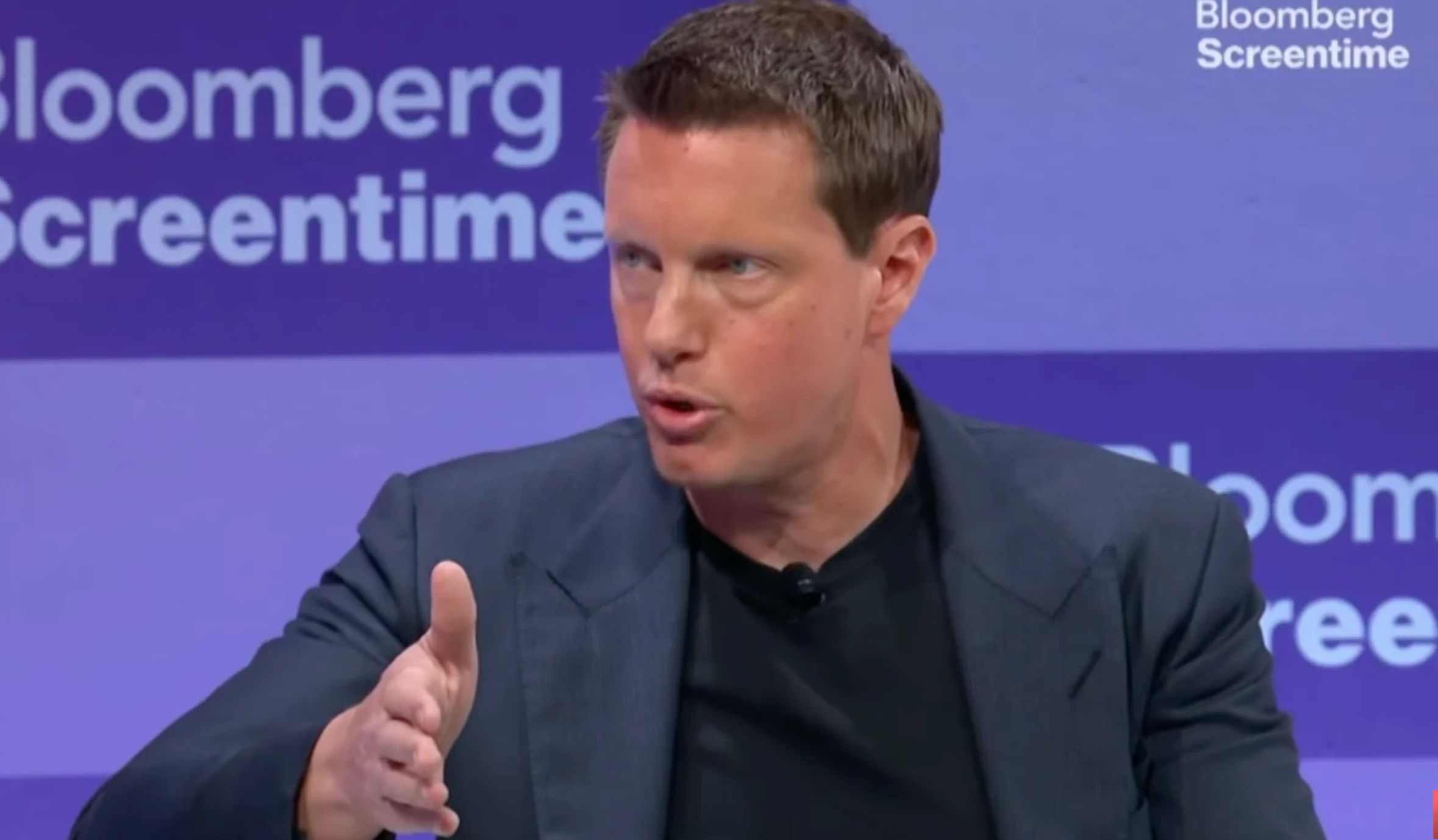
David Ellison in an interview with Bloomberg – YouTube, Bloomberg Podcasts
READ: Atreus Will Be Recast in Amazon’s ‘God of War’ Season 2
Ellison has promised to preserve CNN’s editorial independence. However, he has also made it clear that his personal politics differ from those commonly associated with the network.
Although the political motivations alleged by Ellison remain unproven, some analysts maintain that predictions of the merger irreparably damaging the industry are speculative. Many observers still expect the Paramount-Warner Bros. merger to receive final approval. However, completing it may now carry a substantially greater financial cost than Paramount initially anticipated.
If Paramount loses at trial, it could also face a $7 billion breakup fee. The March schedule therefore gives Bonta and the merger’s other opponents exactly what Paramount hoped to avoid: more time and considerably greater financial pressure.
Do you think that the Paramount merger with WB will go through? Sound off and let us know!
UP NEXT: Barbie 2 May Not Happen as WBD Refuses Big Raises for Margot Robbie and Ryan Gosling
