



The escalating battle over Paramount Skydance’s proposed acquisition of Warner Bros. Discovery may now threaten something much larger than the merger itself: Hollywood’s century-old position as the center of the American entertainment industry. Paramount CEO David Ellison has reportedly told his top executives that he is prepared to move the company out of California if the state’s attorney general, Rob Bonta, refuses to negotiate a settlement in the lawsuit seeking to block Paramount’s roughly $110 billion Warner Bros. Discovery acquisition.
And according to a bombshell new report from Puck’s Matthew Belloni, Ellison has put an actual date on the threat.
October 1.
Belloni reports that Ellison recently gathered Paramount’s 12-member Executive Leadership Team for a meeting on the Paramount lot, where the CEO laid out what could become one of the most consequential corporate relocations in Hollywood history.
READ: Warner Bros. Denies Report That ‘Wonka 2’ is Delayed Indefinitely
According to two people Belloni says have direct knowledge of the meeting, Ellison told the executives that Paramount Skydance would relocate to Tennessee, Texas, Georgia, or potentially another state if Bonta does not come to the negotiating table.
Even more significantly, Ellison reportedly said Paramount’s board has already signed off on the move.
That transforms what previously sounded like political pressure into something considerably more concrete.
Ellison Reportedly Gives California Until October 1
Ellison reportedly remains confident that Paramount will ultimately prevail against the lawsuit brought by California and 11 other states attempting to stop the Warner Bros. transaction.
California Attorney General Rob Bonta officially led the coalition of 12 Democrat attorneys general in filing the antitrust lawsuit last month, arguing that the transaction would reduce competition in the entertainment industry. The federal Justice Department, meanwhile, had already cleared the merger.
But Ellison reportedly told Paramount leadership that if the dispute is not resolved by October 1, the company will begin the process of leaving California.
The significance of that date isn’t arbitrary.
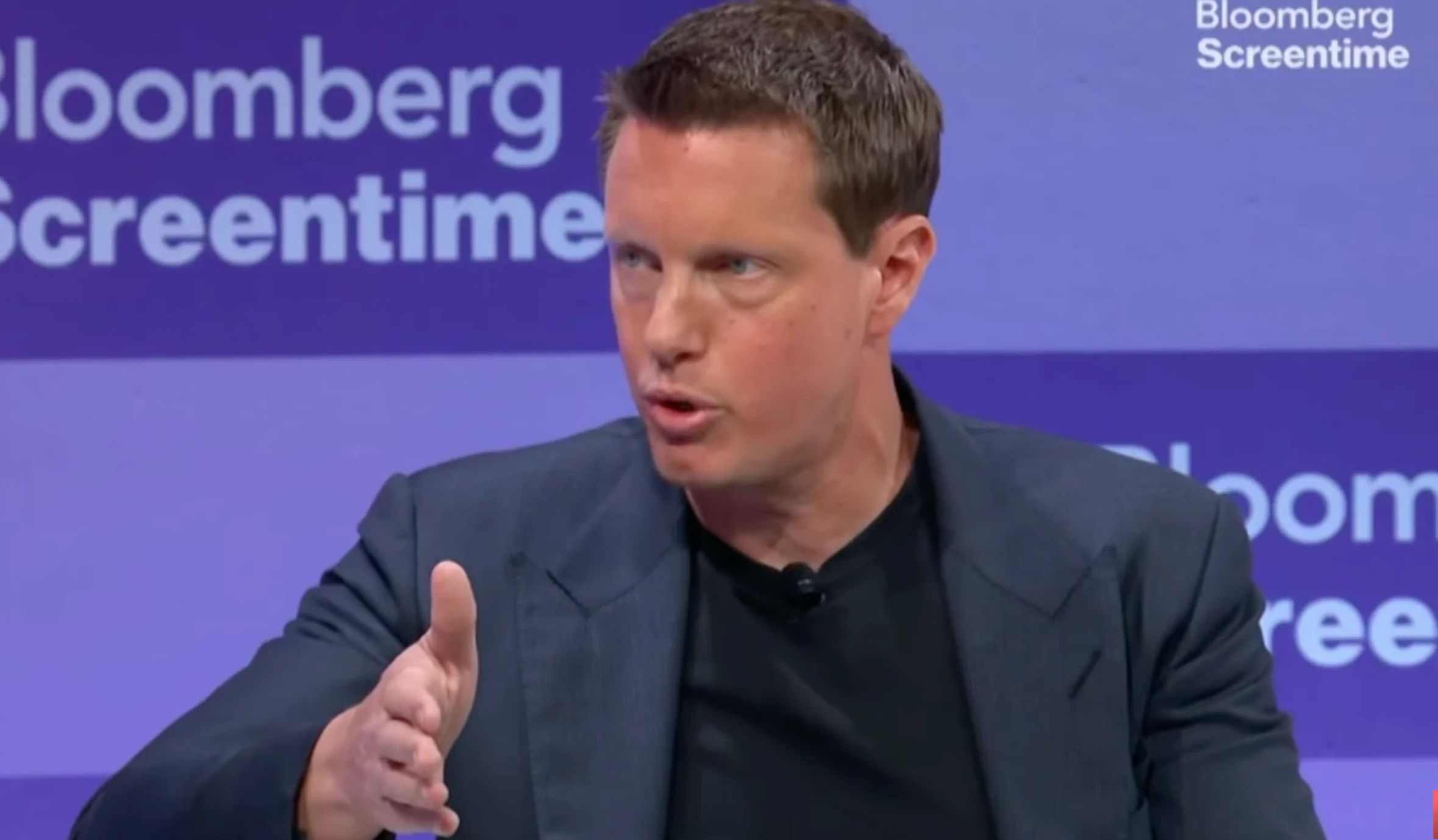
David Ellison in an interview with Bloomberg – YouTube, Bloomberg Podcasts
Beginning after September 30, Paramount is expected to owe Warner Bros. Discovery shareholders approximately $650 million per quarter, commonly described as roughly $7 million per day, while the deal remains unfinished. A federal judge recently scheduled the antitrust trial to begin March 2, 2027, potentially leaving Paramount responsible for more than $1 billion in additional payments before the case is resolved.
And if the Warner Bros. transaction ultimately collapses, Paramount could face a staggering $7 billion termination fee.
Those numbers dramatically change the economics of the standoff.
According to Belloni, Ellison told executives that rather than responding to those costs by slashing content spending or restructuring the company, relocation represents another option.
Paramount Could Move Thousands of Jobs Out of California
This wouldn’t simply mean changing the address on Paramount’s corporate headquarters.
Belloni reports that Ellison is developing a five-year plan under which the company’s headquarters would move first, followed eventually by most studio jobs.
Paramount would apparently maintain a creative presence in Hollywood because of the enormous concentration of actors, filmmakers, agencies, production companies, vendors, and other entertainment infrastructure in Southern California.
But executives and business operations could be moved elsewhere.

Russell Crowe in Gladiator – Paramount Movies, YouTube
And the potential scale becomes extraordinary if Paramount completes its Warner Bros. acquisition.
Ellison reportedly referenced approximately 30,000 jobs connected to the combined company while discussing his preference to keep WarnerMount headquartered in Southern California.
Losing even a substantial portion of those positions would represent an enormous blow to an entertainment economy that has already been battered by declining local production.
It would also create a potentially devastating precedent.
Hollywood has watched production steadily migrate to states and countries offering better tax incentives and lower costs for years. Moving the actual corporate infrastructure of one of Hollywood’s legacy studios would be something else entirely.
Ellison Reportedly Sees $500 Million in Annual Tax Savings
Ellison reportedly told his leadership team that relocating the company could save approximately $500 million every year in taxes.
That means the move isn’t being presented purely as retaliation against California.
There could be a substantial financial incentive.
Ellison also reportedly discussed potentially selling the Paramount and Warner Bros. studio lots, properties that have previously received valuations reaching billions of dollars.

Logos for Paramount Skydance and Warner Bros. – Paramount, WB
Selling that property and moving the company’s business operations to Tennessee, Texas, Georgia, or elsewhere would represent an extraordinary break from more than a century of Hollywood history.
And Ellison has a very obvious family precedent for making such a move.
Larry Ellison has already demonstrated a willingness to move his own corporate empire out of California. Oracle relocated its headquarters from California to Austin, Texas, in 2020. Just four years later, Ellison announced that Oracle’s massive new campus in Nashville, Tennessee, would ultimately become the company’s world headquarters.
David Ellison could now potentially apply a similar strategy to Hollywood.
Paramount’s Board Has Reportedly Approved the Move
Perhaps the most significant detail in Belloni’s report is that Ellison reportedly told his executives that the Paramount board has already approved the relocation.
That doesn’t mean the company will definitely leave California.

A screenshot from the trailer for Scream 7 – YouTube, Paramount Pictures
Belloni himself expresses skepticism over whether Ellison will ultimately follow through, noting the tremendous disruption such a move would create and the potential backlash from Hollywood’s creative community.
But there’s an enormous difference between Ellison publicly threatening to leave and Ellison privately presenting his senior executives with a deadline, possible destination states, projected savings, a five-year transition strategy, and board authorization.
If Belloni’s sources are accurate, Ellison has done considerably more than simply float an idea.
He’s developed an exit plan.
Bonta Accuses Paramount of Trying to ‘Blackmail’ California
Bonta apparently isn’t buying Ellison’s threat. But if the latest reporting is accurate, the attorney general may increasingly find himself isolated even within California’s own Democratic leadership.
His office gave Belloni an extraordinarily aggressive response to the reported relocation plan, calling it “another attempt to blackmail the state into letting an illegal deal through.”
Bonta’s office added that Paramount had “lost the plot as it continues to lose in court.”
The attorney general claims his lawsuit is necessary to protect California consumers and the entertainment industry from an allegedly anticompetitive merger. But if his refusal to negotiate ultimately results in Paramount moving its headquarters and eventually thousands of jobs out of California, the effort supposedly intended to protect the state could instead help devastate one of its signature industries.
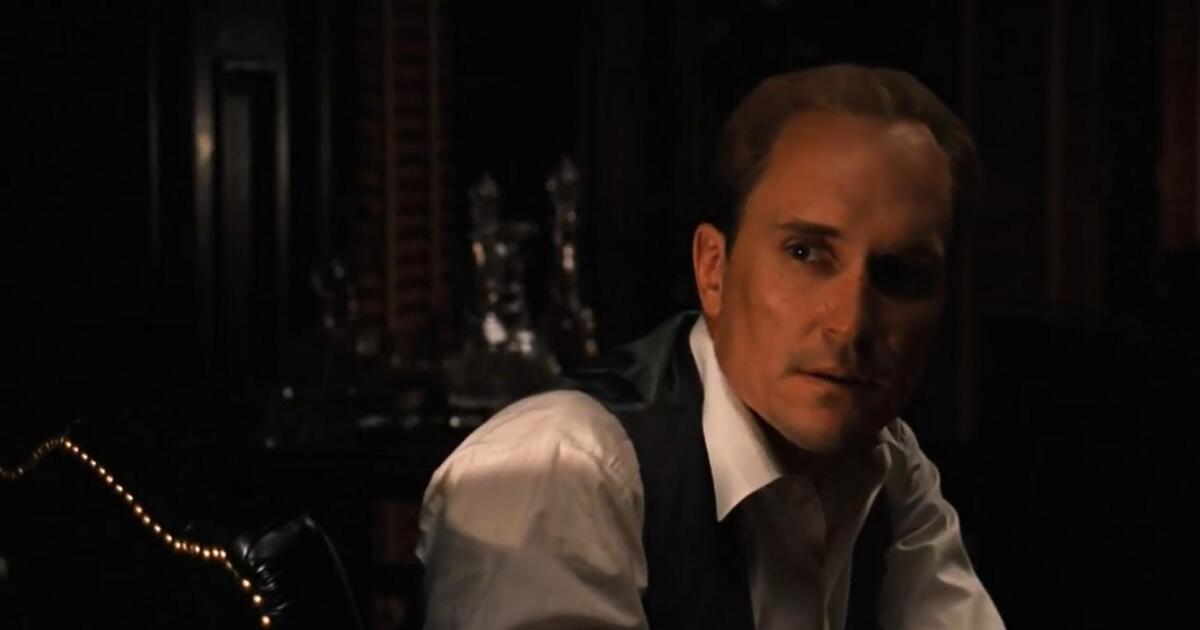
Robert Duvall in The Godfather – YouTube, Paramount Plus
And California can hardly afford another blow to Hollywood.
Bonta, meanwhile, continues to dig in. He recently secured an important preliminary victory when Biden-appointed U.S. District Judge Araceli Martínez-Olguín granted the states a temporary restraining order preventing the companies from completing the merger while litigation continues. The trial is now scheduled for March 2027.
But winning procedural victories in court is one thing. Winning the larger battle for California is something else entirely.
If Paramount is bluffing, Bonta may ultimately call that bluff. If Ellison isn’t bluffing, however, Bonta risks becoming the California official who refused to negotiate and watched as one of Hollywood’s most iconic companies began packing its bags.
Paramount Claims It Already Offered California Major Concessions
There is another important wrinkle in this story.
Paramount reportedly isn’t claiming that it has refused to compromise.
According to Puck, the company sent Bonta’s office a proposed consent decree on May 16 containing 12 potential concessions designed to address concerns surrounding the merger.
Among them was reportedly a commitment to keep both the Paramount and Warner Bros. studio lots operating.
Another was a commitment to release 30 theatrical movies annually between Paramount and Warner Bros.

A movie theater at Disney Springs – Photo Credit: M. Montanaro
That theatrical commitment has subsequently become a major part of Paramount’s effort to build industry support for the transaction.
AMC Theatres and Regal owner Cineworld have now backed the merger after Paramount offered theatrical exhibition commitments including 30 movies per year, a minimum 45-day theatrical window, and 90 days before films reach Paramount+.
Cinemark is reportedly considering joining them.
That matters because California’s lawsuit specifically argues the merger could harm movie theaters and consumers.
Bonta himself has argued that the transaction would result in “higher prices, lower quality, and less content for film and television,” including harm to movie theaters.
Ellison appears to be attempting to neutralize that argument by winning over the very theater companies supposedly threatened by the transaction.
According to Belloni, however, Bonta never responded to Paramount’s May proposal.
Ellison Has Claimed the Fight Is Really About CNN
There is also an increasingly political dimension to this fight that cannot be ignored.
Ellison has publicly suggested opposition to the transaction isn’t solely about antitrust law.
He has argued that political concerns surrounding his potential ownership of CNN are influencing opposition to the merger.
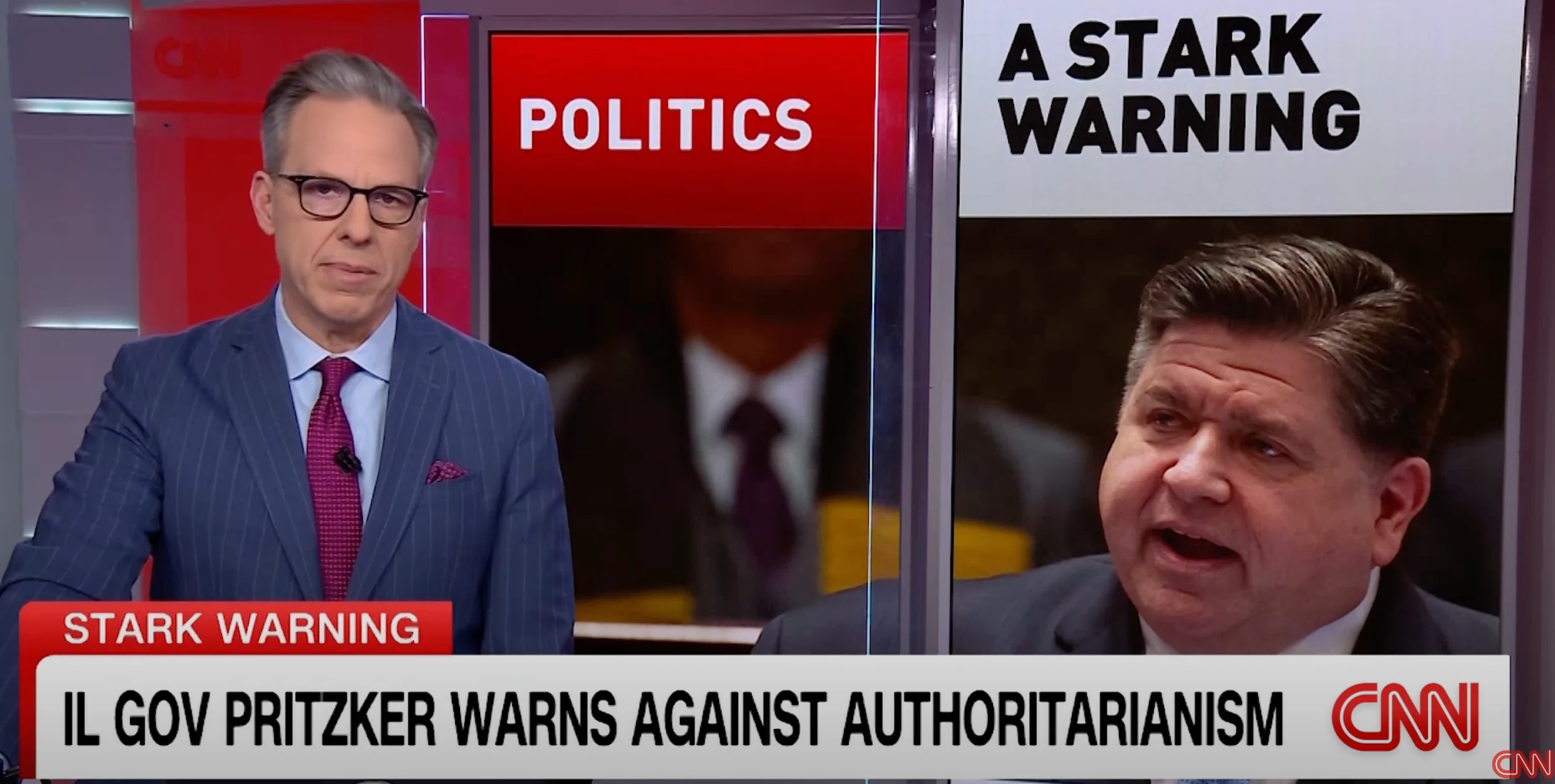
A screenshot from CNN – YouTube, CNN
The coalition suing to stop the transaction consists of 12 Democratic attorneys general, while President Trump’s Justice Department already approved the deal. Bonta has publicly accused the Trump administration of improperly favoring the Ellisons, while Ellison has suggested opponents are attempting to prevent him from gaining control over CNN.
That puts one of America’s largest media mergers directly in the middle of an increasingly bitter political battle.
And California’s entertainment industry may ultimately find itself caught in the crossfire.
Gavin Newsom Reportedly Wants a Settlement
Belloni adds another fascinating political element to the story.
California Governor Gavin Newsom has remained publicly quiet about Bonta’s lawsuit, but both The Wall Street Journal and Puck report that Newsom is believed to strongly prefer a settlement.
That would hardly be surprising.
There is an enormous political difference between challenging a corporate merger and being blamed for driving one of Hollywood’s most famous companies—and potentially tens of thousands of jobs—out of California.
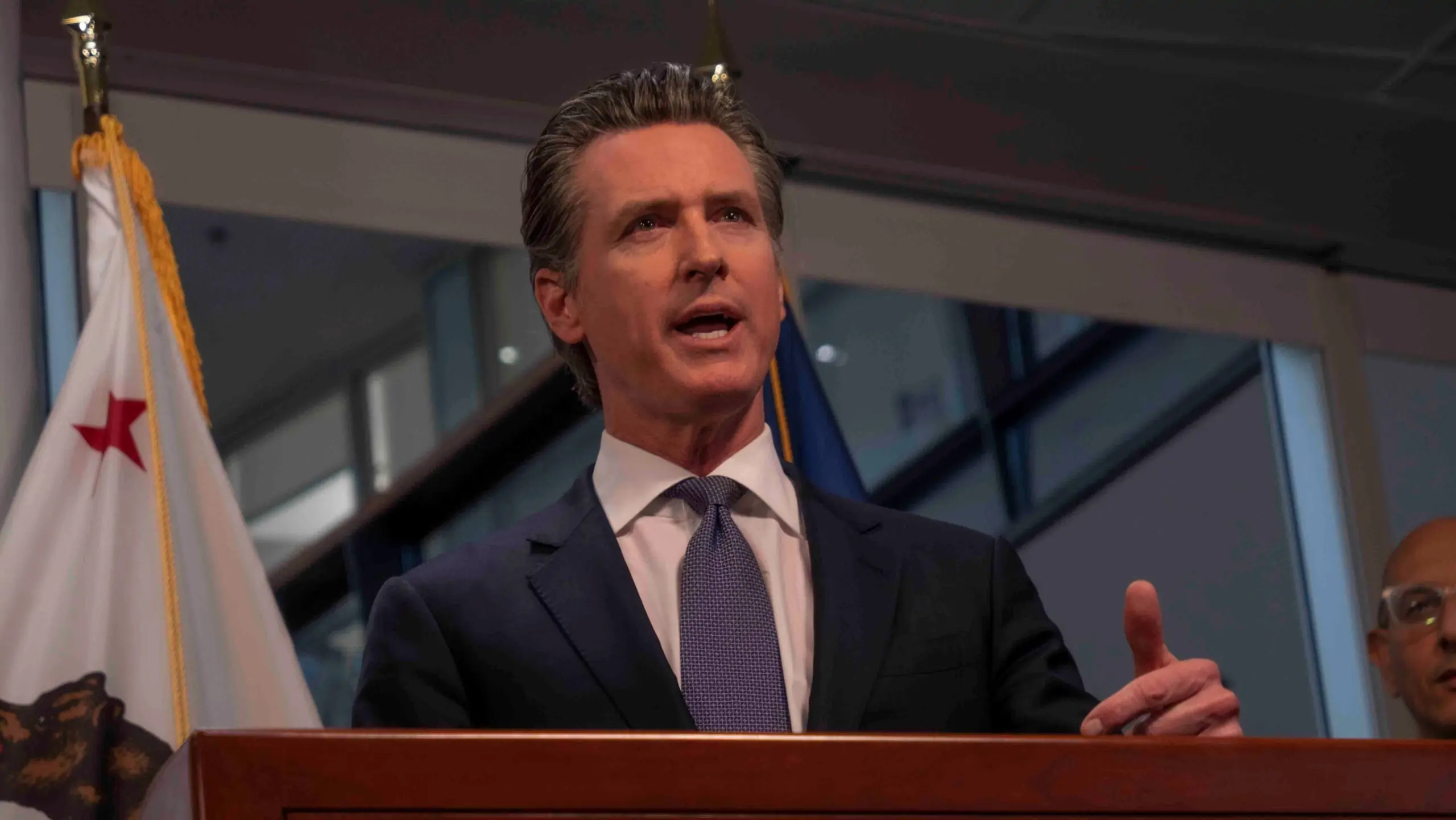
Gavin Newsom giving a speech – Office of the Governor of California, Public domain, via Wikimedia Commons
Ellison is reportedly making calls to Democratic politicians and major donors in an effort to generate pressure on Bonta to negotiate.
That may ultimately be the real purpose of the relocation threat.
Ellison doesn’t necessarily need to convince Bonta that Paramount wants to leave.
He needs to convince enough powerful Californians that Paramount actually might.
California Is Now Playing an Extremely Dangerous Game
There is still plenty of reason to question whether Ellison will ultimately follow through.
Relocating a major entertainment company is exponentially more complicated than moving a corporate headquarters. Hollywood’s ecosystem was constructed over generations, and much of Paramount and Warner Bros.’ creative infrastructure cannot simply be loaded onto trucks and shipped to Nashville.
But California would be taking an enormous gamble by assuming Ellison is bluffing.
The merger has already cleared federal antitrust review, and reports indicate it has received approval across dozens of international jurisdictions. California and its allied states have nevertheless continued their attempt to stop the transaction.
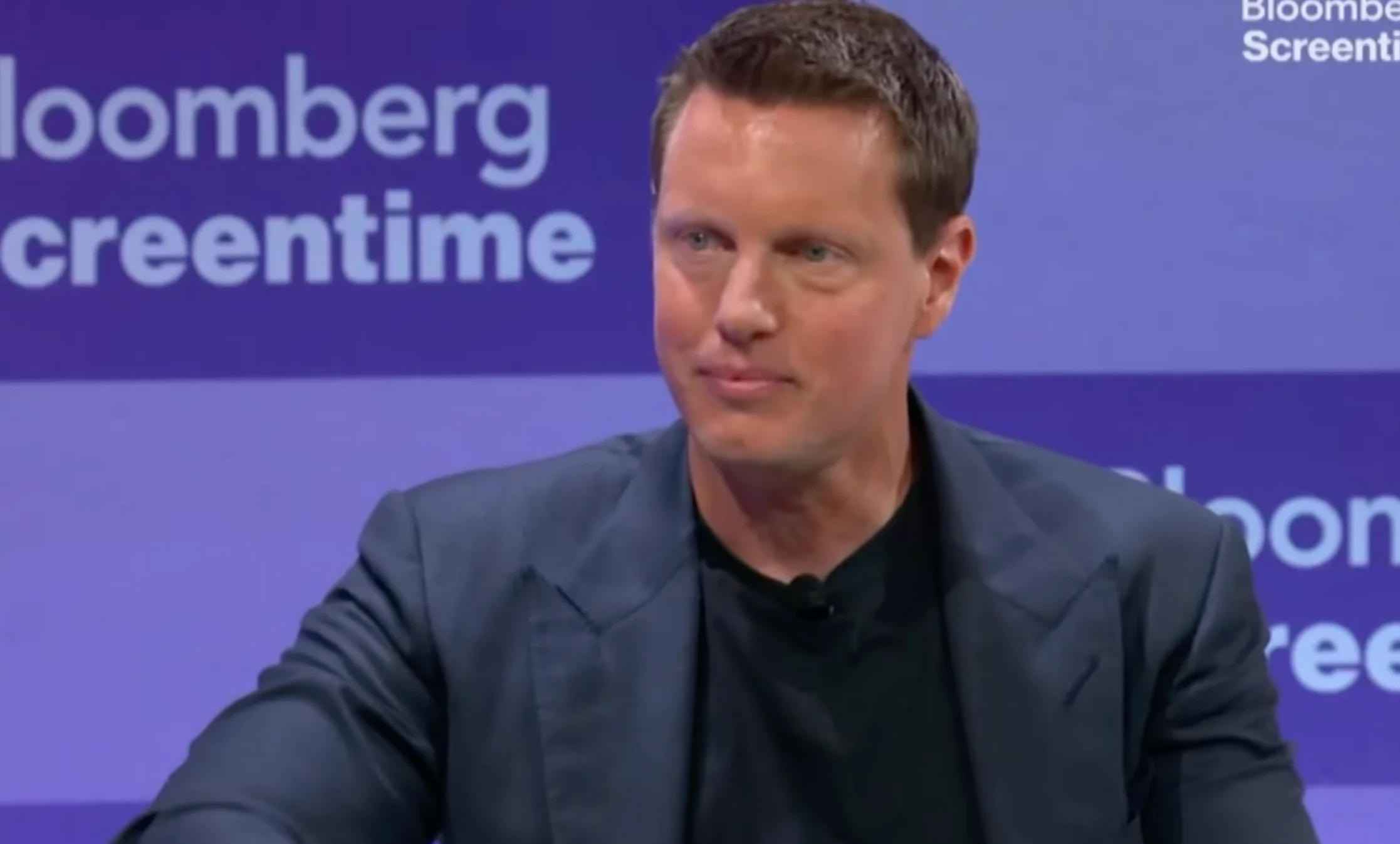
David Ellison talks to Bloomberg – YouTube, Bloomberg Podcasts
Now the company at the center of that fight is reportedly preparing an alternative that could turn California’s effort to protect its entertainment industry into something dramatically different.
A Paramount departure would not merely mean losing another corporation.
It could mean moving executives, administrative operations, production infrastructure, and eventually thousands of high-paying entertainment jobs away from Southern California. If Warner Bros. ultimately joins Paramount under Ellison, the consequences could become even greater.
For decades, states including Georgia, Texas, and Tennessee have attempted to take pieces of Hollywood away from California. California may now be giving one of Hollywood’s most powerful executives a reason to hand them something much bigger.
October 1 suddenly looks like one of the most important dates on Hollywood’s calendar.
Do you think Paramount will leave California? Sound off and let us know!
