


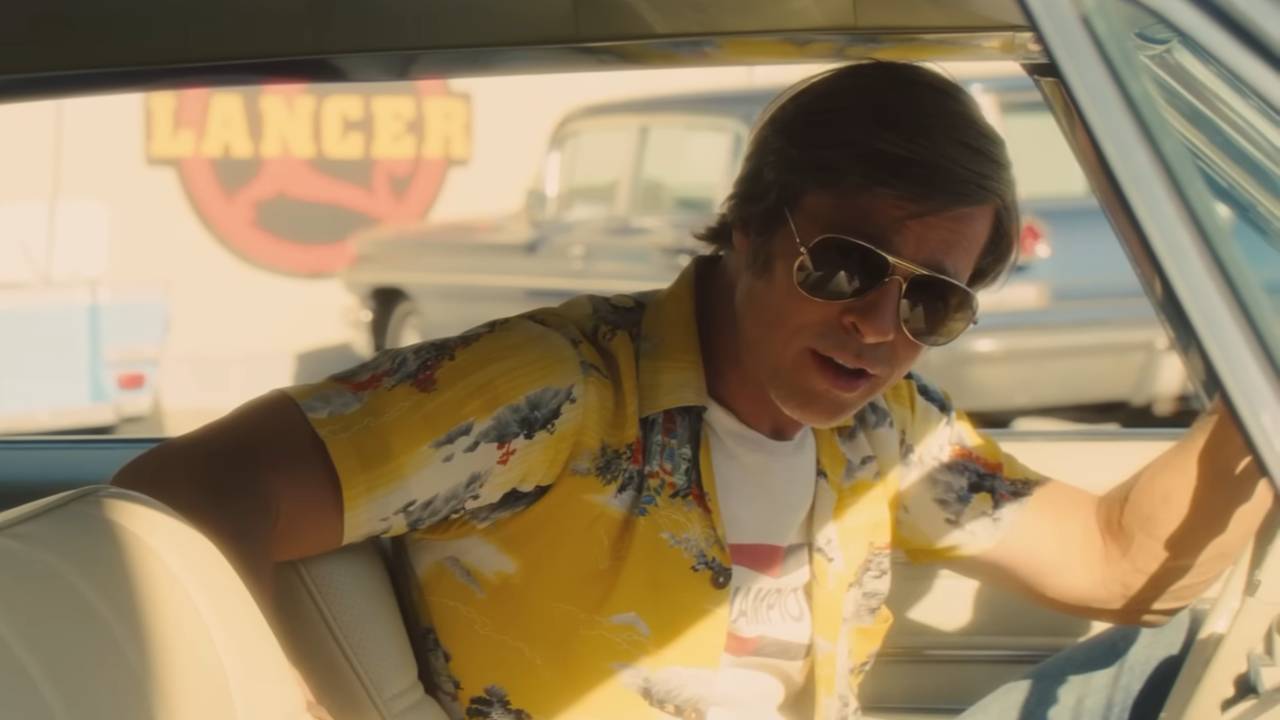
Brad Pitt believes artificial intelligence could help Hollywood revive the increasingly endangered mid-budget movie.
The Oscar-winning actor and producer discussed the controversial technology during a wide-ranging interview with Esquire. Rather than presenting AI as a replacement for filmmakers or performers, Pitt argued that it could reduce production costs and help studios finance movies that might otherwise never receive a green light.
“There’s a lot of pushback against AI, but AI is going to be the very thing that, if used as a tool, is going to help these mid-budget films, forty- to ninety-million-dollar budgeted films, get made,” Pitt said.
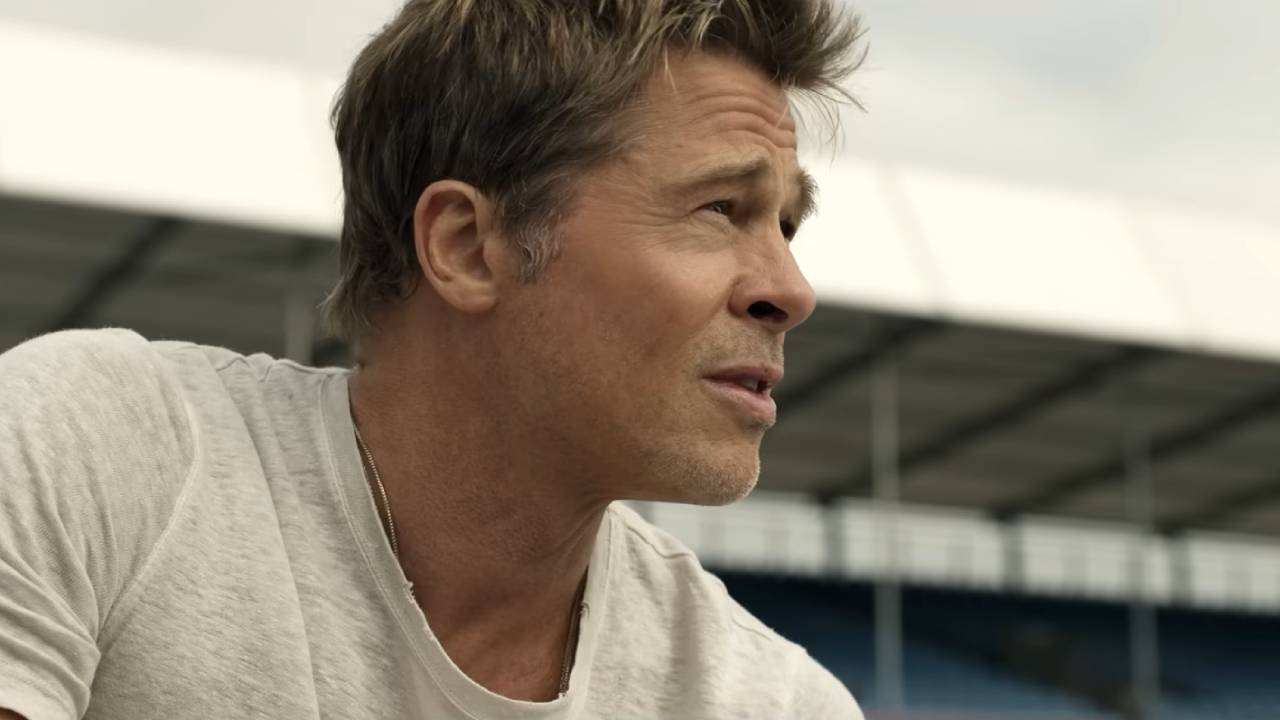
Brad Pitt as Sonny Hayes in F1 – Warner Bros., YouTube
READ: New Interactive Cheese Exhibit Coming to EPCOT’s International Food & Wine Festival This Year
The subject arose while Pitt was discussing Heart of the Beast, his upcoming survival thriller directed by David Ayer. The movie was filmed in New Zealand, where tax incentives helped the production control its expenses.
Pitt suggested that AI could provide filmmakers with another way to manage their budgets, particularly when creating visual effects that might otherwise make a project prohibitively expensive.
Can AI Replace Brad Pitt?
Pitt was less certain when asked whether artificial intelligence could convincingly replace an actor.
The question was especially relevant after an unauthorized AI-generated video showed digital versions of Pitt and Tom Cruise fighting on a rooftop. The viral clip alarmed the Motion Picture Association and creative professionals who recognized the power behind its two-line prompt. It also demonstrated how quickly the technology can reproduce the appearances of recognizable performers.
“Well, it depends on who’s creating it, you know? Who’s behind it, who’s telling the story,” Pitt explained. “So they could, but the final product might not be my choices and what I found and discovered in the thing.”
Pitt described Hollywood’s growing use of AI as “a very interesting experiment.” However, he also revealed that he has spent approximately 20 years requiring studios to destroy digital scans of his body after productions concluded.

A clip from the Brad Pitt Tom Cruise AI fight – X, @RuairiRobinson
READ: Warner Bros. Denies Report That ‘Wonka 2’ is Delayed Indefinitely
“I’ve always put in my contract: I own them and I destroy them,” he said. “I should have kept them! All this time I’ve always had them destroyed, because I’m paranoid Ozark boy.”
His comments therefore stop short of offering AI an unconditional endorsement. Pitt appears open to using the technology behind the camera while remaining protective of the human choices and performances that ultimately give a movie its identity.
Pitt Has a History With Mid-Budget Movies
As World of Reel noted, Pitt has more experience with these financial challenges than the average movie star.
His production company, Plan B Entertainment, has helped bring numerous filmmaker-driven projects to the screen. Its credits include 12 Years a Slave, Moonlight, The Big Short, The Tree of Life, and The Lost City of Z.
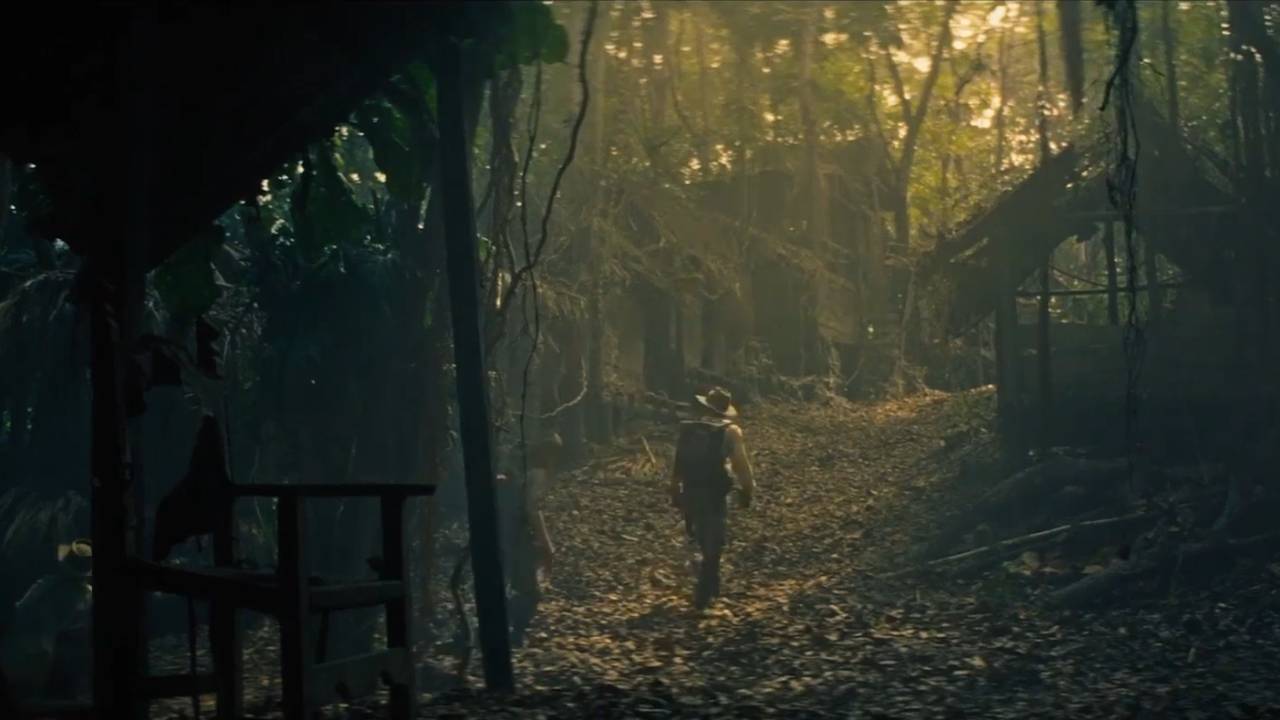
Scene from The Lost City of Z – ONE Media, YouTube
That track record gives Pitt’s argument additional credibility. Hollywood has increasingly focused on relatively inexpensive independent films and enormous franchise productions, leaving fewer opportunities for original movies with budgets between those extremes.
Nevertheless, using AI to lower costs would almost certainly raise new concerns about the jobs of visual effects artists and other production workers. The technology may make more movies financially viable, but studios could also use it primarily to reduce payrolls.
Whether AI ultimately saves the mid-budget movie or further disrupts the people who make it will depend on how Hollywood chooses to wield it. Pitt’s position is that the technology should remain a tool serving human filmmakers—not a substitute for them.
Do you agree with Brad Pitt that AI can save mid-budget movies? Sound off and let us know!
UP NEXT: Eman Esfandi Debunks Spider-Man Rumor About Him Playing Fan-Hated Character
