


Paramount Skydance is turning up the pressure on the coalition of Democratic state attorneys general attempting to stop its $110 billion acquisition of Warner Bros. Discovery, asking a federal judge to require the states to put nearly $1.9 billion of their own money behind their challenge.
And considering just how much money Paramount stands to lose because of the states’ efforts to delay a merger that has already received widespread regulatory approval around the world, the company has a point.
Paramount filed a request Monday asking the court to require the 12 states challenging the transaction, along with the Writers Guild of America in its separate case, to post a $1.88 billion bond covering at least some of the financial damage that could result from delaying the transaction.
The demand essentially puts a simple question before opponents of the merger: If they are confident enough in their case to potentially cost Paramount billions of dollars, should they also be willing to accept some financial responsibility if they ultimately lose?
Paramount Could Lose Billions From the Delay
The numbers involved here are enormous.
Under Paramount’s agreement to acquire Warner Bros. Discovery, the company begins owing Warner Bros. shareholders approximately $7 million per day if the transaction has not closed by September 30.
READ: MuppetVision 3D Replacement Finally Announced
The trial over the states’ challenge is currently scheduled to begin in March 2027. Paramount estimates that by the time the trial concludes and final briefs are submitted in April, it could have accumulated roughly $1.3 billion in unrecoverable ticking fees.
If the case keeps the companies apart until June 1, 2027, Paramount estimates those fees would rise to approximately $1.7 billion, while the company could incur another $190 million in financing costs.
That gets remarkably close to the $1.88 billion bond Paramount is asking the plaintiffs to post.
Paramount’s position is that the legal system provides for financial security when a plaintiff obtains an order preventing a transaction from proceeding. The company said that federal law provides for plaintiffs to post a bond covering potential damage from stopping a transaction while litigation plays out.

The logo for Paramount Skydance – Paramount
Whether the judge agrees that a bond anywhere near $1.88 billion is appropriate remains to be seen.
But the principle behind Paramount’s argument is difficult to dismiss.
The states want the power to prevent two private companies and their shareholders from completing a transaction that’s already been approved by the U.S. DOJ while their lawsuit moves through the courts. Paramount’s position is that if the states are wrong, the company should not simply be expected to absorb potentially billions of dollars in irreversible losses with no recourse.
The Federal Government Already Found the Merger Would Not Harm Competition
That argument becomes considerably more compelling when considering what federal antitrust regulators already concluded about the transaction.
The Department of Justice spent eight months examining the proposed merger before determining in June that it was unlikely to harm either competition or consumers.
In fact, the DOJ reached essentially the opposite conclusion from the state attorneys general.
According to the Associated Press, the Justice Department concluded that the merger’s impact would “increase competition across the media and entertainment ecosystem” while providing benefits to consumers and workers.
President Trump before the 2026 World Cup final – Fox Sports, YouTube
READ: Who is Returning for DCA’s ‘Avengers: Infinity Defense’? The Cast So Far
Federal regulators examined competition in streaming, linear television, film development, production, and theatrical distribution.
On streaming, the DOJ concluded that a combined Paramount and Warner Bros. Discovery could create a stronger competitor to larger services.
On theatrical movies, regulators found that combining the two studio operators was unlikely to damage competition in the development, production, or distribution of films.
That is significant because the state attorneys general are making almost precisely the opposite case.
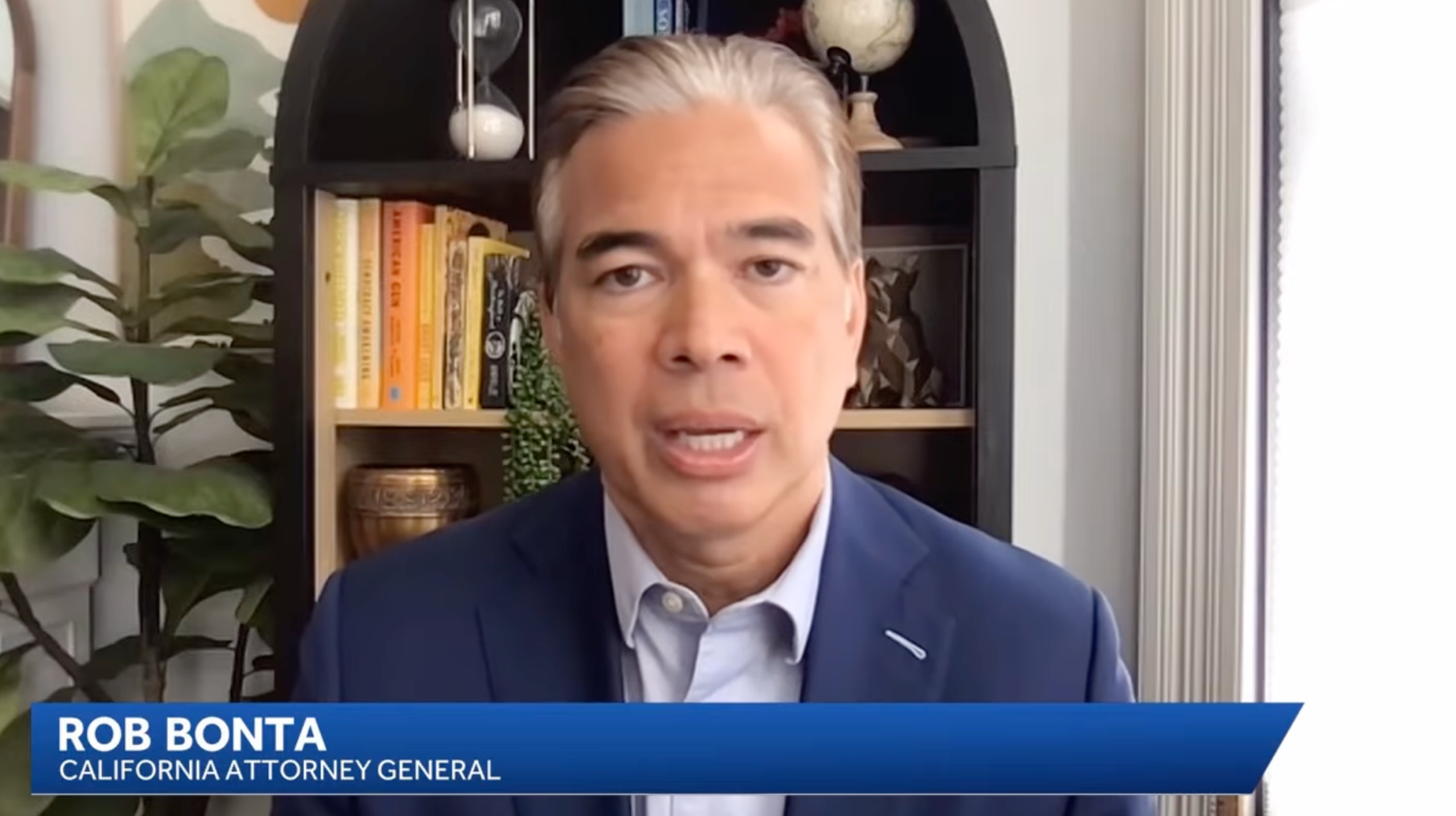
California Attorney General Rob Bonta – YouTube, KCRA 3
California Attorney General Rob Bonta and the coalition claim that combining Paramount and Warner Bros. would give the new company too much control over theatrical film distribution and basic cable television, resulting in higher prices, fewer choices, and less competition.
Those allegations may deserve their day in court. But they’re still just allegations — and they come after the federal agency specifically responsible for enforcing U.S. antitrust law conducted an extensive investigation and reached a different conclusion.
Almost the Entire World Has Cleared the Transaction
The Justice Department is hardly alone.
Paramount says regulatory bodies representing at least 68 countries have either approved the Warner Bros. transaction or declined to challenge it.
The United Kingdom’s Competition and Markets Authority gave the transaction its approval earlier this month after examining the deal, joining regulators across Europe, Australia, Brazil, Canada, China, and numerous other jurisdictions that have cleared it.
That leaves the lawsuits filed by the state attorneys general and the WGA standing as the remaining barriers to completion.

Logos for Paramount Skydance and Warner Bros. – Paramount, WB
It doesn’t automatically mean the states are wrong. Independent state antitrust enforcement exists for a reason, and a federal clearance does not legally prevent states from bringing their own challenge.
But the sheer number of competition regulators that have examined this merger without reaching the catastrophic conclusions being advanced by the states makes the extraordinary effort to stop the deal increasingly difficult to portray as an open-and-shut antitrust matter.
Paramount Chairman and CEO David Ellison has openly suggested there’s something else at work.
A screenshot from CNN – YouTube, CNN
READ: Disney World Gives Up on EPCOT’s Disastrous In-Ground Lighting After Years of Failures
Ellison has argued that the state challenge is less about competition than concerns over whether he can be trusted as the future steward of CNN, which Warner Bros. Discovery currently owns.
Considering the merger is being challenged by a coalition of 12 Democratic state attorneys general even after receiving federal and widespread international regulatory clearance, questions about the motivations behind the challenge are unlikely to disappear.
Movie Theaters Are Now Pushing for a Deal
There is another problem developing for Bonta’s case: the movie theater industry he claims to be protecting is increasingly asking him to find a way forward.
AMC Theatres, Regal Cinemas, and Cinemark — the three largest theater chains in the United States — have now come out in support of the Paramount-Warner Bros. transaction.
Even more notably, Cinema United, the trade organization representing approximately 30,000 movie screens across the United States, has shifted from opposing the merger to urging Paramount and Bonta to negotiate a settlement.
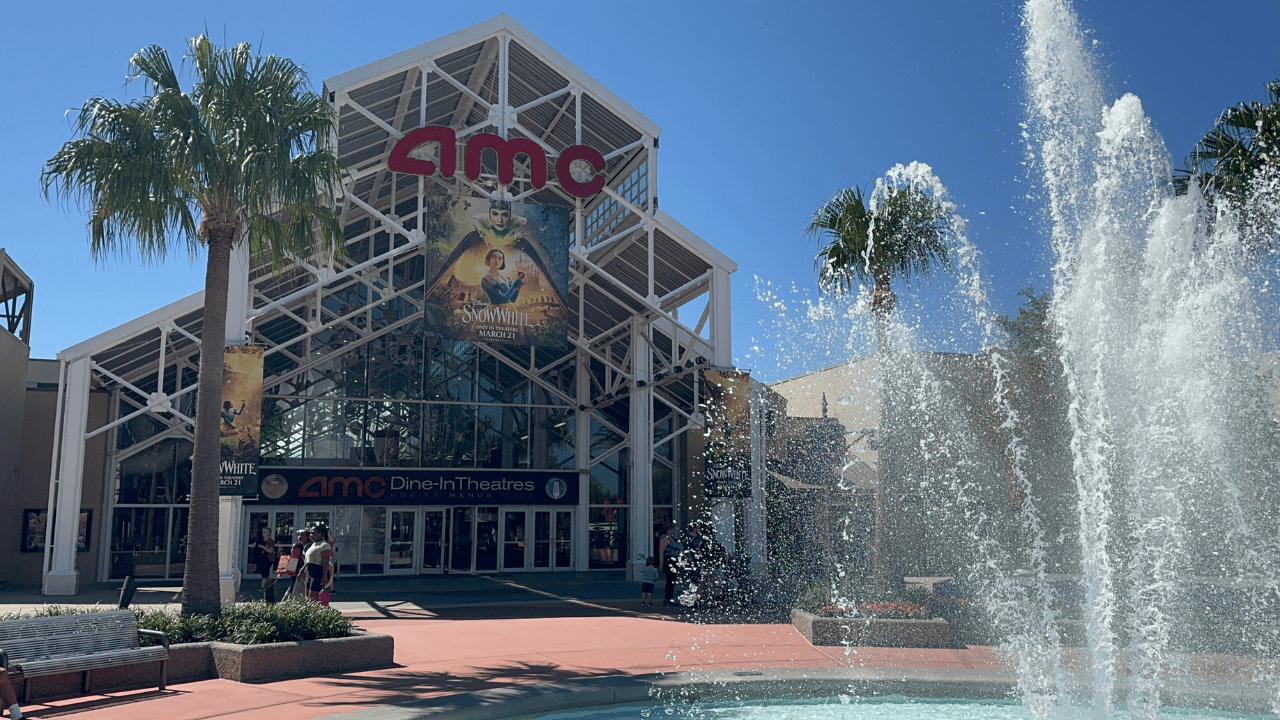
A movie theater at Disney Springs – Photo Credit: M. Montanaro
Cinema United is seeking enforceable protections for exhibitors, including commitments concerning the number of movies receiving wide theatrical releases, exhibition fees, and continued access to the studios’ film libraries.
That sounds considerably more productive than attempting to destroy the transaction outright.
Paramount has already pledged that Warner Bros. and Paramount would remain separate studio operations and that the combined company would release approximately 30 movies theatrically every year.
If theater owners want additional guarantees, put them into an enforceable settlement.
But it becomes harder to argue that this merger must be stopped in order to save movie theaters when the country’s biggest movie theater operators themselves are telling regulators they’re prepared for it to proceed.
Bonta Blames Paramount for the Financial Risk
Bonta rejected Paramount’s bond demand, arguing that the company knowingly negotiated the ticking fee into its Warner Bros. acquisition agreement.
He told Reuters, “Paramount went into this process with eyes wide open. They are lying in a bed of their own making.”
That explanation only goes so far.
Yes, Paramount voluntarily accepted the ticking fee.
But Paramount did so while pursuing a transaction that has subsequently been cleared by the Justice Department and regulators across most of the world. It’s the state lawsuit that now threatens to extend proceedings well past Paramount’s September deadline and potentially into the middle of next year.
Paramount Pictures Logo – YouTube, ClosingLogosHD
The states are entitled to bring their case.
Paramount is equally entitled to argue that taxpayers should not give government officials a risk-free opportunity to inflict nearly $2 billion in losses on a company if those officials cannot ultimately prove their case.
The court will decide whether Paramount’s requested bond is legally justified and whether the full $1.88 billion figure is appropriate.
But politically, Paramount has put Bonta and the other attorneys general in an uncomfortable position.
They insist this merger is so damaging that it must be stopped despite an eight-month Justice Department investigation, approval from regulators across dozens of countries, and growing support from the very theater companies they claim need protection.
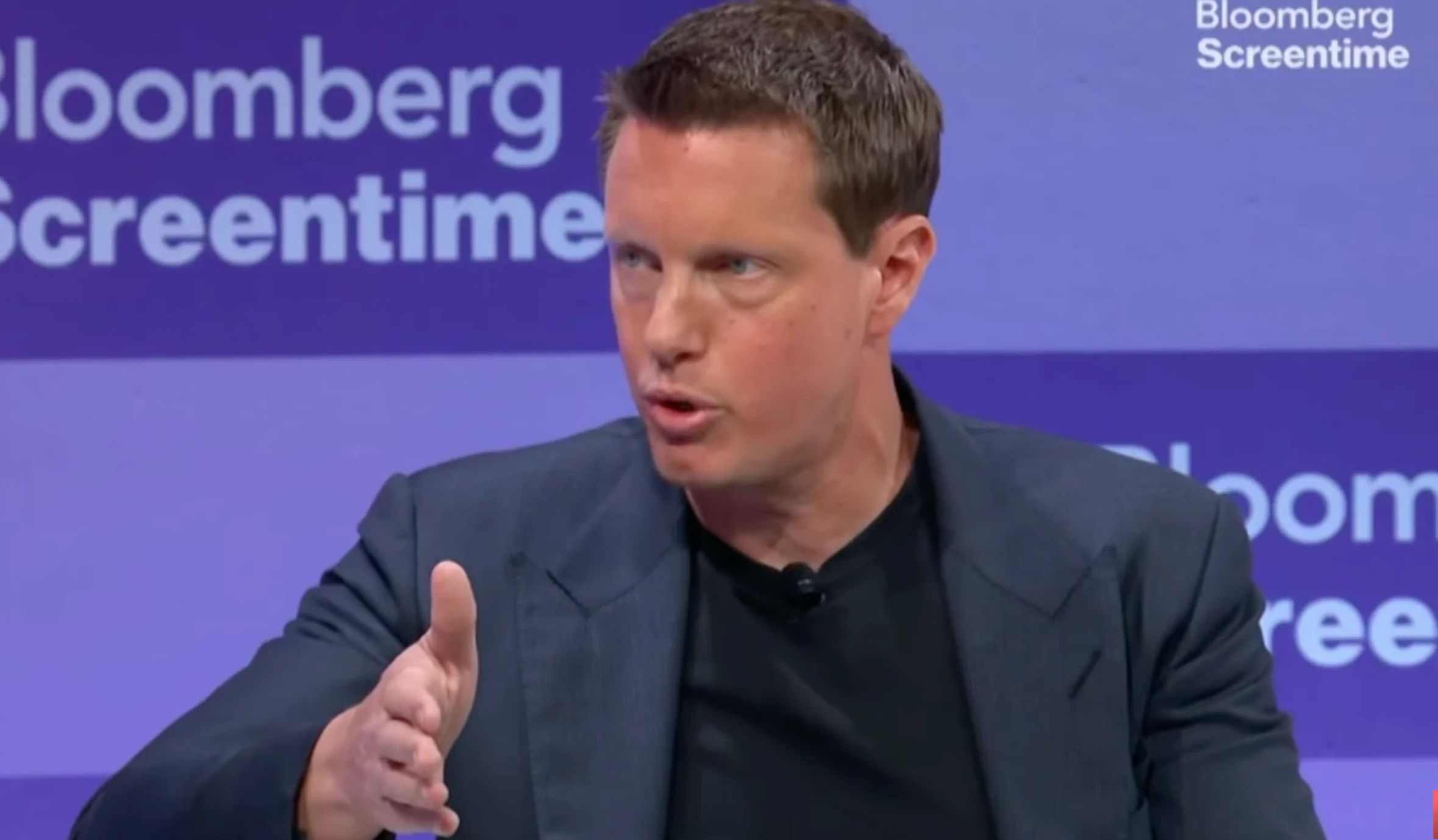
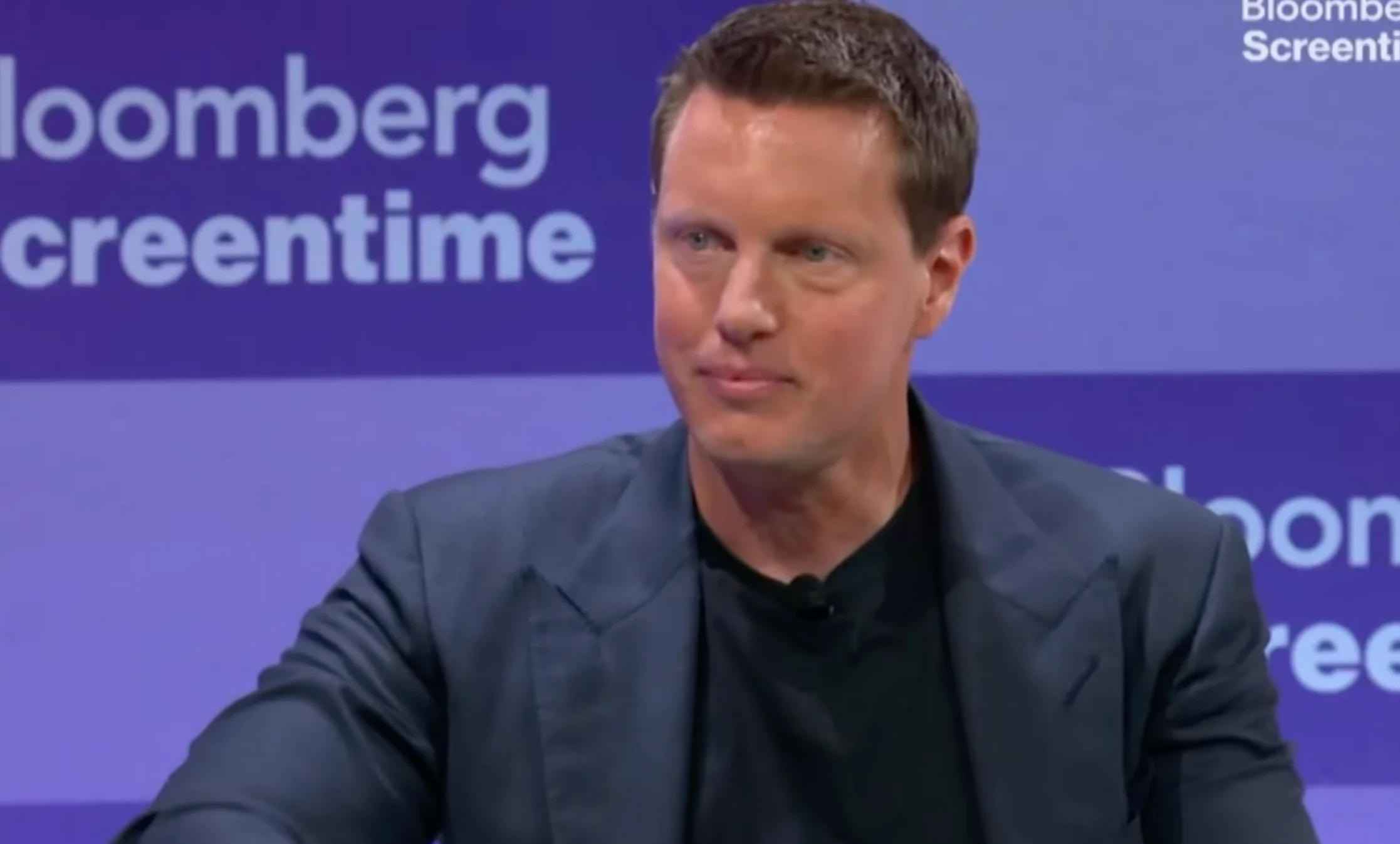
David Ellison in an interview with Bloomberg – YouTube, Bloomberg Podcasts
Now Paramount is effectively asking them to put their money where their lawsuit is.
If these states are confident enough to gamble billions of dollars belonging to Paramount and its shareholders, perhaps they should have some skin in the game as well.
Do you think Paramount will succeed in securing a bond from the suing states? Sound off and let us know!
