


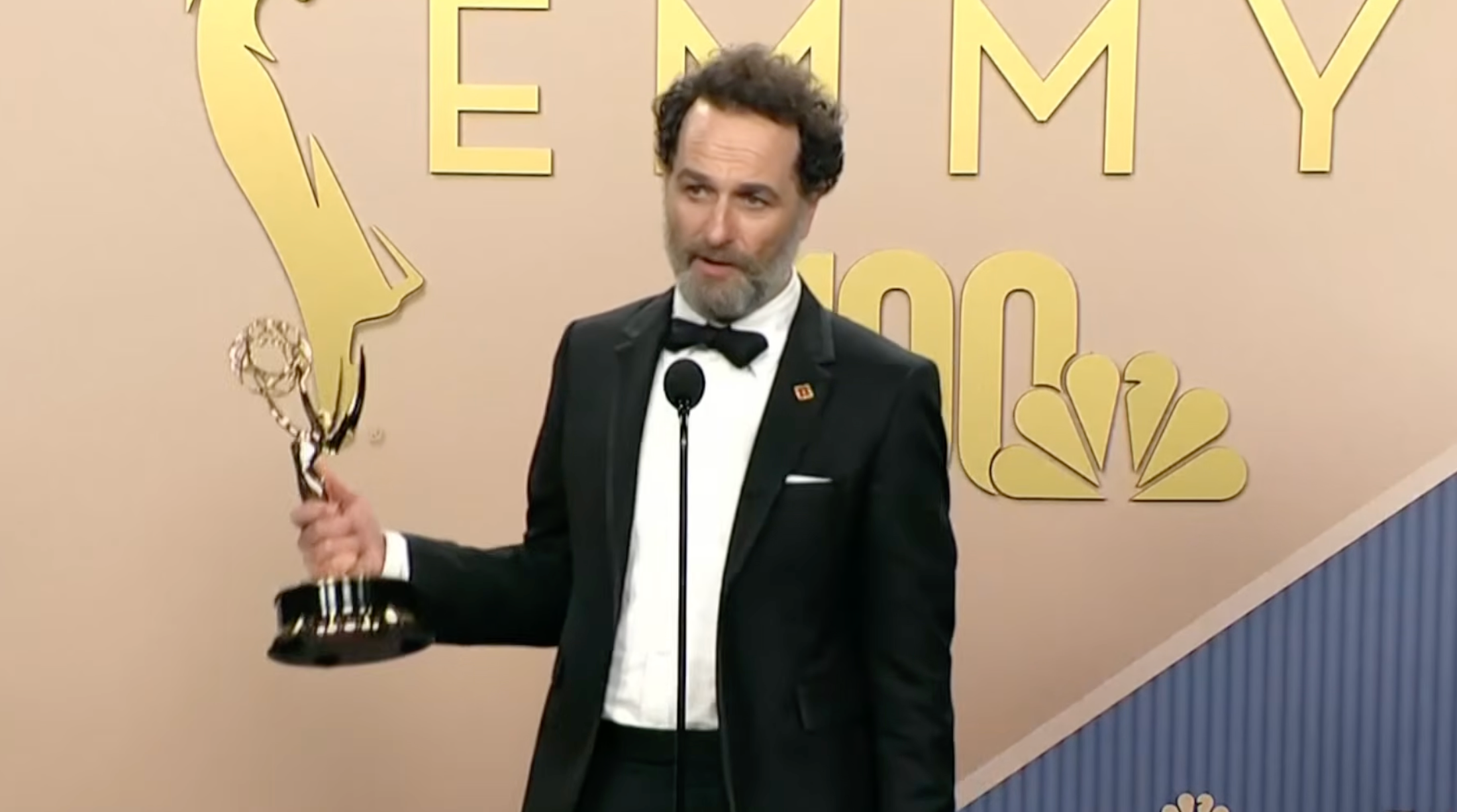
Variety is upset about the racial makeup of this year’s major Emmys acting winners, going so far as to describe Matthew Rhys’ historic victory over Oscar Isaac as coming at a “cost to the diversity ledger.”
That remarkable characterization raises a much larger question about Hollywood’s approach to awards: Are trophies supposed to recognize the performances voters consider the best, or are the winners expected to collectively satisfy a predetermined demographic outcome?
Because if it’s the latter, the entire purpose of an awards competition becomes increasingly difficult to understand.
Variety Revives ‘Emmys So White’
Following the 78th Emmy Awards, Variety published an article titled “Emmys So White Part 2: No Actors of Color Win Major Acting Prizes on TV’s Biggest Night.”
Writer Clayton Davis characterized the results as “another unfortunate” installment of #EmmysSoWhite because all 12 lead and supporting acting trophies across drama, comedy, and limited series went to performers outside what Variety describes as “underrepresented communities.”
Yet Variety’s own article acknowledges that 17 performers of color were nominated across those categories.
The article’s concern, therefore, isn’t that actors of color were prohibited from competing or completely excluded from nominations.
It’s that they didn’t win.
Variety also highlights a 39% decline in nominees of color from the previous year’s 28, along with a substantial decline from 2021, when the publication counted 49 actors and hosts of color among the nominees.
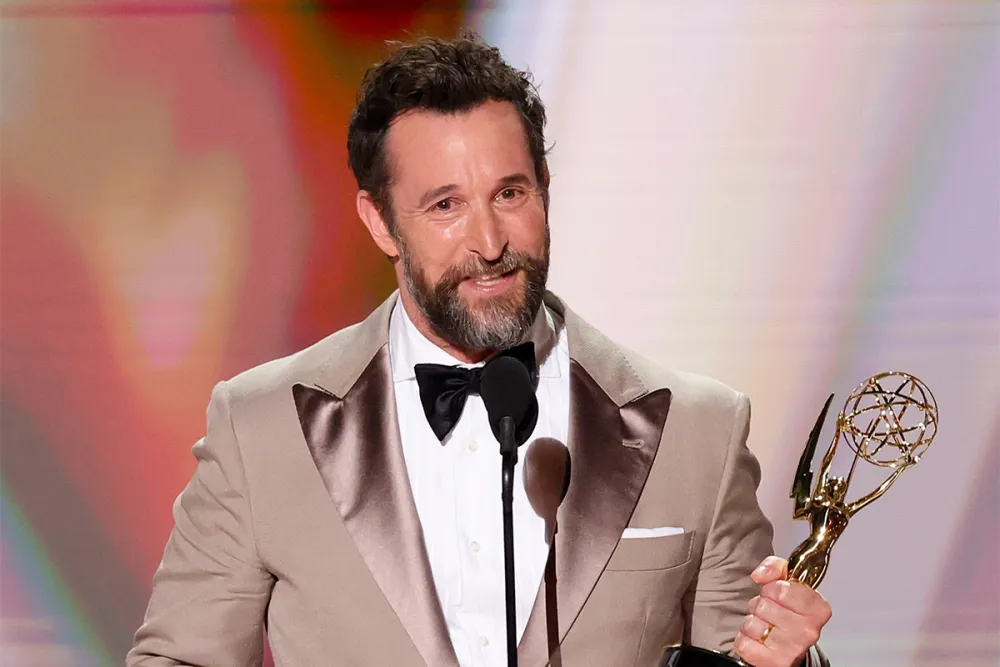
Noah Wyle at the Emmys – NBC
READ: Huge Fights Breaks Out in EPCOT as Guests Come to Blows in Guardians Queue
Those numbers can certainly inspire a conversation about which shows and performances are being recognized by Emmy voters.
But the demographic makeup of the eventual winners is a separate matter.
If awards are determined on merit, there is no guarantee that the resulting winners in any individual year will produce a particular racial distribution.
Matthew Rhys’ Historic Night Becomes a ‘Cost’ for Diversity
The most striking passage concerns Matthew Rhys.
Rhys had a historic Emmy night, becoming the first performer to win two lead acting Emmys during the same ceremony. He won Outstanding Lead Actor in a Comedy Series for Widow’s Bay and Outstanding Lead Actor in a Limited or Anthology Series or Movie for The Beast in Me.
His victory in the latter category came against Oscar Isaac, who Variety notes would have become the third Latino actor to win that particular award.
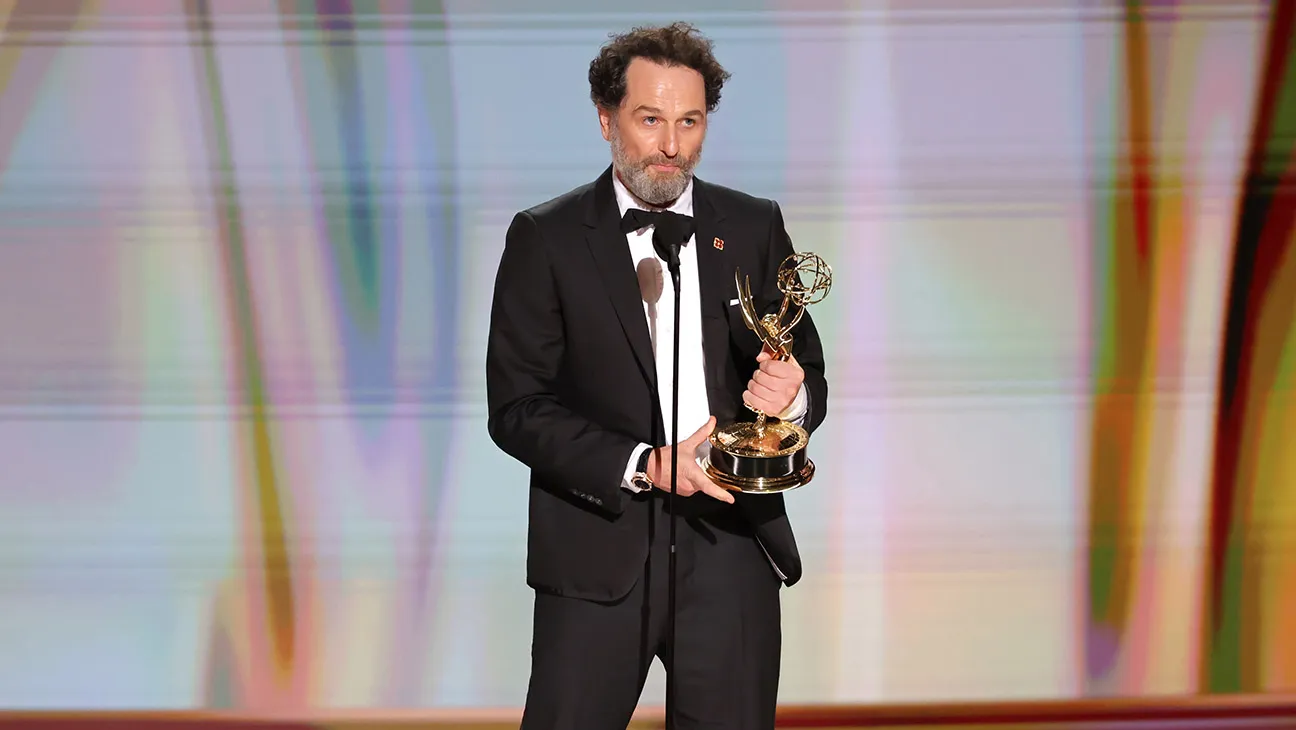
Matthew Rhys at the Emmys – NBC
Variety consequently described the result this way: “His limited series victory came at a cost to the diversity ledger.”
That is an extraordinary lens through which to view an acting award. The article doen’t establish that Isaac delivered an objectively superior performance, nor does it present evidence that Emmy voters rejected Isaac because of his ethnicity.
It doesn’t establish that Rhys was undeserving either.
Instead, Rhys’ victory itself becomes a negative entry on what Variety literally calls a “diversity ledger” because of the respective backgrounds of the two actors.
At that point, the conversation has moved beyond equal opportunity and toward evaluating the legitimacy of an outcome based upon race.
Shouldn’t the Best Performance Win?
If Variety believes Oscar Isaac deserved the Emmy instead of Matthew Rhys, there is an obvious argument to make.
Compare their performances.
Explain why Isaac’s work was superior. Point to particular scenes, acting choices, or the difficulty of the respective roles. Argue that Emmy voters overlooked the better performance.
READ: Blizzard Just Saved Xbox: World of Warcraft and Heroes of the Storm Are Likely Coming to Consoles
That’s actual criticism.
Instead, the article repeatedly emphasizes demographic statistics. Those statistics tell readers who won and who lost, not who deserved to win.
A fair competition means people receive the opportunity to compete under the same rules and are ultimately judged according to their work. It doesn’t mean the results must always produce a predetermined demographic balance.
Once the outcome itself must conform to racial expectations, merit inevitably becomes secondary whenever those two goals conflict.
Look at Who Actually Won
It’s also worth considering the performers Variety is effectively putting on the other side of its “diversity ledger.”
- Noah Wyle won Outstanding Lead Actor in a Drama Series for The Pitt.
- Rhea Seehorn won Outstanding Lead Actress in a Drama Series for Pluribus.
- Jean Smart added another Outstanding Lead Actress in a Comedy Series Emmy for Hacks.
- Allison Janney reached eight career acting Emmy victories, tying the record held by Julia Louis-Dreyfus and Cloris Leachman.
- And Matthew Rhys made Emmy history.
There is plenty of room to debate whether any of those performers deserved to win their respective categories. Awards criticism has existed as long as awards themselves.
But Variety offers no evidence that these actors prevailed because they were White or that their competitors lost because they were not. The racial makeup of the winners is nevertheless presented as evidence that something went wrong.
People of Color Won Elsewhere
The racial framing becomes even stranger because people of color did, in fact, win Emmys during this awards cycle.
Variety itself acknowledges that Ernest Harden Jr. won Guest Actor in a Drama Series for The Pitt, while Octavia Spencer won for narrating Lost Women of Alaska.
Variety also celebrated Hiro Murai becoming the first Asian filmmaker to win Outstanding Directing for a Comedy Series for Widow’s Bay.
Those accomplishments don’t fit neatly into an “Emmys So White” narrative, so the argument is narrowed specifically to the 12 acting categories Variety considers major.
That creates a peculiar situation in which so-called “diversity milestones” can occur at the very same Emmy Awards that are nevertheless presented as suffering from a diversity problem.
What Would Count as a Fair Result?
Toward the end of the article, Davis wonders when people of color will receive what he calls a “fair and proper shake” and expresses hope for a future that is “more inclusive and colouful.”
But that raises a question Variety never answers. What constitutes a sufficiently diverse result?
Would one winner of color among the 12 major acting categories have made the results fair? Should the distribution match the racial demographics of the United States? The television industry? The nominees? Television audiences?
And what happens when voters genuinely believe the year’s strongest performances don’t produce that desired demographic outcome?
Those questions are central to determining what an Emmy is actually supposed to represent.
Awards Mean Something Because Everyone Can Lose
Hollywood spent years arguing that awards bodies needed to expand opportunities and ensure talented performers from different backgrounds received serious consideration.
That’s a reasonable discussion. But equal consideration can’t mean guaranteed outcomes.
Seventeen performers of color received nominations in the categories Variety is discussing. They had the opportunity to win. This year, other performers received more votes.
Perhaps some of those decisions were wrong. If so, make the case based on the performances.
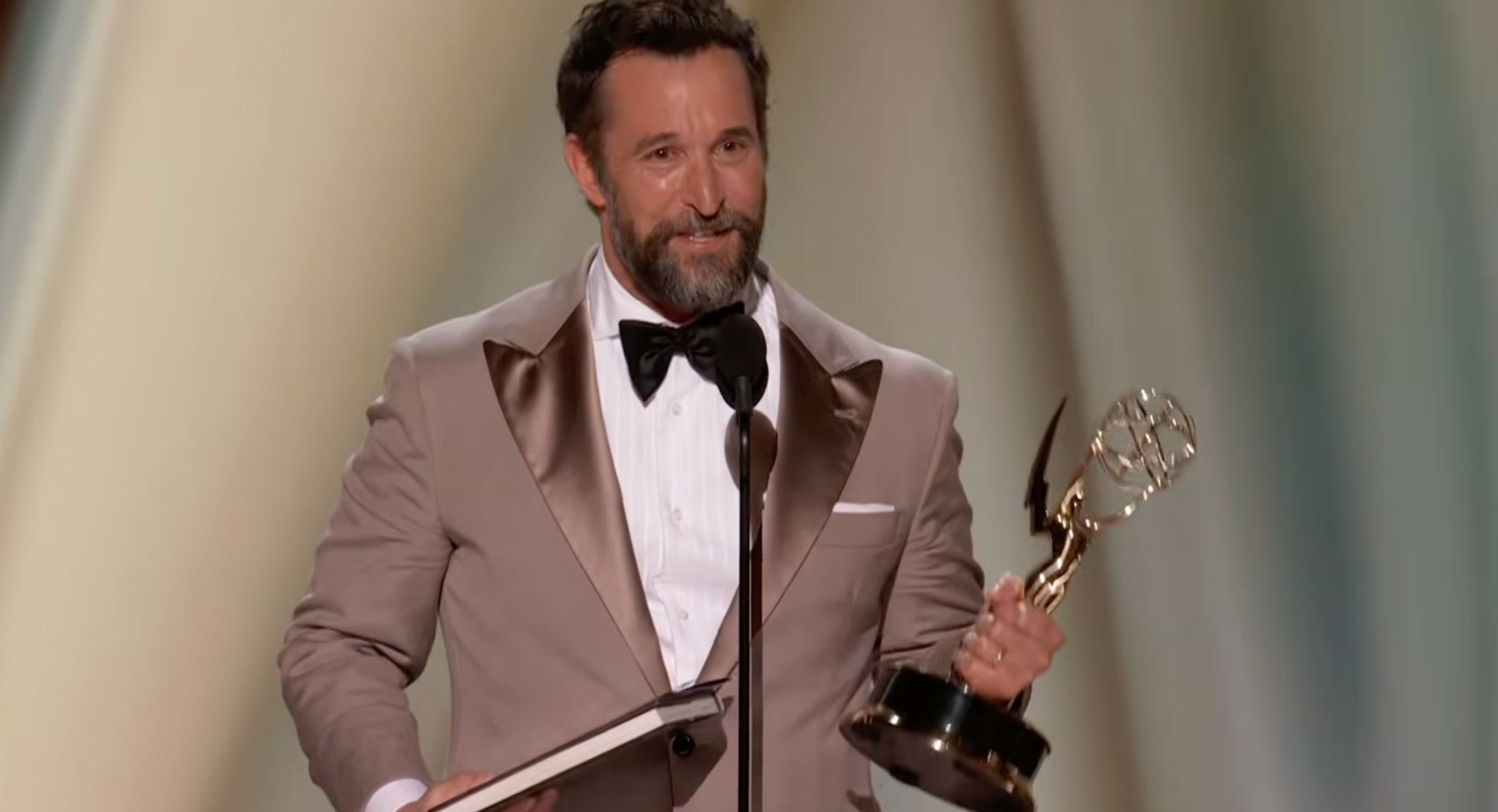
Noah Wyle at the Emmys – NBC
Race shouldn’t be the deciding factor in whether Matthew Rhys deserves an Emmy any more than it should determine whether Oscar Isaac deserves one.
The entire value of an award comes from the idea that everyone enters the competition capable of winning — and capable of losing.
Once a victory itself becomes a negative entry on a “diversity ledger” because the winner has the wrong skin color for the desired statistical outcome, the award is no longer being discussed primarily as recognition of artistic achievement.
It’s being treated as a demographic allocation. And if that’s what Hollywood wants its awards to become, it should at least be willing to say so.
How do you feel about Variety and its comments about the Emmys? Sound off and let us know!
UP NEXT: Trump Blasts “Sick Conspiracy” Against AI — Calls Out Anthropic CEO Specifically
