


The ongoing Paramount battle to acquire Warner Bros. Discovery took a massive step toward its conclusion Monday after California Attorney General Rob Bonta and 11 other state attorneys general agreed to settle their antitrust lawsuit challenging the blockbuster merger.
The agreement removes the government lawsuit that had threatened to delay the transaction until at least 2027 and potentially cost Paramount billions of dollars in the process.
Variety reports that Paramount and the coalition of states have reached a settlement, while Reuters reports that the agreement clears a major hurdle standing in the way of completing the roughly $110 billion Warner Bros. Discovery transaction.
After months of litigation, threats, negotiations, and increasingly bitter public exchanges, Paramount has now eliminated the government case that represented the transaction’s biggest remaining obstacle.
Paramount and the States Make a Deal
Bonta had led the coalition of 12 states seeking to block the Paramount-Warner Bros. merger on antitrust grounds.
The states argued that combining the two entertainment companies could reduce competition throughout Hollywood, while Paramount fiercely disputed those claims and increasingly turned up the pressure on its opponents.
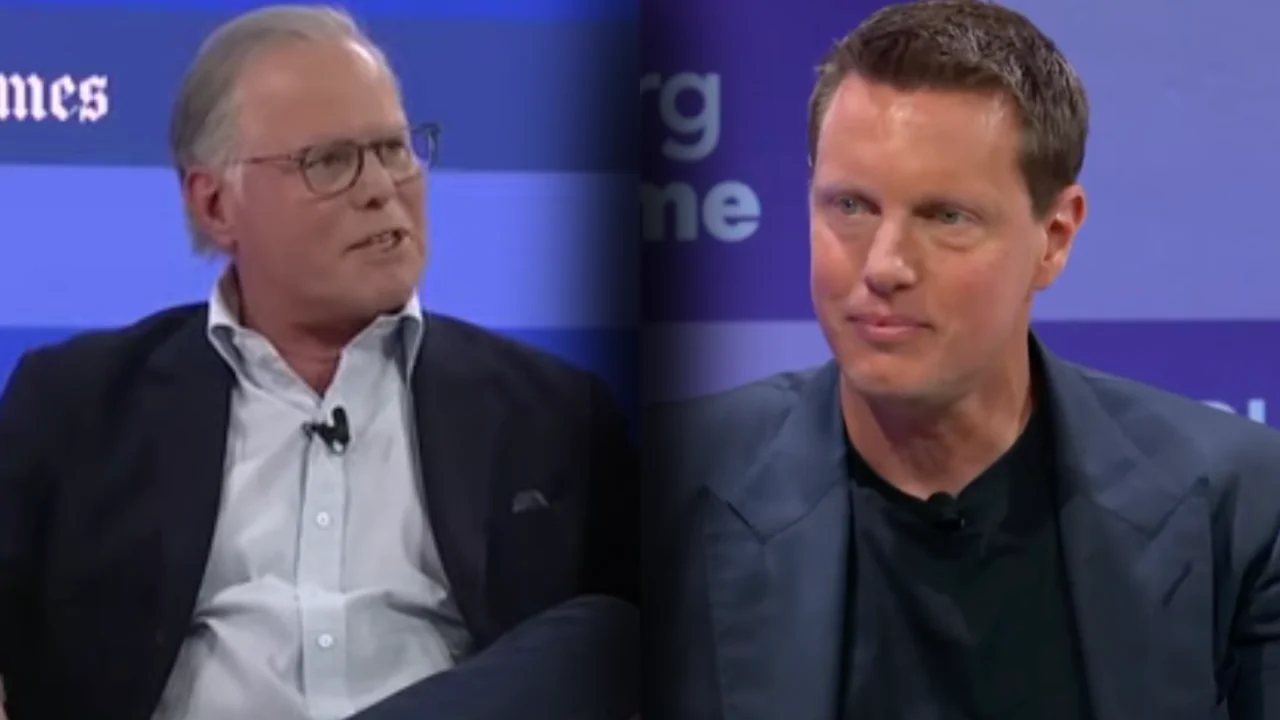
Source Photo Credit: YouTube, New York Times Events; YouTube, Bloomberg Podcasts
READ: Street Fighter Movie Releasing Popcorn Bucket You Can Wear On Your Head
Earlier this month, Paramount sought a massive $1.88 billion bond from the states, arguing that it should be protected against the financial consequences of delaying the merger while the lawsuit proceeded toward its scheduled March 2027 trial.
The U.S. Department of Justice subsequently backed Paramount’s position that a bond should be required.
Paramount faced a reported $7 million-per-day ticking fee beginning October 1 if the transaction remained unfinished, creating the possibility that continued litigation could cost the company more than $1 billion.
That courtroom showdown now appears to have been avoided.
Four Holdout States Finally Agree
Four members of the coalition — Massachusetts, New York, Connecticut, and Minnesota — reportedly resisted the developing settlement with Paramount and believed the proposed terms didn’t go far enough.
Their opposition threatened to complicate Bonta’s attempt to resolve the case.
According to reporting cited by Reuters, however, the four holdout states ultimately conceded following negotiations over the weekend.
Paramount Makes Major Commitments
The settlement reportedly contains several significant concessions from Paramount.
Among the most substantial is Paramount’s commitment to release 30 theatrical movies annually. That promise reportedly comes with an unusually large enforcement mechanism. According to Reuters, Paramount could face a $30 million penalty for every movie it falls short of the annual requirement.

Logos for Paramount Skydance and Warner Bros. – Paramount, WB
For an entertainment industry that has watched major studios increasingly reduce theatrical output while prioritizing streaming, the provision could prove significant for both Paramount and Warner Bros.
Other potential concessions surfaced during the negotiations, including a reported $1.5 billion investment in California film and television production, commitments involving studio lots, and potential cable-channel divestitures.
However, those provisions should not yet be treated as confirmed final terms unless they appear in the completed settlement agreement.
The California Fight Appears to Be Over
The settlement also potentially defuses an increasingly hostile confrontation between Paramount and California.
Reports recently emerged that Paramount was exploring office space in Nashville as speculation intensified that the company could eventually move substantial operations away from California.
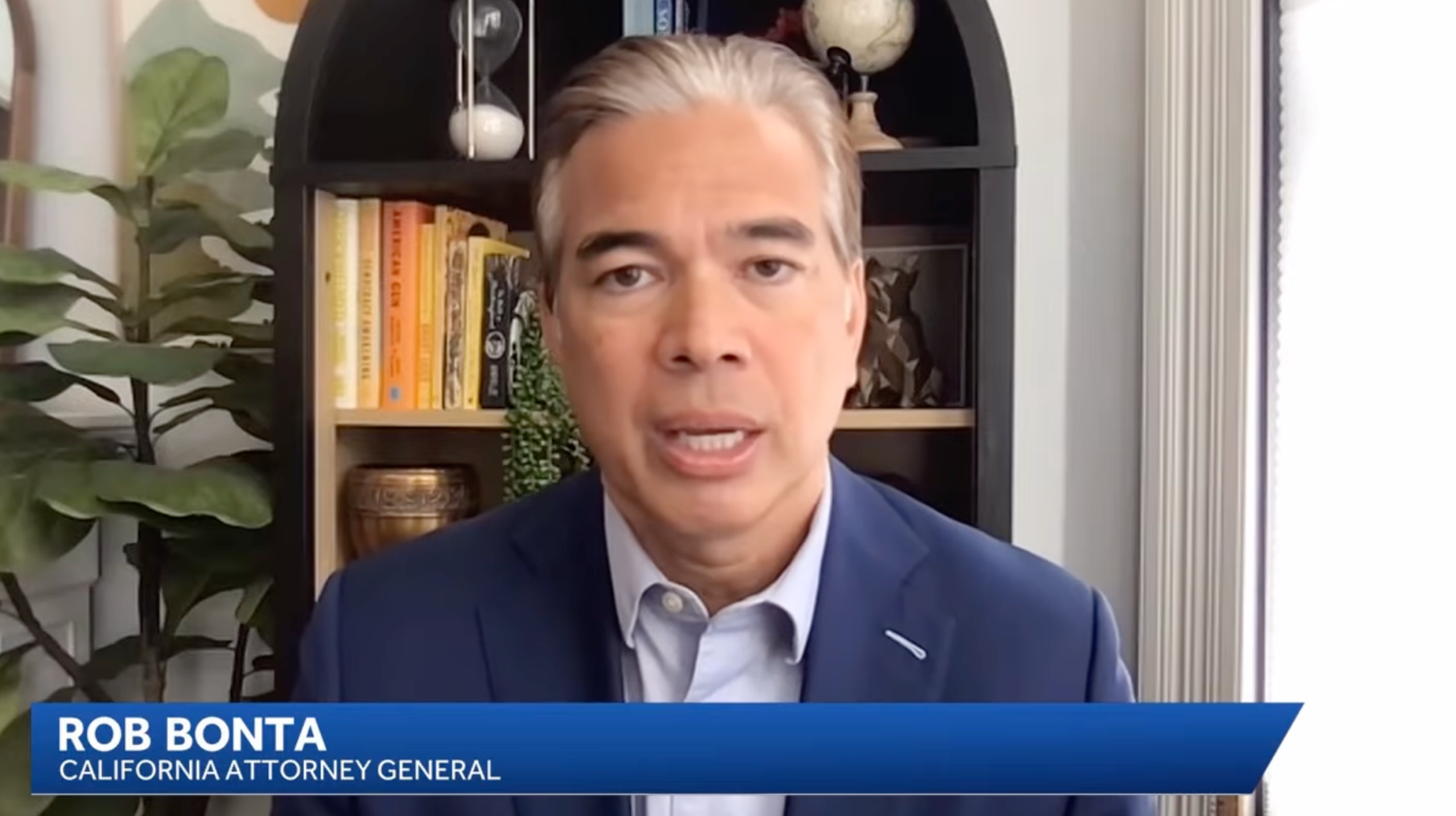
California Attorney General Rob Bonta – YouTube, KCRA 3
READ: Ed Sheeran Addresses Israel Gaza Controversies Ahead of Concert Amid Mounting Activist Pressure
Bonta publicly dismissed attempts to blame California officials for such a decision, arguing that responsibility for moving jobs would rest with Paramount.
The possibility carried potentially enormous economic consequences for California’s entertainment industry, particularly amid the broader migration of film and television production away from the state.
Paramount Moves Closer to Taking Control of Warner Bros.
The consequences of the merger will stretch across virtually every corner of the entertainment industry.
If and when the transaction formally closes, Warner Bros. Pictures, HBO, CNN, DC Studios, and Warner Bros.’ enormous film and television library will come under Paramount’s corporate umbrella.
That will immediately shift attention toward what David Ellison and Paramount intend to do with the company.

The logo for Paramount Skydance – Paramount
Questions surrounding Warner Bros. leadership, theatrical production, streaming, CNN, and the future direction of DC Studios could quickly move from merger speculation to corporate reality.
For months, Bonta and the coalition of state attorneys general represented one of the biggest threats to Paramount’s Warner Bros. ambitions.
That battle is now effectively over.
Are you surprised Paramount was able to come to an agreement with Bonta? Sound off and let us know!
UP NEXT: ‘Resident Evil’ Sets a Opening-Day Record for The Franchise Amid Divided Audience Reception
