


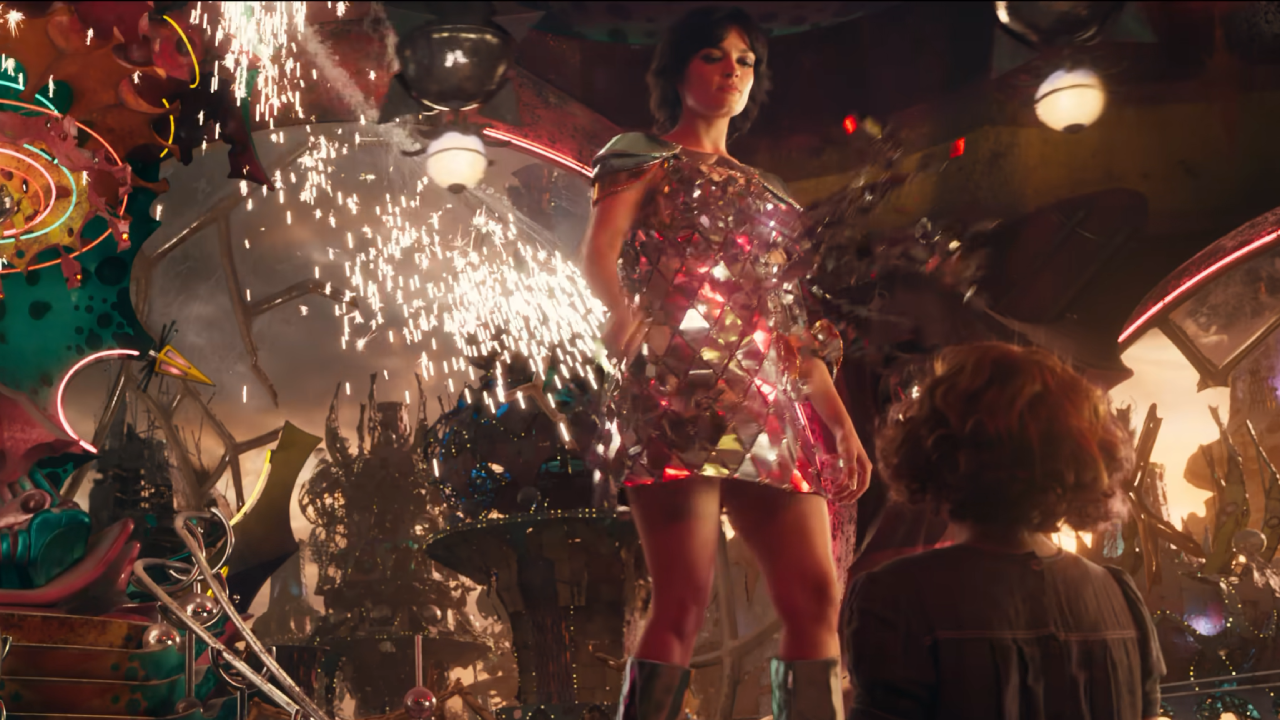
Greta Gerwig is once again emphasizing the importance of faith in her upcoming Netflix adaptation of The Chronicles of Narnia. However, the filmmaker’s latest comments are drawing renewed attention to some of her more controversial creative decisions, particularly her unconventional interpretation of Aslan, the character C.S. Lewis explicitly associated with Jesus Christ.
During an October 13 promotional event for Narnia: The Magician’s Nephew at New York City’s AMC Lincoln Square, Gerwig discussed her adaptation with television host Stephen Colbert. Their conversation explored the religious foundations of Lewis’s beloved fantasy series, Gerwig’s personal experiences with faith, and the spiritual themes she hopes to communicate through her film.
According to NarniaWeb’s account of the event, Colbert specifically asked Gerwig about Lewis’s Christianity and how it influenced her approach to the material.
Gerwig responded by discussing her experiences singing in church choirs and the similarities she sees between religious gatherings and audiences coming together to watch movies.
“Film and faith have always gone hand in hand,” Gerwig explained.
She also characterized filmmaking itself as an act of faith.
While Gerwig’s comments reflect a personal understanding of spirituality, they raise an important question about her adaptation: Will the film preserve the distinctly Christian theology that inspired Lewis, or will those beliefs be reinterpreted through a broader, more contemporary understanding of faith?
Christianity Is Central to C.S. Lewis’s Narnia
For Lewis, Christianity wasn’t simply one influence among many. His religious convictions provided the foundation for the moral and spiritual universe he created.
The author, whose theological works include Mere Christianity and The Screwtape Letters, deliberately incorporated Christian concepts into his fantasy storytelling.
Nowhere is that connection more significant than with Aslan.
The great lion serves as the divine authority within Narnia, creating the world through song in The Magician’s Nephew and later sacrificing himself to save Edmund Pevensie in The Lion, the Witch and the Wardrobe.
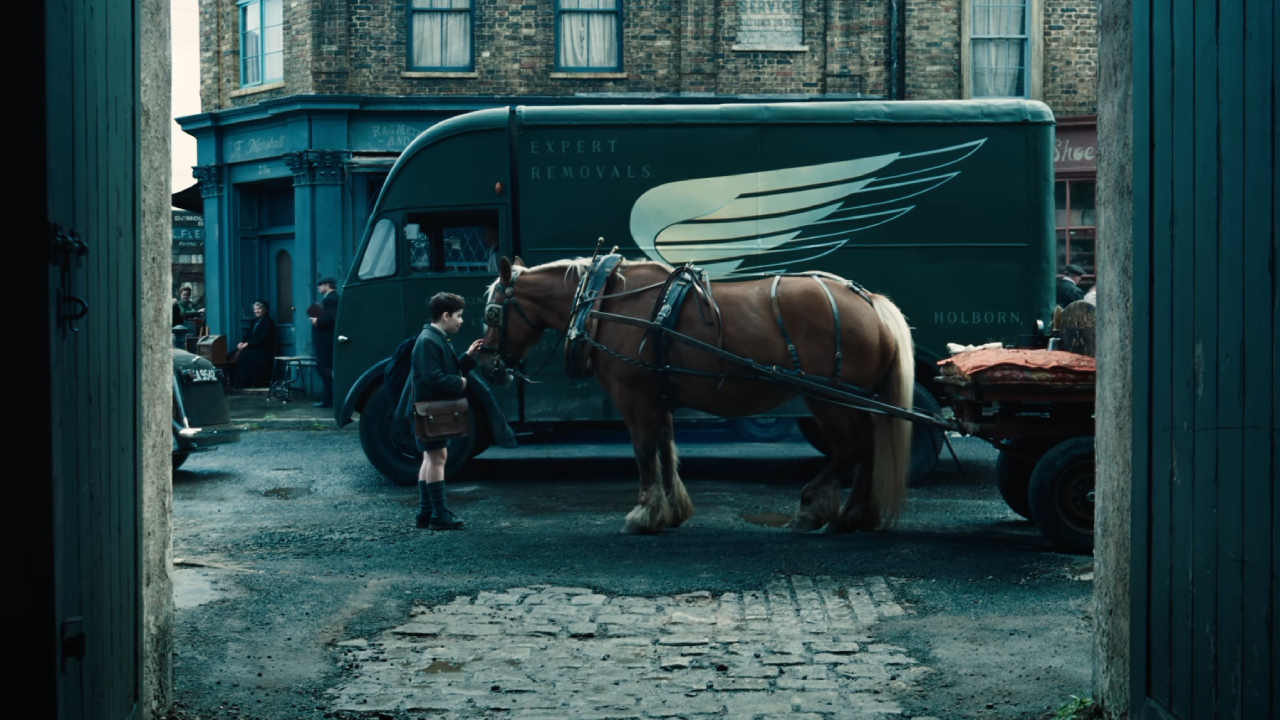
An image from Greta Gerwig’s Narnia film – Netflix, YouTube
READ: BBC Set to Create Docuseries on J.K. Rowling — Is This a Hit Piece?
Aslan’s sacrifice and subsequent resurrection closely parallel the death and resurrection of Jesus Christ.
Lewis himself explained that Aslan was intended to represent how Christ might appear in another world if something like Narnia existed.
Consequently, changes to Aslan’s characterization carry theological implications that extend beyond ordinary creative liberties.
And Gerwig has already made several decisions that have generated questions among longtime readers.
Meryl Streep and David Bowie Inspire a Different Aslan
One of the most controversial aspects of Gerwig’s adaptation is her decision to cast Meryl Streep as the voice of Aslan.
The character has consistently been portrayed as male throughout Lewis’s novels. In Disney and Walden Media’s earlier theatrical adaptations, Liam Neeson provided Aslan’s voice.
Gerwig’s decision to cast a female performer therefore represents a significant departure from previous interpretations.
In comments reported by TheWrap, Gerwig explained that she wanted an actor capable of communicating wisdom, emotional depth, and a sense of wonder.The decision has raised concerns about whether the filmmaker is altering the presentation of Lewis’s Christ figure.
Those concerns have been amplified by Aslan’s unusual visual design.
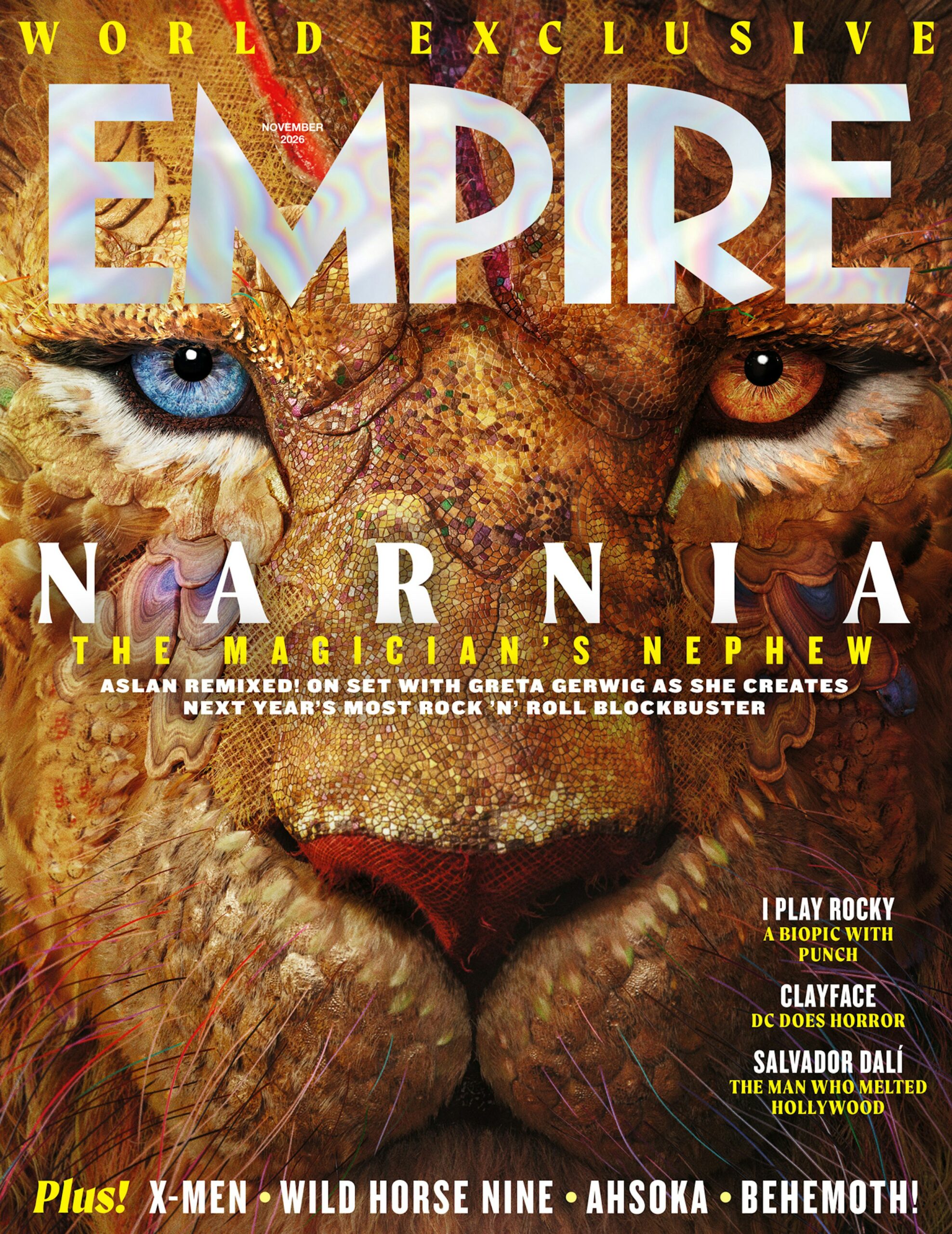
Greta Gerwig’s Aslan in Narnia – Empire
Gerwig has revealed that David Bowie influenced the character’s appearance, including his distinctive eyes and facial markings.
Bowie became famous for his theatrical performances and androgynous artistic personas, particularly Ziggy Stardust, which challenged traditional expectations surrounding masculine and feminine presentation.
Promotional imagery of Aslan has also featured rainbow-colored elements, including multicolored whiskers.
The combination of a female voice, Bowie-inspired aesthetics, and rainbow imagery has invited speculation about whether Gerwig is introducing gender-fluid symbolism into the character.
There is currently no confirmation that this is her intention. Reports from the promotional event indicate that Aslan remains male in the film, and Gerwig herself continues to refer to the character using masculine pronouns.
Nevertheless, the creative decisions introduce associations that were not present in Lewis’s original depiction.
For audiences who regard Aslan’s Christian symbolism as essential to the novels, those choices understandably raise questions.
Gerwig’s Research Into Lewis Makes the Debate More Complicated
Despite the controversy, Gerwig has demonstrated considerable familiarity with Lewis’s writings.
During the promotional event, she discussed studying not only the Narnia novels but also the author’s theological works.
According to NarniaWeb, Gerwig explored Mere Christianity, The Screwtape Letters, and Surprised by Joy, alongside books and authors that influenced Lewis himself.
She also visited locations associated with his life, including Oxford, Cambridge, and Belfast.
Her preparation suggests that she recognizes the importance of understanding Lewis beyond his fantasy novels.
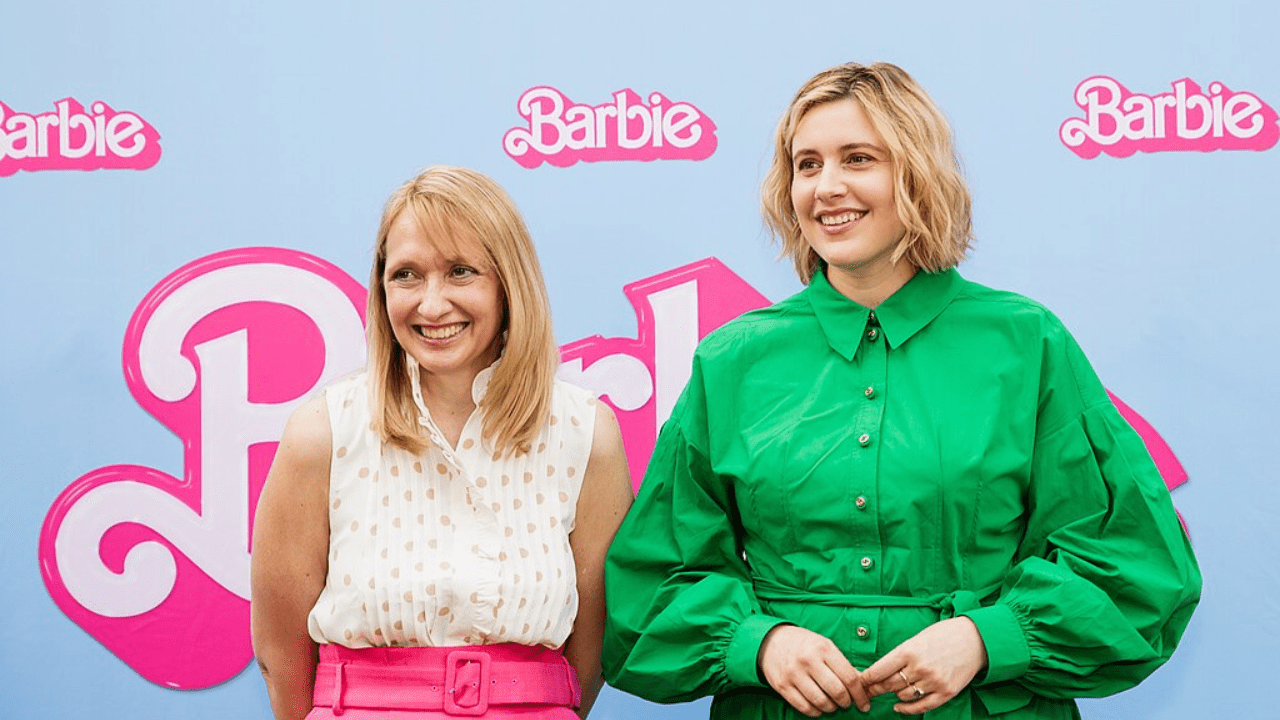
Director Greta Gerwig at the Barbie movie reception at the British Embassy in Washington, DC. Photo Credit: UKinUSA, CC BY-SA 2.0 <https://creativecommons.org/licenses/by-sa/2.0>, via Wikimedia Commons
READ: Disney is Lead Bidder for Character.AI Assets After Hiring Former CEO
However, familiarity with an author’s beliefs doesn’t necessarily guarantee that an adaptation will preserve those beliefs.
Gerwig’s interpretation of Led Zeppelin’s Stairway to Heaven, which accompanies the film’s promotional trailer, offers another example of how she approaches the material.
The filmmaker connected the song to spiritual journeys, false idols, and the consequences of following destructive paths.
These themes are certainly relevant to The Magician’s Nephew, particularly in its exploration of temptation, selfishness, and the corrupting influence of power. The novel’s depiction of Jadis, the future White Witch, provides a particularly clear example of those ideas.
Yet Lewis’s religious worldview extends beyond general warnings about temptation or the pursuit of false idols. His stories are grounded in specific Christian concepts of divine authority, sin, sacrifice, and redemption.
Whether Gerwig’s adaptation retains those theological foundations remains to be seen.
How Far Can an Adaptation Depart From Its Source Material?
Gerwig has already made other notable changes to The Magician’s Nephew, including relocating the story’s historical setting from approximately 1900 to the 1950s.
Such alterations are hardly unusual in literary adaptations, and filmmakers frequently modify timelines, dialogue, and individual scenes to accommodate a different medium.
However, changes involving a character’s religious symbolism can carry considerably greater significance.
For generations of readers, The Chronicles of Narnia has occupied a distinctive place in children’s literature because it combines imaginative fantasy with an unmistakably Christian worldview.
Lewis did not merely borrow religious imagery to make his stories more dramatic. His understanding of Christianity informed the moral principles governing the world he created.
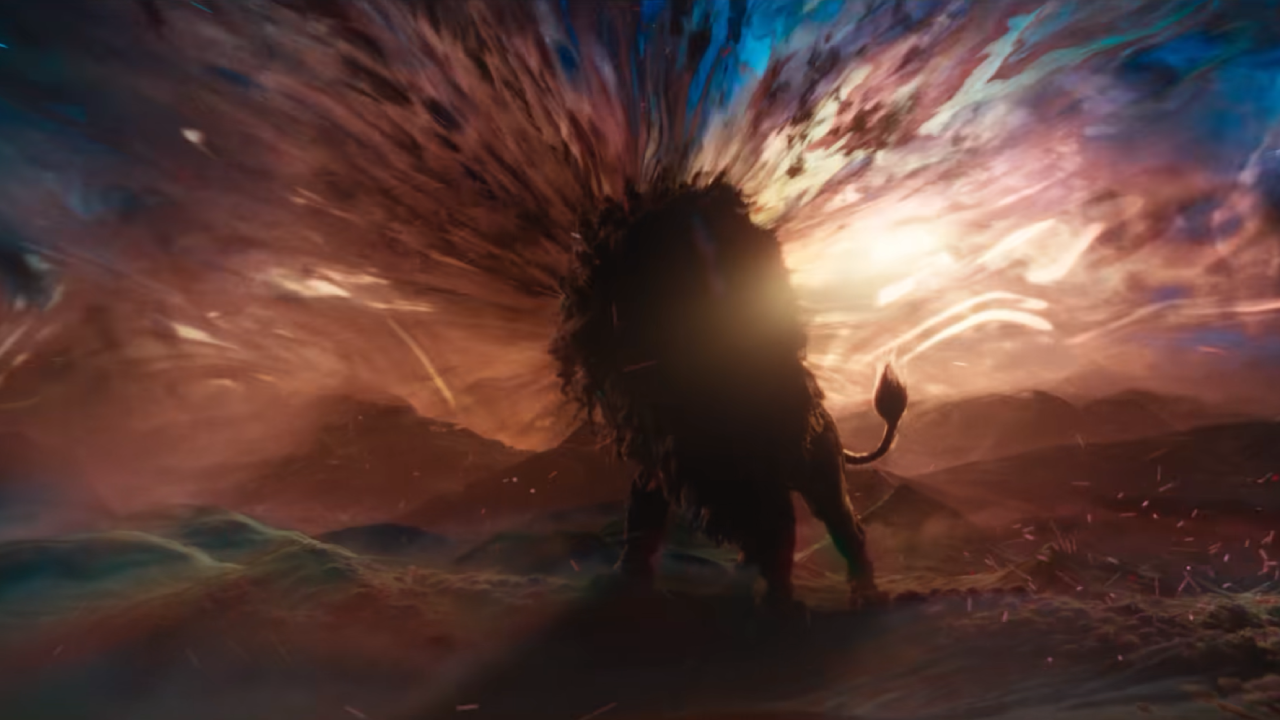
Aslan in Greta Gerwig’s Narnia – Netflix, YouTube
Gerwig’s adaptation presents an opportunity to introduce those stories to a new generation, potentially inspiring audiences to explore both the novels and Lewis’s other writings.
But it also creates a responsibility to consider what made the original works meaningful to their readers.
The filmmaker’s extensive research and repeated expressions of admiration for Lewis suggest that she takes the assignment seriously. At the same time, her unconventional interpretation of Aslan has left some audiences questioning whether her creative priorities align with the author’s intentions.
Ultimately, the finished film will provide a clearer answer than promotional interviews or character artwork.
Netflix’s Narnia: The Magician’s Nephew is scheduled for a theatrical release on February 12, 2027, followed by its streaming debut on April 2.
Until then, Gerwig’s comments about faith are likely to remain part of the conversation surrounding her adaptation.
The central question isn’t whether Greta Gerwig believes faith belongs in Narnia. It’s whether the faith depicted in her Narnia will resemble the Christianity that C.S. Lewis placed at the heart of his stories.
How do you think Greta Gerwig will do when she brings Narnia to Netflix? Sound off and let us know!
UP NEXT: Netflix Slashes 1,000 Jobs — Hollywood’s Streaming Layoff Crisis Deepens as YouTube Rises
