


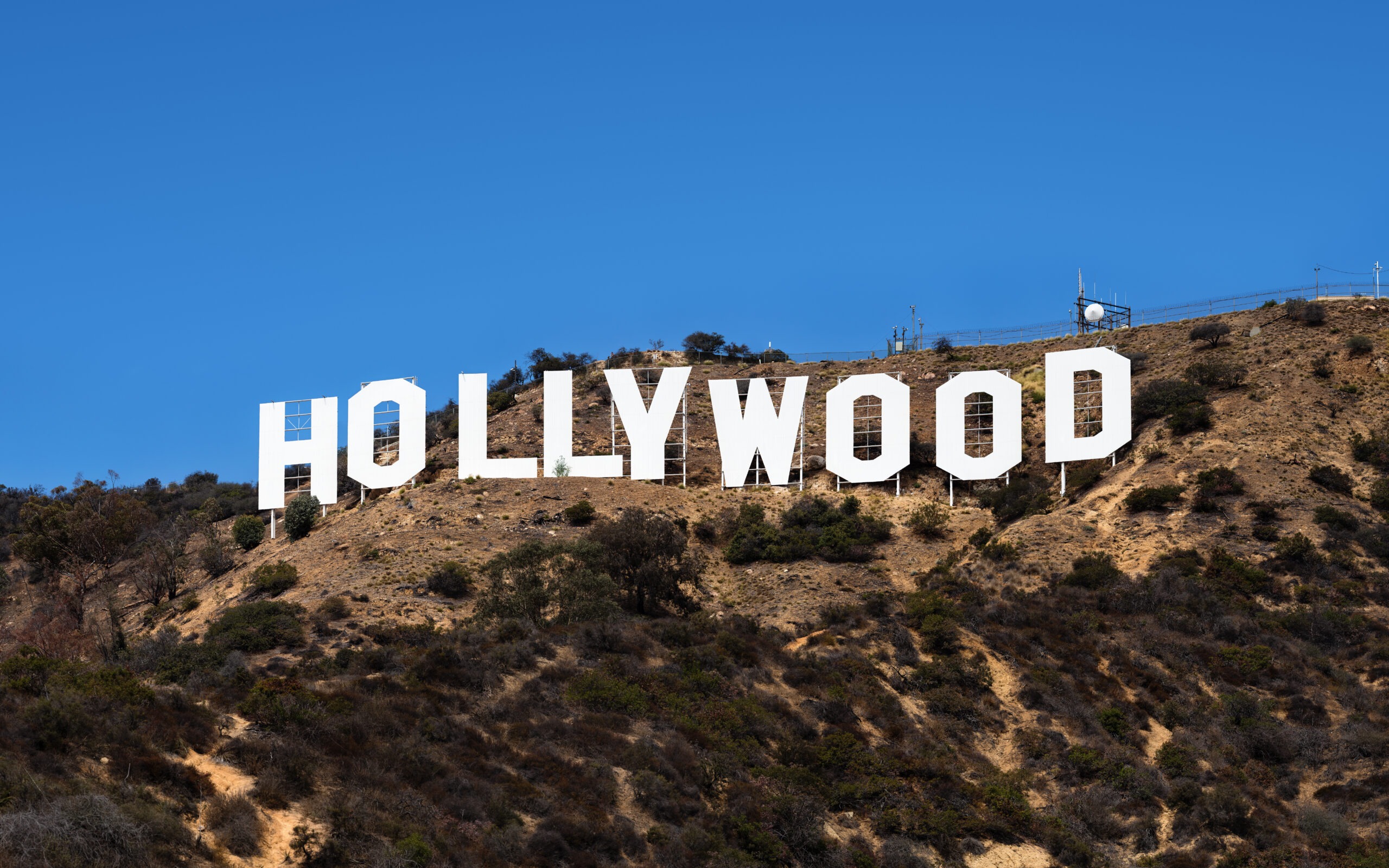
California’s decades-long Hollywood dominance of American film and television production is facing a serious challenge as New York experiences explosive growth, narrowing the gap between the two states to less than $150 million in quarterly production spending.
According to a new report from The Hollywood Reporter, published October 15, industry tracking firm ProdPro revealed that New York’s film and television production spending increased an astonishing 87% during the third quarter of 2026.
That surge brought New York’s quarterly production spending to $1.61 billion, putting it within striking distance of California’s $1.76 billion.
Although California remains the nation’s largest production center, its spending increased by a comparatively modest 17% during the same period.
The development raises questions about Hollywood’s future as the entertainment industry increasingly looks beyond Southern California to produce its biggest movies and television programs.
New York Closes the Gap on Hollywood
For generations, California has been synonymous with the American entertainment industry. Hollywood’s historic studios, established infrastructure, and concentration of entertainment professionals have made the state the center of American filmmaking.
However, that dominance is no longer guaranteed.

Gavin Newsom speaking at Climate Week in NYC – Photo Credit: Office of the California Governor, Public domain, via Wikimedia Commons
READ: Lanterns Season 2 Update Expected Before Year’s End
ProdPro’s latest figures reveal that California’s lead over New York has narrowed to approximately $147 million, a remarkably small margin considering the billions flowing through the entertainment industry.
The numbers were reportedly so close that ProdPro researchers initially believed New York might have already overtaken California.
While California’s production spending is recovering, New York’s considerably faster growth suggests the competition between the two states could intensify heading into 2027.
Tax Incentives Fuel New York’s Growth
New York’s resurgence hasn’t happened by accident.
The state has aggressively expanded its film and television production incentives, creating financial opportunities for studios looking to control expenses amid rising production costs.
New York’s annual film production incentive program has grown to $800 million, including $100 million allocated to independent productions.
Eligible productions can receive a base tax credit of 30% on qualifying expenditures, with additional incentives available under certain circumstances.
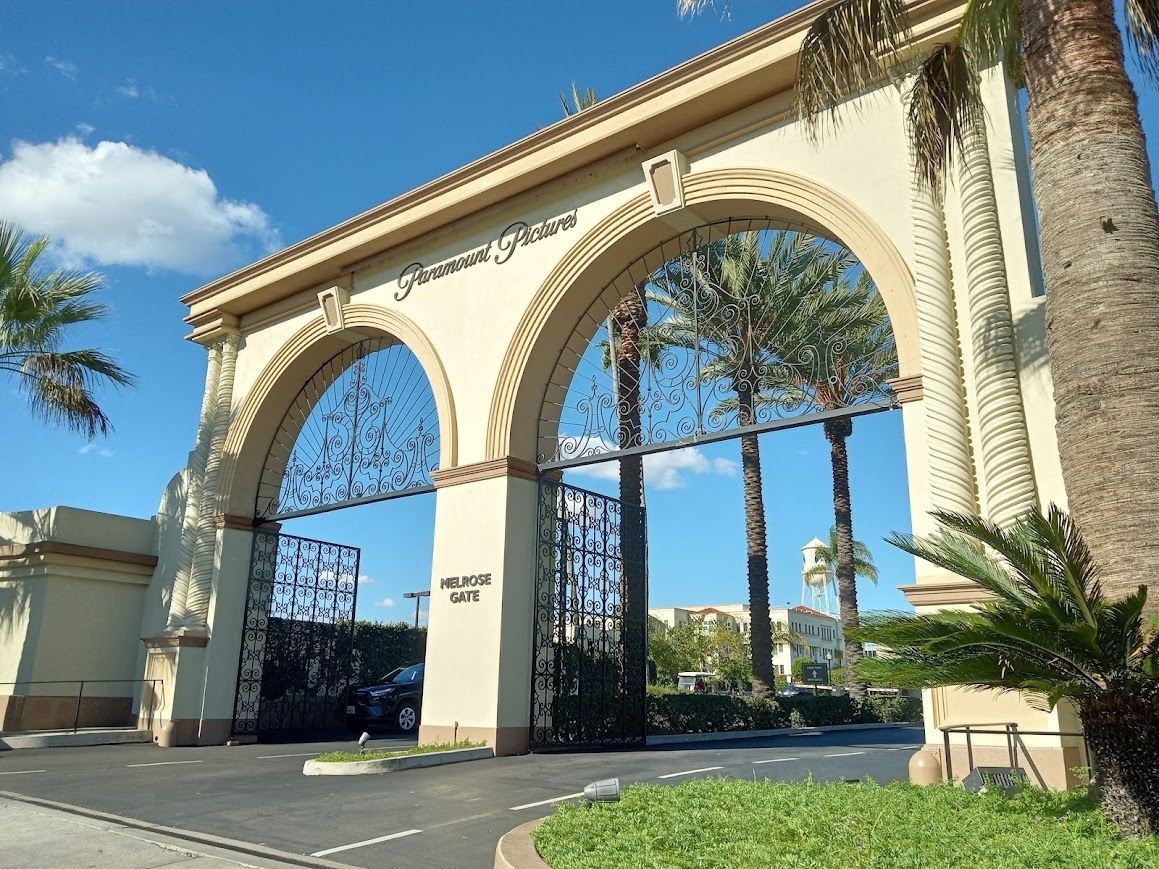
The Paramount Pictures Melrose Gate entrance on January 7, 2026. Credit: Laura Alier / Wikimedia Commons (CC BY 4.0)
California has responded by expanding its own annual film and television tax credit program from $330 million to $750 million.
Nevertheless, New York is benefiting from more than financial incentives.
According to a 2026 report from commercial real estate firm CBRE, soundstage inventory across the New York metropolitan region has increased 43% since 2020.
That expansion provides studios with additional facilities capable of accommodating major films and long-running television programs.
New York also benefits from established television franchises, including NBC’s Law & Order productions and CBS programs such as FBI and Elsbeth.
Unlike feature films, successful television series can occupy production facilities for years, providing recurring employment for actors, technicians, and production crews.
Georgia Also Experiences a Production Resurgence
New York isn’t the only state benefiting from Hollywood’s changing production landscape.
Georgia, which has established itself as a major filmmaking destination over the past two decades, recorded a 32% increase in production spending during the third quarter.
Among the productions contributing to that resurgence is James Gunn’s upcoming DC Studios Superman sequel Man of Tomorrow.

Superman and Lex Luthor in a Jim Lee-Created teaser image for the Superman Sequel Man of Tomorrow – X, @JamesGunn
READ: Security Footage Leaks of Kelly Clarkson’s Visit to Art of Play Store — What Really Happened?
Other projects include Benny Safdie’s Lizard Music and Netflix’s upcoming live-action Scooby-Doo series.
Perhaps even more significant is the reported relocation of ABC’s American Idol production operations from Los Angeles to Atlanta.
The move illustrates how even established television franchises are reconsidering their traditional production arrangements.
Georgia’s recovery also follows a period when several major Marvel Studios productions shifted overseas, particularly to the United Kingdom.
California Faces an Increasingly Competitive Industry
Despite the changing landscape, California isn’t surrendering its position without a fight.
Governor Gavin Newsom has championed expanded tax incentives intended to retain productions and preserve entertainment industry employment.
The state’s $750 million annual incentive program represents a substantial commitment to maintaining its position as America’s entertainment capital.
In September, Newsom signed additional legislation strengthening production incentives and supporting post-production employment.
Those efforts appear to be producing results, with California recording approximately 80 live-action film and television productions during the third quarter.
However, the larger challenge remains.
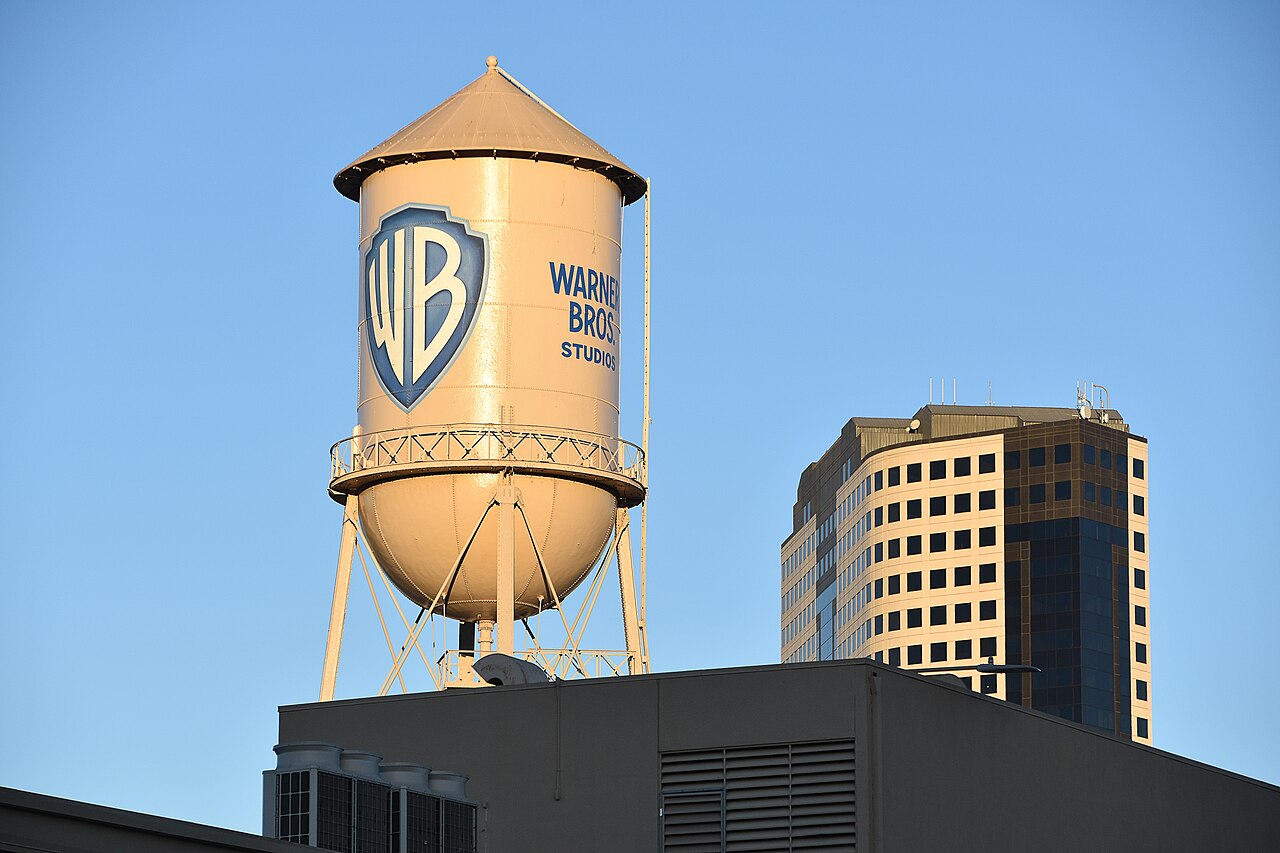
The Warner Bros. Studios water tower in Burbank, California, in 2020. Credit: Chris Yarzab / Wikimedia Commons (CC BY 2.0)
California is no longer competing solely with neighboring states. It faces increasingly aggressive competition from New York, Georgia, the United Kingdom, Canada, and other international production centers.
Studios facing financial pressure have strong incentives to consider locations offering lower costs, generous tax benefits, and modern production facilities.
Meanwhile, the broader American production industry is showing signs of recovery.
According to ProdPro, domestic film and television production spending reached approximately $4.9 billion during the third quarter of 2026, representing a 17% increase compared with the previous year.
Nevertheless, California’s shrinking lead raises an important question about the industry’s future.
For decades, Los Angeles benefited from being the natural destination for filmmakers seeking employment on major Hollywood productions. That assumption is increasingly being challenged.
If current trends continue, New York could soon surpass California in quarterly film and television production spending, marking a historic shift in the geography of American entertainment.
Hollywood may remain the symbolic home of the American movie industry, but the business of making movies and television shows is becoming increasingly decentralized.
Will New York overtake Hollywood? Sound off and let us know!
UP NEXT: Greta Gerwig Comments on Led Zeppelin Needle Drop in Narnia Trailer
