


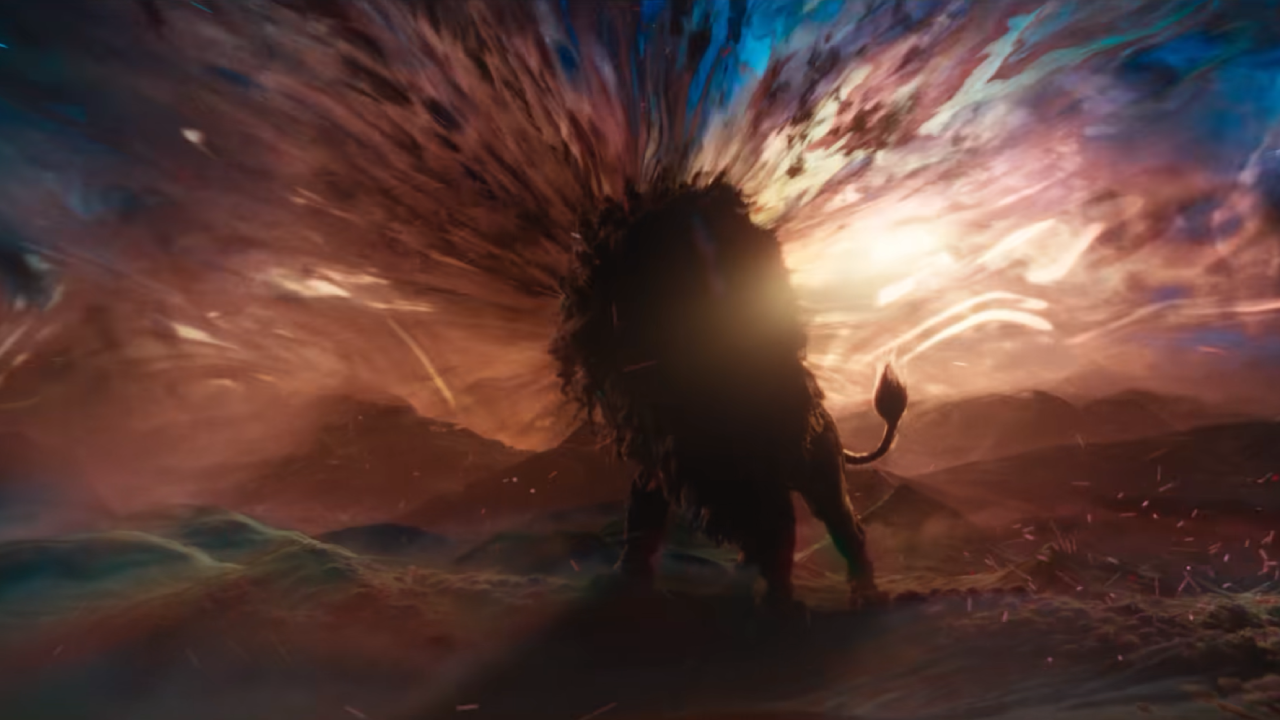
Greta Gerwig has explained why she chose Led Zeppelin’s “Stairway to Heaven” for the trailer promoting Netflix’s Narnia: The Magician’s Nephew.
According to the filmmaker, the song’s themes of enlightenment, spirituality, and false idols reflect the story she wants to tell. However, her explanation invites comparison with C.S. Lewis’s far more specific description of Narnia’s religious foundations.
Greta on the idea of using Led Zeppelin’s “Stairway to Heaven” and the process of convincing them to let her use the song. https://t.co/EJZ7javsFQ
— Greta Gerwig Updates (@gerwigupdates) October 14, 2026
Lewis left little ambiguity about the figure at the center of his fantasy world. He explicitly identified Christ as the subject of the series.
Gerwig Explains Her “Stairway to Heaven” Choice
During an October 13 promotional event unveiling the first trailer, Stephen Colbert asked Gerwig, “What do you think CS Lewis’s favorite Led Zeppelin song would have been?”
After the laughter subsided, Gerwig described “Stairway to Heaven” as an epic narrative about a spiritual journey.
“It’s about the true path of enlightenment and and spirituality,” she said, contrasting that with “the sort of path of false idols” and “the wrong roads you can go down.”
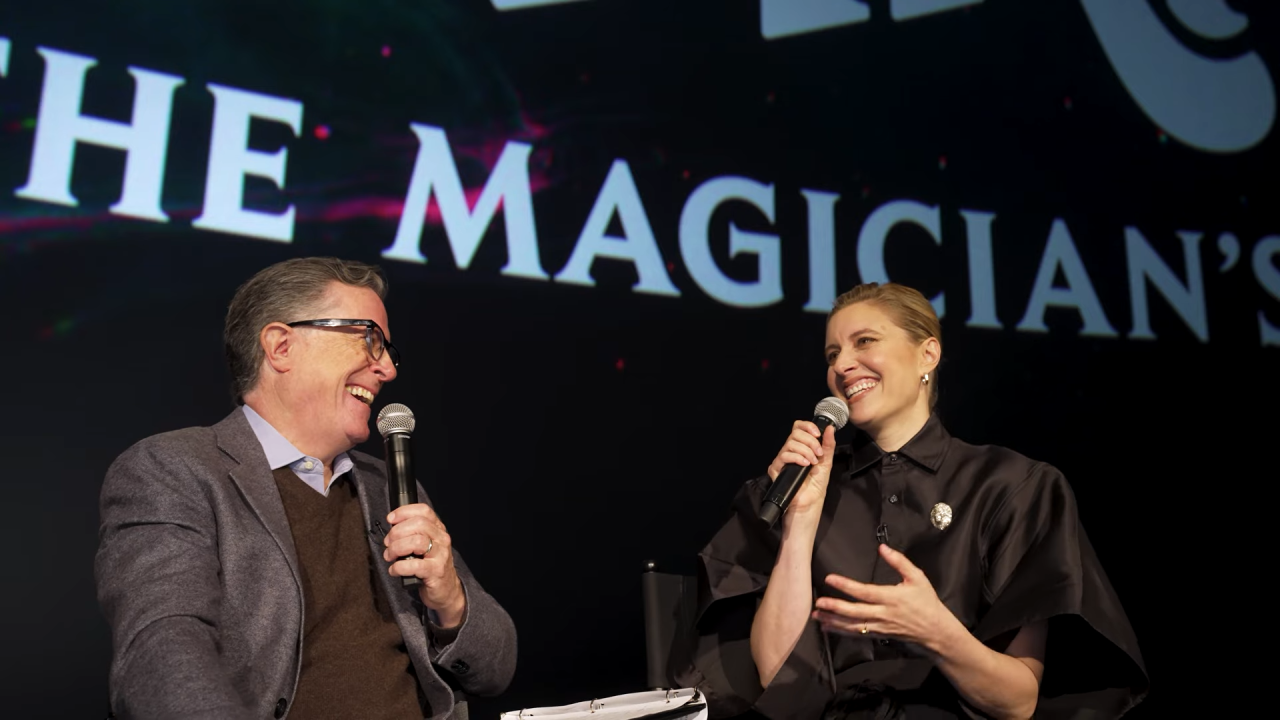
Stephen Colbert and Greta Gerwig – The Playlist, YouTube
READ: Xbox and PlayStation Console Sales Hit Historic Lows as Prices Climb, Circana Data Shows
For Gerwig, those themes directly correspond to her adaptation.
“And I was like, this is exactly the story of this movie,” she explained. “It really is a spiritual quest and a spiritual journey.”
The director also said she showed the material to Robert Plant and Jimmy Page while seeking permission to use the song. She described securing approval for a track they had not previously allowed to be used “in anything.”
According to Gerwig, both musicians love Lewis and recognized the heart of his story in her film.
However, Plant’s own explanation of the song has been less definite than Gerwig’s interpretation might suggest.
In a retrospective, The Independent described him as evasive when discussing the lyrics’ meaning, quoting him as saying: “It’s the beginning of spring; it’s when the birds make their nests, when hope and the new year begins.”
That does not invalidate Gerwig’s reading. It does, however, distinguish her interpretation from a definitive explanation supplied by the songwriter.
Lewis’s account of Narnia’s meaning leaves considerably less room for uncertainty.
Lewis Clearly Explained What Narnia Was About
In a March 5, 1961 letter to Anne Jenkins, Lewis stated: “The whole Narnian story is about Christ.”
He explained that his premise involved imagining another world that had fallen into corruption and considering how Christ might enter and save it. Because Narnia contained talking animals, Lewis imagined Christ appearing there as a talking animal.
His description of The Magician’s Nephew was equally direct: It concerned creation and the entrance of evil into Narnia.
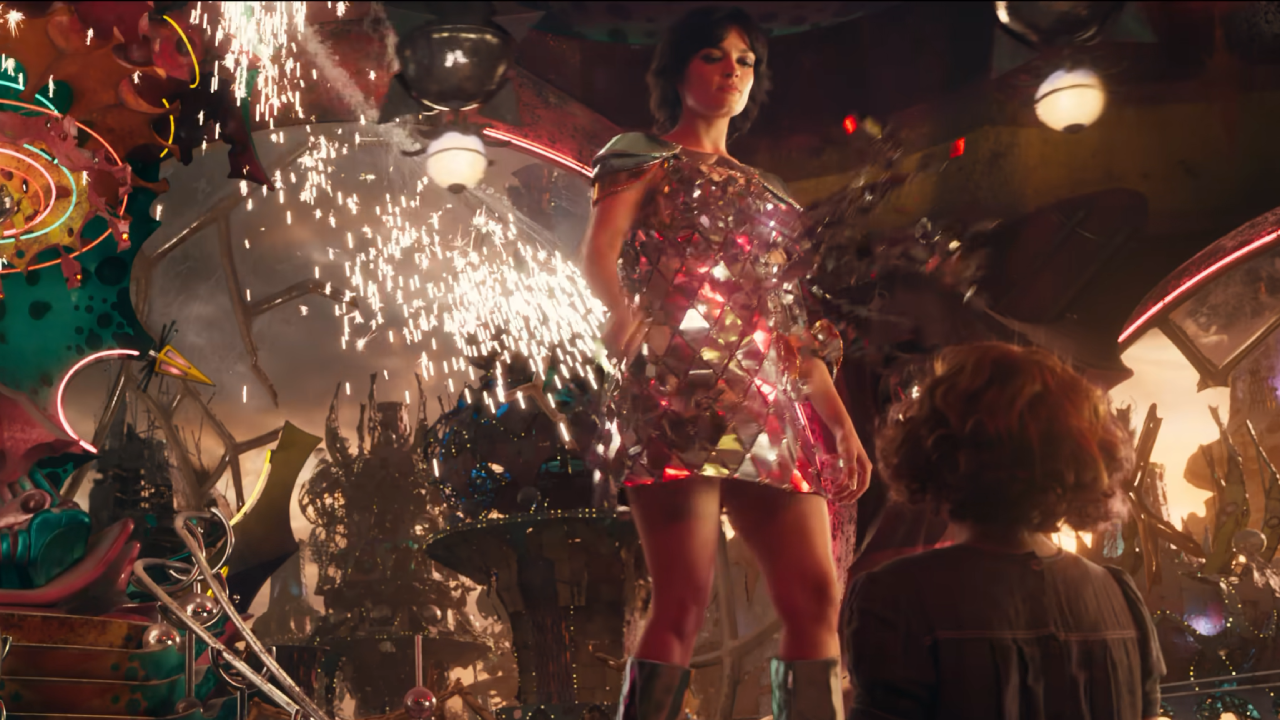
An image from Greta Gerwig’s Narnia film – Netflix, YouTube
READ: REVIEW: ‘Shaun the Sheep: The Beast of Mossy Bottom’ Is a Harmlessly Spooky, Formulaic Flock Tale
Those explanations establish a theological foundation far more definite than a general search for spiritual fulfillment. Narnia’s moral order rests on its creator’s authority, and its account of evil reflects Lewis’s Christian understanding of the world.
Lewis’s distinction between his stories and conventional allegory does not weaken that connection. As the C.S. Lewis Institute explains, he imagined how Christ might act within another world, rather than constructing a rigid system in which every character represented something else.
Aslan’s identity therefore carries more significance than that of a wise guide helping the characters discover their own spiritual paths.
Will Gerwig Preserve That Distinction?
Gerwig’s references to false idols and destructive choices overlap with Lewis’s concerns. Those themes are entirely compatible with Christianity.
However, “spirituality” and “enlightenment” can describe many conflicting beliefs. By themselves, they say little about the source of truth or the authority distinguishing the right path from the wrong one.
That distinction matters when adapting an author who explicitly identified Christ as the subject of his stories.
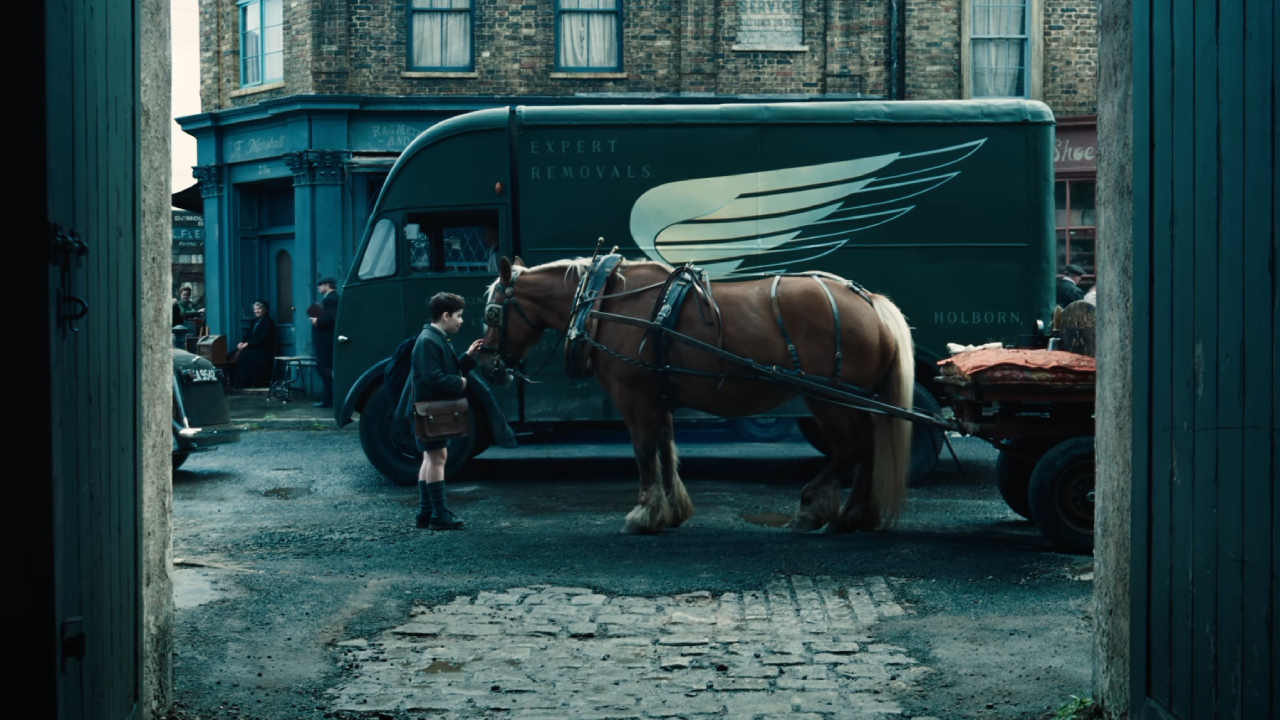
An image from Greta Gerwig’s Narnia film – Netflix, YouTube
READ: Netflix Slashes 1,000 Jobs — Hollywood’s Streaming Layoff Crisis Deepens as YouTube Rises
As That Park Place previously discussed, Gerwig’s emphasis on faith raises questions about how closely her interpretation follows Lewis’s convictions.
Her preparation deserves acknowledgment. Elsewhere in the interview, Gerwig described studying Lewis’s writings and visiting places associated with his life. Those efforts suggest she recognizes the importance of understanding the author behind the fantasy.
Still, research and admiration cannot establish how faithfully an adaptation communicates its source material. Likewise, a trailer’s musical selection cannot prove that the finished film abandons Christianity.
The real test will be how Gerwig portrays Aslan’s relationship to creation, evil, and moral authority. Lewis gave Narnia’s spiritual journey a clear center and destination. Audiences have reason to expect an adaptation of his work to preserve both.
What do you think about Led Zeppelin being used in the Narnia trailer? Sound off and let us know!
UP NEXT: Greta Gerwig Claims Her Netflix Narnia Movie is Centered on Faith — But is That True?
