


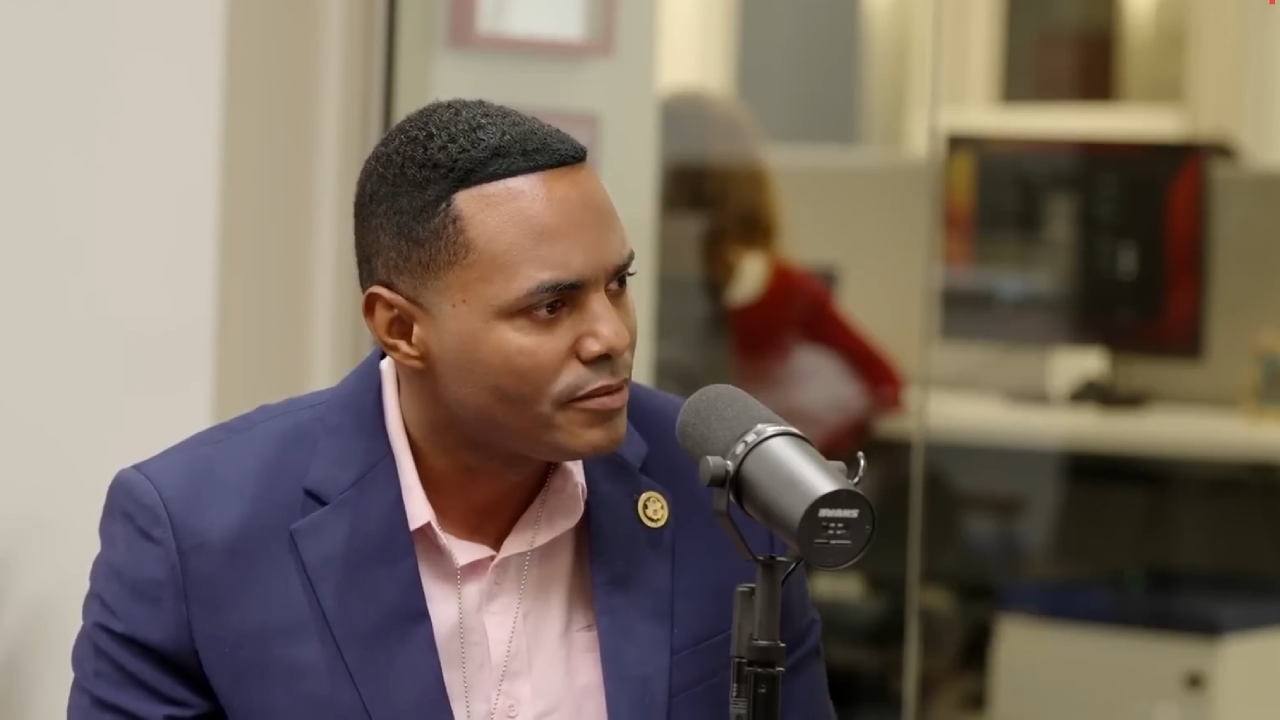
Rep. Ritchie Torres of New York has announced plans to introduce legislation expanding consumers’ ownership rights over purchased video games.
The proposed Power To The Players Act would address digital licensing, resale rights, and continued access after publishers shut down online servers.
His announcement comes as the video game industry moves further toward digital distribution, raising questions about what consumers receive when purchasing games.
The proposal also follows comments from former Halo composer Marty O’Donnell, who has expressed support for federal protections addressing similar concerns.
Torres Announces Power To The Players Act
In an October 15 announcement, Torres said the legislation would direct the Federal Trade Commission to establish regulations protecting consumers’ ability to own and play purchased games.
“When you pay for a game, you should own it,” Torres said.
According to his office, the proposal would establish ownership rather than a license, protect transfer and resale rights, and require an offline mode before online servers shut down.
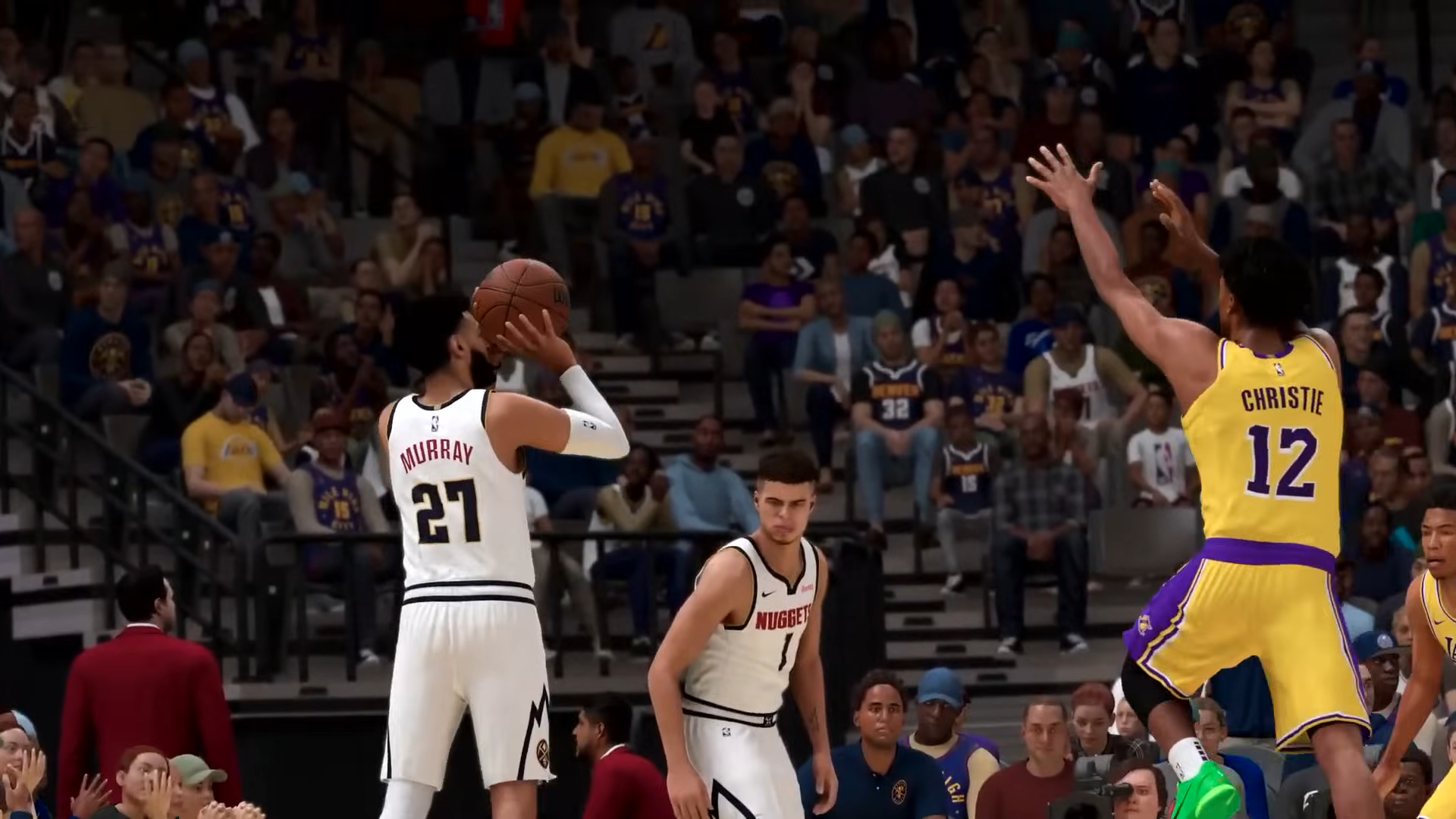
Screenshot from NBA 2K25 – GameSpot Trailers, YouTube
READ: Judge Tosses Most of Alec Baldwin’s Rust Prosecution Suit, But Some Claims Survive
The announcement cited NBA 2K25, which it says will be removed from digital storefronts on October 30 before its servers close December 31.
Those are separate developments. Delisting removes a game from sale, while a server shutdown affects functionality dependent on those servers. Neither term alone establishes whether every part of a game becomes inaccessible.
Torres announced plans to introduce the legislation. The release does not establish that the proposed protections have become law or provide detailed implementation requirements.
Marty O’Donnell Has Raised Similar Concerns
Former Bungie composer Marty O’Donnell has also discussed the distinction between purchasing a game and obtaining a license to access it.
As That Park Place previously reported, the Halo and Destiny composer pledged to address gamers’ ownership concerns if elected to Congress.
O’Donnell described situations where customers receive less control than expected as a “bait-and-switch situation.” However, he acknowledged that identifying an appropriate solution would require further consideration.

Marty O’Donnell speaking with attendees at the 2018 PAX West at the Sheraton Seattle Hotel in Seattle, Washington. Photo Credit: Gage Skidmore from Peoria, AZ, United States of America, CC BY-SA 2.0 <https://creativecommons.org/licenses/by-sa/2.0>, via Wikimedia Commons
READ New Deal Sounds Death Knell For Mountain Dew Sweet Lightning
“I think this is an area where the government could come up with some guidelines and guardrails to prevent what appears to be fraudulent behavior on the part of publishers,” O’Donnell said.
His comments overlap with Torres’ stated concerns, although they do not establish an agreement on specific legislative provisions.
Both have framed continued access to purchased games as a consumer-protection issue, bringing the debate into discussions about potential congressional action.
PlayStation’s Digital Transition Adds Context
The proposal arrives as Sony prepares to change how new PlayStation games are distributed.
In a July announcement, Sony said physical disc production for new PlayStation releases would end beginning in January 2028. New games would subsequently be available in digital formats through retailers and the PlayStation Store.
Sony attributed the decision to changing consumer preferences and said it would not affect games released on disc before the cutoff.

A Playstation 5 console and controller – YouTube, PlayStation
READ: Po Live! Goes Dark at Universal Studios Florida, and There’s No Return Date Yet
That transition gives additional relevance to questions about digital purchases, including whether customers can transfer games or retain access after support ends.
Several implementation questions remain. An offline requirement would need to establish what functionality must remain available, especially for games designed around online multiplayer.
Transfer and resale protections would also require details explaining how they would operate across publishers and digital storefronts.
The legislation’s eventual text would provide a clearer basis for evaluating its scope and practical effects. For now, Torres’ announcement outlines a proposed federal response to ownership concerns as digital distribution becomes increasingly central to the industry.
What do you think of a US lawmaker pushing for a bill to protect video game ownership? Sound off and let us know!
UP NEXT: Steven Soderbergh Steps In to Finish ‘The Batman Part II’ as Matt Reeves Remains Sidelined
