


Nintendo appears increasingly interested in revisiting its library of classic video games, with a senior executive suggesting that remakes are now just as important to the company as entirely new releases.
Nate Bihldorff, Nintendo’s Senior Vice President of Product Development and Publishing, made the comments following the launch of The Legend of Zelda: Ocarina of Time on Nintendo Switch 2.
Rather than treating remakes as occasional nostalgia projects, Nintendo appears to consider them an established part of its software strategy. That could mean more familiar franchises returning with updated graphics and gameplay improvements, although it also raises questions about the company’s commitment to developing new adventures.
Nintendo Places Remakes on Equal Footing With New Games
According to Insider Gaming, Bihldorff discussed Nintendo’s approach to classic games during a recent interview with Polygon.
“I do think that new games and remakes both have a place in the Nintendo stable, of equal importance, to be honest,” Bihldorff said.
“There are fans of every single IP that we have out there. Of course, having new games in those series is wonderful, and I look forward to them as much as anyone else does, but there’s also a deep satisfaction in revisiting games that were very, very special, like Ocarina of Time.”
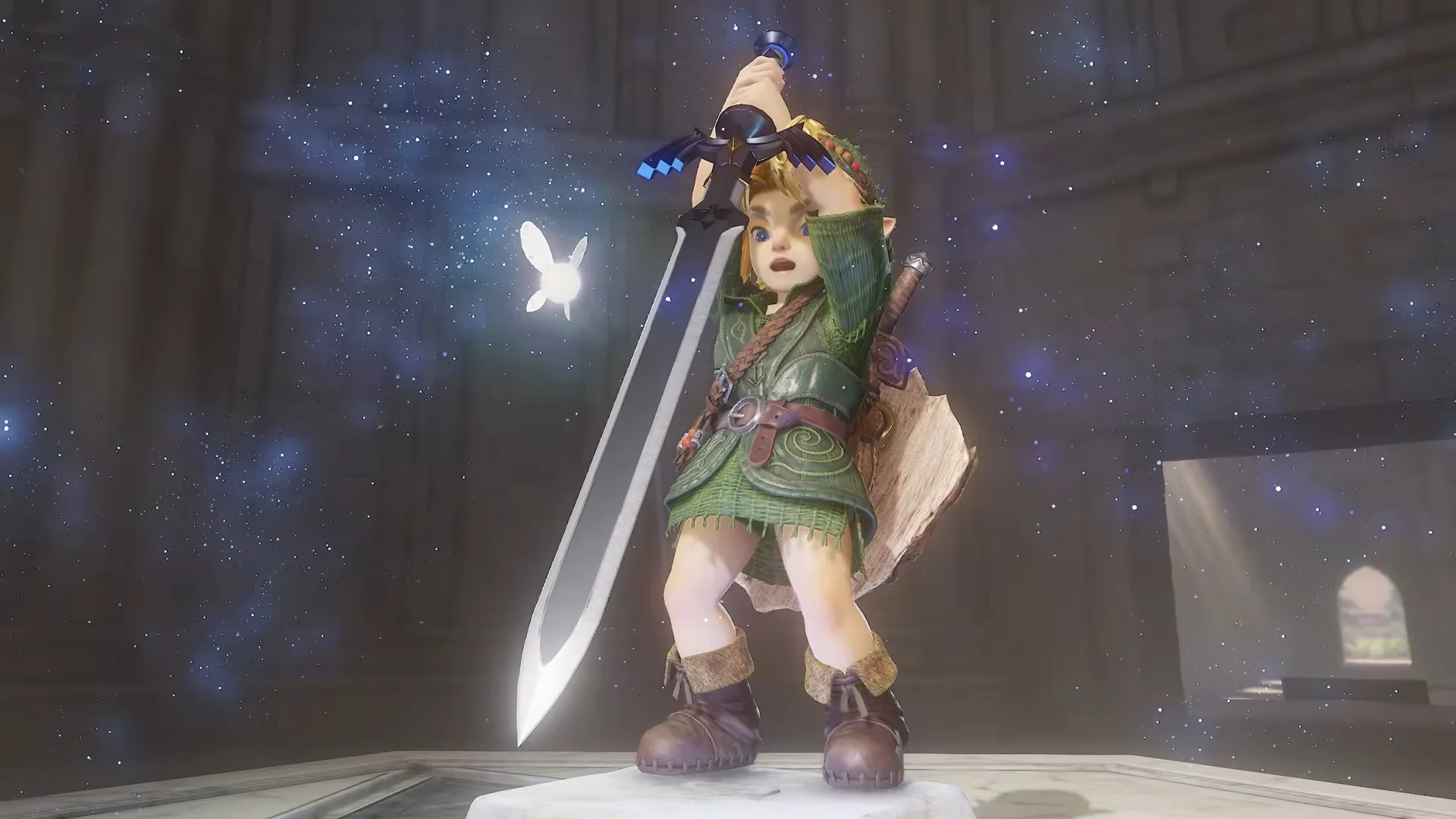
A scene from The Legend of Zelda Ocarina of Time Remake – Nintendo
READ: Will The Elder Scrolls VI: Sentinel Be an Xbox Exclusive?
Although Bihldorff did not identify any upcoming remake projects or provide a timeline, his comments suggest that Nintendo sees considerable value in continuing the practice.
For a company with decades of recognizable franchises, remakes offer an opportunity to revisit established properties without developing entirely new installments. They can also introduce older games to younger audiences unfamiliar with the originals.
Bihldorff highlighted that opportunity when discussing Ocarina of Time.
“But it’s also important to think about how many people had never played the original, and for them, the remake of Ocarina of Time is going to be an absolutely brand-new, 2026 experience, and one that I just cannot wait for them to get their hands on.”
Nintendo’s Back Catalog Offers Significant Opportunities
Nintendo’s recent releases demonstrate why remakes could be an attractive investment.
As That Park Place previously reported, The Legend of Zelda: Ocarina of Time became the highest-rated game of 2026 following its November 5 release.
The remake earned a Metacritic score of 96, placing it among the highest-rated games ever reviewed on the platform. Its reception suggests that a decades-old adventure can still compete with modern releases when thoughtfully updated.
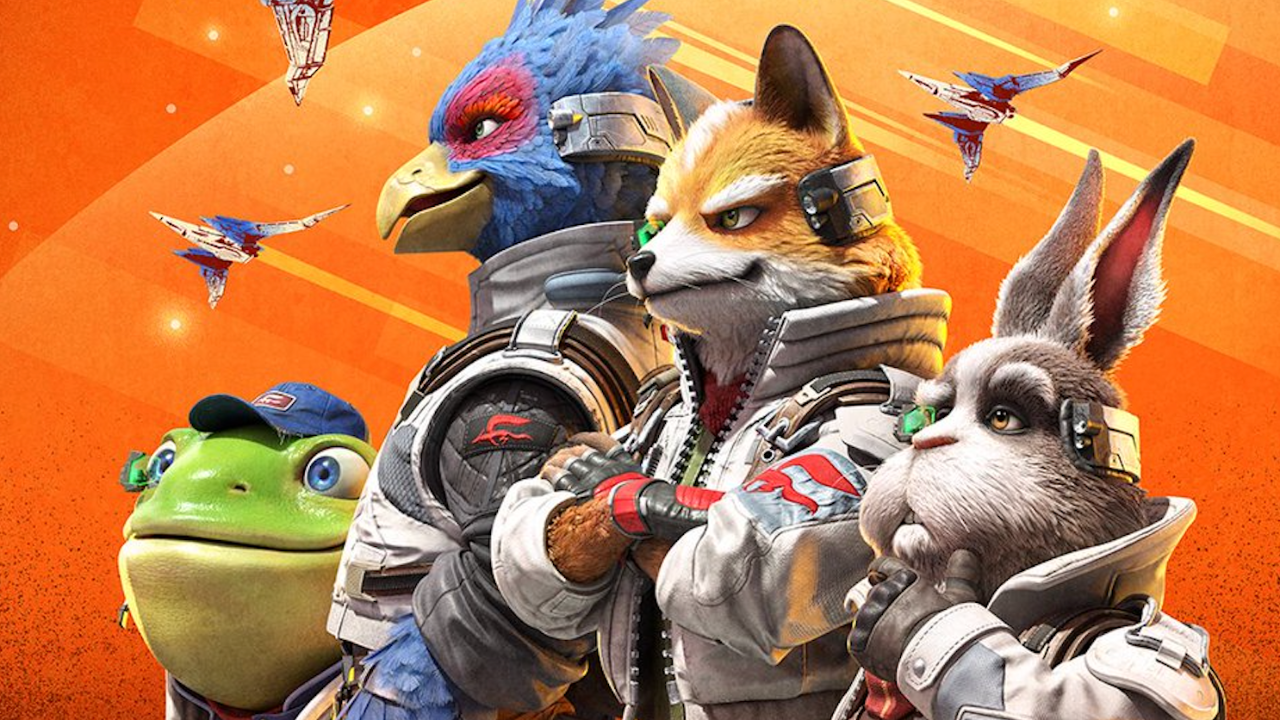
The Star Fox team in Star Fox for Nintendo Switch 2 – YouTube, Nintendo of America
READ: Typhoon Lagoon Reopens January 27 as Blizzard Beach Closes for Refurbishment
Nintendo also revived Star Fox earlier this year. The remake of the Nintendo 64 classic surpassed one million copies sold, demonstrating that even franchises without frequent new installments can retain commercial appeal.
While Ocarina of Time has received exceptional reviews, Star Fox has demonstrated measurable sales demand. Neither guarantees that every older Nintendo property would perform equally well, but both give the company reasons to continue exploring its catalog.
Could Too Many Remakes Become a Problem?
Despite their advantages, remakes are not without drawbacks.
Nintendo built its reputation on introducing new gameplay ideas, from the original Super Mario Bros. to The Legend of Zelda: Breath of the Wild. Those innovations established the franchises that the company can now revisit.
An excessive focus on older games could leave players wondering when their favorite franchises will receive new installments. While remakes offer opportunities to revisit familiar adventures, they cannot provide the same sense of discovery that comes from exploring new stories, characters, and worlds.

A screenshot from Super Mario RPG (2023), Nintendo
READ: Kentucky Kingdom Announces Midnight Showdown, Billed as the World’s Largest Indoor Wooden Coaster
There is also the question of development resources. Remakes still require programmers, artists, and designers who might otherwise contribute to new projects.
That does not mean every remake comes at the expense of an original game. Nintendo works with multiple development teams, and resource allocation varies between projects. Nevertheless, maintaining a balance will be important if remakes become a larger part of its release strategy.
Nintendo must also consider how much to change. Modernizing graphics and controls can make older titles more accessible, but substantial alterations risk alienating fans of the originals.
The positive reception to Ocarina of Time suggests Nintendo can navigate that challenge, although other games may prove more difficult to update.
Nintendo’s Past May Play a Bigger Role in Its Future
Bihldorff’s comments do not constitute an official announcement of additional remakes. Nintendo has not revealed which classic titles might return or whether any specific projects are underway.
Still, his remarks suggest that revisiting older games is more than a temporary strategy built around the success of Ocarina of Time.
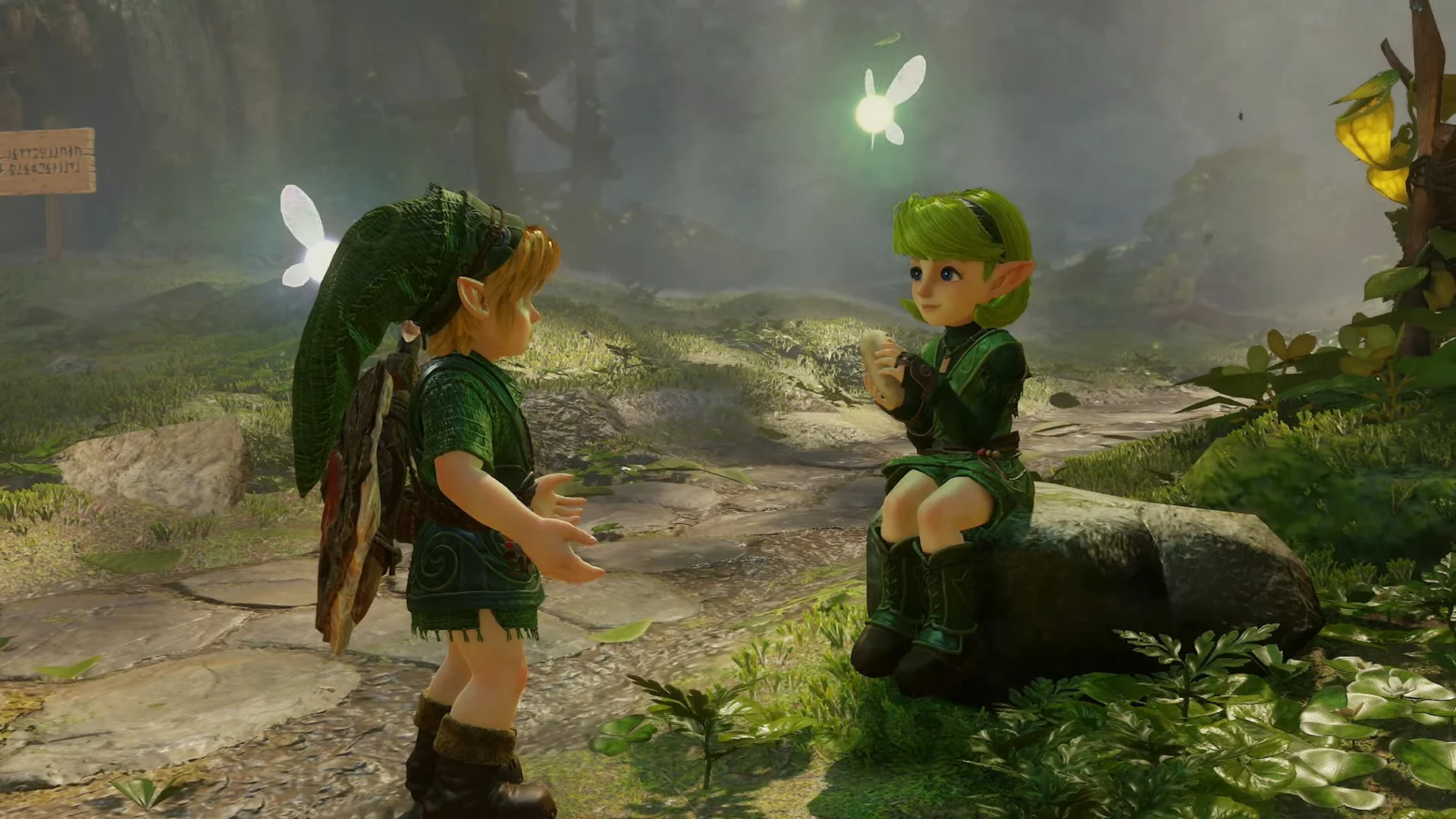
A scene from The Legend of Zelda Ocarina of Time Remake – Nintendo
READ: Disneyland Paris Concept Art Shows What’s Coming to World of Lion King
Longtime fans could have more opportunities to revisit beloved adventures on modern hardware, while younger players may discover franchises that helped shape the industry.
The challenge will be ensuring that Nintendo’s enthusiasm for the past does not overshadow its ability to create something new. After all, today’s most celebrated Nintendo classics only exist because the company was once willing to take creative risks.
Do you think Nintendo should continue investing in classic remakes, or would you rather see more entirely new games? Sound off and let us know!
UP NEXT: Nintendo Rules Out Another Switch 2 Price Increase Despite Rising Memory Costs
