


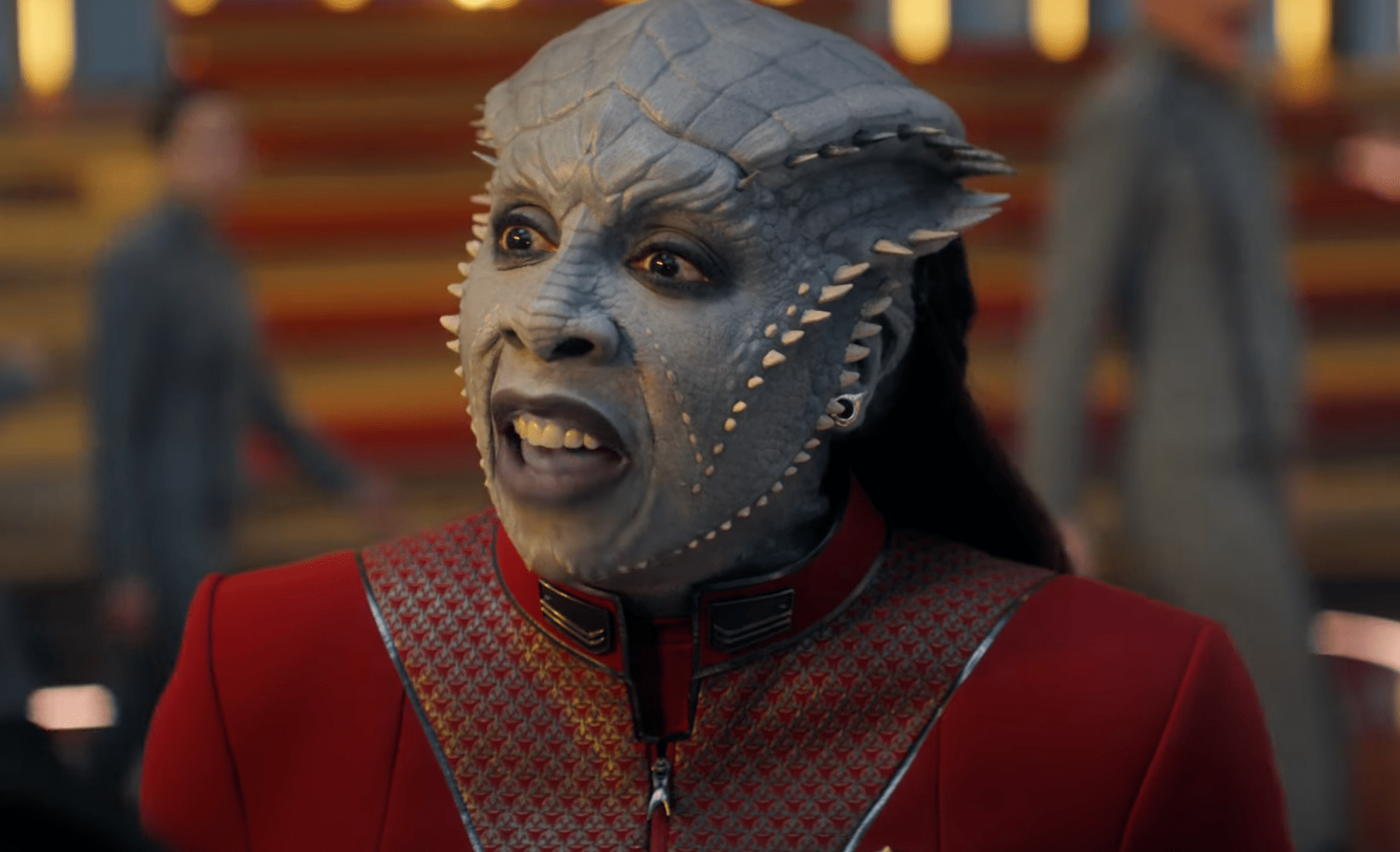
Hollywood’s media class has a familiar response whenever a high-profile franchise release fails to resonate with audiences: the problem isn’t the show, it’s the fans. That narrative is once again being deployed following the debut of Star Trek: Starfleet Academy, as multiple outlets rush to dismiss overwhelmingly negative audience feedback as so-called “review bombing.”
Rather than holding up a magnifying glass to why the latest Star Trek entry is being rejected by a significant portion of viewers, the focus has shifted to questioning the legitimacy of the audience response itself. The result is another case study in the growing disconnect between professional entertainment media and the consumers they claim to represent and serve.
A Widening Critics–Audience Divide
As of this writing, Star Trek: Starfleet Academy holds an 87% critic score on Rotten Tomatoes. Its audience score, however, sits at just 43%. A 44-point disparity between critics and viewers is not a rounding error or statistical anomaly — it is a fundamental split in perception.
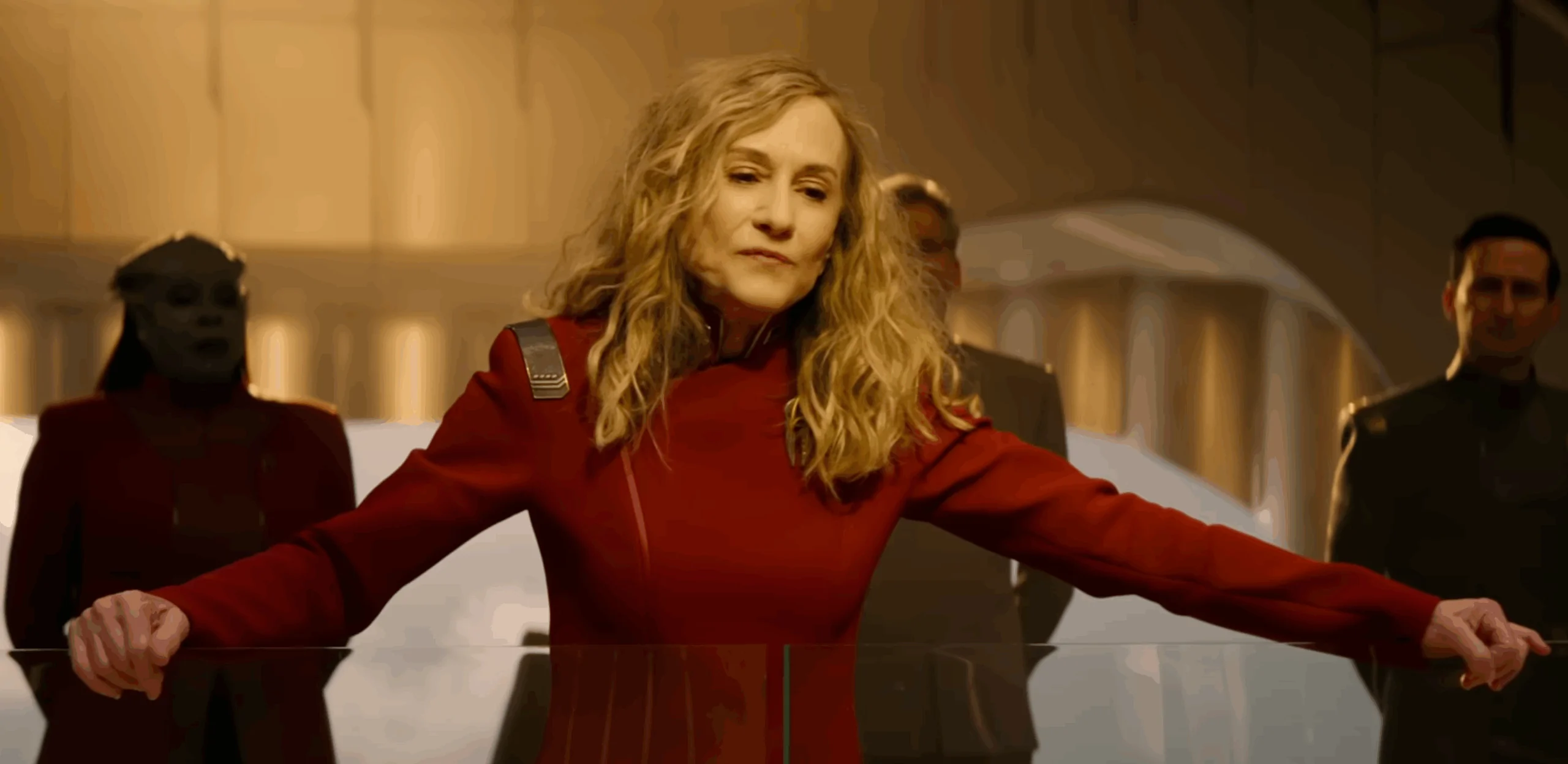
A screenshot from the trailer to Star Trek Starfleet Academy – YouTube, Paramount Pictures
READ: Hans Zimmer to Score Warner Bros.’ ‘Harry Potter’ TV Series
This pattern has become increasingly common across modern franchise entertainment. Projects are frequently praised by critics during tightly controlled press cycles, only to encounter skepticism or outright rejection once they reach the general public. Instead of acknowledging that disconnect, the industry increasingly frames dissent as suspect.
The assumption appears to be that audiences must be acting in bad faith if their opinions differ too sharply from those of professional reviewers.
“Review Bombing” as a Narrative Shield
The term “review bombing” originally referred to organized efforts to artificially manipulate review scores, often disconnected from the content itself. In recent years, however, it has been repurposed into a catch-all explanation for audience dissatisfaction.
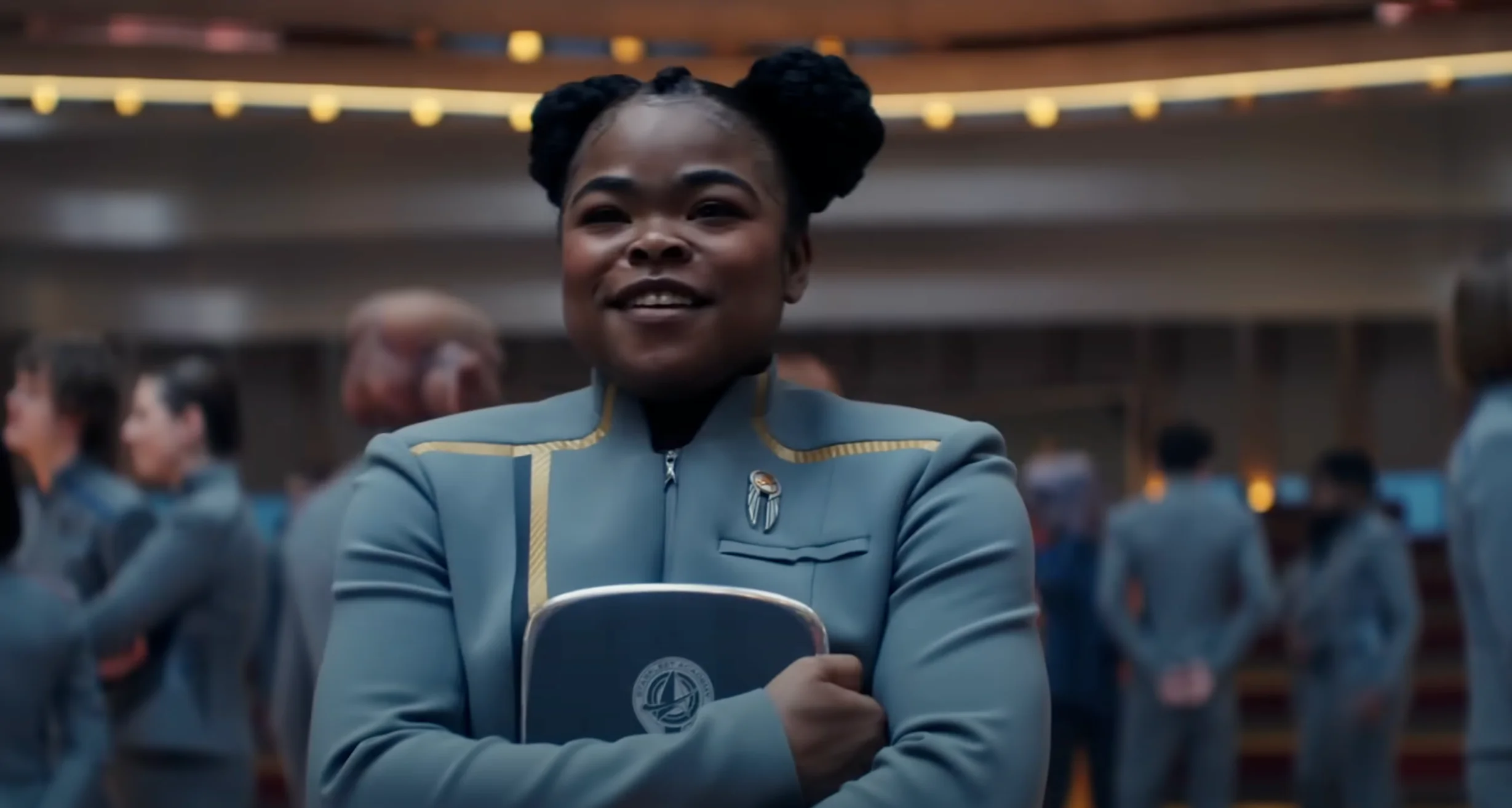
A screenshot from the trailer to Star Trek Starfleet Academy – YouTube, Paramount Pictures
When viewers respond negatively in large numbers, the label is applied reflexively — even when there is no evidence of coordination, automation, or external campaigns. In practice, it functions less as an analytical conclusion and more as a rhetorical shield.
We’ve seen this exact scenario play out with many progressive studio projects from Snow White and The Marvels to Stranger Things and The Last of Us.
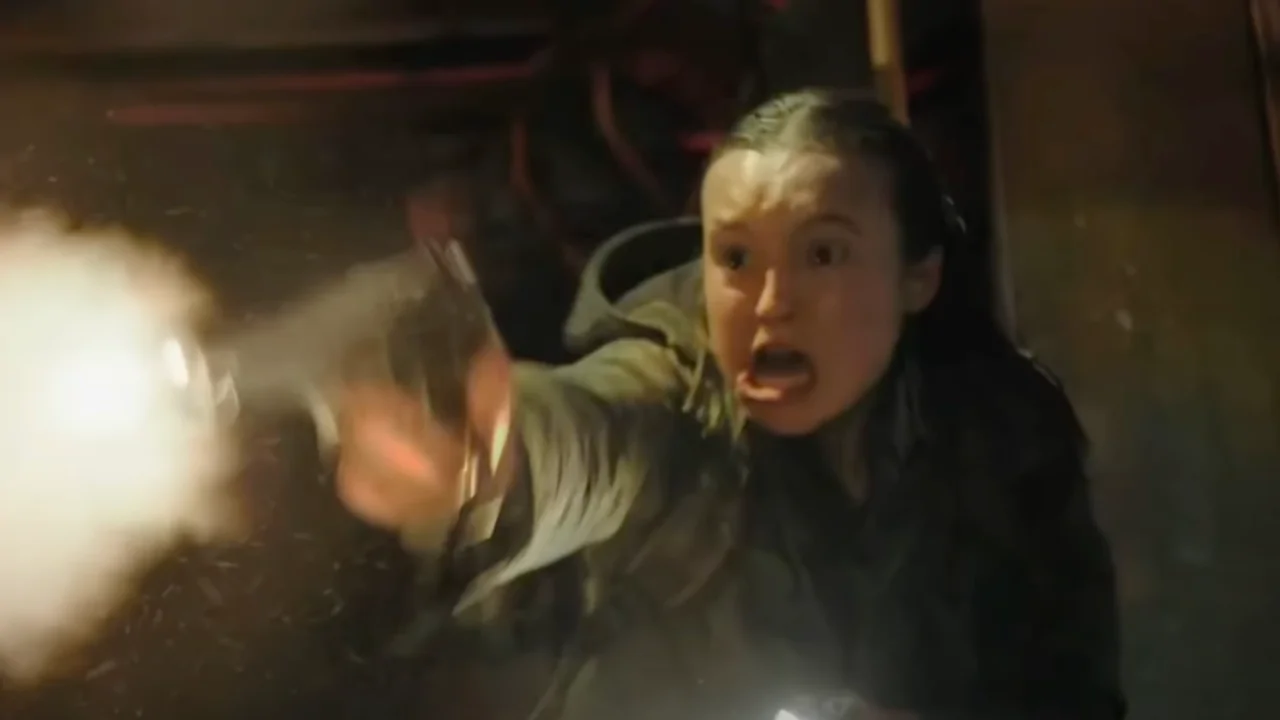
A screenshot of Bella Ramsey as Ellie in The Last of Us HBO Series – HBO Max
READ: Amelia Takes Over the Internet: UK Government AI Avatar Ruins Internet Nanny Efforts Out of Europe
By framing criticism as malicious, outlets are able to avoid more uncomfortable questions: whether franchise fatigue has set in, whether creative decisions are alienating longtime fans, or whether modern iterations are failing to justify their existence beyond brand recognition.
Audience-Only Platforms Tell the Same Story
The claim that audience backlash is artificial becomes even harder to sustain when looking beyond critic-driven platforms. On Criticless — a site that measures only audience sentiment and excludes professional reviewers entirely — Starfleet Academy currently holds an 8% “Heinous” rating, the platform’s lowest classification.

A promotional image of a Klingon male wearing a skirt in Star Trek: Starfleet Academy – X, @Ciaranredokeefe
That score reflects unfiltered viewer reaction, free from studio access, embargo screenings, or industry incentives. It suggests not confusion or manipulation, but a strong and consistent rejection of the product itself.
When multiple independent platforms point in the same direction, dismissing them all as bad-faith actors becomes increasingly implausible.
The YouTube Premiere Undermines the Claim Entirely
Paramount+ also released the premiere episode of Starfleet Academy for free on YouTube, a move presumably intended to broaden exposure and generate goodwill.
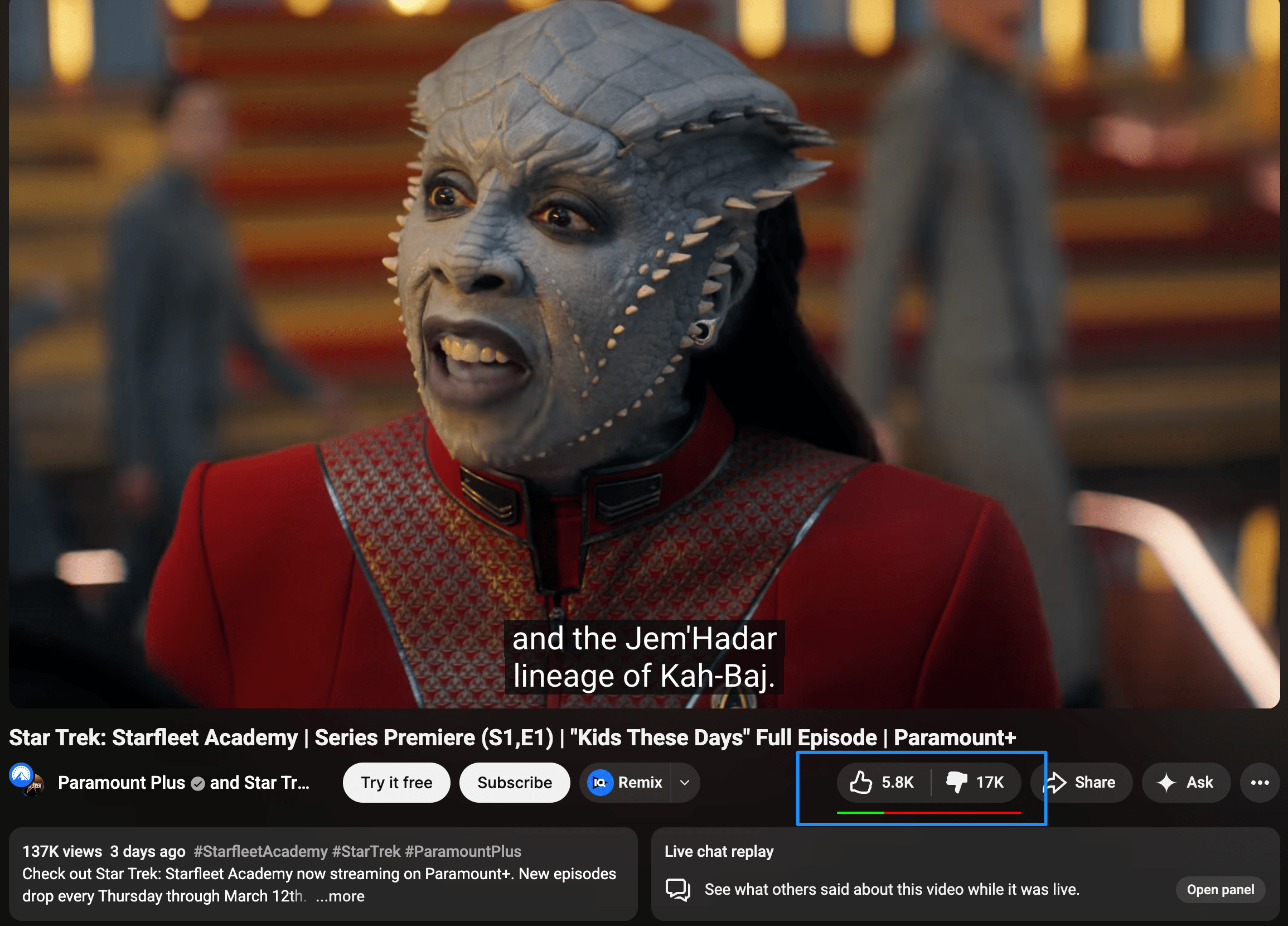
The like to dislike ratio for Star Trek: Starfleet Academy as of January 18, 2026 at 10:00 am EST – YouTube, Paramount Plus
READ: Rian Johnson Publicly Contradicts Kathleen Kennedy Claim That He Was “Spooked” by Star Wars Fans
But at the time of writing, the official YouTube upload shows approximately 5,800 likes compared to more than 17,000 dislikes. That translates to a dislike ratio of roughly 74.6%, meaning nearly three out of every four reactions are negative.
This metric matters because YouTube reactions are immediate and low-friction. Viewers do not need to write reviews, register accounts on specialty sites, or coordinate messaging. They simply react to what they’ve watched.
A response that lopsided is not easily dismissed as manipulation.
Audience Fatigue Is Not a Conspiracy
The simplest explanation remains the most credible: a significant portion of the audience watched Starfleet Academy and didn’t like it. Years of uneven franchise output have eroded goodwill, and new entries are now judged more harshly — not out of malice, but out of exhaustion.
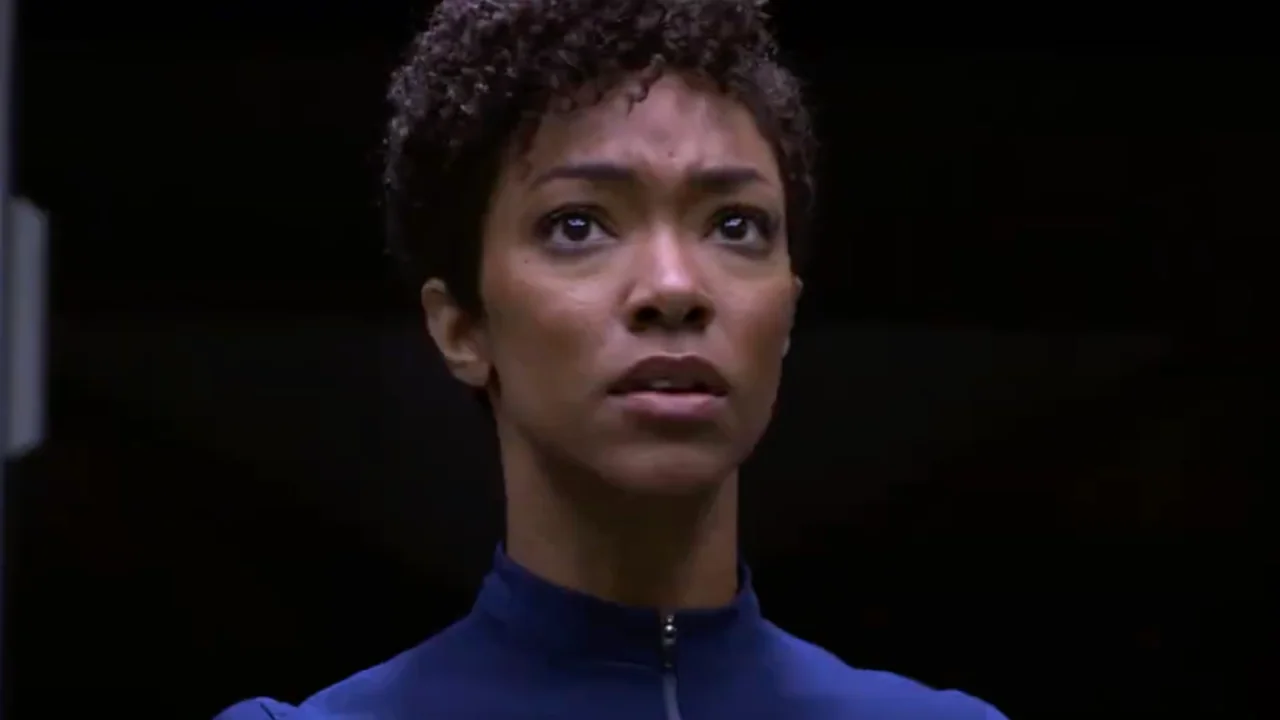
Michael Burnham on Star Trek Discovery – YouTube, Star Trek
When a series arrives carrying familiar creative sensibilities that viewers have already rejected elsewhere, skepticism is a rational response. Treating that skepticism as an attack only deepens the divide.
What the Media Still Refuses to Confront
The real story is not that Starfleet Academy has been “review bombed.” It’s that large segments of the audience no longer trust the media narratives surrounding major franchise releases.
Audiences are not obligated to agree with critics. They’re not required to embrace a show because it aligns with industry-approved messaging or branding strategies. And they are not acting in bad faith simply because their reaction disrupts a carefully managed press cycle.

A screenshot from the trailer to Star Trek Starfleet Academy – YouTube, Paramount Pictures
When critics, audience scores, fan-only platforms, and even YouTube reaction data all point in the same direction, the accusation of “review bombing” starts looking more like denial than analysis.
Whether the industry chooses to acknowledge that reality remains to be seen.
Do you think Star Trek: Starfleet Academy is the victim of “review bombing?” Sound off in the comments and let us know!
UP NEXT: Netflix CEO Promises 45-Day Theatrical Window for Warner Bros. Movies “I Want to Win the Box Office”
