


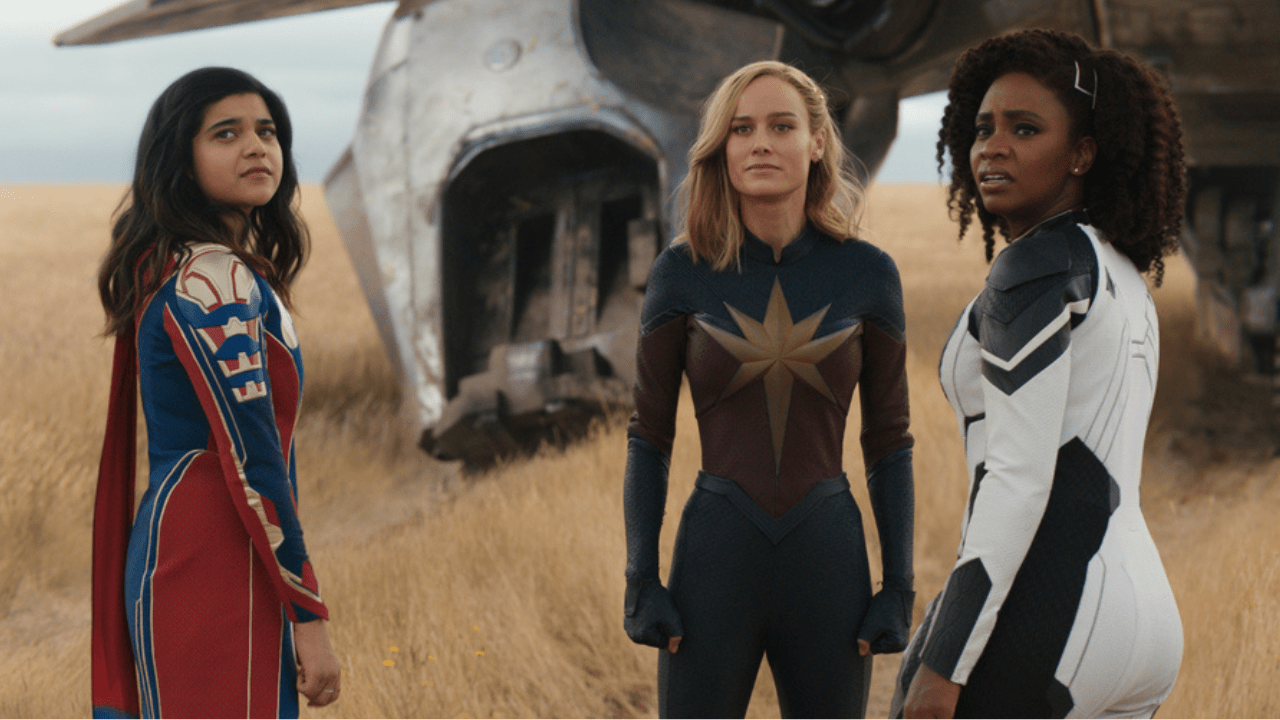
The mainstream media seems to want to blame everything but divisive identity politics for the decline of Marvel.
The Marvel Cinematic Universe (MCU), once a box office juggernaut churning out billion-dollar hits like Avengers: Endgame, has hit a rough patch. Recent releases, including The Fantastic Four: First Steps, have underperformed, sparking debates about what’s gone wrong.
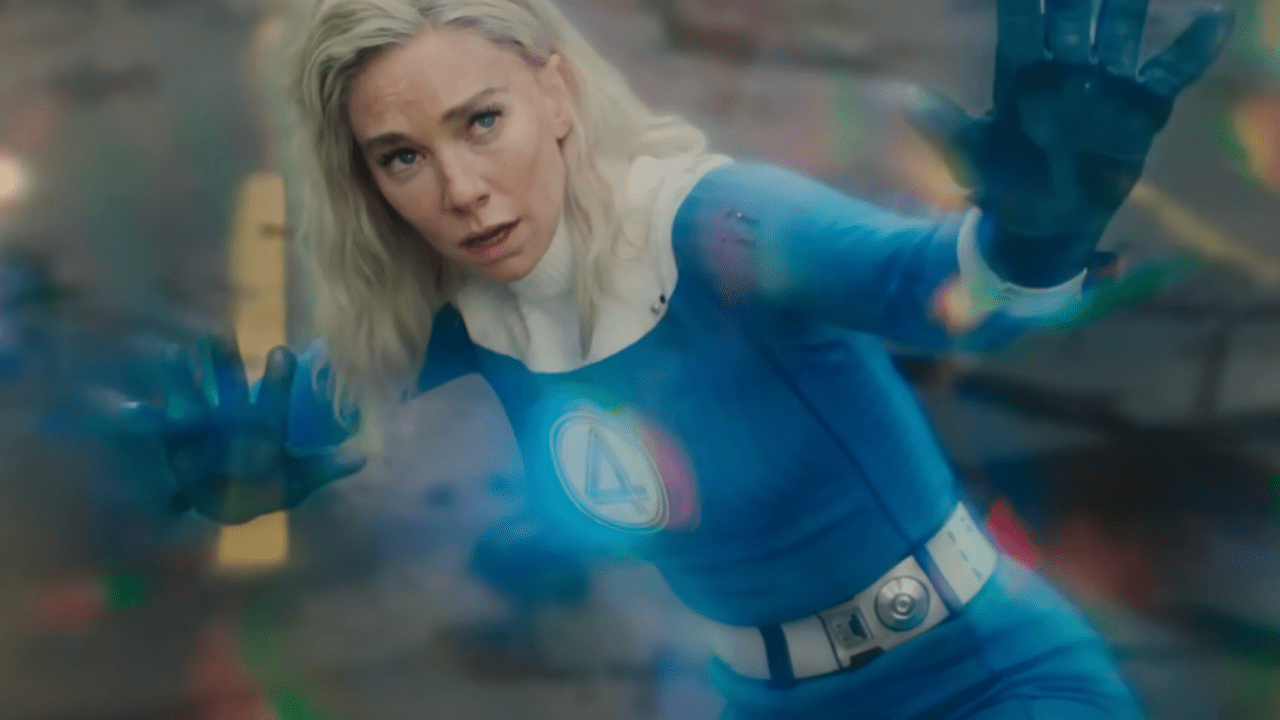
Vanessa Kirby as Sue Storm in The Fantastic Four: First Steps – YouTube, Marvel Entertainment
While some media outlets point to structural issues like oversaturation and streaming disruptions, others, like John Nolte of Breitbart, argue deeper cultural shifts are at play.
The Excuses: What the Media is Saying
Mainstream entertainment reporting has largely focused on external and operational factors for the Marvel decline, avoiding thornier topics like creative direction or audience backlash.
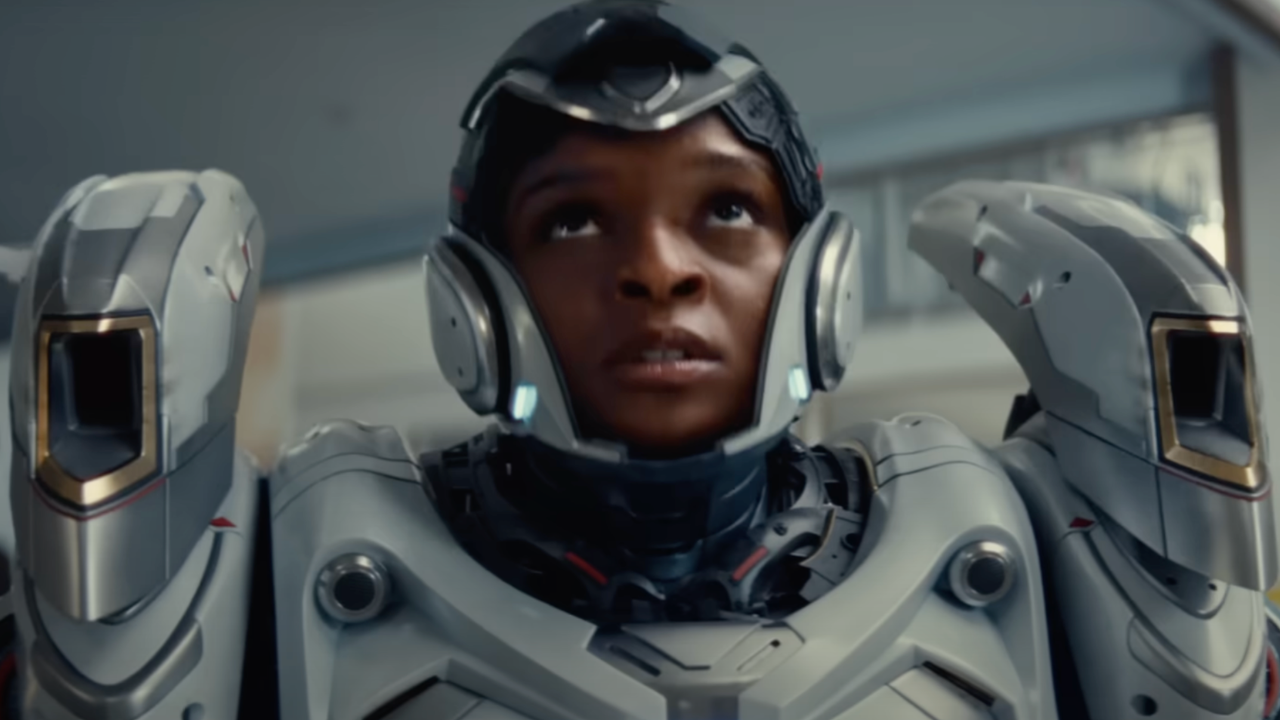
Ironheart in the trailer for Ironheart – YouTube, Marvel Entertainment
Forbes, for instance, has repeatedly highlighted “superhero fatigue” as a primary culprit. In a piece examining the genre’s 2023 downturn, they argued that audiences are simply overwhelmed by the sheer volume of content, leading to diminished excitement for even major releases.
Another Forbes article tied the MCU’s post-Endgame struggles to internal mismanagement, citing a Wall Street Journal report on Marvel Studios head Kevin Feige’s challenges in maintaining quality amid rapid expansion.
Oversaturation—too many films and Disney+ series flooding the market—has diluted the brand, making it hard for fans to keep up with interconnected plots, they argue.

The Thunderbolts uniting in Marvel’s Thunderbolts – YouTube, Marvel Entertainment
The Wrap takes a similar tack, blaming Disney’s streaming strategy for devaluing its flagship franchises. In a recent article, they detailed how the rush to populate Disney+ with MCU content has eroded the “event” status of Marvel movies, turning them into just another binge option rather than must-see theatrical experiences.
They also nod to lingering lockdown effects, suggesting that theater habits haven’t fully recovered, and streaming has permanently shifted consumer behavior. This echoes excuses from Disney itself, framing the decline as a byproduct of broader industry disruptions rather than self-inflicted wounds.
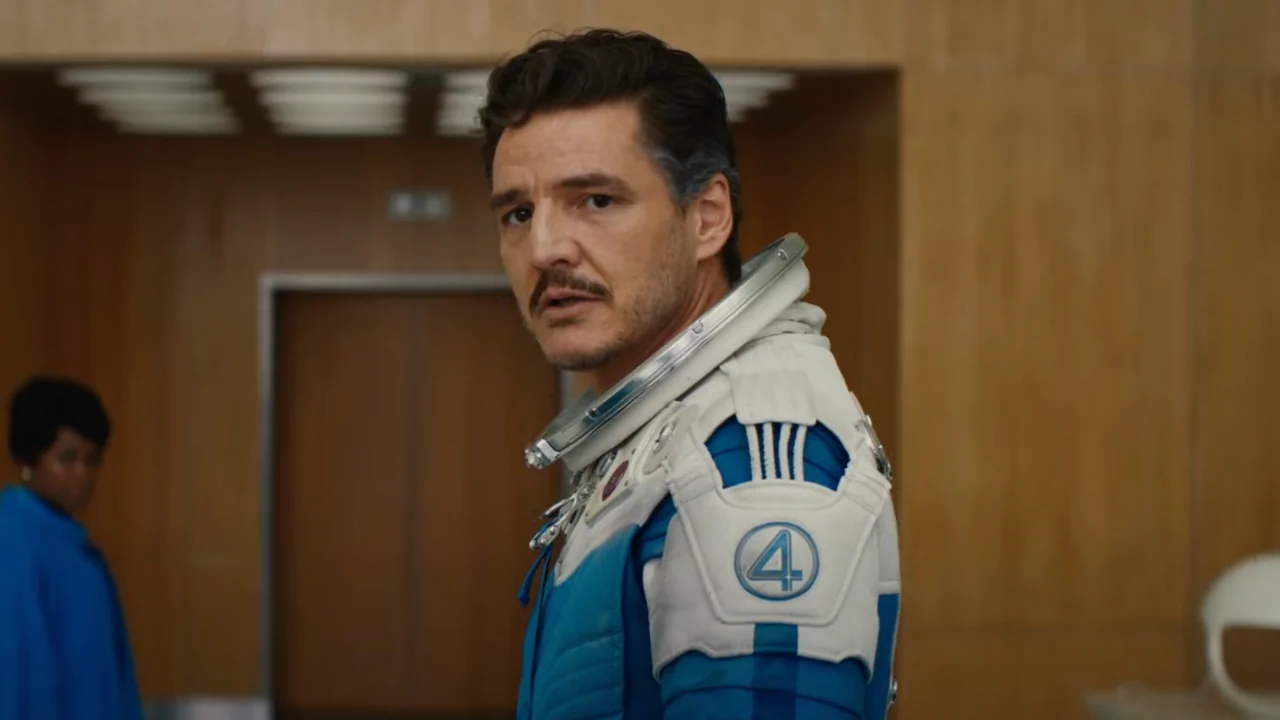
Pedro Pascal as Reed Richards in Fantastic Four: First Steps – YouTube, Marvel Entertainment
These explanations aren’t without merit. The MCU’s output exploded post-2019, with Phases 4 and 5 delivering over 20 projects in five years, compared to the more measured pace of earlier phases. Combined with economic pressures and competition from other streamers, it’s easy to see why box office numbers have dipped and contributed to the decline of Marvel.
But that’s not the end of the story.
Evidence from the Box Office: Fantastic Four: First Steps as a Case Study
The latest indicator of trouble is The Fantastic Four: First Steps, which opened strong with $117.6 million domestically but plummeted 66% in its second weekend to just $40 million. Globally, it’s hovering around $369 million, far short of the billion-dollar benchmarks set by pre-2020 MCU films.
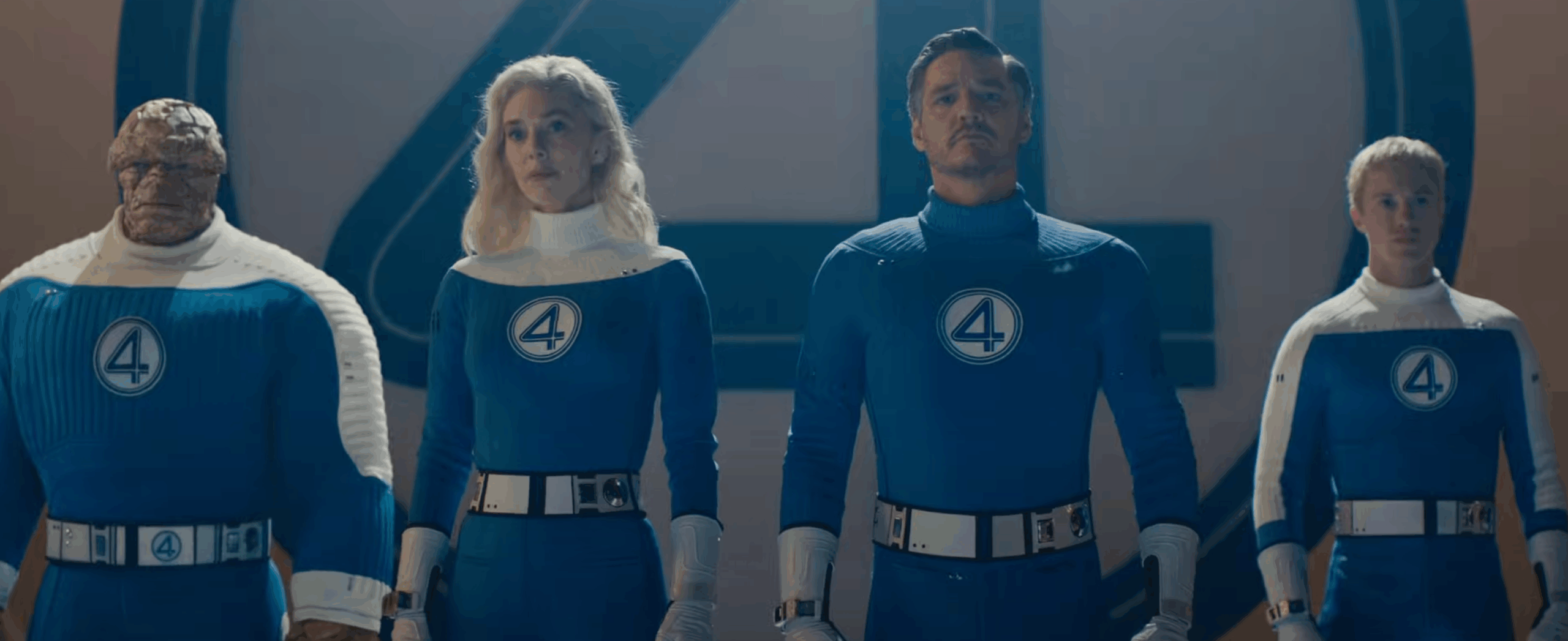
The cast of Fantastic Four: First Steps – YouTube, Marvel Entertainment
Multiple outlets, including Variety and The Hollywood Reporter, described this as a “sharp drop” and “cratering,” signaling that even reboots of beloved properties aren’t immune to audience apathy.
While not a total flop just yet, these figures suggest the MCU’s brand power has weakened, unable to sustain momentum beyond opening weekends.
The Overlooked Factor – Identity Politics and Fan Alienation
While oversaturation and streaming woes are real issues contributing to the decline of Marvel, they don’t fully explain why the MCU has lost its cultural grip.

(L-R): Charlie Cox as Daredevil/Matt Murdock and Tatiana Maslany as She-Hulk/Jennifer “Jen” Walters in Marvel Studios‘ She-Hulk: Attorney At Law, exclusively on Disney+. Photo by Chuck Zlotnick. © 2022 MARVEL.
A deeper issue, often sidestepped by media sympathetic to Disney, is the franchise’s pivot toward so-called “wokeness”—prioritizing identity politics, progressive messaging, and diverse representation over compelling storytelling and character depth.
This has alienated core fans who once flocked to Marvel for escapist, hero-driven adventures, not lectures on social issues.
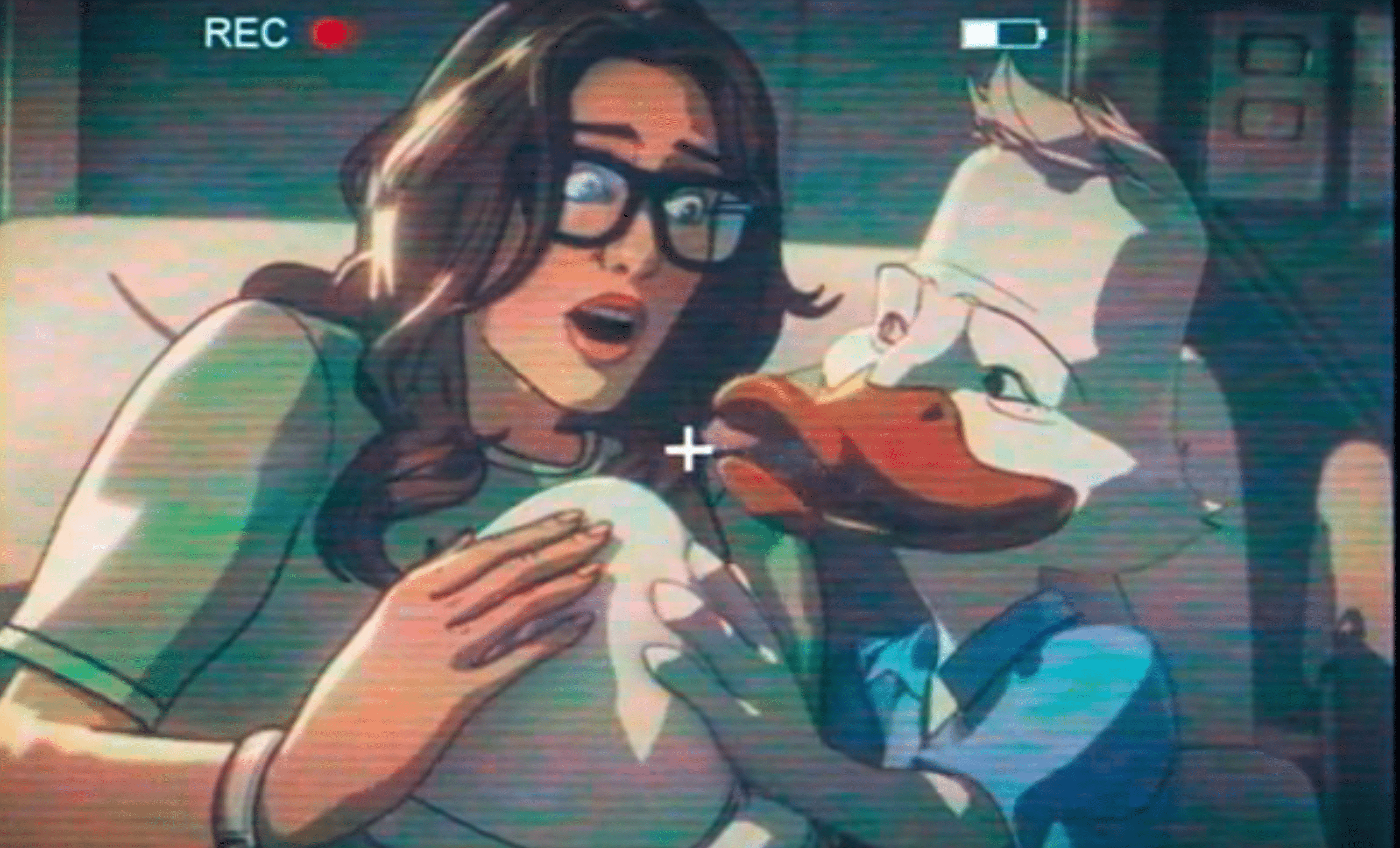
Darcy and Howard the Duck after the…birth of their child…in Marvel’s What If…? Season 3 – Disney Plus
On platforms like X, fan reactions paint a vivid picture. Many users blame “DEI hires” (diversity, equity, and inclusion initiatives) and “woke culture” for turning off audiences, particularly straight male viewers who formed the MCU’s early base.
If you watch the Marvel movies chronologically you can tell when the woke started changing everything. The heroes got less masculine and the themes less dark and deep. Everything got lighter and sillier and more zoomery in the humor. It’s hard to not hate these ppl
— Pay Roll Manager Here (@UsingLyft) July 10, 2025
For example, one post lamented the shift to “less masculine” heroes and “sillier” themes in recent films, pinpointing a post-Endgame decline. Another highlighted specific flops like The Marvels and Eternals, attributing their failure to a focus on identity that sidelined traditional leads.
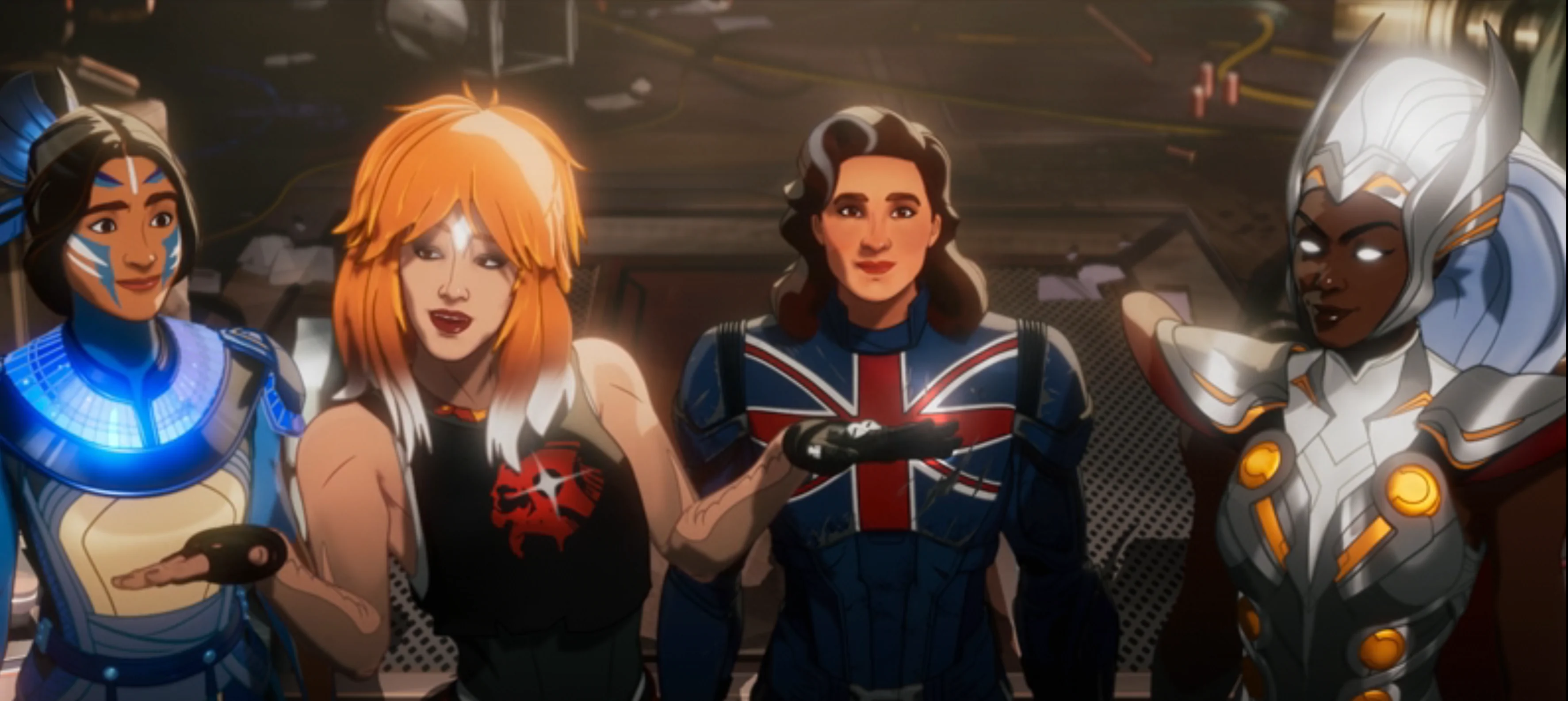
Captain Carter and her team of multiversal super women in Marvel What If…? Season 3 – Disney Plus
This isn’t just anecdotal grumbling. Films perceived as “woke”—such as The Marvels with its emphasis on female empowerment and diversity—bombed spectacularly, grossing only $206 million worldwide against a massive budget.
In contrast, Deadpool & Wolverine, which leaned into irreverent, non-preachy humor and traditional male leads, crossed $1 billion, suggesting audiences reward quality over ideology. Critics like those at Spiked have echoed this, noting Hollywood’s pattern of “going woke” led to financial losses, as seen in canceled projects like Eternals 2 and Captain Marvel 3.
When will Hollywood learn that we don’t want to watch woke films? Marvel is the latest studio to lose millions after trying to preach to its fanbase. Filmmakers seem to hold their audiences in contempt, writes Laurie Wastell https://t.co/03H4hRCN5u
— spiked (@spikedonline) January 11, 2024
Bad writing compounds the problem. X users frequently call out “terrible writing, ignoring source material, and political pandering,” accusing Marvel of hiring activists over skilled storytellers.
Marvel’s decline is easy to understand:
Terrible writing, ignoring source material and political pandering (to non-fans).
Then labelling the fanbase as toxic for rejecting mediocrity and distorted versions of the characters they grew up with.@MarvelStudios free advice 👆
— New Age Critic (@newagecritic) December 29, 2024
This resonates with Forbes’ own critique of post-Endgame fizzling due to lackluster creativity. When diversity feels forced rather than organic—like in Falcon and the Winter Soldier’s lectures on immigration and open borders or Ant Man & The Wasp Quantumania’s socialism discussions—it turns entertainment into propaganda, driving fans away.
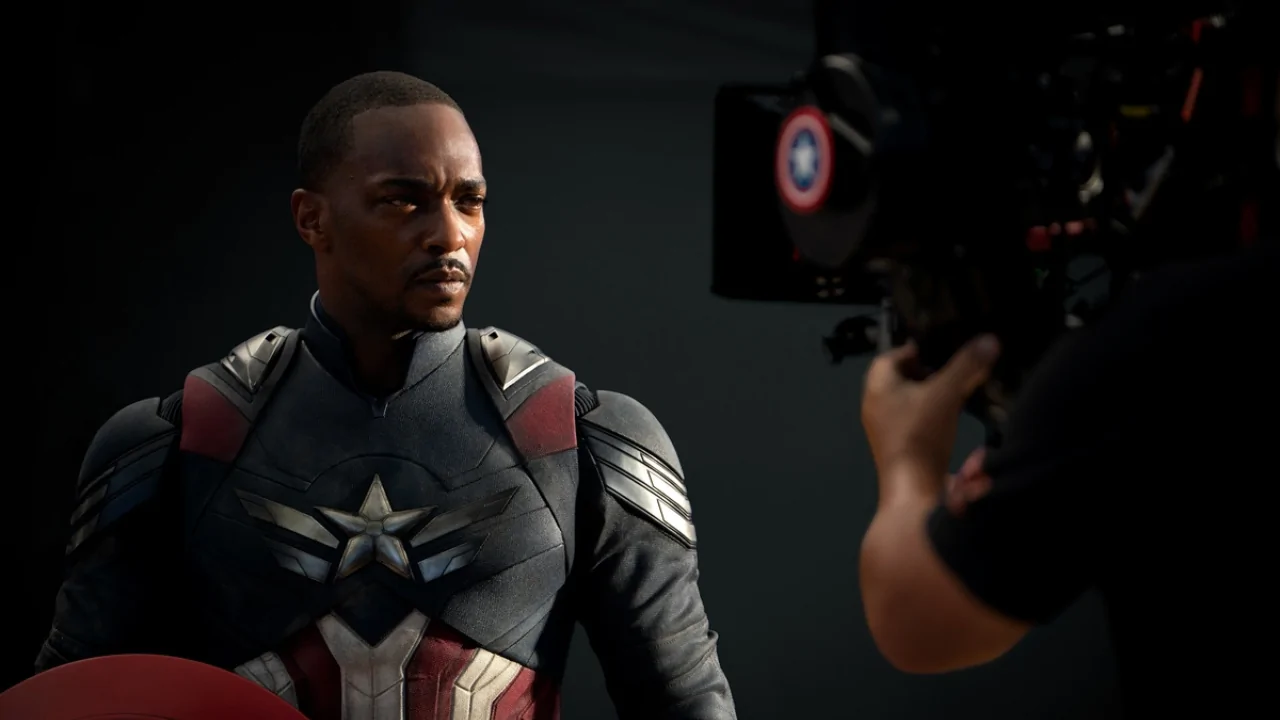
Anthony Mackie behind the scenes of Marvel Studios’ CAPTAIN AMERICA: BRAVE NEW WORLD. Photo by Eli Adé. © 2024 MARVEL.
Hits like Black Panther proved inclusive stories, like any story, can thrive when well-executed. The real disease is imbalance: sacrificing merit for messaging, as seen in emasculated heroes (e.g., a “wimpy” Hulk) or uninspired girlboss arcs.
Moving Forward: Can Marvel Recover?
The media’s blame game—focusing on fatigue and streaming while ignoring fan alienation—does Disney no favors. To rebound from its historic decline, Marvel must refocus on merit-based storytelling that respects its roots while evolving inclusively.
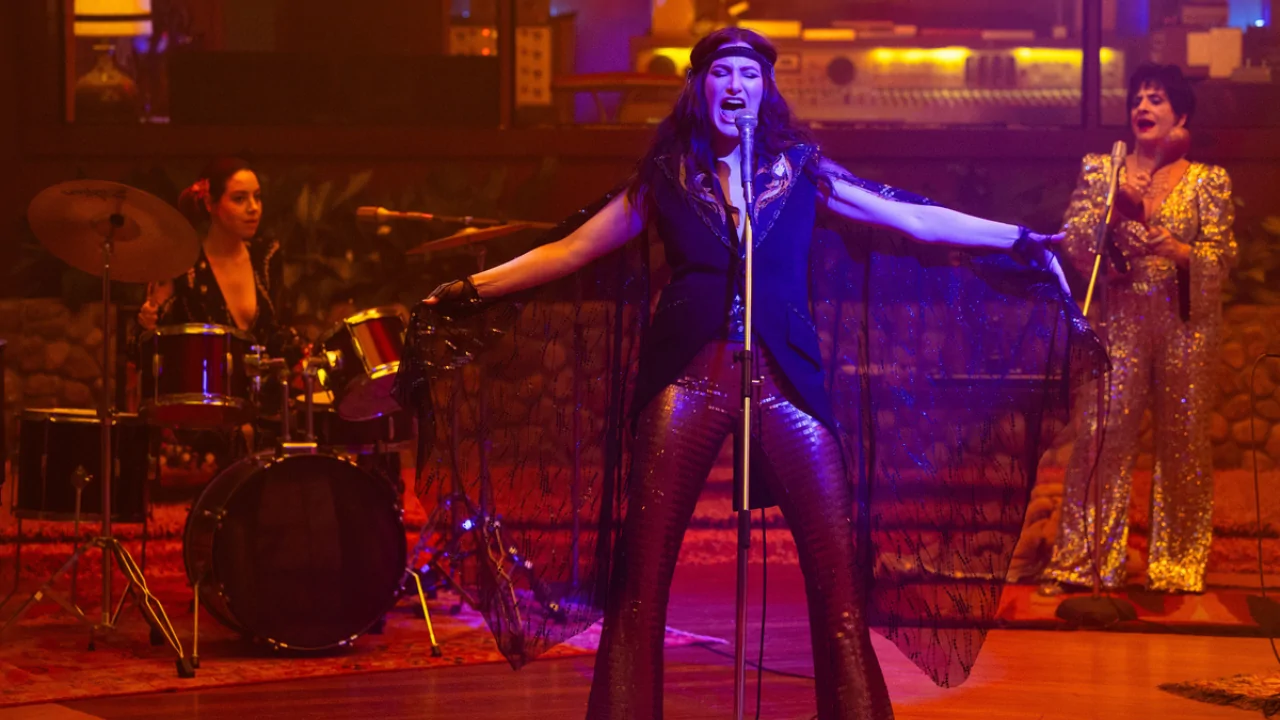
(L-R) Rio Vidal (Aubrey Plaza), Agatha Harkness (Kathryn Hahn) and Lilia Calderu (Patti LuPone) in Marvel Television’s AGATHA ALL ALONG, exclusively on Disney+. Photo by Chuck Zlotnick. © 2024 MARVEL.
If recent X sentiment is any guide, ignoring the backlash will only accelerate the decline. The box office doesn’t lie, and neither do the fans.
Do you think the media will ever acknowledge identity politics as a reason for the decline of Marvel? Sound off in the comments and let us know!
UP NEXT: Steam Owner Valve Pushes Back Against Mastercard in Ongoing Dispute Over Gaming Censorship
