


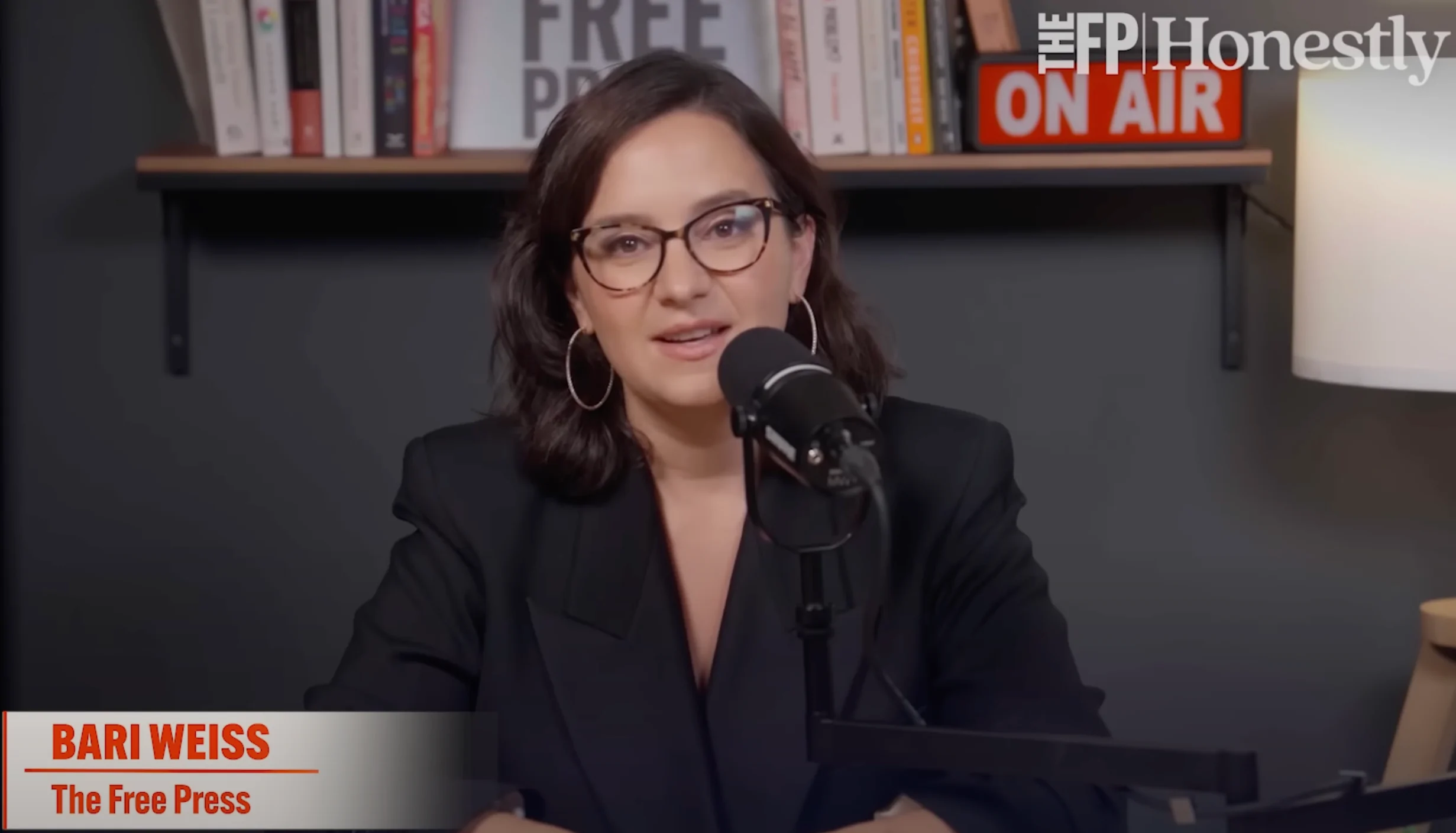
Bari Weiss’ decision to pull a 60 Minutes segment became a flashpoint inside CBS News this week after the network’s editor-in-chief defended her decision to axe the story. This triggered internal dissent, public criticism, and renewed debate over newsroom standards and political pressure.
Weiss addressed the controversy in a memo to staff, insisting the move was necessary to preserve journalistic integrity, even as veteran 60 Minutes journalists openly disputed her reasoning and characterized the decision as politically motivated.
Weiss: “No Amount of Outrage Will Derail Us”
In a memo sent to CBS News staff and reported by The Hollywood Reporter, Weiss framed the decision as part of a broader effort to restore trust in a media environment she described as distorted and polarized.
“No amount of outrage – whether from activist organizations or the White House – will derail us,” the memo reads. “We are not out to score points with one side of the political spectrum or to win followers on social media. We are out to inform the American public and to get the story right.”

The logo for 60 Minutes – YouTube, CBS Evening News
Weiss acknowledged that the decision would be controversial, describing it as something that “may seem radical” in the current political climate. Still, she argued that controversy alone cannot dictate editorial judgment.
“Such editorial decisions can cause a firestorm, particularly on a slow news week,” she wrote. “And the standards for fairness we are holding ourselves to, particularly on contentious subjects, will surely feel controversial to those used to doing things one way. But to fulfill our mission, it’s necessary.”
The Pulled Segment and Its Aftermath
The shelved 60 Minutes story axed by Bari Weiss focused on Venezuelan migrants deported under the Trump administration to a prison facility in El Salvador. According to reporting, Weiss opted to hold the segment after administration officials declined to participate in on-camera interviews.
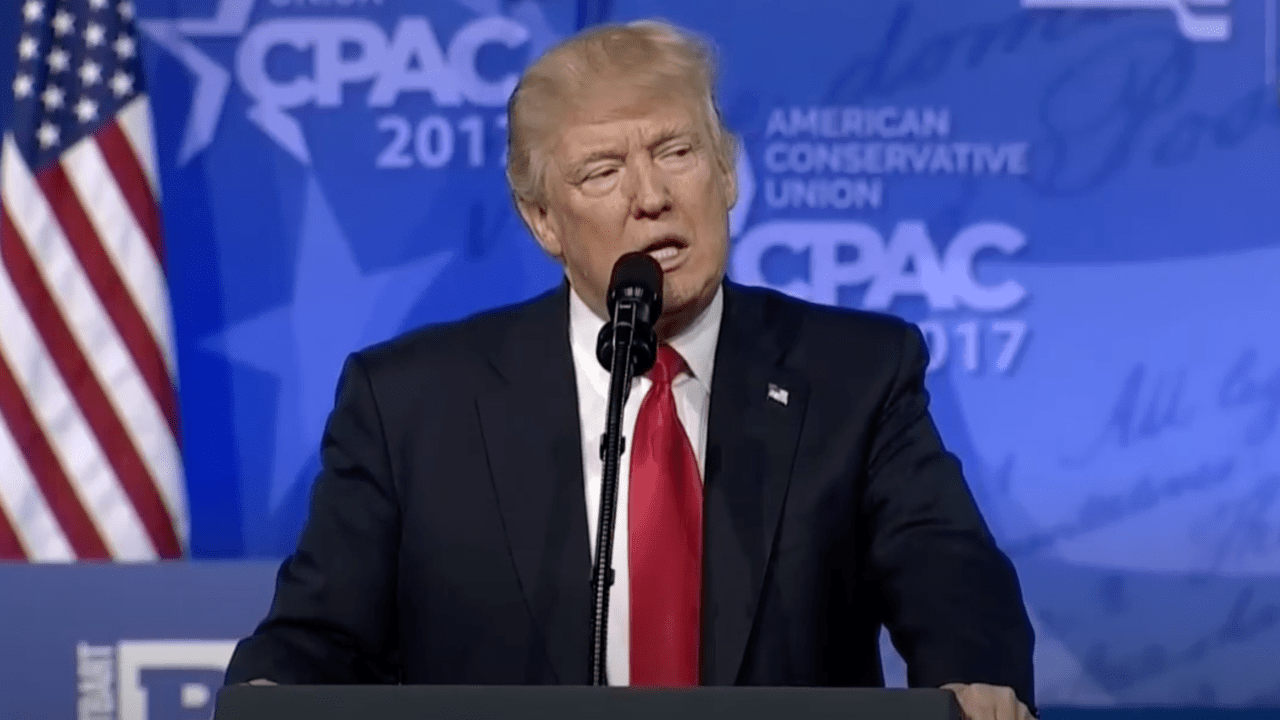
President Donald Trump speaks at CPAC in 2017 – YouTube, The New York Times
Despite being pulled from the U.S. broadcast, the segment later aired in Canada through Global TV, which holds the rights to 60 Minutes north of the border. Clips from the episode quickly circulated online, intensifying criticism and undermining claims that the segment was incomplete or unready for air.
Internal Pushback From 60 Minutes
The most direct challenge to Weiss’s decision came from 60 Minutes correspondent Sharyn Alfonsi, who sent a message to colleagues disputing Weiss’s characterization of the editorial process.
“Our story was screened five times and cleared by both CBS attorneys and Standards and Practices,” she said. “It is factually correct. In my view, pulling it now—after every rigorous internal check has been met is not an editorial decision, it is a political one.”
Alfonsi’s message demonstrated the growing internal tensions within CBS News, particularly between leadership and legacy newsroom teams accustomed to long-standing editorial procedures.
Weiss Emphasizes Trust and Newsroom Culture
Bari Weiss also addressed the 60 Minutes controversy during a company-wide call earlier in the week, returning repeatedly to the theme of trust—both internally and with the public.
“I want to say something about trust: our trust for each other and our trust with the public,” Weiss said. “The only newsroom I’m interested in running is one in which we are able to have contentious disagreements about the thorniest editorial matters with respect, and, crucially, where we assume the best intent of our colleagues. Anything else is absolutely unacceptable.”
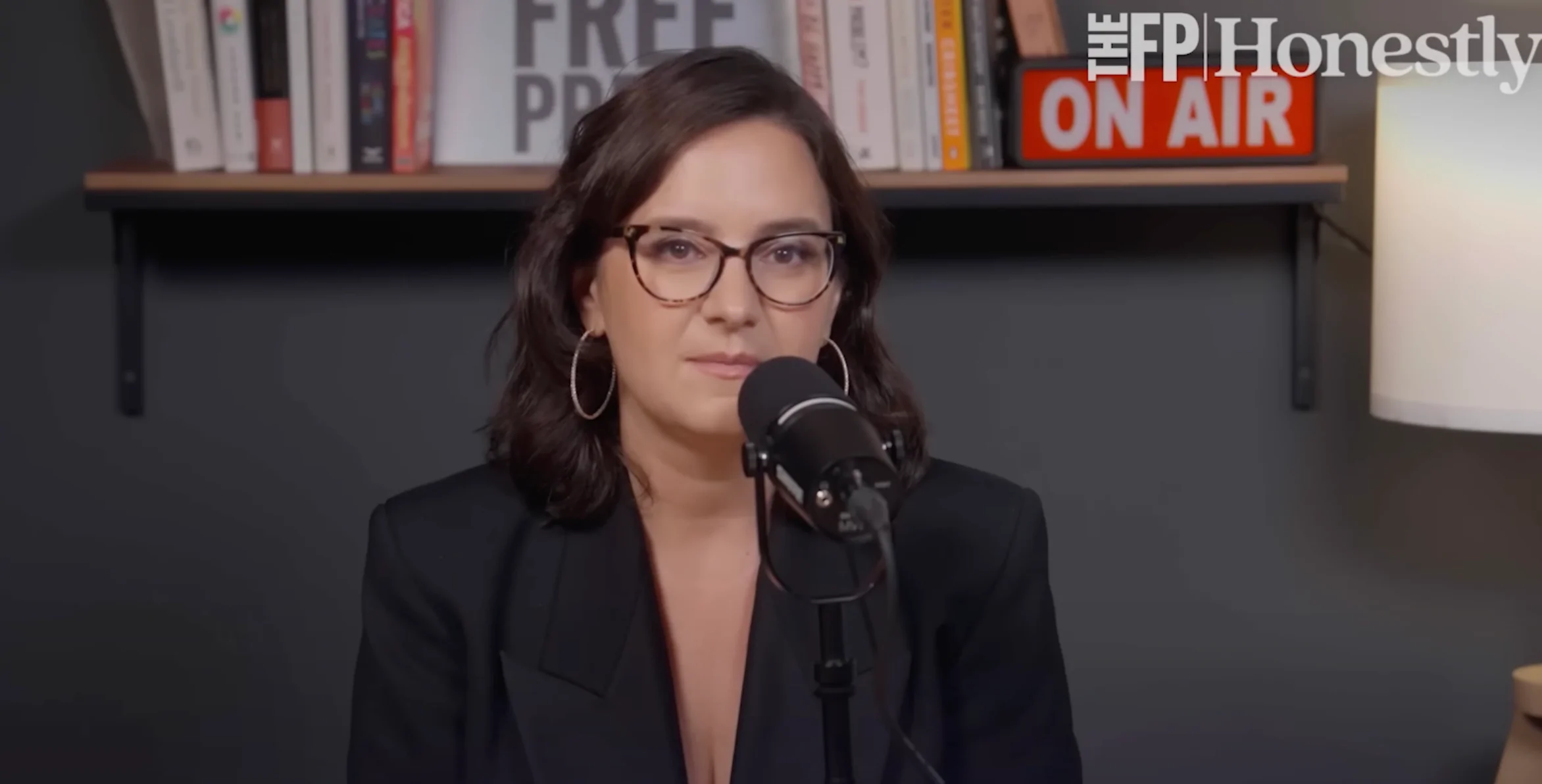
Bari Weiss addresses The Free Press audience – YouTube, The Free Press
READ: Major WBD Shareholder Pushes Back on Paramount’s Amended Bid, Says Offer Still Falls Short
She argued that regaining public confidence requires extra scrutiny, additional reporting, and sometimes delaying stories that touch on politically charged subjects.
A Broader Shift at CBS News
The controversy marks the latest flashpoint since Weiss assumed leadership of CBS News following Paramount’s acquisition of The Free Press. Weiss has taken on the role with the full backing of Paramount CEO David Ellison, who has echoed her view that traditional media outlets have failed to serve a large segment of the American public.
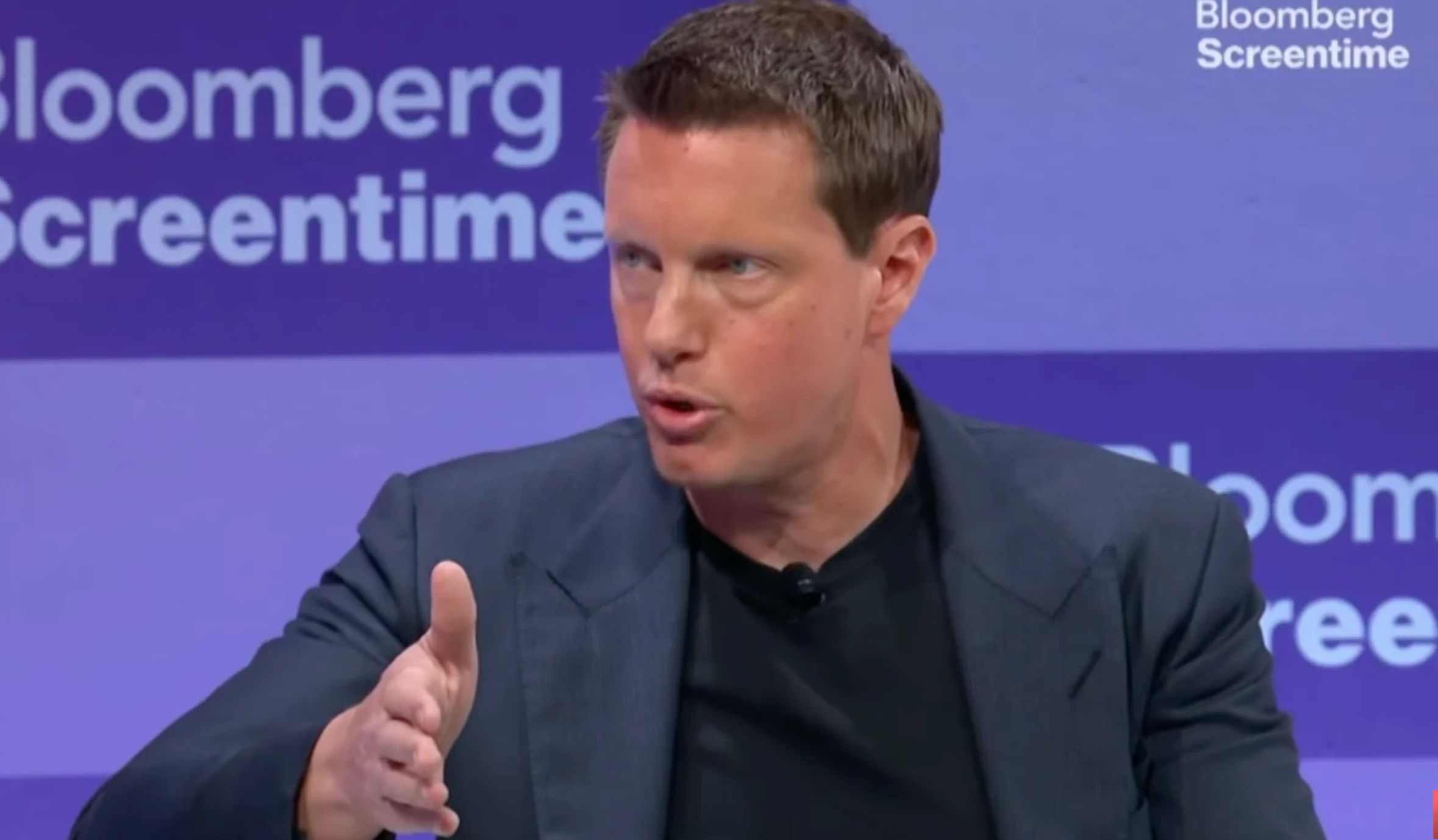
David Ellison in an interview with Bloomberg – YouTube, Bloomberg Podcasts
Both Weiss and Ellison have publicly argued that there is an underserved audience that does not align neatly with either political extreme—an audience they believe CBS News must work to regain.
Whether that strategy succeeds remains to be seen, but the Bari Weiss 60 Minutes dispute has already become a defining test of her leadership, highlighting deep divisions over editorial authority, political pressure, and what journalistic integrity means in an increasingly fractured media landscape.
Do you think Bari Weiss was correct in pulling that 60 Minutes segment? Sound off in the comments and let us know!
UP NEXT: Major WBD Shareholder Pushes Back on Paramount’s Amended Bid, Says Offer Still Falls Short
