


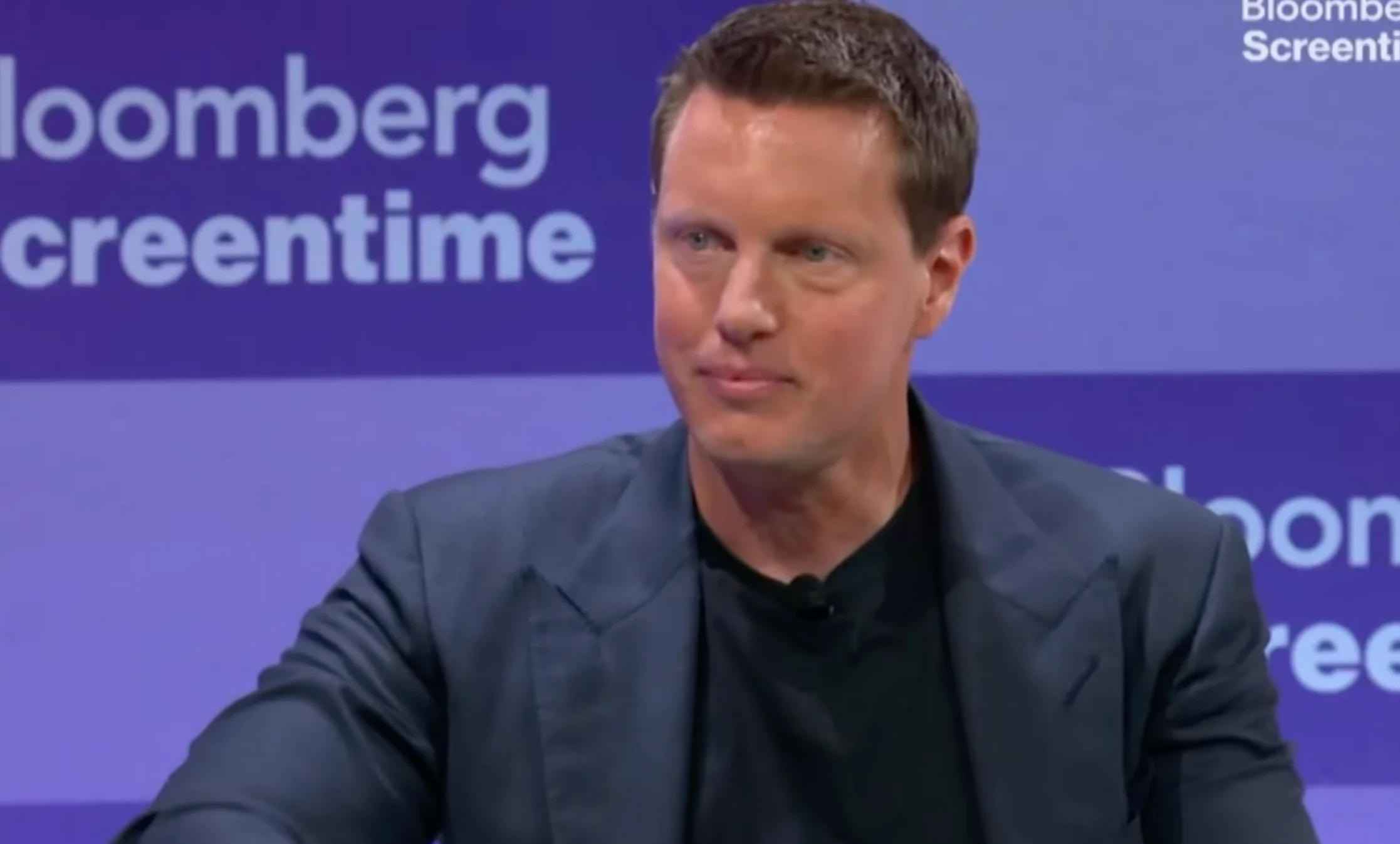
The legal battle over the proposed $111 billion Paramount-Warner Bros. merger is dragging on, and once again it was a Biden-appointed federal judge who prevented the deal from moving forward after approval was received by the Trump DOJ.
On Thursday, U.S. District Judge Araceli Martínez-Olguín extended the temporary restraining order blocking Paramount and Warner Bros. from closing their proposed merger for another 14 days, meaning the companies cannot complete the transaction before August 18.
The extension comes just days after the same judge issued the original restraining order, ensuring one of the largest media mergers in recent history remains frozen while legal challenges continue.
Biden-Appointed Judge Keeps Deal on Hold
Judge Martínez-Olguín, who was nominated to the federal bench by President Joe Biden and confirmed in 2023, is scheduled to hear arguments on August 3 over whether the temporary restraining order should become a preliminary injunction.
If granted, that injunction could keep the merger from closing for months while the broader lawsuit works its way through federal court.
Thursday’s ruling does not decide the merits of the case, but it does mark the second time Martínez-Olguín has prevented Paramount and Warner Bros. from completing the merger.
Paramount has asked for a three-day evidentiary hearing later in August, arguing it should be permitted to cross-examine witnesses presented by the states challenging the transaction.
The coalition of states has opposed that request, arguing Paramount is effectively attempting to accelerate portions of the trial process before they have sufficient time to prepare.
The Politics Behind the Lawsuit Can’t Be Ignored
While the case will ultimately be decided under federal antitrust law, the political backdrop surrounding the lawsuit has become increasingly difficult to ignore.
The lawsuit seeking to block the merger was filed by a coalition of 12 Democratic attorneys general, led by California Attorney General Rob Bonta.
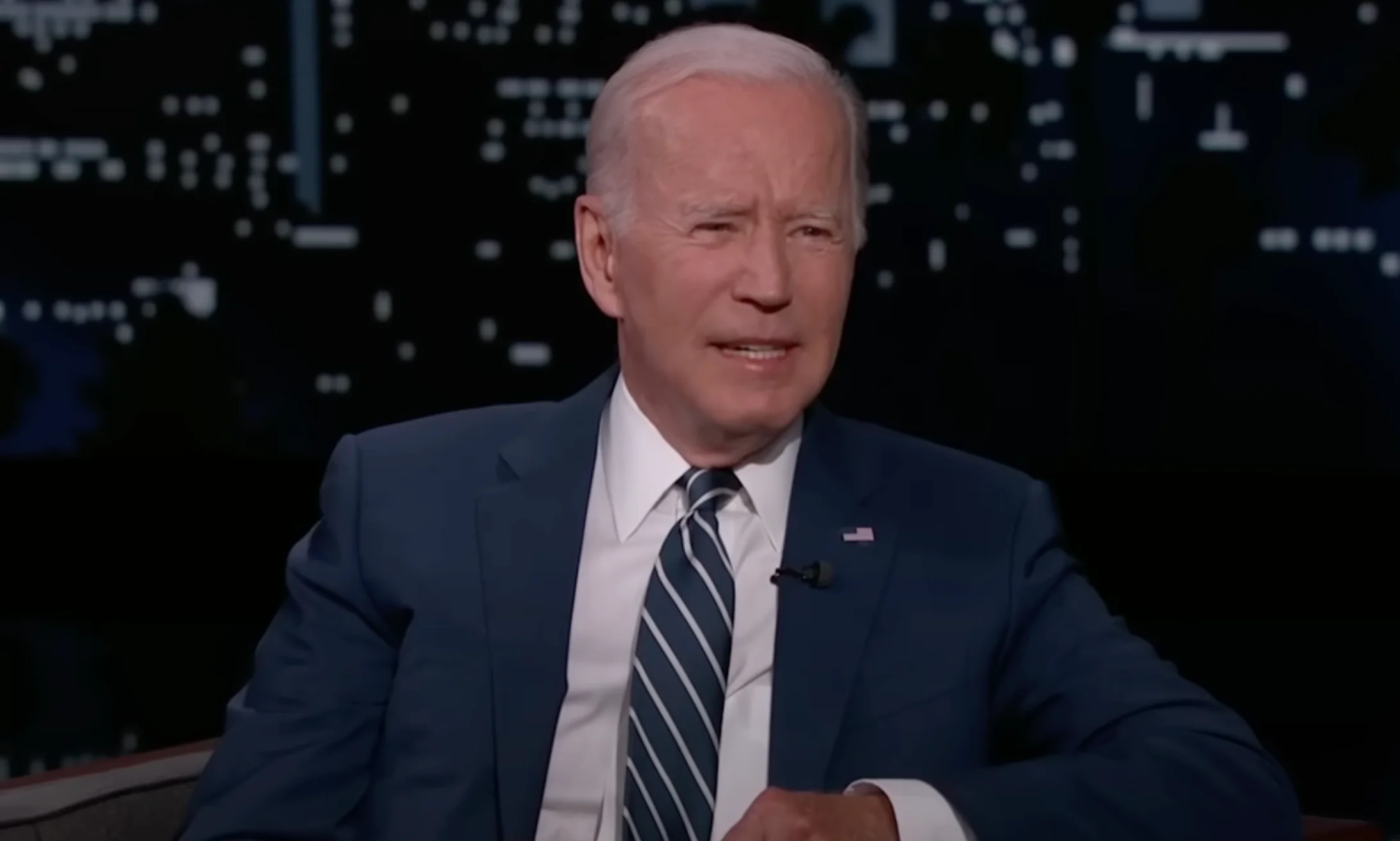
Joe Biden being interviewed by Jimmy Kimmel – YouTube, Jimmy Kimmel Live!
Now, the case is being overseen by a Biden-appointed federal judge who has twice ruled to keep the merger from closing while litigation proceeds.
Those are objective facts, and they inevitably raise questions about the political optics surrounding one of the entertainment industry’s most consequential legal battles.
Whether politics ultimately plays any role in the final outcome remains to be seen. The court’s decision must ultimately rest on the legal arguments presented by both sides. Nevertheless, with an all-Democrat coalition bringing the lawsuit and a Biden-appointed judge overseeing the case, the political context is certain to remain part of the public discussion.
Why This Merger—and Not Others?
The lawsuit has also prompted questions about consistency in antitrust enforcement.
Disney’s acquisition of most of 21st Century Fox created one of the largest entertainment companies in history and ultimately received regulatory approval.
Now Paramount and Warner Bros. face coordinated legal action from a coalition of Democratic attorneys general before their merger has even been allowed to close.

A CNN Report on President Trump – YouTube, CNN
Supporters of the lawsuit argue the current transaction presents unique competitive concerns. Critics counter that the differing treatment raises legitimate questions about whether similar media mergers are being evaluated under the same standards.
Another notable wrinkle is what this merger would mean for CNN, which would become part of the combined company if the deal proceeds. CNN has long been viewed by many conservatives as a left-leaning news outlet, and President Donald Trump has repeatedly accused the network of acting as an arm of the Democrat Party and producing “fake news.”
The prospect of the network ultimately falling under the control of David Ellison—who is widely viewed as having a friendlier relationship with President Trump—has only intensified public interest in the merger as political and legal battles continue.
WGA Also Wants the Merger Blocked
The Writers Guild of America has separately filed its own lawsuit seeking to stop the merger.
The union argues combining Paramount and Warner Bros. would further consolidate power among major Hollywood studios, reduce opportunities for writers, suppress compensation, and lead to increasingly homogenized entertainment.

The logo for Paramount Skydance – Paramount
Judge Martínez-Olguín ruled Thursday that the WGA’s request for an injunction will proceed on the same timetable as the states’ challenge.
Both matters are expected to be heard during the August 3 proceedings.
Paramount Says the Merger Is Necessary
Paramount continues to argue that the merger is essential if the company hopes to compete against increasingly dominant streaming giants such as Netflix, Amazon, and other technology companies.
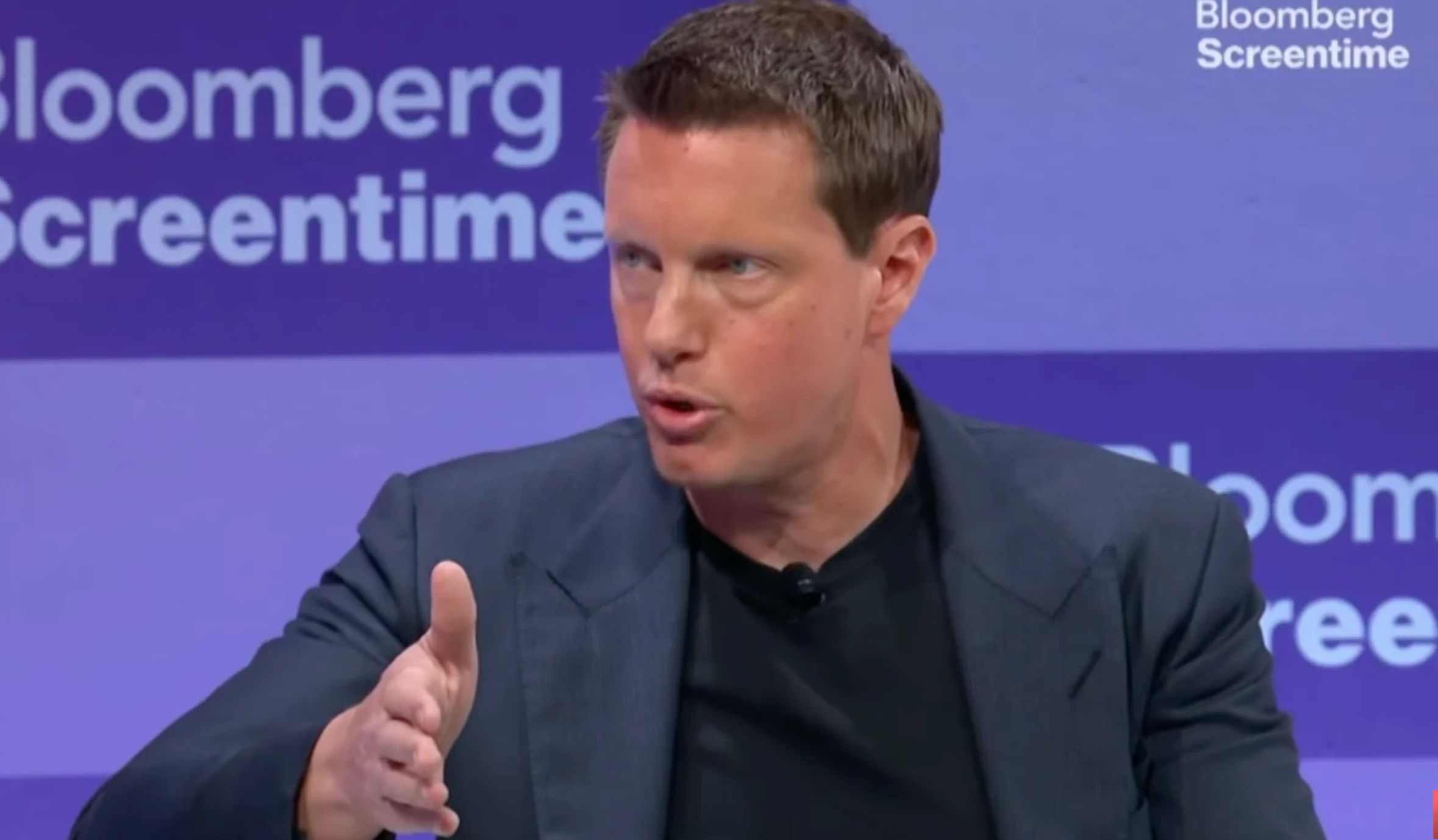
David Ellison in an interview with Bloomberg – YouTube, Bloomberg Podcasts
The studio has argued that blocking the transaction would actually strengthen those larger competitors while preventing Paramount and Warner Bros. from achieving the scale necessary to remain competitive in today’s entertainment marketplace.
For now, however, those arguments have not persuaded the court to lift the restraining order.
What’s Next?
The next major hearing is set for August 3, when Judge Martínez-Olguín will decide whether the temporary restraining order should become a preliminary injunction.
That decision could determine whether Paramount and Warner Bros. move one step closer to completing one of Hollywood’s biggest mergers—or remain tied up in court for months.

Logos for Paramount Skydance and Warner Bros. – Paramount, WB
Regardless of how the judge ultimately rules, this case has already become more than just another antitrust dispute. With an all-Democrat coalition of attorneys general bringing the lawsuit and a Biden-appointed judge twice preventing the merger from moving forward, the legal fight is unfolding under political circumstances that are unlikely to stop drawing scrutiny as the case continues.
How do you feel about the Paramount Warner Bros. merger? Sound off and let us know!
