



Marvel Studios President Kevin Feige has officially confirmed what many fans have expected for years: Miles Morales is coming to the Marvel Cinematic Universe.
Speaking recently about Spider-Man’s future, Feige revealed that Marvel plans to introduce Miles in live action after Sony’s animated Spider-Verse trilogy concludes, avoiding overlap between the two versions of the character.
For many Spider-Man fans, however, the announcement has generated just as much concern as excitement.
The issue isn’t Miles Morales himself. It’s Marvel Studios‘ track record.
Kevin Feige Says Miles Morales Will Come After Spider-Verse
Feige explained that Marvel has long discussed bringing Miles Morales into live action, but the studio is waiting until Spider-Man: Beyond the Spider-Verse finishes telling its story.
That approach makes sense from a branding perspective. The animated films have turned Miles into one of Marvel’s most recognizable younger heroes, and introducing another version simultaneously could create confusion.
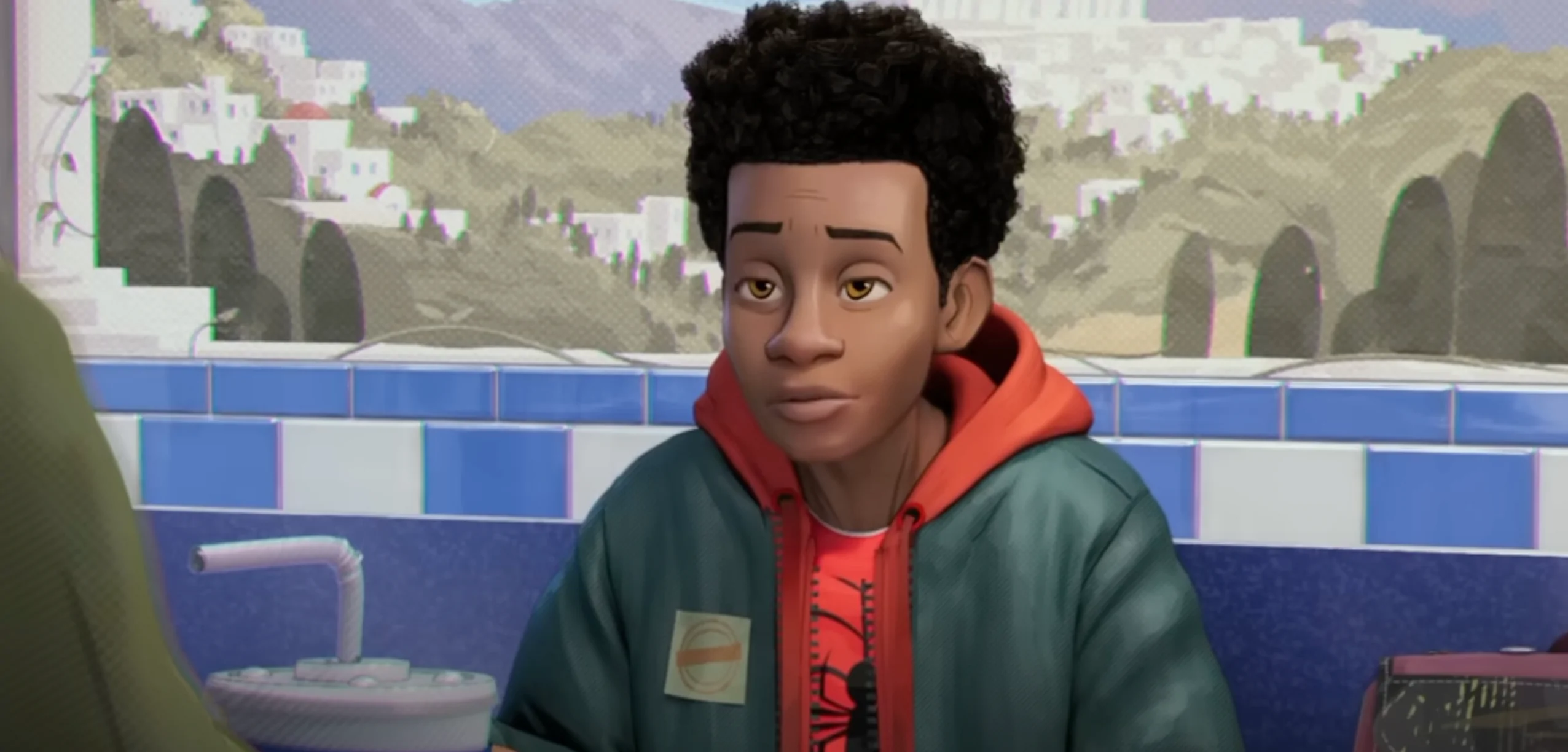
Miles Morales in Spider-Man: Into The Spider-Verse – YouTube, Sony Pictures Entertainment
READ: Disney Springs’ New Restaurant Six Ravens Reveals Menu and Prices
Once the animated trilogy concludes, however, the door appears wide open for Miles to join the MCU.
Considering Marvel and Sony continue developing future Spider-Man films, the timing lines up with what many fans have anticipated.
Miles Morales Isn’t the Problem
Miles Morales has earned his popularity.
His starring role in the Spider-Verse films has been widely praised and he’s appeared in many popular comics. His appearances in the Insomniac Spider-Man games have drawn mixed reactions, with many praising the game Spider-Man: Miles Morales while also pointing out some glaring issues in Spider-Man 2 in regards to how Peter and Miles are presented.
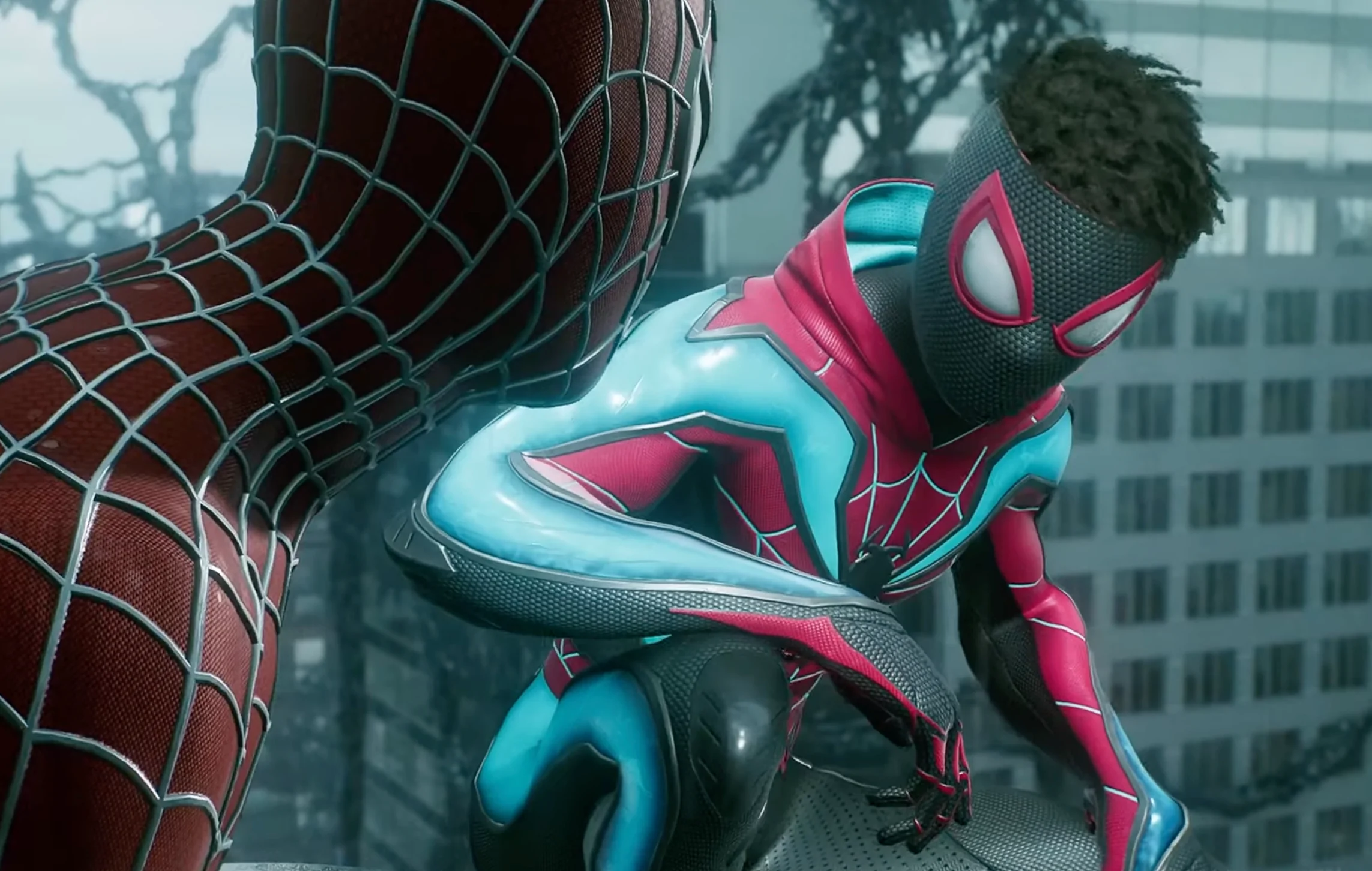
Miles Morales in the Adidas Evolved Suit in Marvel’s Spider-Man 2 – YouTube, Dan Allen Gaming
Still, much of the conversation surrounding Feige’s comments isn’t actually about Miles.
Instead, it’s about Marvel Studios.
Marvel Has Established a Pattern With Legacy Heroes
Since Avengers: Endgame, Marvel has repeatedly shifted focus toward younger successors taking over iconic mantles.
Sam Wilson became Captain America. Kate Bishop became Hawkeye’s successor. Riri Williams was introduced as Ironheart following Tony Stark’s death. Jennifer Walters became She-Hulk alongside Bruce Banner.
Individually, there’s nothing inherently wrong with introducing new heroes.
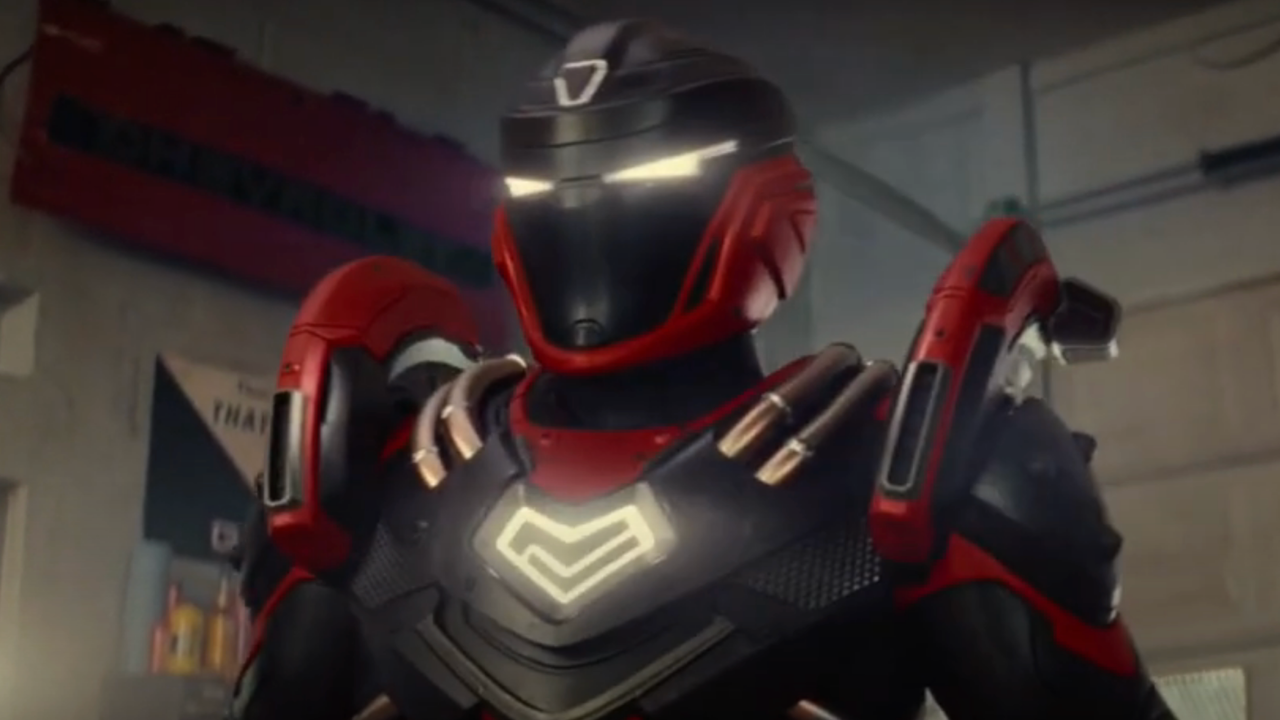
Ironheart in her new suit – Disney+
READ: Kevin Feige Claims Secret Wars Will Create New Streamlined Marvel Universe But Won’t Reboot the MCU
The criticism many fans have voiced is that Marvel has too often elevated those successors by diminishing the legacy characters who made those franchises successful in the first place.
Rather than allowing both generations to stand on equal footing, audiences have frequently felt that established heroes are sidelined so their replacements can immediately appear more capable, more enlightened, or simply better suited for the future. This was also the problem many had with Insomniac’s Spider-Man 2.
Whether that perception is entirely fair or not, it has become one of the defining criticisms of Marvel Studios’ post-Endgame era.
Spider-Man Fans Have Reason to Be Cautious
That history is why Feige’s confirmation has been met with skepticism in some corners of the fanbase.
Peter Parker is Spider-Man, and he remains one of the most beloved superheroes ever created. Many fans aren’t opposed to Miles Morales joining the MCU. They’re just worried about what Marvel may do to Peter once he arrives.
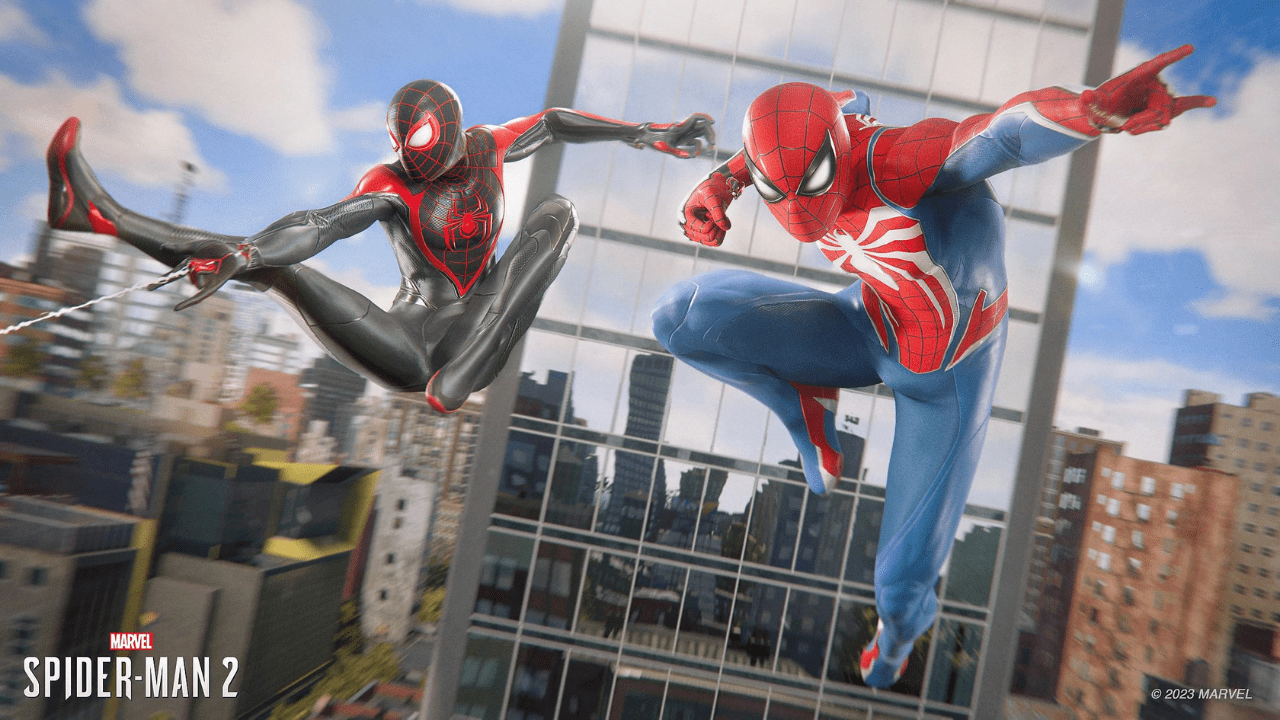
Miles Morales and Spider-Man in Marvel’s Spider-Man 2 (2023), Insomniac Games
The best Spider-Man stories prove that both heroes can coexist. Peter serves as an experienced mentor while continuing to grow as his own hero, and Miles earns his place through his own victories and struggles—not because Peter suddenly becomes less competent.
That balance has worked exceptionally well in the past. The question is whether Marvel Studios will follow that blueprint.
Marvel Has an Opportunity to Do This Right
Introducing Miles Morales should be one of the MCU’s easiest wins.
He’s already an enormously popular character with a passionate fanbase.
But Marvel’s recent handling of legacy heroes means audiences are likely to scrutinize every creative decision surrounding his debut.
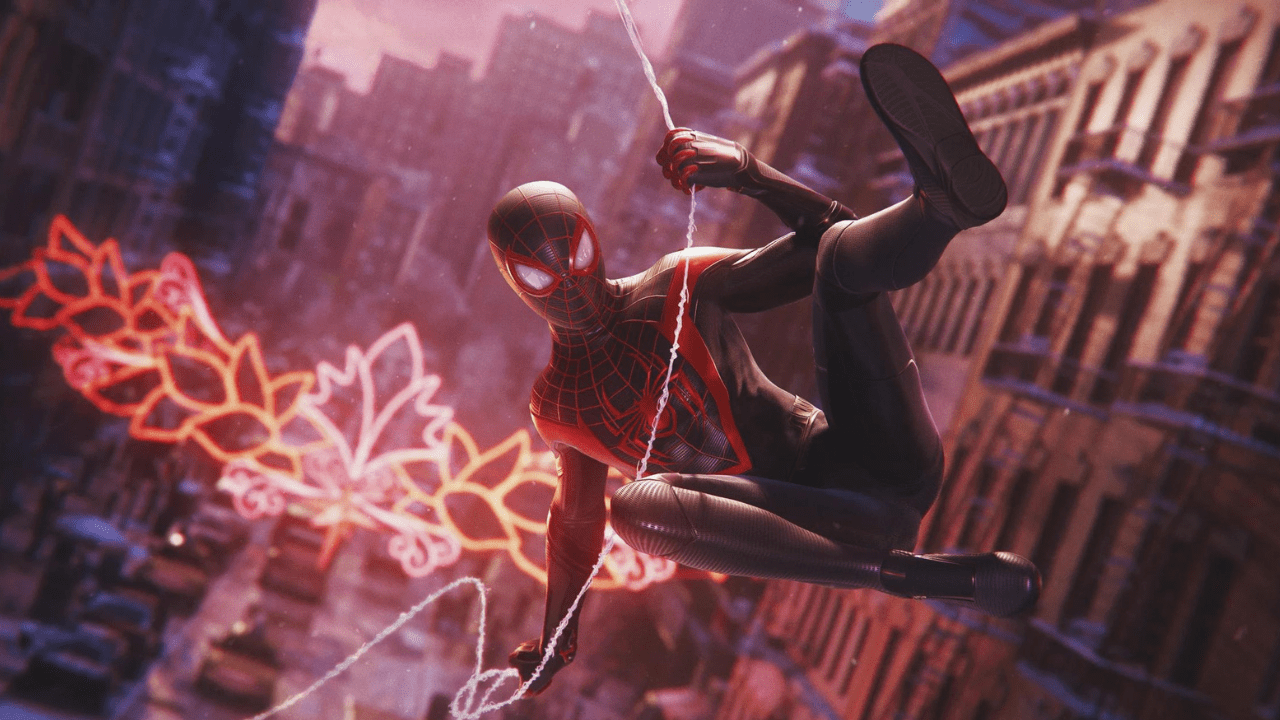
Miles Morales in Marvel’s Spider-Man: Miles Morales (2020), Insomniac Games
If Peter Parker remains the Spider-Man fans have followed for years while Miles develops into his own distinct hero, both characters can thrive together.
If, however, Marvel falls back on a formula that many fans believe has defined its recent storytelling—building up the successor by tearing down the original—then Feige’s announcement may become another flashpoint in the ongoing debate surrounding the studio’s direction.
Miles Morales has already proven he can stand on his own. Marvel now has to prove it knows how to let him do exactly that without sacrificing the hero who paved the way.
Do you think Miles Morales can succeed in the MCU? Sound off and let us know!
