


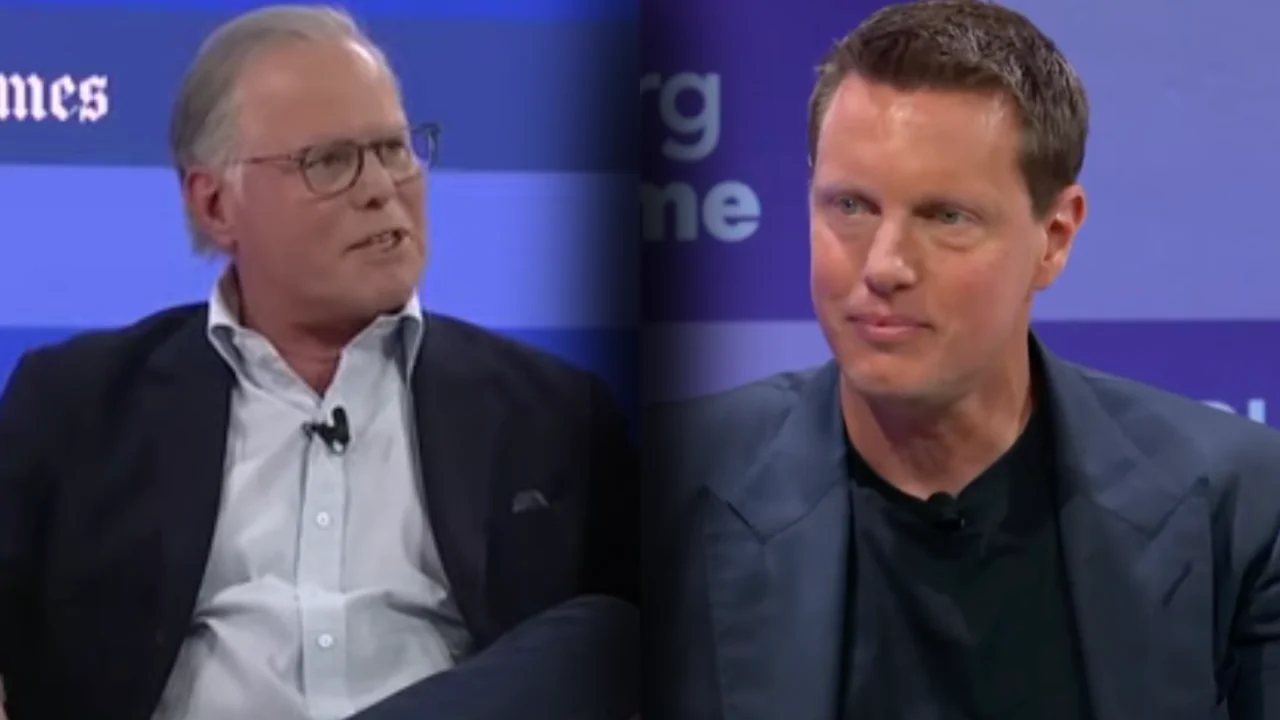
The Department of Justice has unconditionally approved the proposed Paramount Skydance Warner Bros. Discovery merger.
The decision clears one of the largest remaining hurdles facing the estimated $111 billion transaction and moves the merger significantly closer to completion.
If finalized, the deal would create an entertainment giant unlike anything currently operating in Hollywood, bringing together some of the most recognizable brands in movies, television, streaming, news, and sports under a single corporate umbrella.
The approval arrives despite months of criticism from labor groups, filmmakers, actors, and industry activists who argued the merger would further consolidate power in an entertainment industry already dominated by a handful of major corporations.
The DOJ, however, apparently saw the situation differently.
A New Entertainment Superpower Is Emerging
The scale of the proposed merger is difficult to overstate.
Paramount controls CBS, Paramount Pictures, Paramount+, Showtime, Nickelodeon, Comedy Central, MTV, and a variety of other media properties.
READ: Report Claims Left-Wing Billionaires Are Bankrolling Opposition to Paramount-Warner Bros. Merger
Warner Bros. Discovery owns HBO, HBO Max, Warner Bros. Pictures, CNN, TNT, TBS, Discovery, HGTV, Food Network, and DC Studios.
Together, those assets would create one of the largest content libraries ever assembled.
The merger would place everything from Batman and Superman to Star Trek, Mission: Impossible, South Park, Game of Thrones, CNN, CBS News, March Madness broadcasts, and countless other properties under the same corporate roof.

The logo for Paramount Skydance – Paramount
Supporters argue that kind of scale has become necessary in today’s entertainment landscape.
Streaming competition is no longer limited to traditional Hollywood studios. Companies now compete with Netflix, Amazon, Apple, YouTube, TikTok, and countless digital platforms for audience attention.
In that environment, bigger has increasingly become viewed as safer.
Hollywood’s Campaign to Stop the Paramount Warner Bros. Merger Falls Short
Some of the entertainment industry’s most recognizable voices spent months urging regulators to block the deal.
More than 5,500 filmmakers, actors, writers, and industry professionals signed an open letter opposing the merger, warning it would reduce competition, eliminate jobs, and concentrate even more power among a shrinking number of media giants.
One of the most visible opponents was actor Mark Ruffalo, who became a public face of the anti-merger movement. Ruffalo joined labor organizations and activist groups in arguing that the Paramount-Warner Bros. combination would be harmful for both workers and consumers.

Mark Ruffalo speaking at the 2017 San Diego Comic Con International, for “Thor: Ragnarok” Photo Credit: Gage Skidmore from Peoria, AZ, United States of America, CC BY-SA 2.0 <https://creativecommons.org/licenses/by-sa/2.0>, via Wikimedia Commons
The Teamsters, Writers Guild affiliates, and other industry organizations echoed those concerns. Critics pointed to Paramount’s own projections that the merger could generate billions of dollars in cost savings, arguing that those savings would likely come through layoffs, restructuring, and consolidation.
Historically, major media mergers have often resulted in duplicate departments being eliminated, executive teams being reduced, and overlapping operations being combined.
For opponents, the concern was not whether jobs would disappear, it was how many.
Despite months of lobbying, petitions, public statements, and pressure campaigns, however, the Department of Justice ultimately declined to challenge the transaction. The decision represents a significant setback for merger opponents and a major victory for David Ellison as he moves closer to completing one of the largest media deals in entertainment history.
What Makes This Approval So Significant
The most important part of Friday’s reported decision is not simply that the Department of Justice approved the merger. It is that regulators reportedly approved it without demanding a single concession.
Major corporate mergers often face conditions before they can move forward. Regulators frequently require companies to sell assets, divest business units, accept operational restrictions, or agree to behavioral remedies designed to address competition concerns.
According to reports, however, the DOJ’s Antitrust Division approved the Paramount-Warner Bros. Discovery transaction without requiring divestitures, behavioral remedies, or any other concessions.
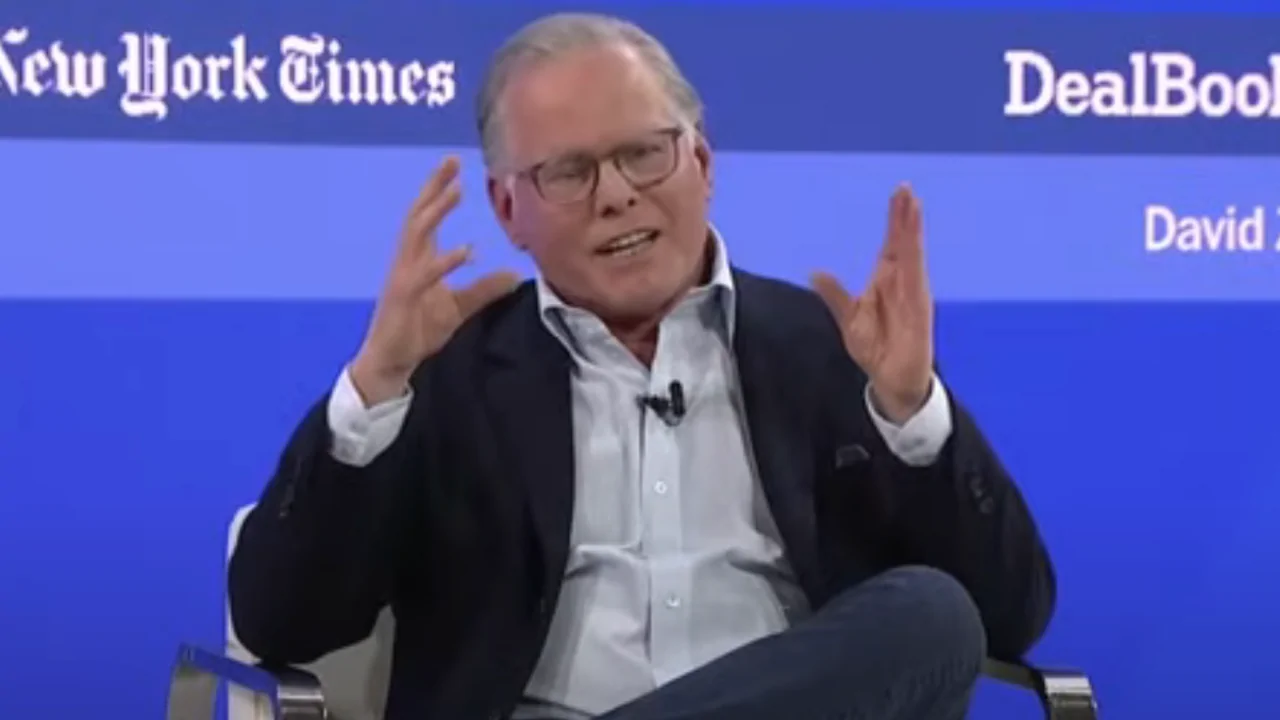
WBD CEO David Zaslav Speaks at a New York Times event – YouTube, New York Times Events
That means David Ellison and Paramount Skydance can continue pursuing the merger exactly as proposed rather than restructuring portions of the deal to satisfy regulators.
In practical terms, this was not merely a regulatory green light. It was one of the strongest endorsements a merger can receive from federal antitrust officials and a clear indication that the DOJ was unconvinced by the arguments put forward by Hollywood activists, unions, and celebrity opponents seeking to stop the deal.
Why Regulators Approved the Deal
The DOJ’s reported approval suggests regulators concluded that the combined company would still face significant competition.
That argument is easier to understand when viewed through the lens of modern media.
Twenty years ago, entertainment companies primarily competed against each other. Today they compete against virtually every screen capable of holding a viewer’s attention.
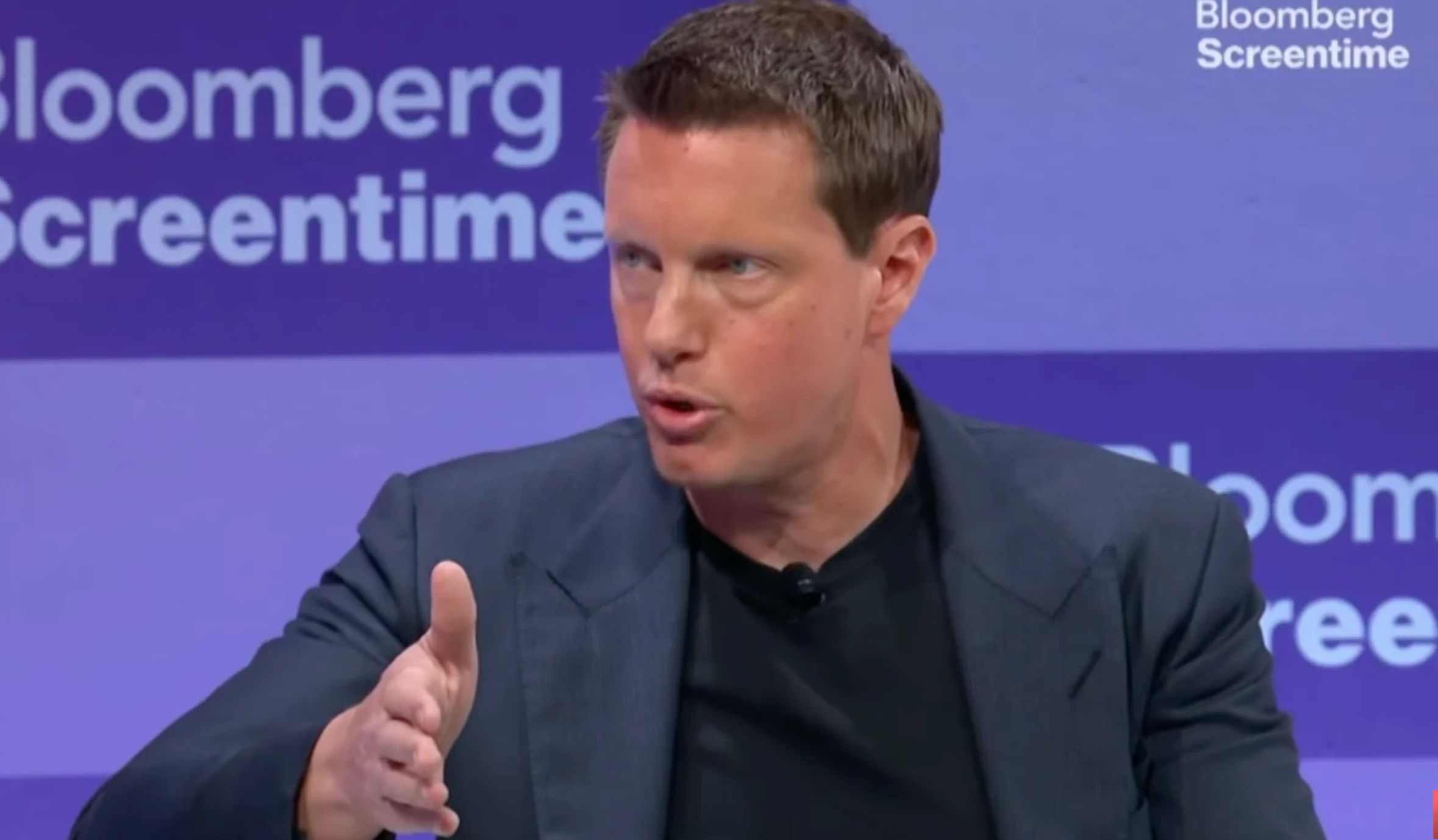
David Ellison in an interview with Bloomberg – YouTube, Bloomberg Podcasts
Netflix spends billions on content, Amazon can subsidize entertainment through its larger retail empire, Apple has nearly unlimited resources, and YouTube creators regularly attract audiences that rival or surpass traditional television networks.
From that perspective, federal regulators may have viewed Paramount and Warner Bros. Discovery less as dominant players and more as companies attempting to survive in a rapidly changing marketplace.
Whether that assessment proves correct remains to be seen.
The Future of CNN and Streaming Services Remains Unclear
One of the biggest questions surrounding the merger involves what happens after the deal closes.
CNN has become a particular focal point amid ongoing reports that David Ellison wants to reshape the network’s direction and is planning to put Bari Weiss in charge of the news network.
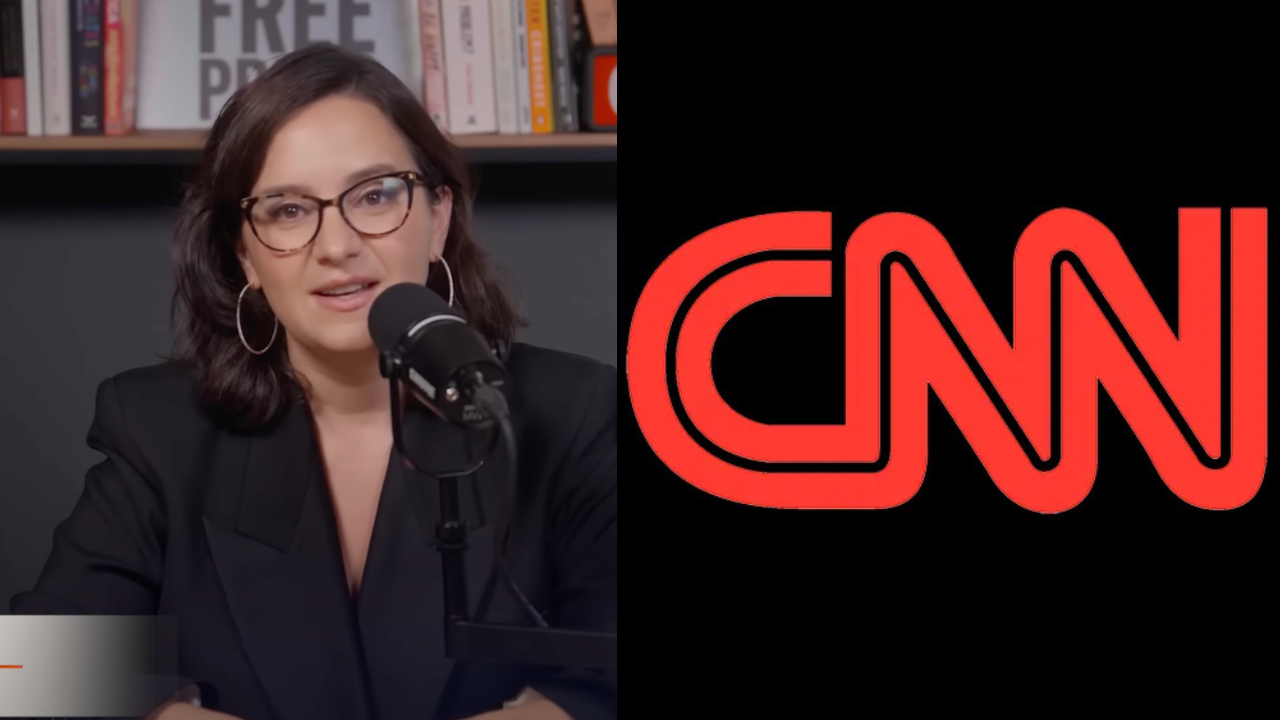
Bari Weiss and the CNN Logo – YouTube, The Free Press; CNN
The network has struggled with ratings challenges, leadership turnover, and questions about its future role in a rapidly evolving news environment.
Meanwhile, streaming raises another set of questions.

HBO Max and Paramount+ Logos – Paramount, Warner Bros.
HBO Max and Paramount+ would presumably become part of the same corporate ecosystem, though no final decisions have been announced regarding how the services might operate following a completed merger.
Consumers could eventually see broader content libraries and bundled offerings.
They could also see higher prices and fewer choices.
At this stage, much remains unknown.
The Deal Is Not Finished Yet
The DOJ’s approval is a major milestone, but it doesn’t necessarily mean the Paramount Warner Bros. merger is officially complete.
Other regulatory reviews may still remain. International regulators can examine parts of the transaction in their own markets, and state officials could still pursue legal challenges if they believe the deal raises concerns under their own authority.
Warner Bros Discovery Logo
There are also the practical steps that come with closing a transaction of this size. Corporate leadership, debt structure, operational integration, streaming strategy, news operations, and overlapping divisions all still have to be sorted out.
That means the DOJ decision gives the merger enormous momentum, but it doesn’t instantly combine the two companies overnight.
For David Ellison and Paramount Skydance, however, federal approval without conditions removes one of the biggest potential obstacles standing in the way of the deal.
For opponents, the window to stop the merger just became much smaller.
Bigger Doesn’t Always Mean Better
The DOJ’s decision may move the Paramount Warner Bros. merger closer to reality, but regulatory approval is only part of the story.
The larger question is whether massive mergers actually deliver the benefits executives promise.
Hollywood has spent years pursuing consolidation.
Disney acquired Fox, WarnerMedia merged with Discovery, and numerous smaller transactions have reshaped the entertainment landscape over the past decade.
Paramount Pictures Logo – YouTube, ClosingLogosHD
Some have produced efficiencies, while many have also produced layoffs, restructuring efforts, canceled projects, and significant consumer frustration.
The Paramount-Warner Bros. merger deal now becomes the latest test of the industry’s belief that scale is the answer to its problems.
Regulators may have stepped aside, but audiences will ultimately decide whether this merger succeeds.
If consumers embrace what the combined company creates, executives will point to the merger as a blueprint for the future.
If they don’t, it may become another example of Hollywood getting bigger without necessarily getting better.
UP NEXT: New Xbox CEO Reportedly Pulled Halo Trailer From PlayStation Presentation
